The Confessions
A philosopher's autobiography of the first fifty-three years of his life.
Summary
Jean-Jacques Rousseau's autobiography covers the first fifty-three years of his life, up to 1765. It was written in two parts of six books each: Books I to VI between 1765 and 1767, published in 1782, four years after his death, and Books VII to XII in 1769 and 1770, published in 1789. Rousseau read excerpts aloud in salons before publication and mentioned a planned third part that he never wrote.
The book follows his life from the streets to fame and gives an account of the experiences that shaped his personality and ideas, including his exile and persecution; parts of his own education reappear in his account of ideal education in Emile. Rousseau's dates are often wrong and some events are out of order or misrepresented. It is one of the first major autobiographies. Earlier great autobiographies, Augustine's Confessions and St Teresa's Life, centred on religious experience; Rousseau wrote mainly about his own worldly life and his pride in his individual existence.
Key takeaways 4
- Rousseau wrote one of the first autobiographies centred on a secular life.
- His experiences shaped ideas he set out in Emile and elsewhere.
- The account is candid but often inaccurate on dates and events.
- He presents the individual self as worth recording for its own sake.
Who should read it
Readers of autobiography, the Enlightenment and the origins of modern self-writing.
Who recommended it 2
Similar books 6
Chosen by shared topics, the entries that hold them, and the people who recommended both.
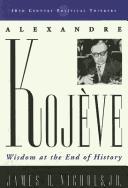
The political philosophy of Alexandre Kojève across his major writings.
Recommended by: Marc Andreessen
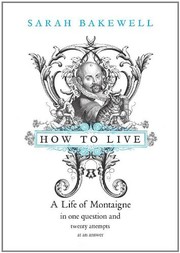
Montaigne's life and essays, read as answers to the question of how to live.
“I also recommend Derek's other books (How To Live is especially good).” — Andrew Wilkinson
Source: Newsletter
Recommended by: Andrew Wilkinson, Derek Sivers and 3 others
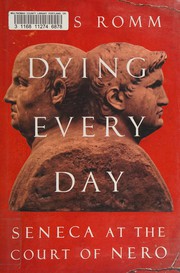
The philosopher Seneca's moral struggles at the court of Nero.
Recommended by: Nat Eliason
A writer's encounters with British philosophers and historians.
Recommended by: Patrick Collison
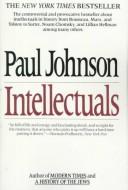
Case studies of thinkers from Rousseau and Marx to Sartre, judged by how they lived.
Recommended by: Marc Andreessen