Updates

  1. 137 new fund letters and reports, each with its own page: Kayne Anderson Rudnick (48 market briefings, KayneCast episodes and TV commentaries), Shelton Capital Management (48 shareholder reports and a commentary), Lakehouse Capital (10 Small Companies Fund letters), Smead (5 newsletters), RIT Capital Partners (5 monthly commentaries), Kovitz, Legal & General, Generation, Hosking, Marram, Munro, Oldfield and others.
  2. 200 new fund letters and reports, each with its own page: Spheria (41 monthly reports), Peapack Private (41 weekly recaps and planning newsletters), Fort Washington (23), Polen Capital (15), Aristotle Pacific (14), Riverwater (13), Chou (10), Apollo Asia Fund (8, back to 1998), Personal Asset Trust, Rockwood Strategic, J Capital Research, I/O Fund, Penn Davis McFarland, Pomona and others.
  3. Investor pages have one Investments tab with shares, changes, % owned, class, market cap and Market cap and Status filters, a Funds tab listing each fund the firm runs, and assets under management from Form ADV. The Investors table shows AUM and current investments, and its search finds investors by what they hold.
  4. Filters, search and sort stay as you left them when you come back to a section. Person cards look like book cards. Company pages name their Investors tab Ownership. Kind and Sector filters use four kinds and GICS sectors with industries. Dead links left the Links tabs.
  5. 190 more investors from fiscal.ai's list, with their sites, letters, partners and 13F holdings; 556 more partner descriptions. Experts now lists only people.
  6. Fund letters lists 144 new documents from 23 firms, each with its own page: a summary, key insights and quotes. Among them: 37 BlackRock articles, 21 Value Partners monthly notes, eight Baron Capital letters, six Stone Sentinel letters to partners, seven Value Line portfolio manager Q&As, BNY's 2026 earnings releases and Starboard Value's 2026 conference presentations.
  7. 584 more investors, with their websites, 6,776 letters from their own sites, 1,385 partners with pages and the 13F holdings of 213 firms. New letters arrive daily from 290 more archives.
  8. Media and Companies filter by GICS sector and industry group, taken from the companies an episode or page names. 1,860 more company pages show a logo, the SEC's list included.
  9. The home page counts what the platform holds and lists features such as the document reader, the player and saved marks. Settings sits at the foot of the rail. Book cards are a quarter wider, so rows hold fewer. Companies drops the Named in filter, and the Role list in your account runs A to Z.
  10. Investor pages of 13 firms show their newsroom's latest posts. New 13F filings are read as the SEC publishes them.
  11. Investor pages have an Investments tab: 13,975 holdings for 105 investors, from their 13F filings with the SEC and their own portfolio pages, with status and sector. 7,338 more companies have a page of their own.
  12. A podcast or YouTube episode keeps playing while you move around the site, in a bar with skip, speed and volume. Media tables show each episode's length and description.
  13. Press releases come from each company's own newsroom (167 companies); SEC filings sit on the Filings tab. Tickers name their exchange, and a company's Experts tab includes guests whose episode description names it.
  14. Letter types now include Market commentary, Fact sheet, Interim report, Annual report, Proxy circular and Governance document. The reader opens over the whole window.
  15. Partners of investment firms have 2,836 appearances and 580 pieces of writing on their pages; Derek Sivers's page lists every book he rates, with his rating.
  16. Fund letters lists three Akre Focus shareholder reports: the ETF's annual report for the year to July 2026, its semi-annual report to January 2026 and the fund's semi-annual report to January 2025, each with its own page: a summary, key insights and quotes.
  17. 837 partners of 73 investment firms now have their own pages, with title, description, photograph and social accounts; Andreessen Horowitz partners' pages also list their writing on a16z.com.
  18. Company pages have a Press releases tab: 8,229 releases for 203 companies, from SEC filings and company newsrooms. Companies filter by For-profit or Non-profit. Own media is a table with filters. Media filters by sector and industry. Publication pages link their publisher in the description.
  19. The Unilever page's Letters tab shows what each fund letter says about Unilever, word for word with its page, and whether the letter is bullish, bearish, mixed or neutral. Filter by sentiment, and see 10 letters at a time.
  20. 492 more fund letters and 3,183 more articles show the day they were published, read from each letter's first page or each article's own page.
  21. The PDF reader has a search box: type words to see every match in the document and step through them. About 540 letters that were web pages, among them Oakmark's commentaries, Bill Miller's letters and Howard Marks's memos, now open in the reader.
  22. Person pages: recommendations open with tier 1 books; one button per organisation; transcripts sit on their episodes; the books on 129 reading lists joined the Recommends tabs.
  23. Companies lists every company with a ticker on the SEC's list, with a Source filter. A quote on a company page opens the letter at that page with the words marked. A company's Media tab lists only episodes that name it, and a new Own media tab lists its podcasts, publications and YouTube channel. Show pages link their publisher. A page opened from a table no longer shows that table's filters beside it.
  24. Company, investor and person pages show more of their social accounts: Facebook, TikTok, Bluesky, Medium, GitHub, Discord and podcast shows. Investor pages list every partner the firm's own team page names: 965 people across 73 investors, 98 for Andreessen Horowitz.
  25. About 170 more letters and papers open in the reader: Mohnish Pabrai's letters and transcripts from his site's new folder, and free copies of papers by Asness, Harvey, Altman, Lo and others from their own or their schools' sites.
  26. Every company a fund letter names has a page, with the letters and quotes that name it: 47 new pages, among them Atom Computing, Hugging Face, Rolls-Royce Holdings and Westinghouse Electric. Company pages have a Quotes tab.
  27. A person's Writing tab has a Type column and filter (Article, Essay, Transcript, Speech, Foreword, Interview and the rest), and Publication names only the publication that published each piece.
  28. Fund letters opens on the newest published letter, and a letter or paper found by search opens its own page here instead of the publisher's site.
  29. A letter or paper with a copy on the site opens its PDF over its page, with a button to open it in a new tab. Select text to highlight or underline it; signed-in readers keep their marks in their account. Each quote opens the PDF at its page with its words marked, and a Source link leads to the publisher's original.
  30. Fund letters lists 61 more documents, each with its own page: Fairfax's 2025 and 2026 interim reports, proxy circulars and 2025 annual report (with their French editions), 26 Charlie Munger meeting transcripts, talks and essays, Third Point's 2026 monthly reports and Malibu Life's interim results, and a Seth Klarman interview. Papers adds Richard Thaler's two 2020 editorials on nudges.
  31. Fund letters lists Lux Capital's letters for Q2 and Q3 2026, by Josh Wolfe, each with its own page: a summary, key insights and quotes.
  32. Fund letters lists Brookfield's letter to shareholders for Q3 2026, by Bruce Flatt, with its own page: a summary, key insights and quotes.
  33. Fund letters lists Howard Marks's memo of 11 November 2026, A Layman Thinks About AI, with its own page: a summary, key insights and quotes.
  34. Fund letters lists 118 more letters, each with its own page: 44 weekly commentaries by Jeremy Siegel from 2026, 31 issues of Van Tharp's newsletter from 2018, 23 Pabrai Investment Funds letters from 2021 to Q3 2026, 13 Efficient Frontier essays by William Bernstein, Oakmark's three 3Q 2026 commentaries, two Lindsell Train reports, a John Hussman comment and Third Point's Q3 2026 letter.
  35. 2,027 more books carry a one-line description in the Books table and on their pages; 7,067 of 7,715 have one, every tier 1, 2 and 3 book among them.
  36. Fund letters lists 187 more letters from 19 firms, among them Permanent Equity, Social Capital, Lux Capital, Square Peg, Bestinver, Cobas, Sequoia Fund, Marketfield and EquityCompass; each shows on its investor's page and has a page of its own.
  37. 2,928 more books carry a one-line description in the Books table and on their pages, so every tier 1, 2 and 3 book has one; 5,040 in all.
  38. Every publication on Newsletters has its own page: its writing, its writers, its staff and who recommends it. Investor pages have a Management tab; a company's Experts tab now leaves out its own people, who list under Management. Tabs on a phone move sideways only.
  39. Every fund letter and research paper has its own page: the thesis, the PDF, the companies and books it names, and for 176 letters and 24 papers so far a summary, key insights and quotes with their page.
  40. 99 books that no page listed now sit under their topics in Books, among them Caste, American Prometheus and Pale Blue Dot.
  41. Newsletters lists every newspaper, magazine, investment newsletter, journal and blog the reference holds, 442 in all, with the people who write there. The search box keeps your last 20 searches. You can create an account.
  42. 283 books that fund managers recommend in their letters are on the shelf, each with the letter's own words and page; investor pages have a Recommends tab.
  43. Person, company, investor and show pages link their own accounts on X, Threads, Instagram, LinkedIn, YouTube and Substack: 275 people, 552 companies and organisations, 88 investors and 478 shows.
  44. 716 more book recommendations name their source: the person's own reading list, letter, blog post, speech or interview, or an article that reports it. 232 of them quote the person's own words about the book, on the book card and on the book's page.
  45. Every US-listed company has a page with its SEC filings. Company pages list their experts and their management, past and present. Fund managers sit under Investors. Each show has a page of its episodes, and an episode page names its guests and hosts. Biographies lists groups, then people. Breadcrumbs show where a page sits.
  46. Media lists every podcast episode, video, interview and talk, over 10,000, by person, company, publisher and event; each filter searches its own choices. Books opens on its table, then Browse, then Authors and Recommenders. A filter's count no longer covers its arrow.
  47. A book that no company, country or subject page lists shows its topics under Where it sits in the reference. On a phone, a page's tabs scroll sideways only. Descriptions read the same on every page. See them in the Experts tab lists every expert the page names.
  48. Every podcast episode, video and interview has its own page with a video or audio player and a link to the source. Investor pages show each company's sector and market cap; firms such as Berkshire Hathaway have one page that holds their letters and their company tabs. Letters tabs filter by company and search the theses. Companies filter by Public, Private and Defunct and link each company's website.
  49. Every tab, view and search has its own address, such as /books/table/asset or /letters/companies, so Back works and a link opens the same place. Page addresses no longer end in .html. Fund letters, Investors, Companies and Papers load about a fifth of the data they did.
  50. Fund letters has a Companies tab: every company the letters name, with its market cap, sector, country, and how many letters and investors name it. Investor pages link each investor's website. Lists in table cells end with “… and N more” at every width.
  51. 1,120 more book summaries; descriptions for 373 papers; pages for 137 more companies, each with the fund letters that discuss it; 215 official photographs; search has its own page.
  52. 411 more books have a summary; person pages list 930 more of the books they wrote; 147 people show their official photograph.
  53. Every investor has a page with its letters and the companies they discuss; company pages list the investors whose letters name them.
  54. A Companies section at the top of the rail lists every company the books, experts and fund letters name.
  55. Person pages list letters, writing, profiles and links as sortable tables with filters, and show each person's companies as links; Fund letters show each letter's description in its own column.
  56. Experts show a checked job title and a short description of each person; 30 more people have photographs.
  57. Every company, fund, university and publication the experts work for has a page listing the people there.
  58. Fund letters show each letter's thesis and filter by it; 225 person pages list the essays, columns and newsletter issues the person wrote.
  59. Person pages list every essay and newsletter issue a person wrote, and their own books as a table in List view.
  60. Recommends shows the five largest kinds of book and the rest under More; browse pictures load sooner.
  61. Podcasts and talks link the original episode, filter by Audio and video or Press, and list each publisher once.
  62. Pages are wider, Recommends has List and Grid, and a filter clicked again turns off.
  63. Book cards sit in a ruled grid with Open Library and Goodreads links and each book's one-line note.
  64. Funds is now Investors; each investor's styles are buttons that filter the table.
  65. Podcasts and talks on a person's page filter by year and publisher and show as a list or a grid of pictures.
  66. Quotes show only people's own words: 472 summaries written by list sites are gone.
  67. Country pages open from Browse again, and every link on the shelf lands on a page.
  68. Subject and person pages show their sections as tabs, and each book appears once on a person's page.
  69. Book cards show the quote, who said it and the source; grids show five cards to a row.
  70. On a phone, a menu holds the sections, search, Updates, Feedback and dark mode.
  71. Feedback takes a screenshot of the page with no browser prompt, opens a screenshot full size when you click it, and clears itself once sent.
  72. Book cards are centred, search names the topic each book sits in, and any text cut short shows whole on hover.
  73. Search groups its results by kind: people, companies, geographies, subjects, topics, books, funds, fund letters and papers.
  74. The Books table lists who recommended each book by name, and the browser tab names the section you are in.
  75. Feedback can take a screenshot of the page, or one you paste or choose, and opens in the corner beside Updates.
  76. Each rail button reopens its section where you left it, and Browse, Table and People show on every book and subject page.
  77. Filters grey out choices that hold nothing instead of hiding them, and Books › People filters by authors or recommenders.
  78. Feedback takes a subject line and up to three screenshots.
  79. Biographies are grouped by the person they are about: 41 new pages, from Abraham Lincoln to Lee Kuan Yew.
  80. Sport splits into 23 sports, and Religion into one topic per faith.
  81. Book lists show as cards: the cover, one recommendation quote and every recommender by name.
  82. Seventeen subjects that had two or three pages under different names now have one page each.
  83. Every page lists its Experts as authors and recommenders, with a link to them on the Experts tab.
  84. Economics, Financial history, Financial panics and Accounting are subjects of their own, with one page per financial crisis.
  85. Book, person and subject pages open inside the app, so the tabs stay in view.
  86. 996 more book covers, and photographs or logos for 227 more people and companies.
  87. Books › Browse shows every subject as cards, and the rail holds Fund letters, Papers, Experts, Books and Funds.
  88. Every topic over 150 books splits into narrower topics, each with a page of its own.

Send feedback

What is it?
Screenshots, up to 3 (optional)
or paste one with Ctrl+V

We use your email only to reply to you.

EP

Eastern philosophy and spiritual teachers

Holds Taoist, Buddhist, Hindu, Zen and Confucian texts and the modern teachers who write in those traditions, such as Krishnamurti, Alan Watts, Osho and Eckhart Tolle.

Start here

  1. The Life DivineSri Aurobindo, 1939
  2. The Way of Life, According to LaotzuWitter Bynner, 1944
  3. Education and the Significance of LifeJiddu Krishnamurti, 1953
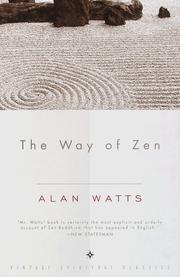
  4. The Way of ZenAlan Watts, 1957
  5. Freedom from the KnownJiddu Krishnamurti, 1959
Sri Aurobindo · 1939

A theory of spiritual evolution toward a supramental being and a divine life.

Recommended by: Mohnish Pabrai

Witter Bynner · 1944

A translation of the Tao Te Ching, on poise, serenity and the futility of ego.

Recommended by: Tim O’Reilly
Jiddu Krishnamurti · 1953

On education and its purpose in life.

Recommended by: Mohnish Pabrai

Alan Watts · 1957

An introduction to Zen, its Buddhist and Taoist origins and its principles.

Recommended by: Nat Eliason, Naval Ravikant

Jiddu Krishnamurti · 1959

Freedom from the fears of the known and the unknown that hold a person back.

Walpola Rahula · 1959

The basic principles of Buddhist doctrine drawn from the original Pali texts.

Recommended by: Chade-Meng Tan

Alan W. Watts · 1962

Changes of consciousness under "mystic drugs" and what they reveal.

Recommended by: Ed Cooke, Naval Ravikant

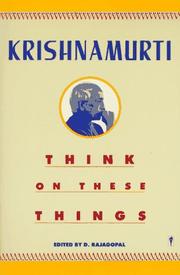
Jiddu Krishnamurti · 1964

On how to live, on culture and on ethics.

“Yeah, I actually don't recommend starting with Krishnamurti; he's a tough one, but if you're going to start somewhere, I started with this book called Think on These Things.” — Naval Ravikant

Source: The Tim Ferriss Show Transcripts: Naval Ravikant on Happiness, Reducing Anxiety, Crypto Stablecoins, and Crypto Strategy (#473)

Recommended by: Mohnish Pabrai, Naval Ravikant
Og Mandino · 1968

A parable of Hafid, ancient scrolls and the secrets of salesmanship and success.

Recommended by: Nick Huber
Shunryu Suzuki · 1970

Zen Buddhist teaching on meditation and Soto Zen practice.

Ram Dass · 1971

A book on spirituality, yoga and meditation that spread Eastern practice in the West.

Recommended by: Steve Jobs
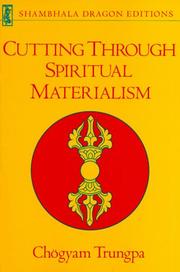
Chögyam Trungpa · 1973

Buddhist teaching on how the spiritual path can turn into ego and materialism.

Recommended by: Steve Jobs

Yoel Hoffman · 1977

281 Zen koans with the answers, once kept secret, passed from master to novice.

Recommended by: Kevin Kelly

Swami Muktananda · 1981

Hindu teaching on death and whether it is real.

Recommended by: Mohnish Pabrai
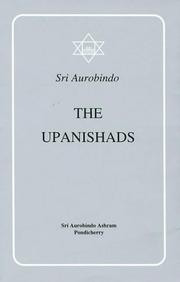
Swami Hariharananda Aranya · 1981

The yoga aphorisms with Vyasa's commentary, translated and annotated for practice.

Recommended by: Mohnish Pabrai

Jiddu Krishnamurti · 1985

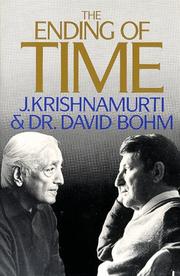
Dialogues between a spiritual teacher and the physicist David Bohm on thought.

Recommended by: Mohnish Pabrai
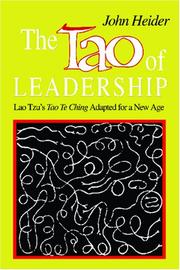
John Heider · 1985

Leadership lessons drawn from the Tao Te Ching.

Recommended by: Dustin Moskovitz

Anthony de Mello · 1990

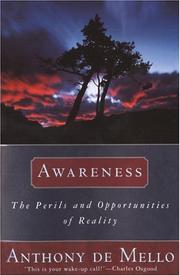
Transcribed talks that treat spirituality as waking up.

“Start with Anthony de Mello's A Way to Love or his book Awareness. They're both really good, but there's a ton of them.” — Naval Ravikant

Source: The Tim Ferriss Show Transcripts: Naval Ravikant on Happiness, Reducing Anxiety, Crypto Stablecoins, and Crypto Strategy (#473)

Recommended by: Matt Mullenweg, Naval Ravikant and 3 others

Joachim-Ernst Berendt, Fritjof Capra · 1991

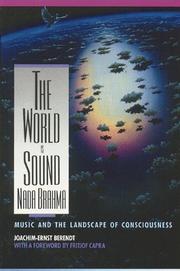
A journey through the world's musical traditions and the idea that all is sound.

Jiddu Krishnamurti · 1992

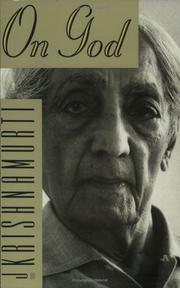
Talks and writings on religion and the search for the sacred.

Recommended by: Mohnish Pabrai
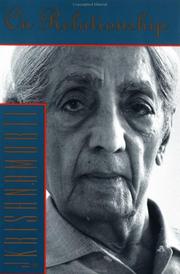
Jiddu Krishnamurti · 1992

Talks and writings on relationship as a basis for solving the world's crises.

Recommended by: Mohnish Pabrai

Sogyal Rinpoche · 1992

Tibetan teachings on dying, and the healing in seeing death as part of life.

Recommended by: Catriona Wallace

Swami Venkatesananda · 1993

A sage's teaching to Rama, told in tales, on ending conditioning to reach liberation.

Recommended by: Naval Ravikant
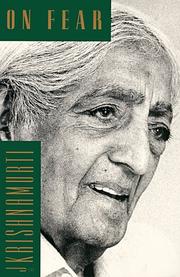
Jiddu Krishnamurti · 1994

Talks on how fear and dependence shape lives and keep people from seeing themselves.

Recommended by: Mohnish Pabrai
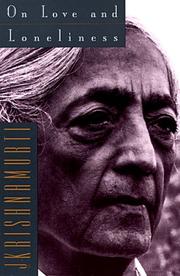
Jiddu Krishnamurti · 1994

Talks on intimate relationships, isolation and self-knowledge, and facing loneliness.

Recommended by: Mohnish Pabrai

Sri Aurobindo · 1995

A commentary on the Bhagavad Gita and its message.

Recommended by: Mohnish Pabrai
Swami Chidvilasananda · 1995

Four talks on cultivating love, joy and peace in daily life.

Recommended by: Mohnish Pabrai
Alan Watts · 1995

Eight edited lectures that introduce a philosopher's wit and wisdom.

Recommended by: Naval Ravikant
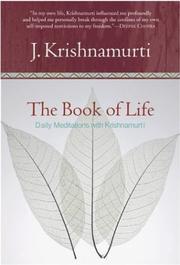
J. Krishnamurti · 1995

Daily meditations on the spiritual life, one for each day of the year.

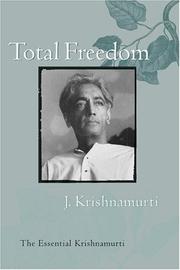
Jiddu Krishnamurti · 1996

A spiritual thinker's essential writings and talks in one volume.

“I like this for someone who's more advanced. A rationalist's guide to the perils of the human mind. The "spiritual" book I keep returning to.” — Naval Ravikant

Source: Naval's Recommended Reading — The Almanack of Naval Ravikant

Recommended by: Naval Ravikant
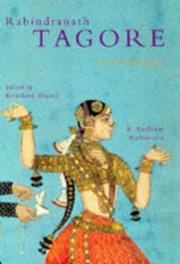
Krishna Dutta, Andrew Robinson · 1997

Plays, memoirs, letters, essays, stories, poems and songs, many from the Bengali.

Recommended by: Mohnish Pabrai
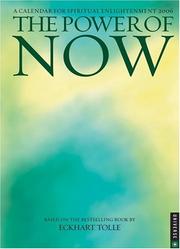
Eckhart Tolle · 1997

Suffering comes from identifying with the mind's chatter; freedom from living now.

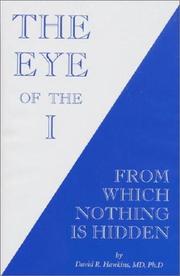
David R. Hawkins · 1998

Advanced states of consciousness and the way to spiritual enlightenment.

Recommended by: Mohnish Pabrai
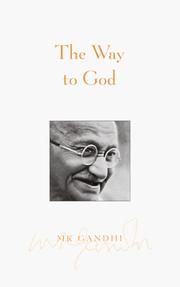
M.K. Gandhi · 1999

Teachings on love, the soul, meditation, service and prayer for all faiths.

Recommended by: Mohnish Pabrai
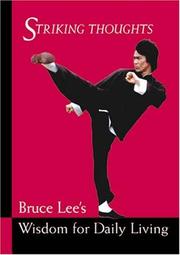
Bruce Lee · 2000

825 aphorisms on 72 topics, from spirituality to personal liberation and family.

Recommended by: Nat Eliason, Naval Ravikant
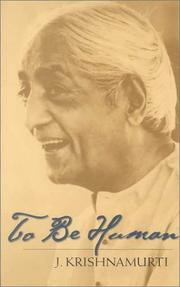
Jiddu Krishnamurti · 2000

Passages from talks on the nature of truth and what keeps us from seeing it.

Recommended by: Mohnish Pabrai
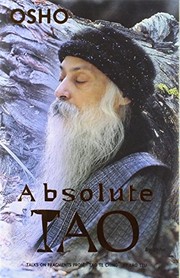
Osho · 2001

Commentaries on verses of the Tao Te Ching to awaken individual awareness.

Recommended by: Naval Ravikant

Yamamoto Tsunetomo · 2001

A practical and spiritual guide for the samurai warrior.

Recommended by: Naval Ravikant
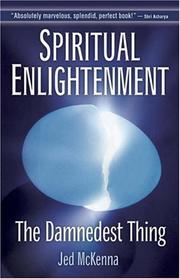
Jed McKenna · 2002

Spiritual enlightenment reduced to its simplest terms by an unorthodox teacher.

Recommended by: Naval Ravikant
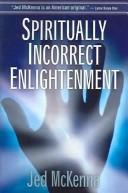
Jed McKenna · 2004

A tour of the enlightened state: what it is, who has reached it, how to get there.

Recommended by: Naval Ravikant
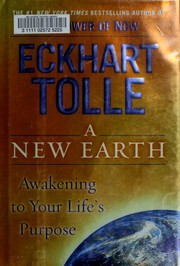
Eckhart Tolle · 2005

A spiritual guide to awakening and finding life's purpose.

Recommended by: Oprah Winfrey
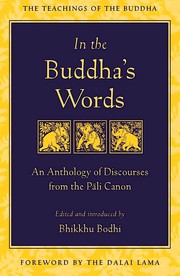
Bhikkhu Bodhi · 2005

Selected discourses of the Buddha from the Pali Canon, arranged by theme.

Recommended by: Chade-Meng Tan
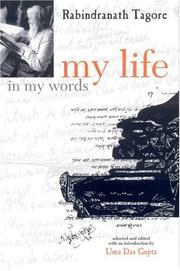
Rabindranath Tagore · 2006

A poet's life told from his own writings: family, loss, school reform, East and West.

Recommended by: Mohnish Pabrai

Jed McKenna · 2007

The last of a trilogy on spiritual awakening, presented as a war with oneself.

Recommended by: Naval Ravikant
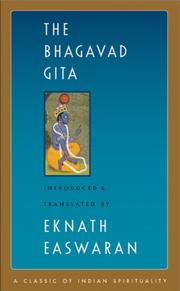
Eknath Easwaran · 2007

A translation of the Hindu dialogue between Krishna and the warrior Arjuna.

Recommended by: Nat Eliason, Naval Ravikant
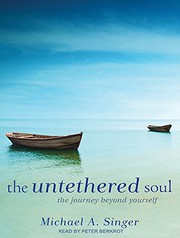
Michael A. Singer · 2007

You are the awareness watching your thoughts and feelings, not those thoughts.

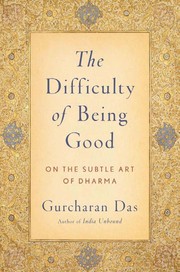
Gurcharan Das · 2009

What dharma means and why be good, read through the Mahabharata.

Recommended by: Mohnish Pabrai

Jed McKenna · 2010

Interviews, essays and stories on spiritual enlightenment.

“Everything by Jed McKenna. Jed spits raw truth. His style may be off-putting but the dedication to truth is unparalleled.” — Naval Ravikant

Source: Naval's Recommended Reading — The Almanack of Naval Ravikant

Recommended by: Naval Ravikant
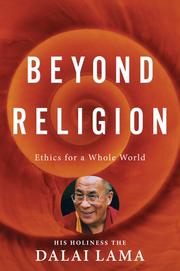
Dalai Lama · 2011

A system of secular ethics that goes beyond religion.

Recommended by: Ray Dalio

Adyashanti · 2011

A spiritual teacher on the way out of suffering into awakening.

Recommended by: Naval Ravikant

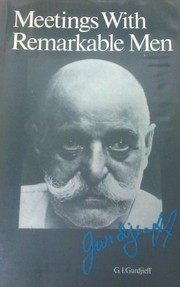
G.I. Gurdjieff · 2011

A spiritual teacher's youth and travels, told through portraits of men he met.

Recommended by: Steve Jobs

Pema Chödrön · 2012

Buddhist teaching on living with uncertainty and change instead of clinging in fear.

“Everything she writes is wonderful. All a similar theme. See the other books here for other (maybe better) examples.” — Derek Sivers

Source: Derek Sivers book notes (primary, rated list) · Rating: 6/10

Recommended by: Derek Sivers, Audrey Gelman

The Mother · 2012

A compilation on Sri Aurobindo's epic poem Savitri and its spiritual vision.

Recommended by: Mohnish Pabrai

Jed McKenna · 2013

The claim that the great mystery of existence is only an internal belief.

Recommended by: Naval Ravikant

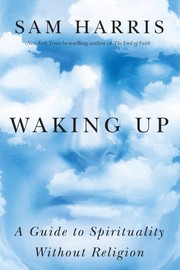
Sam Harris · 2014

A guide to meditation as a rational practice, drawn from neuroscience and psychology.

“I think that the book I've probably, for the last few years, been giving out the most is Waking Up by Sam Harris.” — Susan Cain

Source: The Tim Ferriss Show Transcripts: Susan Cain (#357)

Recommended by: Nat Eliason, Susan Cain, Naval Ravikant and 1 other

Kapil Gupta · 2016

A path beyond self-help and mindfulness slogans to the ultimate truths of the mind.

“Everything by Kapil Gupta, MD. Kapil recently became a personal advisor and coach to me, and this comes from a person who doesn't believe in coaches.” — Naval Ravikant

Source: Naval's Recommended Reading — The Almanack of Naval Ravikant

Recommended by: Naval Ravikant
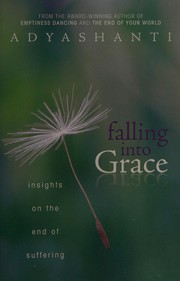
Jed McKenna · 2016

The claim that the universe does not exist, and what waking from that dream means.

“Everything by Jed McKenna. Jed spits raw truth. His style may be off-putting but the dedication to truth is unparalleled.” — Naval Ravikant

Source: Naval's Recommended Reading — The Almanack of Naval Ravikant

Recommended by: Naval Ravikant
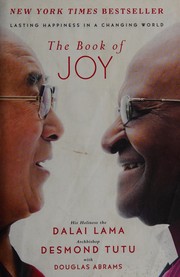
Dalai Lama · 2016

Two Nobel laureates discuss living with joy in the face of adversity.

Recommended by: David Perell, Alfred Lin
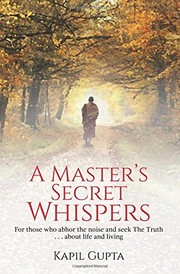
Kapil Gupta · 2017

Dialogues between a master and a student on anxiety, emotional pain and success.

“Everything by Kapil Gupta, MD. Kapil recently became a personal advisor and coach to me, and this comes from a person who doesn't believe in coaches.” — Naval Ravikant

Source: Naval's Recommended Reading — The Almanack of Naval Ravikant

Recommended by: Naval Ravikant
Jed McKenna · 2017

Essays, teachings and rants on spiritual enlightenment.

“Everything by Jed McKenna. Jed spits raw truth. His style may be off-putting but the dedication to truth is unparalleled.” — Naval Ravikant

Source: Naval's Recommended Reading — The Almanack of Naval Ravikant

Recommended by: Naval Ravikant

Lao Tzu · 2017

Eighty-one short chapters on the Tao, the founding text of Taoism.

“This existence-tissue is the central concern of Lao Tzu's Tao Te Ching (sixth century B.C.E.) - the seminal work in Taoism, the spiritual branch of Chinese philosophy that eventually evolved into Ch'an Buddhism.” — Maria Popova

Source: Awakened Cosmos: Poetry as Spiritual Practice

Recommended by: Maria Popova, Nat Eliason, David Perell and 6 others
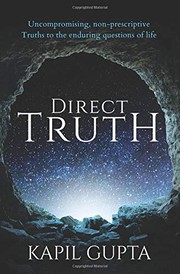
Kapil Gupta · 2018

Answers to life's lasting questions that reject self-help prescriptions and fixes.

“Everything by Kapil Gupta, MD. Kapil recently became a personal advisor and coach to me, and this comes from a person who doesn't believe in coaches.” — Naval Ravikant

Source: Naval's Recommended Reading — The Almanack of Naval Ravikant

Recommended by: Naval Ravikant

Jed McKenna · 2018

The second collection of talks on enlightenment, away from the things of man.

Recommended by: Naval Ravikant

Haemin Sunim · 2018

A Buddhist teacher on learning to love ourselves with all our imperfections.

Recommended by: Susan Cain
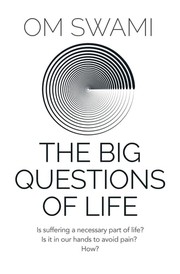
Om Swami · 2020

A monk's answers to questions of pain, loss, death and the uncertainty of life.

Recommended by: Library Mindset
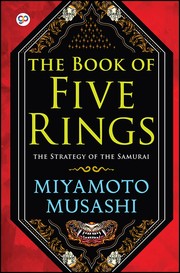
Miyamoto Musashi · 2025

A classic Japanese text on the arts of confrontation and victory.

Jun'ichirō Tanizaki

An essay on Japanese aesthetics through light and shadow, from buildings to food.

“But it's something you could read in an afternoon really easily. It's called In Praise of Shadows.” — Tim Ferriss

Source: The Tim Ferriss Show Transcripts: Gretchen Rubin (#290)

Recommended by: Tim Ferriss, Jason Fried

Lao Tzu, Robert G. Henricks (trans.)

Recommended by: Stewart Brand

Eckhart Tolle

Meditations and exercises for quieting thought and living in the present moment.

“The best way I've found to deal with the daily anxiety of running a business is to focus on the "Now.” — David Cancel

Source: The Books Every Startup CEO Should Read — David Cancel, Medium

Recommended by: David Cancel
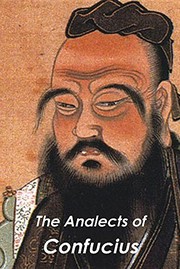
Sayings and ideas attributed to Confucius and his followers.

Recommended by: Nat Eliason

Osho

A practical guide to the meditation techniques of Tantra.

“If you want to run through a bunch of them, you can pick up pick up a book called The Book of Secrets by Osho.” — Naval Ravikant

Source: Naval's Recommended Reading — The Almanack of Naval Ravikant

Recommended by: Naval Ravikant

Anthony de Mello

Thirty-one meditations on seeing clearly as the root of love.

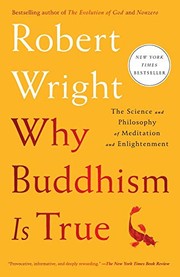
Robert Wright

How the mind deludes us, and how Buddhist meditation helps us see the world clearly.

More philosophy