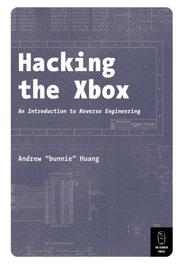
Hacking the Xbox: An Introduction to Reverse Engineering
An introduction to hardware reverse engineering through the original Xbox.
Summary
Andrew "Bunnie" Huang's book is an introduction to reverse engineering through the original Xbox games console. A reader's description on Open Library warns that anyone without interest in the details of JTAG probe points, cryptography, so-called trusted computing and digital rights management, and the technical problems of implementing or attacking them, will be bored, while those with such interests are in for a treat.
The book opens with five chapters giving a broad physical overview of the hardware in Xbox consoles, with relatively simple projects that put a soldering iron in the reader's hand. It then introduces the security model of the platform and the attacks that Huang and others developed to run arbitrary code on the machines, told as a blow-by-blow account of how the attacks were developed. It ends with practical material on using these attacks, for example to run Xbox-Linux on a modified console, and with a wider look at the legal environment facing hackers in the United States.
Key takeaways 4
- Reverse engineering starts with understanding the physical hardware.
- The Xbox security model could be defeated to run arbitrary code.
- Security based on trusted computing and digital rights management has technical weaknesses.
- Hardware hackers in the United States face a difficult legal environment.
Who should read it
Engineers and hobbyists interested in hardware hacking, security and reverse engineering.
Who recommended it 1 · 1 direct
Similar books 6
Chosen by shared topics, the entries that hold them, and the people who recommended both.
How non-programmers write their own software: end-user computing.
Recommended by: Patrick Collison
Advanced work on type systems and how they capture programs' run-time behaviour.
Recommended by: Patrick Collison
Apple's programming manuals for writing Macintosh software.
Recommended by: Patrick Collison
A reference on cryptography for programmers, with code in C.
Recommended by: Patrick Collison
Tips and tools for using BSD Unix operating systems.
Recommended by: Patrick Collison
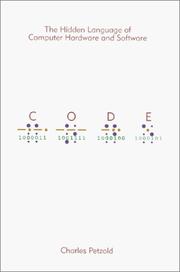
How computers work, built up from flashlights, codes and switches.
“Masterpiece of clear explanation! How to make a computer from scratch. Basics of electricity, 1/0 AND/OR switches, boolean algebra, how physical switches can make an adding machine, bytes and ASCII text, memory, CPU, and so on, up to a working computer. Each chapter building perfectly on the previous. If you’re interested in learning computers from scratch, this is the definitive book for it. (I rate this book a perfect 10 for what it is, but only giving an 8 here, because it’s not for everyone.)” — Derek Sivers
Source: Derek Sivers book notes (primary, rated list) · Rating: 8/10
Recommended by: Derek Sivers, Patrick Collison