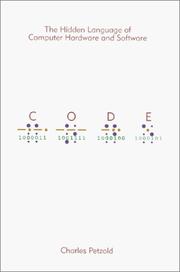
Code: The Hidden Language of Computer Hardware and Software
How computers work, built up from flashlights, codes and switches.
Who recommended it 2 · 2 direct
“Masterpiece of clear explanation! How to make a computer from scratch. Basics of electricity, 1/0 AND/OR switches, boolean algebra, how physical switches can make an adding machine, bytes and ASCII text, memory, CPU, and so on, up to a working computer. Each chapter building perfectly on the previous. If you’re interested in learning computers from scratch, this is the definitive book for it. (I rate this book a perfect 10 for what it is, but only giving an 8 here, because it’s not for everyone.)”
Similar books 6
Chosen by shared topics, the entries that hold them, and the people who recommended both.
Software's enemy is complexity, which grows through shallow modules and shortcuts.
“Programming wisdom: modular design, keep APIs simple, how to avoid complexity, etc. Great insights from experience.” — Derek Sivers
Source: Derek Sivers book notes (primary, rated list) · Rating: 8/10
Recommended by: Derek Sivers
How non-programmers write their own software: end-user computing.
Recommended by: Patrick Collison
Advanced work on type systems and how they capture programs' run-time behaviour.
Recommended by: Patrick Collison
Apple's programming manuals for writing Macintosh software.
Recommended by: Patrick Collison
A reference on cryptography for programmers, with code in C.
Recommended by: Patrick Collison
Tips and tools for using BSD Unix operating systems.
Recommended by: Patrick Collison