Invention, engineering and energy
This niche holds histories of invention and industry, electricity and the grid, batteries and renewable power, materials, cars and railways, and engineering failures such as Chernobyl.
Start here
- The Path Between the SeasDavid McCullough, 1977
- Networks of PowerThomas P. Hughes, 1983
- Normal AccidentsCharles Perrow, 1984
- The Making of the Atomic BombRichard Rhodes, 1986
- Creating the Twentieth CenturyVaclav Smil, 2004
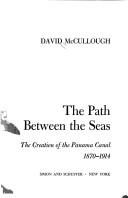
The building of the Panama Canal, from France's failed attempt to US completion.
“I read this to prepare for a family vacation to Panama. It's pure McCullough: epic drama, political intrigue, heartbreaking defeats, and eventual triumph.” — Bill Gates
Recommended by: Mohnish Pabrai, Bill Gates, Marc Andreessen
Electrification in the US, Britain and Germany, 1880 to 1930, as a technical system.
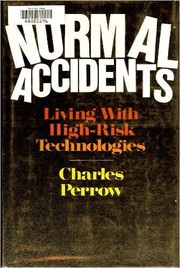
Why complex, tightly coupled systems such as Three Mile Island will fail regardless.
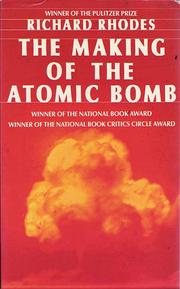
How the bomb was built, from the discovery of atomic energy to Hiroshima.
Recommended by: Jim Collins, Chris Dixon, Elon Musk and 2 others
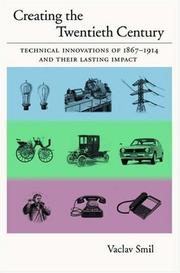
How inventions of 1867 to 1914, from electricity to cars, made the modern world.
“My favorite Smil book, Creating the Twentieth Century (and its companion, Transforming the Twentieth Century) chronicles the inventions of the last 150 years.” — Bill Gates
Source: Vaclav Smil on how energy makes life possible — Gates Notes
Recommended by: Bill Gates, Mohnish Pabrai, Li Lu
How the diesel engine and the gas turbine made modern global trade possible.
Recommended by: Bill Gates, Mohnish Pabrai
How American manufacturing rose to lead the world, and why its share then fell.
Recommended by: Mohnish Pabrai, Bill Gates
How much steel, cement and plastic the world uses, and whether growth needs less.
Recommended by: Bill Gates, Mohnish Pabrai, Mark Zuckerberg
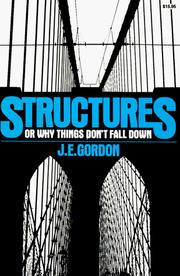
Why structures hold up or fail: tension, compression, shear and fracture explained.
Recommended by: Elon Musk, Marc Andreessen
A catalogue reviewing over 1,500 tools and what each one is good for.
Recommended by: John Doerr
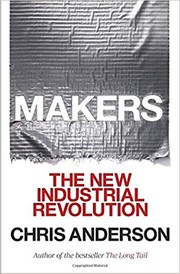
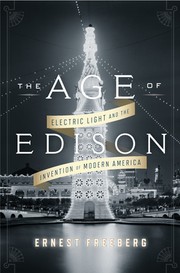
How Edison's electric light changed American life and marked a new age.
Recommended by: Alfred Lin, Patrick Collison
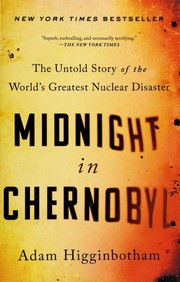
The 1986 Chernobyl disaster, and the secrecy and myth that hid what happened.
Recommended by: Casey Neistat
One USB charger followed from a factory in Vietnam by ship and truck to a door.
Recommended by: Tobi Lütke
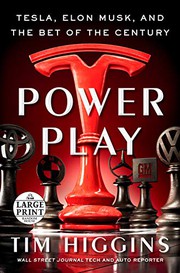
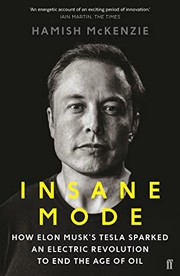
Tesla from its founding disputes through the Model 3 production crisis to 2020.
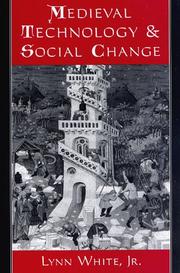
How the stirrup and the plough reorganised medieval society and its economy.
Recommended by: Patrick Collison, Paul Graham
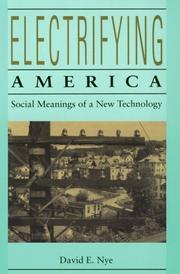
How electricity spread through everyday American life and commerce.
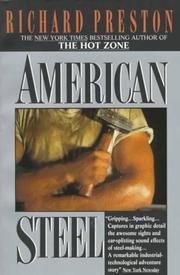
Nucor's gamble on the first thin-slab steel mill, at Crawfordsville, Indiana.
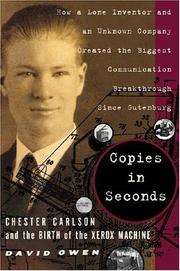
How Chester Carlson invented xerography and how it became the Xerox 914 copier.
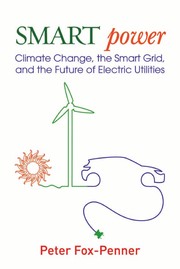
How utility business models must change once regulated growth ends.
Why US railroads declined under regulation and recovered after the Staggers Act.
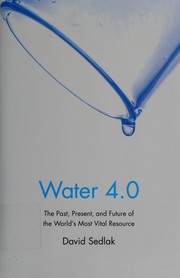
How cities' water and sewer systems were built, and the cost of replacing them.
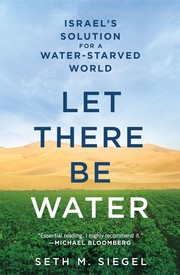
How Israel solved its water scarcity, and the policies others can copy.
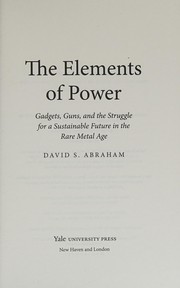
The supply chains of rare earths and other minor metals that technology needs.
The global race to build a better lithium-ion battery for electric cars.
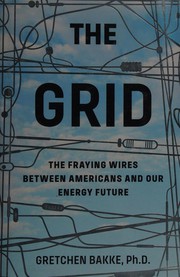
The American electrical grid as a physical and social system, and why it is strained.
“And then another book I'm reading, which was actually a Bill Gates recommendation is, it's called The Grid about the electric grid, which is also pretty good.” — Mohnish Pabrai
Source: Pabrai Investment Funds Annual Meeting Transcript 2018, page 21
Recommended by: Mohnish Pabrai
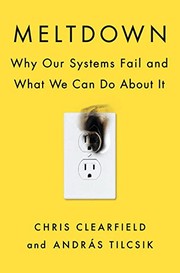
Why complex systems fail, from Volkswagen to Everest, and how to design against it.
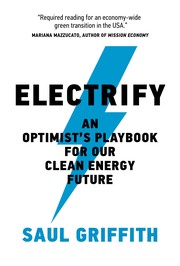
An engineer's plan to decarbonise America by electrifying nearly everything.
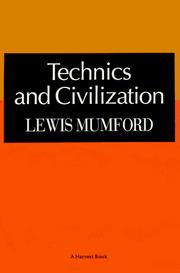
A history of the machine and a critical study of its effects on civilization.
Recommended by: Patrick Collison
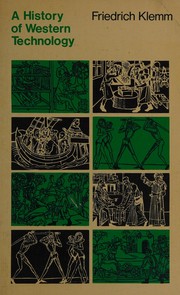
A history of Western technology and its place in civilisation.
Recommended by: Nick Szabo
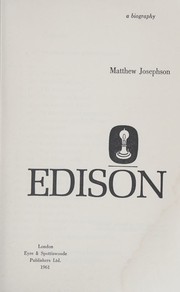
The standard life of Thomas Edison, as inventor, industrialist and man.
Recommended by: Marc Andreessen, Ryan Holiday
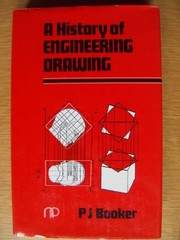
A history of mechanical and engineering drawing.
Recommended by: Patrick Collison
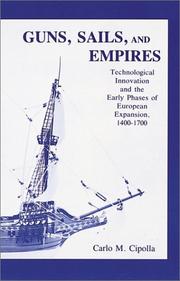
How guns and ships drove the early phases of European expansion overseas.
Recommended by: Paul Graham
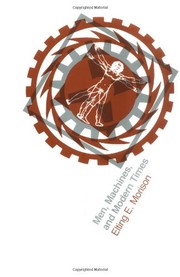
Nineteenth-century cases of technological change and how society reacted to it.
Recommended by: Patrick Collison, Marc Andreessen
A history of clocks and clockmaking and their place in culture.
Recommended by: Paul Graham
The forces that have shaped technology since prehistory and now shape modern people.
Recommended by: Patrick Collison
An illustrated encyclopedia that explains modern machines and technology.
Recommended by: Mike Maples, Jr.
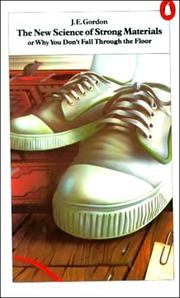
Why materials are strong or weak, explained for general readers.
Recommended by: Bill Gates, Mohnish Pabrai
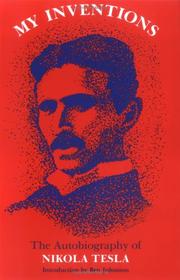
The inventor's own account of his life and work, the main source for his biographers.
Recommended by: Larry Page
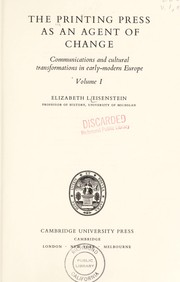
How printing transformed communication and culture in early modern Europe.
Recommended by: Patrick Collison
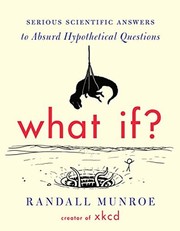
Answers to readers' questions about science, from the maker of the xkcd webcomic.
Recommended by: Bill Gates, Mohnish Pabrai, Astro Teller
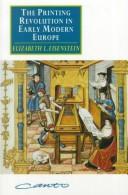
An abridged survey of the fifteenth-century communications revolution of print.
Recommended by: Nick Szabo
The coming of the machine age in Britain, 1660 to 1886, through eyewitness writings.
Recommended by: Sam Altman
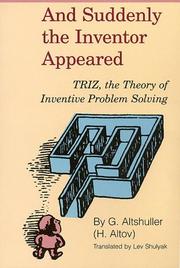
TRIZ, a method for solving technical problems through invention.
Recommended by: Patrick Collison
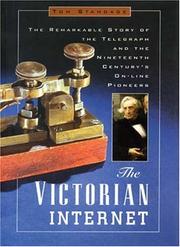
The invention of the telegraph and the eccentrics who pioneered it.
Recommended by: Andrew Chen
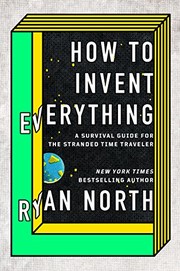
How to rebuild civilisation's inventions if stranded in the past.
Recommended by: Balaji S. Srinivasan
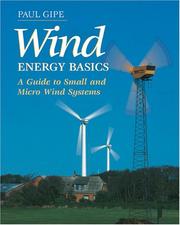
How to plan, buy, site and install a home or community wind-energy system.
Recommended by: Mohnish Pabrai
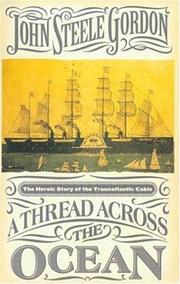
The history of laying the first telegraph cable across the Atlantic.
Recommended by: Paul Graham
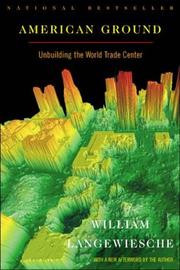
The people who cleared the World Trade Center site after the September 11 attacks.
Recommended by: Diana Kimball
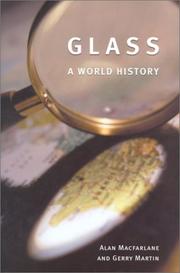
How glass changed how people see themselves and the world.
Recommended by: Nick Szabo
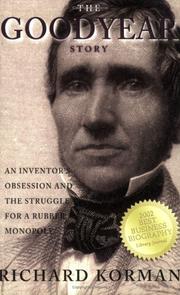
Charles Goodyear's obsession with rubber and the struggle for a rubber monopoly.
Recommended by: Mohnish Pabrai
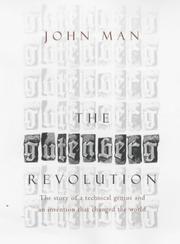
How Gutenberg's printing press changed science, literature and the shape of nations.
Recommended by: Antonio García Martínez
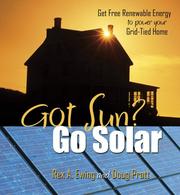
A plain guide to solar and wind power for homes connected to the grid.
Recommended by: Mohnish Pabrai
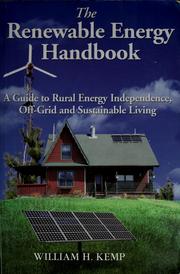
How to power a home with renewable energy and live off the grid.
Recommended by: Mohnish Pabrai
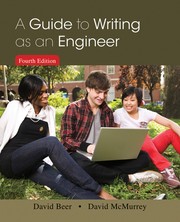
A guide to technical writing for engineers.
Recommended by: Bryant Chou
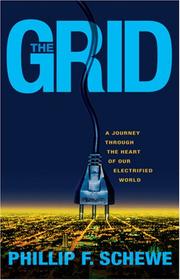
The history of the electrical grid, how it is used and misused, and its future.
Recommended by: Bill Gates
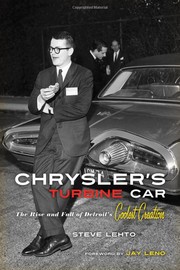
The fleet of jet-engine cars Chrysler built and lent to the public.
Recommended by: Mohnish Pabrai
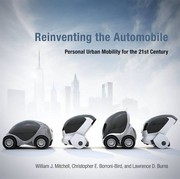
A new design for cars suited to personal mobility in modern cities.
Recommended by: Patrick Collison
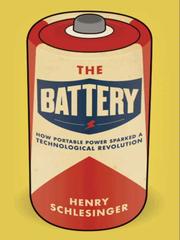
A popular history of the battery, from a twitching frog's leg to modern devices.
Recommended by: Mohnish Pabrai
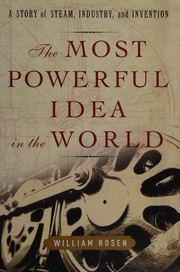
The men behind the steam engine, the machine that drove the Industrial Revolution.
Recommended by: Bill Gates, Mohnish Pabrai, Nick Szabo
A plan to remake America's energy innovation system for low-cost, low-carbon energy.
Recommended by: Bill Gates
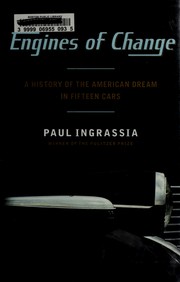
American history told through fifteen iconic car models.
Recommended by: Mohnish Pabrai
The rise of American industry in the decades before the Civil War.
Recommended by: Patrick Collison
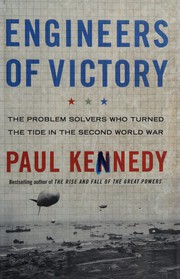
The problem solvers who turned the Second World War against the Nazis.
Recommended by: Mohnish Pabrai, Bill Gates
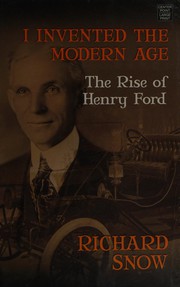
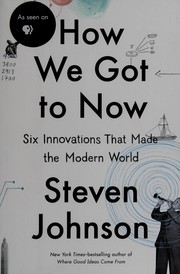
Six innovations, from refrigeration to clocks and lenses, that made modern life.
“I really enjoyed Steven Johnson's How We Got To Now. I read a lot of history and science books, but this book stood out because 1) the anecdotes were entertaining and relevant, and 2) it got the process of innovation right.” — Chris Dixon
Source: How We Got To Now — cdixon
Recommended by: Chris Dixon, Mohnish Pabrai
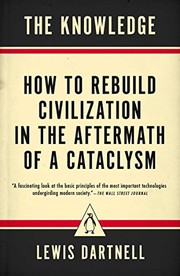
The knowledge survivors would need to rebuild technological society after a collapse.
Recommended by: Balaji S. Srinivasan, Patrick Collison
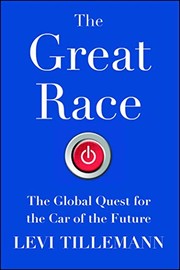
The century-long race among automakers to build the car of the future.
Recommended by: Mohnish Pabrai
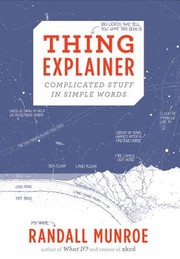
How things work, from microwaves to bridges, told in only common words.
“A great book by Randall Munroe (creator of xkcd, a very science-oriented webcomic.)” — Naval Ravikant
Source: Naval's Recommended Reading — The Almanack of Naval Ravikant
Recommended by: Bill Gates, Naval Ravikant
What really happened in the Chernobyl reactor disaster and the fight to contain it.
Recommended by: Brad Feld
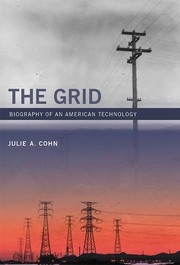
How the American power grid was interconnected and who controls it.
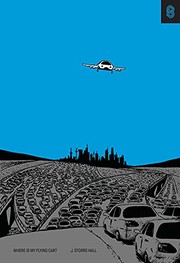
Why the flying cars of 1960s futurism never came, and what happened instead.
“Incredibly ambitious and specific. Says we’d have flying cars and nanotech today, and all power should be nuclear, if not for misguided regulations.” — Derek Sivers
Source: Derek Sivers book notes (primary, rated list) · Rating: 6/10
Recommended by: Balaji S. Srinivasan, Derek Sivers and 1 other
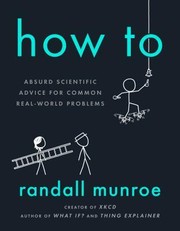
Absurdly complex scientific ways to do everyday tasks.
Recommended by: Bill Gates
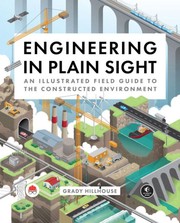
An illustrated field guide to the engineering of the built environment.
Recommended by: Bill Gates
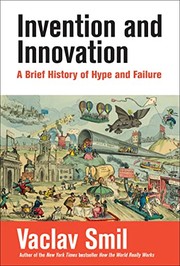
A history of human invention, and a corrective to the hype around innovation.
Recommended by: Bill Gates
How the Santa Fe and Burlington Northern railroads merged to create BNSF.
Recommended by: Mohnish Pabrai
 Vaclav Smilwrote 5 books here
 Chris Andersonwrote 1 book here
 Kevin Kellywrote 1 book here
 Mohnish Pabrairecommends 21 books here
 Bill Gatesrecommends 15 books here
 Patrick Collisonrecommends 15 books here
 Marc Andreessenrecommends 5 books here
 Paul Grahamrecommends 4 books here
 Balaji S. Srinivasanrecommends 3 books here
 Chris Dixonrecommends 2 books here
 Elon Muskrecommends 2 books here
 Jim Collinsrecommends 1 book here
 Brad Feldrecommends 1 book here
 John Doerrrecommends 1 book here
Show all 29
 Ryan Holidayrecommends 1 book here
 Alfred Linrecommends 1 book here
 Andrew Chenrecommends 1 book here
 Antonio García Martínezrecommends 1 book here
 Astro Tellerrecommends 1 book here
 Bryant Chourecommends 1 book here
 Casey Neistatrecommends 1 book here
 Derek Siversrecommends 1 book here
 Diana Kimballrecommends 1 book here
 Jack Marecommends 1 book here
 Larry Pagerecommends 1 book here
 Mark Zuckerbergrecommends 1 book here
 Mike Maples, Jr.recommends 1 book here
 Naval Ravikantrecommends 1 book here
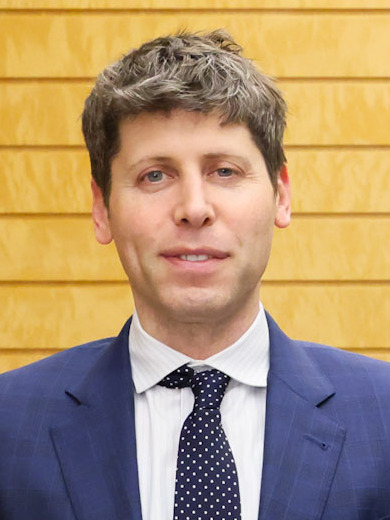 Sam Altmanrecommends 1 book here
 Tobi Lütkerecommends 1 book here