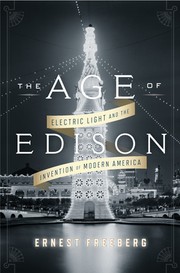
The Age of Edison
How Edison's electric light changed American life and marked a new age.
What electric light did to American life; the market Edison created.
Summary
The reference has not verified this book in detail; the summary states only what the title, author and subject establish.
Freeberg, a history professor at the University of Tennessee, argues that the most important invention of the late nineteenth century was Thomas Edison's incandescent light bulb, unveiled at his Menlo Park, New Jersey, laboratory in 1879. Americans felt they were watching the birth of a new age; electric light, more than any other invention, marked the arrival of modern life, and Edison became the mythic figure of the era.
Freeberg shows how far the light bulb changed the country. It broke the hold of the gas companies on lighting. It helped turn the United States from a rural into an urban society. As the electrical grid spread, it drew a sharp line between city and country and between rich and poor.
Key takeaways 4
- Edison's incandescent bulb of 1879 marked the arrival of modern life for many Americans.
- Electric light ended the gas companies' hold on lighting.
- Electrification helped move the United States from a rural to an urban society.
- The spread of the grid divided city from country and rich from poor.
Who should read it
Readers who want to see how a new technology created a market and changed a society, through the case of electric light.
Who recommended it 2 · 2 direct
Similar books 6
Chosen by shared topics, the entries that hold them, and the people who recommended both.
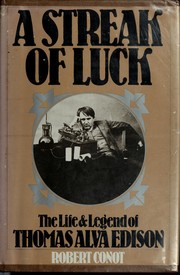
Edison's life drawn from his papers, unsparing about his finances.
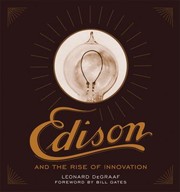
Edison's laboratory as a business, with pictures from his archive.
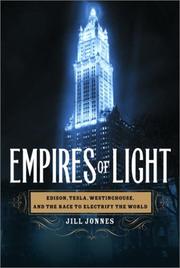
Edison, Westinghouse and Tesla, and the fight to electrify the United States.
“I mean, the airplane, the car, the photograph, the light bulb, for God's sake, this amazing book called Empires of Light.” — Chris Dixon
Recommended by: Chris Dixon
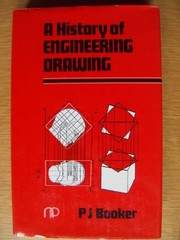
A history of mechanical and engineering drawing.
Recommended by: Patrick Collison
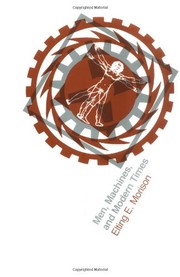
Nineteenth-century cases of technological change and how society reacted to it.
Recommended by: Patrick Collison, Marc Andreessen