Refactoring
A catalogue of moves that improve existing code without changing what it does.
Fowler catalogued the moves that make existing code better without changing its behavior. In an era where AI generates working-but-messy first drafts, refactoring is the core skill: not writing code from scratch, but reshaping what you have. The catalog of smells is a better prompt-debugging tool than most people realize.
Similar books 6
Chosen by shared topics, the entries that hold them, and the people who recommended both.
Software's enemy is complexity, which grows through shallow modules and shortcuts.
“Programming wisdom: modular design, keep APIs simple, how to avoid complexity, etc. Great insights from experience.” — Derek Sivers
Source: Derek Sivers book notes (primary, rated list) · Rating: 8/10
Recommended by: Derek Sivers
Rules for readable code: short functions, clear names, one level of abstraction.
Recommended by: Marc Andreessen
MIT's introductory computer science text, taught through Lisp and Scheme.
Recommended by: Bret Victor, Patrick Collison, Paul Graham and 1 other
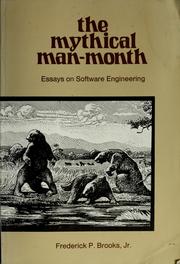
Lessons from IBM's OS/360: why adding people to a late software project slows it.
“Arguably the only classic book in our field. If you haven't read it, shame on you.” — Jeff Atwood
Source: Recommended Reading for Developers — Coding Horror
Recommended by: Jeff Atwood, Mohnish Pabrai, Paul Graham and 4 others
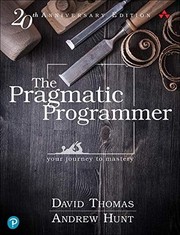
A programmer's craft: when code is good enough and what to automate.
“Classic book for computer programmers. I read it first in 2003 before I was taking book notes, so I read it again now to take notes. Great wisdom in here. Amazing to see how much of its advice was adopted as norms by Ruby on Rails.” — Derek Sivers
Source: Derek Sivers book notes (primary, rated list) · Rating: 6/10
Recommended by: Derek Sivers, Marc Andreessen

How open-source software is really made and maintained, often by a few people.
Recommended by: Balaji S. Srinivasan, Delian Asparouhov