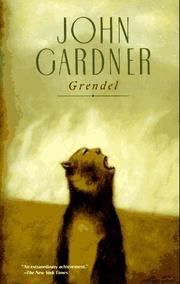
Grendel
Beowulf retold from the side of its monster, Grendel.
Summary
John Gardner's 1971 novel retells part of the Old English poem Beowulf from the point of view of its monster, Grendel, the first monster of English literature, who tells his own side of the story. Grendel appears as an antihero: he watches and learns about humans and fights the war at the centre of the epic. The novel explores the history of the characters before Beowulf arrives, and Beowulf himself plays a small part.
Its themes are the search for meaning in the world, the power of literature and myth, and the nature of good and evil. Gardner said he wanted to run through what he counted as about twelve main ideas of Western civilisation in the monster's voice, and that he used Grendel to represent the philosophical position of Jean-Paul Sartre, borrowing much from Being and Nothingness. William Gass called it "one of the finest of our contemporary fictions". The book has often been banned, has appeared with drawings of Grendel's head by Emil Antonucci, and was adapted as the 1981 animated film Grendel Grendel Grendel.
Key takeaways 4
- Gardner tells the Beowulf story through the monster's eyes.
- Grendel tests the main ideas of Western civilisation and finds them wanting.
- The novel engages directly with Sartre's existentialism.
- Stories and myths shape how people, and monsters, understand themselves.
Who should read it
Readers of literary fiction and students of Beowulf and existentialist philosophy.
Who recommended it 1
Similar books 6
Chosen by shared topics, the entries that hold them, and the people who recommended both.
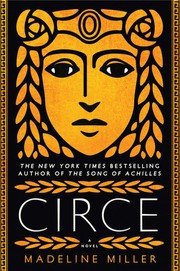
A novel retelling the life of Circe, the daughter of the sun god Helios.
Recommended by: Sophie Bakalar
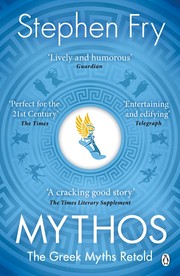
Greek myths retold, from Pandora's box to Prometheus's fire.
Recommended by: Sophie Bakalar
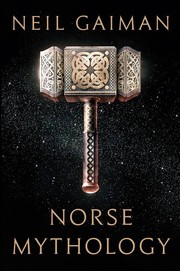
The Norse myths retold, with Odin and the other major gods of the northern pantheon.
Recommended by: Sophie Bakalar
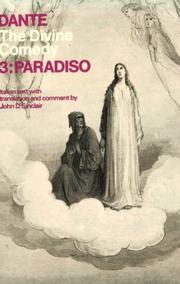
The poem's journey through Inferno, Purgatorio and Paradiso in one volume.
Recommended by: Jim Collins, Sophie Bakalar
A Victorian comedy of characters who use false identities to escape social duties.
Recommended by: Sophie Bakalar