Doctors, drugs and health care
Books on clinical practice and patients' experience, the drug and biotech industry, the opioid epidemic, and the cost and organisation of health care.
Start here
- The Emperor of All MaladiesSiddhartha Mukherjee, 2010
- Being MortalAtul Gawande, 2014
- Dopesick: Dealers, Doctors, and the Drug Company That Addicted AmericaBeth Macy, 2018
- Empire of Pain: The Secret History of the Sackler DynastyPatrick Radden Keefe, 2021
- Pain Killer: An Empire of Deceit and the Origin of America's Opioid EpidemicBarry Meier, 2003

A biography of cancer, by a physician and oncologist.
“I loved Mukherjee's 2015 TED Talk and his brilliant book about cancer, The Emperor of All Maladies, which won the Pulitzer Prize in 2011.” — Bill Gates
Source: My thoughts on 'The Gene: An Intimate History' — Gates Notes
Recommended by: Bill Gates, Andrew Chen, Laura R Walker and 1 other
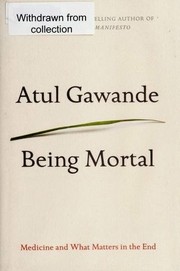
End-of-life and hospice care, and why medicine should aim at well-being.
Recommended by: Bill Gates, Mohnish Pabrai, Julie Zhuo
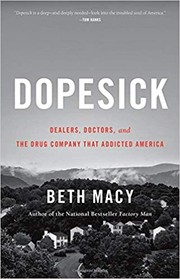
America's opioid crisis from OxyContin's 1996 launch through Central Appalachia.
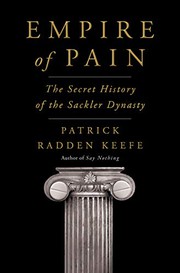
Three generations of the Sackler family and how Purdue Pharma sold OxyContin.
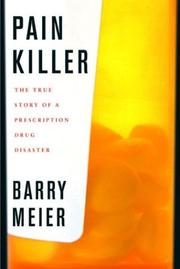
How OxyContin was marketed, and how its abuse spread across America.
How drug companies distort medical evidence, starting with unpublished trials.
Recommended by: Tim Ferriss
America's opiate epidemic, seen from the demand side of the OxyContin market.
Recommended by: Chris Sacca
How US healthcare became so costly and broken, and what patients can do.
Fraud in data and manufacturing at offshore generic-drug plants.
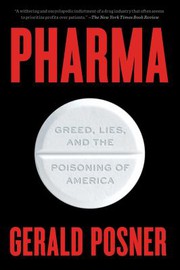
The US drug industry from patent medicines to the opioid epidemic and the Sacklers.

Johnson & Johnson's record on talc, opioids and Tylenol, reexamined.
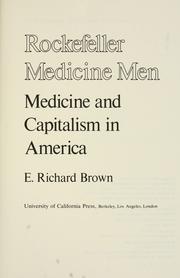
How Rockefeller philanthropy reshaped American medicine.
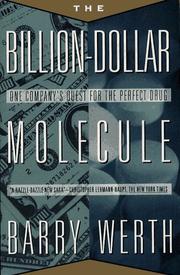
Inside Vertex's first years: how a new drug company tries to discover a drug.
Recommended by: Laura Deming
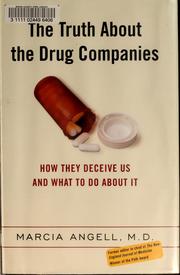
How drug companies turned from discovering drugs to marketing them.
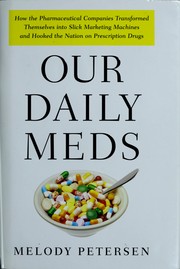
How drug makers became marketing machines, from Risperdal to off-label promotion.

How Genentech turned genetic engineering into a company, from its founders' accounts.
Recommended by: Laura Deming, Patrick Collison
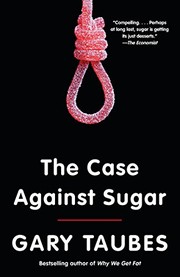
The case that sugar is the new tobacco: harmful, entrenched and backed by lobbies.
Recommended by: Vinod Khosla
How drug makers, regulators and distributors let the US opioid epidemic grow.
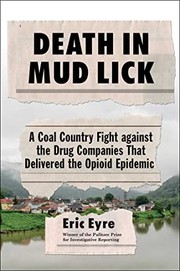
How a West Virginia town of 382 people got 12 million opioid pills in three years.
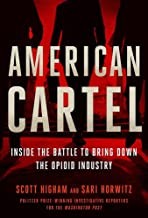
The drug distributors behind the opioid epidemic and the lawsuits against them.
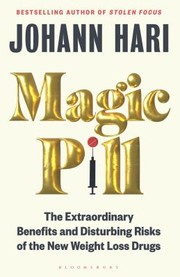
The GLP-1 drugs: their benefits, their risks and their effects on society.

A doctor's diary of the time after the atomic bomb fell on Hiroshima.
Recommended by: Nat Eliason
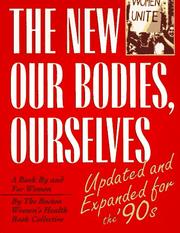
Women's roles and choices, with detailed treatment of women's health and hygiene.
Recommended by: Stewart Brand
How psychoactive drugs act on the brain, for general readers.
Recommended by: Patrick Collison
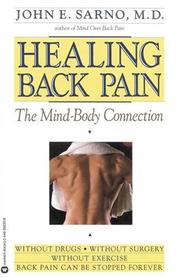
A physician's case that much back pain comes from stress and tension.
Recommended by: Tim Ferriss
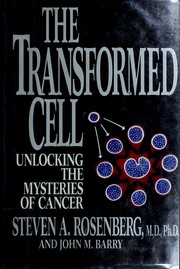
A surgeon's quest to turn the body's immune response against cancer.
Recommended by: Peter Attia
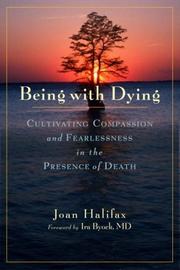
A Zen teacher on helping the dying and their carers face death with compassion.
Recommended by: Arianna Huffington

True cases showing the power and the limits of medicine as it is practised.
“Gawande, Atul, Complications: A Surgeon’s Notes on an Imperfect Science (New York: Picador, 2002)” — Michael Mauboussin
Source: Are You an Expert? Experts and Markets, page 10
Recommended by: Michael Mauboussin, Mohnish Pabrai and 1 other
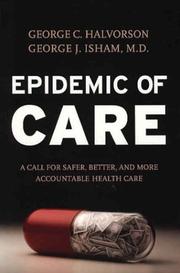
A primer on what drives American health care costs and how to curb them.
Recommended by: Mohnish Pabrai
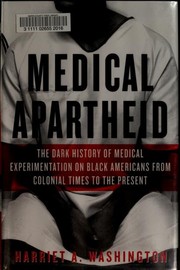
A history of medical experiments on Black Americans, from slavery to today.
Recommended by: Sophie Bakalar
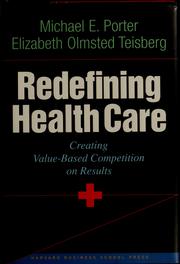
Why American health care competes on the wrong things, and value-based competition.
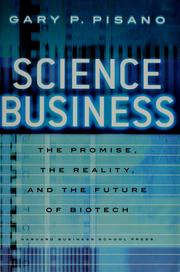
Why the biotechnology industry fell short of its promise.
“Pisano, Gary P., Science Business: The Promise, The Reality, and the Future of Biotech (Boston, MA: Harvard Business School Press, 2006)” — Michael Mauboussin
Source: Capital Allocation: Evidence, Analytical Methods, and Assessment Guidance, page 64
Recommended by: Michael Mauboussin, Bill Gates
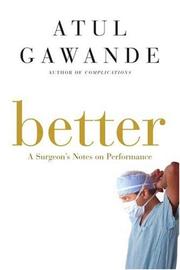
How doctors try to close the gap between their intentions and their performance.
Recommended by: Mohnish Pabrai, John Maeda
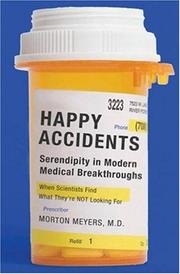
How chance led to penicillin, chemotherapy and other medical breakthroughs.
Recommended by: Mohnish Pabrai, Nat Eliason and 1 other
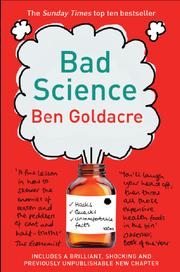
A doctor's exposé of bad science in medicine, the media and alternative cures.
“I think there's a book called Bad Science by Ben Goldacre, who's an MD from the UK. There are a number of chapters that are not relevant to US audience, but it's a helpful book for teaching yourself to think in a structured way, scientifically about medicine.” — Tim Ferriss
Source: The Tim Ferriss Show Transcripts: Dr. Andrew Huberman — Peptides, Performance, and Protocols (#876)
Recommended by: Tim Ferriss
Kaiser Permanente's chief executive on how American health care must be reformed.
Recommended by: Bill Gates
Stories of forgiveness, gratitude and courage from a hospice volunteer.
Recommended by: Arianna Huffington

How trivial-seeming questions lead to deeper insight into how science works.
Recommended by: Mohnish Pabrai, Bill Gates
Disruptive innovation applied to health care.
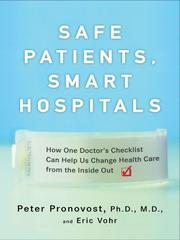
How a doctor's checklist can cut harm to patients in hospitals.
Recommended by: Mohnish Pabrai
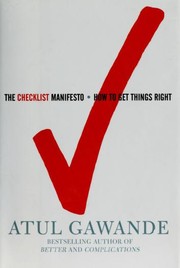
How checklists stop experts in complex fields failing to apply what they know.
“Like Malcom Gladwell, a book that could and should have been an article, but puffed up with 200 pages of supporting stories, mostly great detailed tales of his surgeon experiences where a checklist would have come in handy. Here's the book in one sentence: You should make checklists for any complex procedures or decisions.” — Derek Sivers
Source: Derek Sivers book notes (primary, rated list) · Rating: 3/10
Recommended by: Derek Sivers, Keith Rabois and 10 others

How Aravind Eye Hospital became the world's largest provider of eye care.
Recommended by: Mohnish Pabrai
A journalist's marriage, her husband's illness, and what fighting for his life cost.
Recommended by: Bill Gates
Why American health care is failing, and why expanding insurance will not fix it.
“David Goldhill, in his enlightening book Catastrophic Care, declared:” — Bill Gurley
Source: “Customer First” Healthcare
Recommended by: Bill Gurley, Jim Collins
The politics, financing and delivery of Singapore's healthcare over five decades.
Recommended by: Sahil Lavingia
How American health care and insurance reform works.
Recommended by: Bill Gates, Mohnish Pabrai, John Doerr
How the FDA became the world's most powerful regulator through its reputation.
Recommended by: Balaji S. Srinivasan
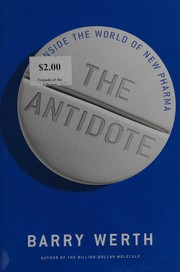
How Joshua Boger left Merck to found a drug company to take on the giants.
Recommended by: Laura Deming
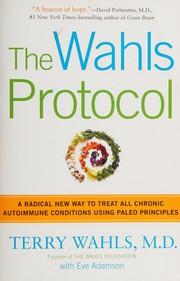
A doctor with multiple sclerosis on an integrative approach to autoimmune disease.
Recommended by: Kevin Rose
Recommended by: Richard Branson
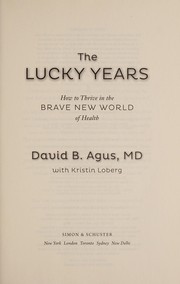
How new medicine replaces one-size-fits-all care with the latest science.
Recommended by: Arianna Huffington
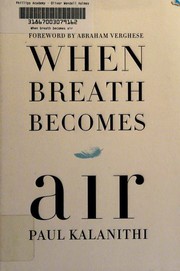
A neurosurgeon diagnosed with lung cancer at 36 asks what makes life worth living.
“Paul Kalanithi's book When Breath Becomes Air is one of the best books I've ever read.” — Brad Feld
Source: Book: When Breath Becomes Air — Feld Thoughts
Recommended by: Bill Gates, Brad Feld, Kathryn Minshew and 11 others
A palliative-care doctor's guide for patients and families facing serious illness.
Recommended by: Jake Knapp
Why conventional medicine fails against chronic disease, and an alternative.
Recommended by: Nat Eliason
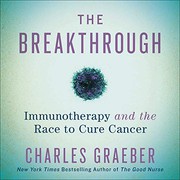
The scientists racing to make the immune system fight cancer: immunotherapy's story.
Recommended by: Vinod Khosla, Keith Rabois
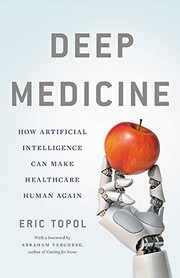
How artificial intelligence could give doctors back time for their patients.
Recommended by: Keith Rabois
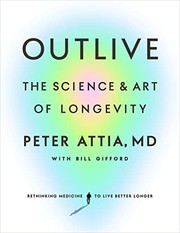
A doctor's manual for living longer: exercise, sleep, food and the diseases of aging.
“Expert advice on how to stay healthy into middle and old age. First half of the book was fluff for context. Second half was great specific advice. In short: exercise as much as an athlete.” — Derek Sivers
Source: Derek Sivers book notes (primary, rated list) · Rating: 7/10
Recommended by: Andrew Wilkinson, Derek Sivers and 2 others
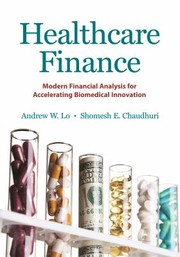
Financial engineering applied to funding biomedical research and drug development.
“Paper, September 2016. Lo, Andrew W., and Shomesh E. Chaudhuri, Healthcare Finance: Modern Financial Analysis for Accelerating Biomedical Innovation (Princeton, NJ: Princeton University Press, 2023)” — Michael Mauboussin
Source: Cost of Capital and Capital Allocation: Investment in the Era of "Easy Money", page 18
Recommended by: Michael Mauboussin
Health care from newborns to the elderly, in everyday language from 200 experts.
Recommended by: Stewart Brand
 Andrew W. Lowrote 1 book here
 Clayton Christensenwrote 1 book here
 Michael E. Porterwrote 1 book here
 Peter Attiawrote 1 book here
 Mohnish Pabrairecommends 12 books here
 Bill Gatesrecommends 10 books here
 Michael Mauboussinrecommends 4 books here
 Nat Eliasonrecommends 4 books here
 Patrick Collisonrecommends 4 books here
 Tim Ferrissrecommends 4 books here
 Arianna Huffingtonrecommends 3 books here
 Keith Raboisrecommends 3 books here
 Laura Demingrecommends 3 books here
 Derek Siversrecommends 2 books herePeter Attiarecommends 2 books here
 Stewart Brandrecommends 2 books here
Show all 48
 Vinod Khoslarecommends 2 books here
 Jim Collinsrecommends 1 book here
 Nassim Nicholas Talebrecommends 1 book here
 Brad Feldrecommends 1 book here
 John Doerrrecommends 1 book here
 Morgan Houselrecommends 1 book here
 William Ackmanrecommends 1 book here
 Andrew Chenrecommends 1 book here
 Anthony Pomplianorecommends 1 book here
 Balaji S. Srinivasanrecommends 1 book here
 Bill Gurleyrecommends 1 book here
 Chris Saccarecommends 1 book here
 George Hatzisrecommends 1 book here
 Jack Dorseyrecommends 1 book here
 Jake Knapprecommends 1 book here
 John Crowleyrecommends 1 book here
 John Maedarecommends 1 book here
 Julie Zhuorecommends 1 book here
 Kathryn Minshewrecommends 1 book here
 Kevin Roserecommends 1 book here
 Laura R Walkerrecommends 1 book here
 Maria Popovarecommends 1 book here
 Matt Mullenwegrecommends 1 book here
 Melinda Gatesrecommends 1 book here
 Nick Crockerrecommends 1 book here
 Ramit Sethirecommends 1 book here
 Richard Bransonrecommends 1 book here
 Terrance McArthurrecommends 1 book here