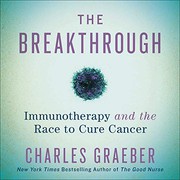
The Breakthrough
The scientists racing to make the immune system fight cancer: immunotherapy's story.
Summary
Charles Graeber, author of The Good Nurse, tells the story of cancer immunotherapy: the discovery of the tricks cancer uses to hide from the immune system, and the new treatments that free the immune system to fight the disease. The book took four years to write and appeared in 2018, the year the discoveries behind it won the Nobel Prize, in October.
For decades scientists puzzled over why the immune system does not recognise and fight cancer as it fights other diseases, such as the common cold. The answer lies in a series of tricks by which cancer switches off normal immune responses, tricks that scientists had only recently found and learned to defeat. Graeber presents the result as what many call cancer's "penicillin moment", a revolution in the understanding of cancer and how to beat it, and a turning point in humanity's relationship with the disease. The New York Times reviewed the book.
Key takeaways 4
- Cancer evades the immune system through specific molecular tricks.
- Blocking those tricks lets the immune system attack tumours.
- The discoveries behind immunotherapy won the 2018 Nobel Prize.
- Many researchers call immunotherapy cancer's penicillin moment.
Who should read it
General readers who want to understand cancer immunotherapy and the scientists behind it.
Who recommended it 2 · 1 direct
Similar books 6
Chosen by shared topics, the entries that hold them, and the people who recommended both.
How the human immune system works, and its part in health and longevity.
“Explains for the lay reader the intricate biology of our immune system.” — Vinod Khosla
Source: 2019 Book Recommendations — Vinod Khosla, Medium
Recommended by: Bill Gates, Vinod Khosla, Keith Rabois
How drug companies distort medical evidence, starting with unpublished trials.
Recommended by: Tim Ferriss
A doctor's exposé of bad science in medicine, the media and alternative cures.
“I think there's a book called Bad Science by Ben Goldacre, who's an MD from the UK. There are a number of chapters that are not relevant to US audience, but it's a helpful book for teaching yourself to think in a structured way, scientifically about medicine.” — Tim Ferriss
Source: The Tim Ferriss Show Transcripts: Dr. Andrew Huberman — Peptides, Performance, and Protocols (#876)
Recommended by: Tim Ferriss
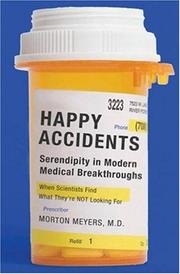
How chance led to penicillin, chemotherapy and other medical breakthroughs.
Recommended by: Mohnish Pabrai, Nat Eliason and 1 other
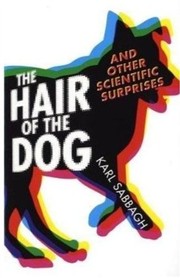
How trivial-seeming questions lead to deeper insight into how science works.
Recommended by: Mohnish Pabrai, Bill Gates