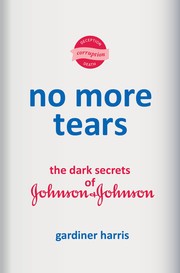
No More Tears: The Dark Secrets of Johnson & Johnson
Johnson & Johnson's record on talc, opioids and Tylenol, reexamined.
Talc, opioids and Tylenol reexamined by a former NYT reporter.
Summary
Harris, an investigative journalist, exposes Johnson & Johnson, one of America's oldest and most trusted drug companies and the largest healthcare conglomerate in the world. In 2004, early for a flight, he met a Johnson & Johnson sales representative at an airport bar whose story of unethical sales practices and their effect on her family changed how he covered the company and the drug industry for The New York Times. His investigations led to new federal laws and, years later, to his exposé.
Harris sets the company's image as the child-friendly baby company against evidence of decades of deceitful and dangerous practices. He covers lies and cover-ups over baby powder's link to cancer, the hidden dangers of Tylenol, a criminal campaign to sell dangerous antipsychotic drugs to children, a popular drug for cancer patients that raises the risk of tumour growth, and deceptive marketing that sped opioid addiction, which he says rivals that of the Sacklers and Purdue Pharma. He estimates that Johnson & Johnson's products have helped cause drug crises contributing to as many as two million deaths.
Key takeaways 4
- Johnson & Johnson's trusted image hid decades of dangerous corporate practices.
- The company covered up evidence linking its baby powder to cancer.
- It marketed antipsychotics to children and opioids deceptively.
- Harris links its products to drug crises contributing to up to two million deaths.
Who should read it
Investors in pharmaceuticals and consumer health who want a reported account of litigation and conduct risk at Johnson & Johnson.
Similar books 6
Chosen by shared topics, the entries that hold them, and the people who recommended both.
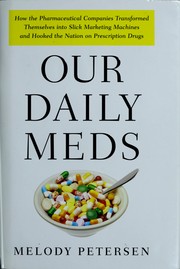
How drug makers became marketing machines, from Risperdal to off-label promotion.
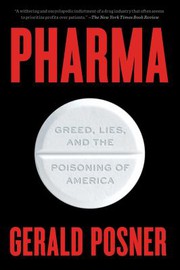
The US drug industry from patent medicines to the opioid epidemic and the Sacklers.
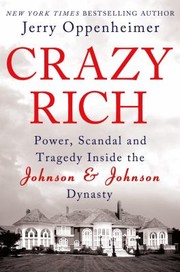
The scandals and tragedies of the family behind Johnson & Johnson.
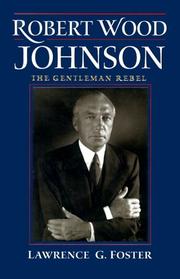
Robert Wood Johnson, who put public trust before profit, and the origin of the Credo.
The drug distributors behind the opioid epidemic and the lawsuits against them.
Three generations of the Sackler family and how Purdue Pharma sold OxyContin.