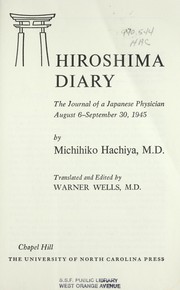
Hiroshima Diary
A doctor's diary of the time after the atomic bomb fell on Hiroshima.
Summary
Michihiko Hachiya, a doctor, was in charge of the Hiroshima Communications Hospital on the day the city became the target of the world's first atomic bomb. His duties amid the chaos of the ruined city were immense, yet he kept a daily record of what happened, written with compassion and tenderness, and that record is the diary printed here.
The University of North Carolina Press first published the diary in 1955. Warner Wells, a Chapel Hill doctor at the University of North Carolina and an adviser on surgery to the Atomic Bomb Casualty Commission, helped bring it out, and he and Hachiya became friends. A later edition adds a foreword in which John Dower considers why the diary still matters fifty years after the bombing. The publisher's descriptions consulted here say nothing about individual entries, so this summary does not describe them.
Key takeaways 4
- The director of a Hiroshima hospital recorded the aftermath of the bombing day by day.
- Hachiya kept writing while running a hospital in a ruined city.
- An American surgeon, Warner Wells, helped the University of North Carolina Press publish the diary in 1955.
- John Dower's foreword weighs the diary's importance fifty years on.
Who should read it
Readers of history who want a first-hand medical account of Hiroshima after the atomic bomb.
Who recommended it 1 · 1 direct
Similar books 6
Chosen by shared topics, the entries that hold them, and the people who recommended both.
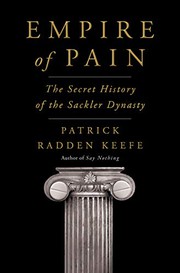
Three generations of the Sackler family and how Purdue Pharma sold OxyContin.
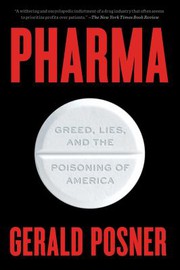
The US drug industry from patent medicines to the opioid epidemic and the Sacklers.
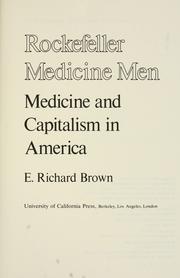
How Rockefeller philanthropy reshaped American medicine.
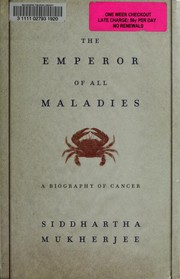
A biography of cancer, by a physician and oncologist.
“I loved Mukherjee's 2015 TED Talk and his brilliant book about cancer, The Emperor of All Maladies, which won the Pulitzer Prize in 2011.” — Bill Gates
Source: My thoughts on 'The Gene: An Intimate History' — Gates Notes
Recommended by: Bill Gates, Andrew Chen, Laura R Walker and 1 other
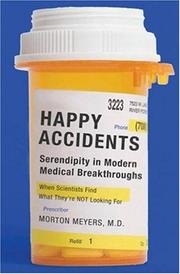
How chance led to penicillin, chemotherapy and other medical breakthroughs.
Recommended by: Mohnish Pabrai, Nat Eliason and 1 other
Where it sits in the reference 4
As an Amazon Associate I earn from qualifying purchases.