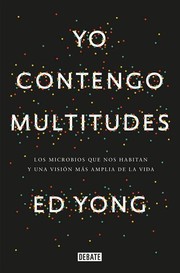
I Contain Multitudes
Why animals are best seen as hosts to millions of microbes.
Summary
Yong presents a microbe's-eye view of life: every animal, whether human, squid or wasp, is home to millions of bacteria and other microbes, and animals are better seen as interconnected, interdependent multitudes than as individuals. The microbes in our bodies are part of our immune systems and protect us from disease; in the deep oceans, creatures without mouths or guts depend on microbes for all their energy; bacteria give squid invisibility cloaks, help beetles bring down forests and let worms cause diseases that afflict millions.
Yong argues that microbes are not just germs to be eradicated: the microbiome builds bodies, protects health, shapes identities and grants abilities. He tours these microbial partnerships and introduces the scientists making the discoveries. It was published in 2016.
Key takeaways 4
- Every animal lives with millions of microbes that shape its body and health.
- The microbiome is part of the immune system rather than a threat to it.
- Some animals depend on microbes for their very ability to eat or survive.
- Treating all microbes as germs to be killed misunderstands biology.
Who should read it
Readers who want an engaging introduction to the science of the microbiome.
Who recommended it 2 · 2 direct
Similar books 6
Chosen by shared topics, the entries that hold them, and the people who recommended both.
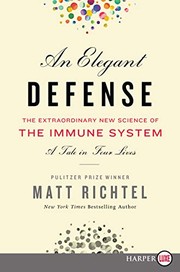
How the human immune system works, and its part in health and longevity.
“Explains for the lay reader the intricate biology of our immune system.” — Vinod Khosla
Source: 2019 Book Recommendations — Vinod Khosla, Medium
Recommended by: Bill Gates, Vinod Khosla, Keith Rabois
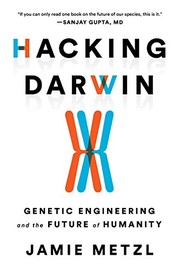
How genetic engineering will change human life, from sex to war, and the ethics.
Recommended by: Bill Gates
Essays on how far technology should be used to make better humans.
Recommended by: Patrick Collison
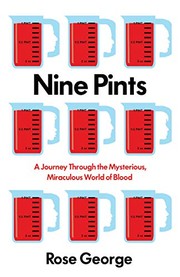
The science, myths and business of blood, from bloodletting to plasma sales.
Recommended by: Bill Gates
Christopher Murray and the Global Burden of Disease studies of how people die.
Recommended by: Bill Gates, Patrick Collison
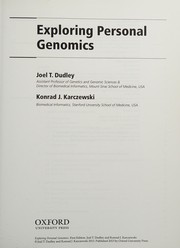
How to read a personal genome and what it says.
Recommended by: Balaji S. Srinivasan