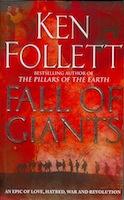
Fall of Giants
A historical novel of five families through the First World War.
Summary
Ken Follett's 2010 historical novel opens the Century Trilogy, which follows five interrelated families, American, German, Russian, English and Welsh, through the twentieth century; Winter of the World (2012) covers the Second World War and Edge of Eternity (2014) the Cold War. This first volume covers the First World War, the Russian Revolution and the struggle for women's suffrage. It begins in 1911 with thirteen-year-old Billy Williams going down the coal mine beneath the fictional Welsh town of Aberowen, which sits on land licensed by Earl Fitzherbert.
Fitz's guests at a party at his Aberowen estate include his liberal sister Lady Maud, who falls in love with Walter von Ulrich, a German nobleman and diplomat in London; Gus Dewar, an adviser to President Woodrow Wilson; Fitz's wife Bea, a Russian princess; and King George V. Billy's sister Ethel works as Fitz's housekeeper. Two Russian orphans, Grigori and Lev Peshkov, whose father was executed by Bea's family, see their plans to emigrate to America overtaken by war, conscription and revolution. The novel's theme is ordinary people throwing off the rule of landed aristocracies, especially in Britain and Russia.
Key takeaways 4
- Follett tells the history of the First World War through families of miners, aristocrats, diplomats and factory workers.
- The causes of the war, the fall of the Russian Empire and the suffrage campaign drive the plot.
- Ordinary people in Britain and Russia push against rule by the landed aristocracy.
- The novel is the first of three that carry the same families through the century.
Who should read it
Readers of long historical fiction who want the First World War and the Russian Revolution told through many lives.
Who recommended it 1 · 1 direct
Similar books 6
Chosen by shared topics, the entries that hold them, and the people who recommended both.
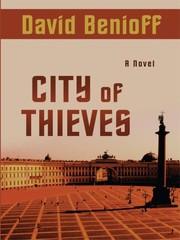
In besieged Leningrad, a looter and a deserter are given one chance to live.
Recommended by: Patrick Collison, Brian Koppelman
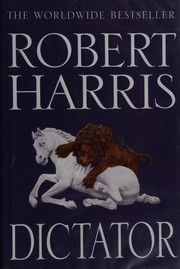
A historical novel of Cicero's ruin and exile as Caesar takes power.
Recommended by: Patrick Collison
A naval captain and his ship's surgeon begin their friendship in the Napoleonic wars.
Recommended by: Patrick Collison
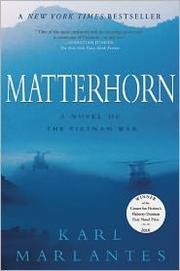
A war novel of a young Marine lieutenant and his comrades in Bravo Company.
Recommended by: Patrick Collison
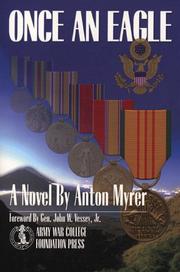
A career Army officer rises from private to general across America's wars.
Recommended by: Patrick Collison, Stanley McChrystal
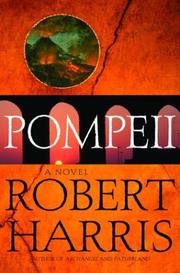
The eruption of Vesuvius in AD 79, seen by the engineer running the local aqueduct.
Recommended by: Patrick Collison