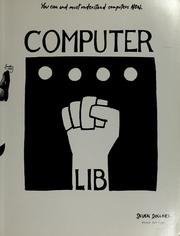
Computer Lib
The case that ordinary people can and must understand computers.
Summary
Nelson argues that ordinary people can and must understand computers, and that the people who run them keep everyone else ignorant. The book has two front covers. The Computer Lib half, subtitled "You can and must understand computers NOW", explains how computers work to lay readers and attacks "cybercrud", his word for forcing people to adapt to rigid, badly designed systems, and the centralised computing IBM sold at the time. The Dream Machines half describes what screens could do: hypertext and hypermedia, terms Nelson coined, used for creativity and education, and Project Xanadu, his planned network of linked documents reached from Xanadu stands.
Nelson self-published the book in 1974, paying 2,000 dollars for a first run of several hundred copies, just before the Altair 8800 kit appeared; Microsoft Press reissued it in 1987 with a foreword by Stewart Brand. The layout copies the Whole Earth Catalog and the People's Computer Company newsletter: small print on oversized pages, sidebars, comics and pull quotes. It also introduced "intertwingularity", stretchtext and chunk-style hypertext, the linked-page form most websites use.
Key takeaways 4
- Understanding computers means knowing how they work, not a passing familiarity with particular hardware and software.
- Systems that force people to adapt to rigid designs are a choice made by the people who build them.
- Text broken into linked chunks lets readers follow their own path through connected material.
- All subjects are connected, so information systems should let readers follow those connections.
Who should read it
Readers interested in where hypertext and personal computing came from, told by the man who named hypertext before the first personal computers shipped.
Who recommended it 1 · 1 direct
Similar books 6
Chosen by shared topics, the entries that hold them, and the people who recommended both.
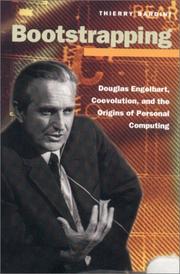
Douglas Engelbart and the origins of personal computing and its interfaces.
Recommended by: Patrick Collison

How computers would change business, management and society.
Recommended by: Patrick Collison
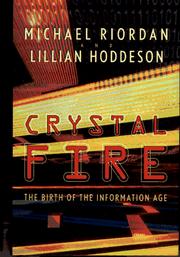
How the Bell Labs team of Shockley, Bardeen and Brattain invented the transistor.
Recommended by: Patrick Collison
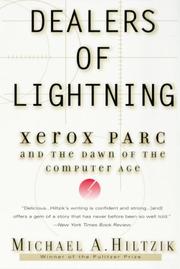
How Xerox PARC built the first personal computer and laser printer, and lost them.
Recommended by: Austen Allred, Patrick Collison, Sam Altman
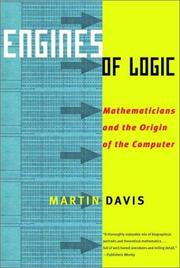
The mathematicians whose logic led to the computer.
Recommended by: Patrick Collison
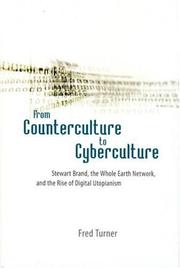
How computers went from tools of the Cold War to symbols of the counterculture.
Recommended by: Patrick Collison