Flying Across America
A history of commercial air travel in the United States.
Summary
Daniel L. Rust traces the history of commercial air travel in the United States from the first transcontinental flights of the 1920s, through the luxurious airline cabins of the 1960s, to the crowded and regimented flying of the years after 9/11. In the beginning a coast-to-coast trip took nearly forty-eight hours, with many stops and overnight legs by train.
Over time, faster aircraft, pressurised cabins, onboard amenities and stronger safety measures made flying more convenient and predictable, but they also cut passengers off, physically and psychologically, from the raw experience of flight. Before the 1980s Americans dressed in their best to fly and enjoyed good meals and ample space, which made flying glamorous and also expensive. Deregulation in 1978 cut costs and made air travel more tedious, and after 9/11 more regimented. Rust draws on firsthand accounts from celebrities such as Will Rogers and from ordinary passengers, with more than 100 illustrations including vintage brochures, posters and photographs.
Key takeaways 4
- Early coast-to-coast flights took two days and needed train connections.
- Technical progress made flying safer and easier but less exciting.
- Airline deregulation in 1978 made flying cheaper and less comfortable.
- Security after 9/11 turned air travel into a regimented routine.
Who should read it
Readers interested in aviation history and how air travel changed American life.
Who recommended it 1 · 1 direct
Similar books 6
Chosen by shared topics, the entries that hold them, and the people who recommended both.
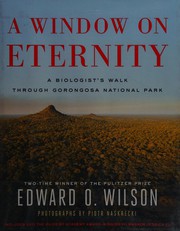
A biologist's walk through Gorongosa National Park, and why biodiversity matters.
Recommended by: Patrick Collison
A guide to backpacking trails in California's mountains, coast and desert.
Recommended by: Patrick Collison
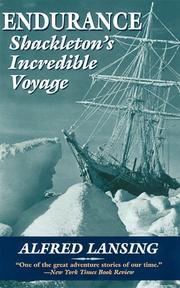
Shackleton's men survive after the ice crushes their ship Endurance in Antarctica.
Recommended by: Andrew Wilkinson, Jim Collins, Morgan Housel and 8 others
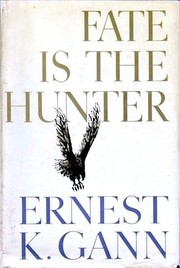
A pilot's memoir of the dangerous early days of commercial flying.
Recommended by: Patrick Collison, Larry Ellison
Fifty trips for private pilots, told in stories and photographs.
Recommended by: Patrick Collison