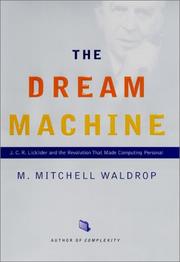
The Dream Machine
J.C.R. Licklider's vision of computers that serve individuals, and how it came true.
Licklider and the ARPA lineage that staffed and shaped PARC.
Summary
Waldrop tells the story of J. C. R. Licklider, a former MIT psychologist, and of the revolution that made computing personal. In 1962, more than a decade before personal computers came out of Silicon Valley garages and thirty years before the internet boom of the 1990s, computers were huge, intimidating machines in air-conditioned basements, processing punch cards for large institutions.
From an office in Robert McNamara's Pentagon, Licklider, then forty-seven, foresaw a future in which computers would serve individuals rather than force them into rigid conformity. He was almost alone in believing that computers could become more than fast calculators: new media of expression, aids to creativity and gateways to a vast store of online information. His idea was a symbiosis of human and computer, and he set out to use the Pentagon's money to make it real. Waldrop follows how that vision changed the course of computer science and led to the personal computer.
Key takeaways 4
- In 1962 Licklider pictured computers as personal tools rather than institutional machines.
- He used Pentagon research funding to pursue that vision.
- His idea of human-computer symbiosis shaped the research that produced the personal computer.
- Government funding of basic research seeded much of modern computing.
Who should read it
Readers who want the origins of personal computing and of the Pentagon-funded research culture behind it.
Who recommended it 2 · 1 direct
Similar books 6
Chosen by shared topics, the entries that hold them, and the people who recommended both.
How Licklider and Pentagon-funded engineers built the network behind the internet.
Recommended by: Patrick Collison, Chris Dixon and 1 other
How Xerox PARC built the first personal computer and laser printer, and lost them.
Recommended by: Austen Allred, Patrick Collison, Sam Altman
A history of the second decade of Xerox's Palo Alto Research Center.
Recommended by: Patrick Collison
How Xerox invented the personal computer and then ignored it.
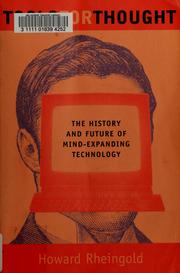
The idea of personal computing and the people who pursued it, up to PARC.
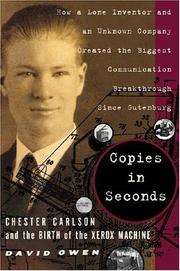
How Chester Carlson invented xerography and how it became the Xerox 914 copier.