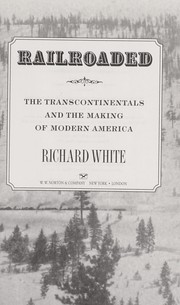
Railroaded
How the transcontinental railroads, the first corporate giants, reshaped America.
The transcontinentals as financially unsound political creations.
Summary
White writes a history of the transcontinental railroads and how they transformed America in the decades after the Civil War. He argues that they were the first corporate behemoths, and that their attempts to generate profits from proliferating debt set off devastating panics in the American economy. Their dependence on public largesse drew them into politics and created new forms of corruption, and their discriminatory freight rates provoked broad opposition and a new antimonopoly politics.
White also shows how the railroads rearranged space and time, remade the West and opened new kinds of work and ways of life. His central claim is that the triumphal myths around them, the golden spike, the larger-than-life robber barons and an innovative capitalism, do not survive the record. In their place he offers a history of the Gilded Age rooted in failure as well as success: a history, often darkly funny, of companies that were financially unsound political creations rather than models of efficient enterprise.
Key takeaways 4
- The transcontinental railroads depended on public subsidies and political influence rather than on market efficiency.
- Building on debt rather than profit made the railroads a source of financial panics.
- Discriminatory freight rates created the antimonopoly politics of the late nineteenth century.
- The heroic story of the robber barons hides a record of mismanagement and failure.
Who should read it
Investors in infrastructure and anyone weighing claims that a capital-heavy new industry will pay off, who want a history of one that largely did not.
Similar books 6
Chosen by shared topics, the entries that hold them, and the people who recommended both.
Why US railroads declined under regulation and recovered after the Staggers Act.
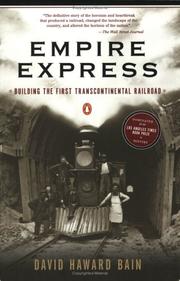
The building of America's first transcontinental railroad, from plan to completion.
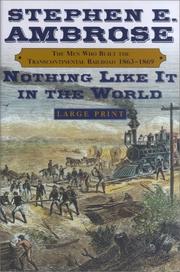
The investors, politicians and workers who built the transcontinental railroad.
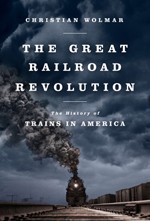
The history of the railways in the United States.
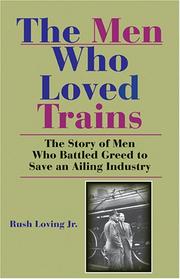
Conrail, deregulation and how US railroads returned to profit.

How Penn Central collapsed in 1970, then the largest US corporate failure.