Updates

  1. 137 new fund letters and reports, each with its own page: Kayne Anderson Rudnick (48 market briefings, KayneCast episodes and TV commentaries), Shelton Capital Management (48 shareholder reports and a commentary), Lakehouse Capital (10 Small Companies Fund letters), Smead (5 newsletters), RIT Capital Partners (5 monthly commentaries), Kovitz, Legal & General, Generation, Hosking, Marram, Munro, Oldfield and others.
  2. 200 new fund letters and reports, each with its own page: Spheria (41 monthly reports), Peapack Private (41 weekly recaps and planning newsletters), Fort Washington (23), Polen Capital (15), Aristotle Pacific (14), Riverwater (13), Chou (10), Apollo Asia Fund (8, back to 1998), Personal Asset Trust, Rockwood Strategic, J Capital Research, I/O Fund, Penn Davis McFarland, Pomona and others.
  3. Investor pages have one Investments tab with shares, changes, % owned, class, market cap and Market cap and Status filters, a Funds tab listing each fund the firm runs, and assets under management from Form ADV. The Investors table shows AUM and current investments, and its search finds investors by what they hold.
  4. Filters, search and sort stay as you left them when you come back to a section. Person cards look like book cards. Company pages name their Investors tab Ownership. Kind and Sector filters use four kinds and GICS sectors with industries. Dead links left the Links tabs.
  5. 190 more investors from fiscal.ai's list, with their sites, letters, partners and 13F holdings; 556 more partner descriptions. Experts now lists only people.
  6. Fund letters lists 144 new documents from 23 firms, each with its own page: a summary, key insights and quotes. Among them: 37 BlackRock articles, 21 Value Partners monthly notes, eight Baron Capital letters, six Stone Sentinel letters to partners, seven Value Line portfolio manager Q&As, BNY's 2026 earnings releases and Starboard Value's 2026 conference presentations.
  7. 584 more investors, with their websites, 6,776 letters from their own sites, 1,385 partners with pages and the 13F holdings of 213 firms. New letters arrive daily from 290 more archives.
  8. Media and Companies filter by GICS sector and industry group, taken from the companies an episode or page names. 1,860 more company pages show a logo, the SEC's list included.
  9. The home page counts what the platform holds and lists features such as the document reader, the player and saved marks. Settings sits at the foot of the rail. Book cards are a quarter wider, so rows hold fewer. Companies drops the Named in filter, and the Role list in your account runs A to Z.
  10. Investor pages of 13 firms show their newsroom's latest posts. New 13F filings are read as the SEC publishes them.
  11. Investor pages have an Investments tab: 13,975 holdings for 105 investors, from their 13F filings with the SEC and their own portfolio pages, with status and sector. 7,338 more companies have a page of their own.
  12. A podcast or YouTube episode keeps playing while you move around the site, in a bar with skip, speed and volume. Media tables show each episode's length and description.
  13. Press releases come from each company's own newsroom (167 companies); SEC filings sit on the Filings tab. Tickers name their exchange, and a company's Experts tab includes guests whose episode description names it.
  14. Letter types now include Market commentary, Fact sheet, Interim report, Annual report, Proxy circular and Governance document. The reader opens over the whole window.
  15. Partners of investment firms have 2,836 appearances and 580 pieces of writing on their pages; Derek Sivers's page lists every book he rates, with his rating.
  16. Fund letters lists three Akre Focus shareholder reports: the ETF's annual report for the year to July 2026, its semi-annual report to January 2026 and the fund's semi-annual report to January 2025, each with its own page: a summary, key insights and quotes.
  17. 837 partners of 73 investment firms now have their own pages, with title, description, photograph and social accounts; Andreessen Horowitz partners' pages also list their writing on a16z.com.
  18. Company pages have a Press releases tab: 8,229 releases for 203 companies, from SEC filings and company newsrooms. Companies filter by For-profit or Non-profit. Own media is a table with filters. Media filters by sector and industry. Publication pages link their publisher in the description.
  19. The Unilever page's Letters tab shows what each fund letter says about Unilever, word for word with its page, and whether the letter is bullish, bearish, mixed or neutral. Filter by sentiment, and see 10 letters at a time.
  20. 492 more fund letters and 3,183 more articles show the day they were published, read from each letter's first page or each article's own page.
  21. The PDF reader has a search box: type words to see every match in the document and step through them. About 540 letters that were web pages, among them Oakmark's commentaries, Bill Miller's letters and Howard Marks's memos, now open in the reader.
  22. Person pages: recommendations open with tier 1 books; one button per organisation; transcripts sit on their episodes; the books on 129 reading lists joined the Recommends tabs.
  23. Companies lists every company with a ticker on the SEC's list, with a Source filter. A quote on a company page opens the letter at that page with the words marked. A company's Media tab lists only episodes that name it, and a new Own media tab lists its podcasts, publications and YouTube channel. Show pages link their publisher. A page opened from a table no longer shows that table's filters beside it.
  24. Company, investor and person pages show more of their social accounts: Facebook, TikTok, Bluesky, Medium, GitHub, Discord and podcast shows. Investor pages list every partner the firm's own team page names: 965 people across 73 investors, 98 for Andreessen Horowitz.
  25. About 170 more letters and papers open in the reader: Mohnish Pabrai's letters and transcripts from his site's new folder, and free copies of papers by Asness, Harvey, Altman, Lo and others from their own or their schools' sites.
  26. Every company a fund letter names has a page, with the letters and quotes that name it: 47 new pages, among them Atom Computing, Hugging Face, Rolls-Royce Holdings and Westinghouse Electric. Company pages have a Quotes tab.
  27. A person's Writing tab has a Type column and filter (Article, Essay, Transcript, Speech, Foreword, Interview and the rest), and Publication names only the publication that published each piece.
  28. Fund letters opens on the newest published letter, and a letter or paper found by search opens its own page here instead of the publisher's site.
  29. A letter or paper with a copy on the site opens its PDF over its page, with a button to open it in a new tab. Select text to highlight or underline it; signed-in readers keep their marks in their account. Each quote opens the PDF at its page with its words marked, and a Source link leads to the publisher's original.
  30. Fund letters lists 61 more documents, each with its own page: Fairfax's 2025 and 2026 interim reports, proxy circulars and 2025 annual report (with their French editions), 26 Charlie Munger meeting transcripts, talks and essays, Third Point's 2026 monthly reports and Malibu Life's interim results, and a Seth Klarman interview. Papers adds Richard Thaler's two 2020 editorials on nudges.
  31. Fund letters lists Lux Capital's letters for Q2 and Q3 2026, by Josh Wolfe, each with its own page: a summary, key insights and quotes.
  32. Fund letters lists Brookfield's letter to shareholders for Q3 2026, by Bruce Flatt, with its own page: a summary, key insights and quotes.
  33. Fund letters lists Howard Marks's memo of 11 November 2026, A Layman Thinks About AI, with its own page: a summary, key insights and quotes.
  34. Fund letters lists 118 more letters, each with its own page: 44 weekly commentaries by Jeremy Siegel from 2026, 31 issues of Van Tharp's newsletter from 2018, 23 Pabrai Investment Funds letters from 2021 to Q3 2026, 13 Efficient Frontier essays by William Bernstein, Oakmark's three 3Q 2026 commentaries, two Lindsell Train reports, a John Hussman comment and Third Point's Q3 2026 letter.
  35. 2,027 more books carry a one-line description in the Books table and on their pages; 7,067 of 7,715 have one, every tier 1, 2 and 3 book among them.
  36. Fund letters lists 187 more letters from 19 firms, among them Permanent Equity, Social Capital, Lux Capital, Square Peg, Bestinver, Cobas, Sequoia Fund, Marketfield and EquityCompass; each shows on its investor's page and has a page of its own.
  37. 2,928 more books carry a one-line description in the Books table and on their pages, so every tier 1, 2 and 3 book has one; 5,040 in all.
  38. Every publication on Newsletters has its own page: its writing, its writers, its staff and who recommends it. Investor pages have a Management tab; a company's Experts tab now leaves out its own people, who list under Management. Tabs on a phone move sideways only.
  39. Every fund letter and research paper has its own page: the thesis, the PDF, the companies and books it names, and for 176 letters and 24 papers so far a summary, key insights and quotes with their page.
  40. 99 books that no page listed now sit under their topics in Books, among them Caste, American Prometheus and Pale Blue Dot.
  41. Newsletters lists every newspaper, magazine, investment newsletter, journal and blog the reference holds, 442 in all, with the people who write there. The search box keeps your last 20 searches. You can create an account.
  42. 283 books that fund managers recommend in their letters are on the shelf, each with the letter's own words and page; investor pages have a Recommends tab.
  43. Person, company, investor and show pages link their own accounts on X, Threads, Instagram, LinkedIn, YouTube and Substack: 275 people, 552 companies and organisations, 88 investors and 478 shows.
  44. 716 more book recommendations name their source: the person's own reading list, letter, blog post, speech or interview, or an article that reports it. 232 of them quote the person's own words about the book, on the book card and on the book's page.
  45. Every US-listed company has a page with its SEC filings. Company pages list their experts and their management, past and present. Fund managers sit under Investors. Each show has a page of its episodes, and an episode page names its guests and hosts. Biographies lists groups, then people. Breadcrumbs show where a page sits.
  46. Media lists every podcast episode, video, interview and talk, over 10,000, by person, company, publisher and event; each filter searches its own choices. Books opens on its table, then Browse, then Authors and Recommenders. A filter's count no longer covers its arrow.
  47. A book that no company, country or subject page lists shows its topics under Where it sits in the reference. On a phone, a page's tabs scroll sideways only. Descriptions read the same on every page. See them in the Experts tab lists every expert the page names.
  48. Every podcast episode, video and interview has its own page with a video or audio player and a link to the source. Investor pages show each company's sector and market cap; firms such as Berkshire Hathaway have one page that holds their letters and their company tabs. Letters tabs filter by company and search the theses. Companies filter by Public, Private and Defunct and link each company's website.
  49. Every tab, view and search has its own address, such as /books/table/asset or /letters/companies, so Back works and a link opens the same place. Page addresses no longer end in .html. Fund letters, Investors, Companies and Papers load about a fifth of the data they did.
  50. Fund letters has a Companies tab: every company the letters name, with its market cap, sector, country, and how many letters and investors name it. Investor pages link each investor's website. Lists in table cells end with “… and N more” at every width.
  51. 1,120 more book summaries; descriptions for 373 papers; pages for 137 more companies, each with the fund letters that discuss it; 215 official photographs; search has its own page.
  52. 411 more books have a summary; person pages list 930 more of the books they wrote; 147 people show their official photograph.
  53. Every investor has a page with its letters and the companies they discuss; company pages list the investors whose letters name them.
  54. A Companies section at the top of the rail lists every company the books, experts and fund letters name.
  55. Person pages list letters, writing, profiles and links as sortable tables with filters, and show each person's companies as links; Fund letters show each letter's description in its own column.
  56. Experts show a checked job title and a short description of each person; 30 more people have photographs.
  57. Every company, fund, university and publication the experts work for has a page listing the people there.
  58. Fund letters show each letter's thesis and filter by it; 225 person pages list the essays, columns and newsletter issues the person wrote.
  59. Person pages list every essay and newsletter issue a person wrote, and their own books as a table in List view.
  60. Recommends shows the five largest kinds of book and the rest under More; browse pictures load sooner.
  61. Podcasts and talks link the original episode, filter by Audio and video or Press, and list each publisher once.
  62. Pages are wider, Recommends has List and Grid, and a filter clicked again turns off.
  63. Book cards sit in a ruled grid with Open Library and Goodreads links and each book's one-line note.
  64. Funds is now Investors; each investor's styles are buttons that filter the table.
  65. Podcasts and talks on a person's page filter by year and publisher and show as a list or a grid of pictures.
  66. Quotes show only people's own words: 472 summaries written by list sites are gone.
  67. Country pages open from Browse again, and every link on the shelf lands on a page.
  68. Subject and person pages show their sections as tabs, and each book appears once on a person's page.
  69. Book cards show the quote, who said it and the source; grids show five cards to a row.
  70. On a phone, a menu holds the sections, search, Updates, Feedback and dark mode.
  71. Feedback takes a screenshot of the page with no browser prompt, opens a screenshot full size when you click it, and clears itself once sent.
  72. Book cards are centred, search names the topic each book sits in, and any text cut short shows whole on hover.
  73. Search groups its results by kind: people, companies, geographies, subjects, topics, books, funds, fund letters and papers.
  74. The Books table lists who recommended each book by name, and the browser tab names the section you are in.
  75. Feedback can take a screenshot of the page, or one you paste or choose, and opens in the corner beside Updates.
  76. Each rail button reopens its section where you left it, and Browse, Table and People show on every book and subject page.
  77. Filters grey out choices that hold nothing instead of hiding them, and Books › People filters by authors or recommenders.
  78. Feedback takes a subject line and up to three screenshots.
  79. Biographies are grouped by the person they are about: 41 new pages, from Abraham Lincoln to Lee Kuan Yew.
  80. Sport splits into 23 sports, and Religion into one topic per faith.
  81. Book lists show as cards: the cover, one recommendation quote and every recommender by name.
  82. Seventeen subjects that had two or three pages under different names now have one page each.
  83. Every page lists its Experts as authors and recommenders, with a link to them on the Experts tab.
  84. Economics, Financial history, Financial panics and Accounting are subjects of their own, with one page per financial crisis.
  85. Book, person and subject pages open inside the app, so the tabs stay in view.
  86. 996 more book covers, and photographs or logos for 227 more people and companies.
  87. Books › Browse shows every subject as cards, and the rail holds Fund letters, Papers, Experts, Books and Funds.
  88. Every topic over 150 books splits into narrower topics, each with a page of its own.

Send feedback

What is it?
Screenshots, up to 3 (optional)
or paste one with Ctrl+V

We use your email only to reply to you.

CS

Company stories and CEO memoirs

Insider accounts, chief executives' memoirs and case histories of particular companies such as GE, IBM, Southwest Airlines, the Detroit carmakers and McKinsey.

Start here

  1. Nuts! Southwest Airlines' Crazy Recipe for Business and Personal SuccessKevin Freiberg, Jackie Freiberg, 1996
  2. Plain Talk: Lessons from a Business MaverickKen Iverson, 1997
  3. The Big PictureEdward Jay Epstein, 2005
  4. Setting the TableDanny Meyer, 2006
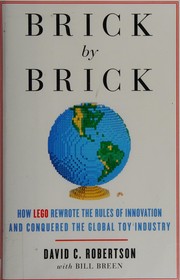
  5. Brick by BrickDavid Robertson, Bill Breen, 2013
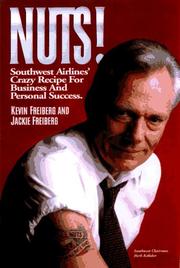
Kevin Freiberg, Jackie Freiberg · 1996

How Southwest Airlines built its low-cost model and its culture under Herb Kelleher.
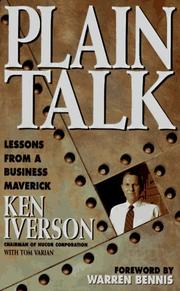
Ken Iverson · 1997

How Nucor became a steel giant with minimills, flat structure and incentive pay.

Recommended by: Francois Rochon, Jim Collins
Edward Jay Epstein · 2005

How Hollywood really makes money, mostly away from the box office.
Danny Meyer · 2006

Enlightened hospitality: put employees first, then guests, community and investors.

David Robertson, Bill Breen · 2013

How LEGO nearly failed from overexpansion and how it recovered.
Risto Siilasmaa · 2018

Nokia's chairman on selling the phone unit to Microsoft and buying Alcatel-Lucent.
John Newhouse · 1982

Why building a new airliner is a bet-the-company gamble for its maker.
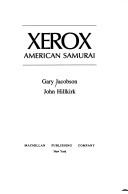
Gary Jacobson, John Hillkirk · 1986

How Xerox fought Japanese copier makers with a quality programme.
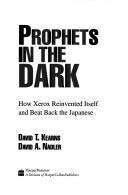
David T. Kearns, David A. Nadler · 1992

How Xerox fought back against Japanese copier makers, told by its chief executive.
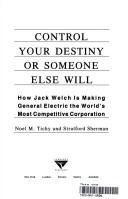
Noel M. Tichy, Stratford Sherman · 1993

Jack Welch's first decade remaking General Electric, written with the company's help.
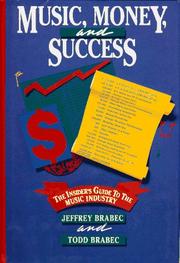
Jeffrey Brabec, Todd Brabec · 1994

A reference on how money moves in the music business: royalties and licensing.
Barbara Sturken Peterson, James Glab · 1994

The American airline industry's upheaval in the years after deregulation.
Thomas F. O'Boyle · 1998

The costs behind Jack Welch's profits at General Electric, reported at his peak.
Robert Slater · 1998

The management methods Jack Welch brought to General Electric, chapter by chapter.
Ethan M. Rasiel · 1999

How McKinsey consultants approach problems, described by a former associate.
Rigas Doganis · 2005

The standard text on airline economics and the industry's changes since the nineties.

Dan Steinbock · 2010

How Nokia expanded abroad and the model of global growth it offers.
Anders Dahlvig · 2011

How IKEA is managed and why it works, told by its chief executive of ten years.
John Rossman · 2014

Amazon's leadership principles, from the executive who launched its marketplace.
Jaeyong Song, Kyungmook Lee · 2014

The management system behind Samsung's transformation, from inside access.

Shigetaka Komori · 2015

How Fujifilm's chief executive moved the company beyond film as demand collapsed.
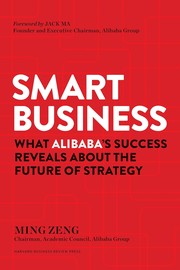
Ming Zeng · 2018

Alibaba's former strategy chief on network coordination and data as strategy.
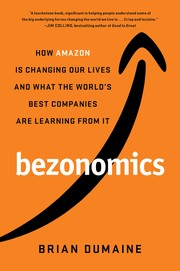
Brian Dumaine · 2020

Amazon's business model and its flywheel, from interviews with staff and rivals.
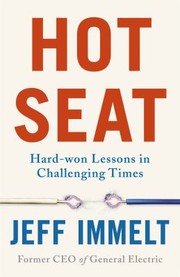
Jeff Immelt, Amy Wallace · 2021

General Electric's chief executive from 9/11 onward defends his sixteen years.
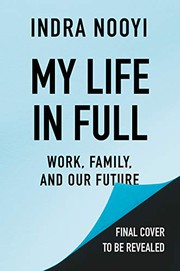
Indra Nooyi · 2021

PepsiCo's former chief executive on her career and on how to combine work and family.
David Gelles · 2022

How Jack Welch's General Electric spread a damaging model across American business.
Walt Bogdanich, Michael Forsythe · 2022

What McKinsey did for its clients and what followed, from internal documents.
John Brooks · 1969

Twelve New Yorker stories of business, from the Edsel's failure to the 1962 crash.

“Business Adventures remains the best business book I've ever read.” — Bill Gates

Source: Gates Notes review of Business Adventures

Recommended by: Bill Gates, Mohnish Pabrai, Patrick Collison and 1 other
Lee Iacocca · 1988

Plain talk on values, American business and economics, and family.

Recommended by: Mohnish Pabrai

Stephen J. Frangos, Steven J. Bennett · 1993

How Kodak's black and white film division was turned around.
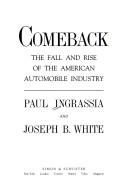
Paul Ingrassia · 1994

The decline and recovery of Detroit's carmakers, and the GM boardroom coup.

Recommended by: Mohnish Pabrai
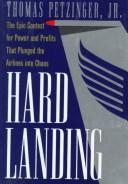
Thomas Petzinger · 1995

US airlines after 1978 deregulation through Crandall, Lorenzo and Kelleher.

Recommended by: Patrick Collison
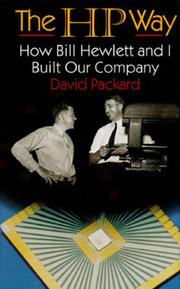
David Packard · 1995

How two Stanford friends founded Hewlett-Packard and the way they ran it.

Recommended by: Mohnish Pabrai
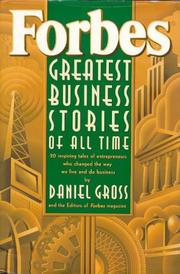
Daniel Gross · 1996

Case studies of the most successful entrepreneurs and businesses in history.

Recommended by: Mohnish Pabrai
Alan C. Greenberg · 1996

Short internal memos from Bear Stearns's chairman on costs and conduct.

Recommended by: Mohnish Pabrai, Jeff Bezos
John P. Kotter · 1997

Konosuke Matsushita's rise from childhood poverty to a great company, and how he led.

Recommended by: Mohnish Pabrai
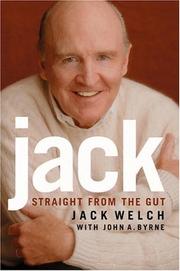
Jack Welch, John A. Byrne · 2001

Running General Electric from 1981 to 2001, as told on retiring.

“Last fall, Charlie and I read Jack Welch’s terrific book, Jack, Straight from the Gut (get a copy!).” — Warren Buffett

Source: Berkshire Hathaway Chairman’s Letter 2001, page 8

Recommended by: Mohnish Pabrai, Warren Buffett, Jamie Dimon
William T. Hogan · 2001

How POSCO, the Korean steelmaker, was built from nothing into a world producer.

Recommended by: Mohnish Pabrai
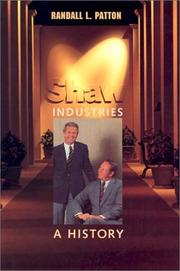
Randall L. Patton · 2002

The history of Shaw Industries, the world's largest carpet maker.

Recommended by: Mohnish Pabrai
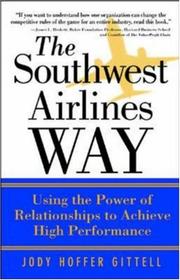
Jody Gittell · 2002

Why Southwest turns aircraft around faster: relational coordination among staff.

Recommended by: Ryan Peterson
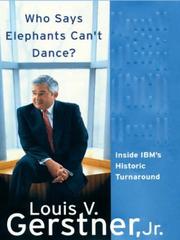
Louis V. Gerstner · 2002

How IBM was kept whole in 1993 and turned from hardware toward services.

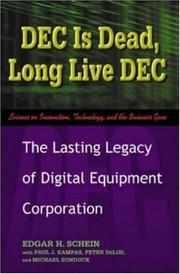
Edgar H. Schein · 2003

The forty-year story of Digital Equipment Corporation's rise, fall and legacy.

Recommended by: David Kadavy

John 19 U. Bacon · 2004

The story of the Walgreens drugstore chain and the American history around it.

Recommended by: Mohnish Pabrai
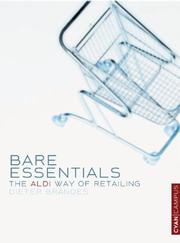
Dieter Brandes · 2004

Aldi's hard-discount method: radical simplicity as the way to keep costs low.
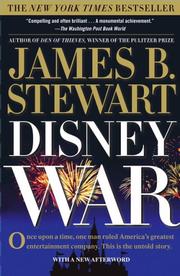
James B. Stewart · 2005

Michael Eisner's twenty years running Disney, from turnaround to shareholder revolt.

Recommended by: Kara Swisher
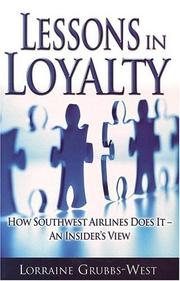
Lorraine Grubbs-West · 2005

How Southwest Airlines hires and keeps its people, by its former employment director.
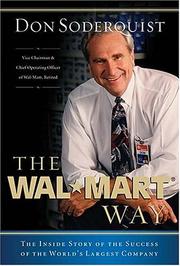
Don Soderquist · 2005

How Wal-Mart works, from its long-serving chief operating officer.

Recommended by: Mohnish Pabrai

Richard S. Tedlow · 2006

The life of Andy Grove, from Nazi-occupied Hungary to running Intel.

Joseph A. Michelli · 2006

Five principles behind Starbucks' customer experience, drawn by a consultant.

Robert J. Dewar · 2009

An eyewitness account of how Ford and the American car industry undid themselves.

Recommended by: Mohnish Pabrai
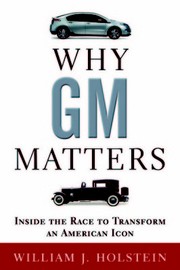
William J. Holstein · 2009

Inside General Motors on three continents as it tries to transform itself.

Recommended by: Mohnish Pabrai
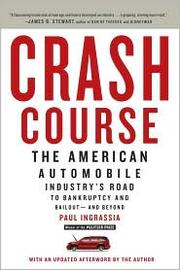
Paul Ingrassia · 2010

How Detroit fell from postwar dominance to the 2009 bankruptcies of GM and Chrysler.

Recommended by: Mohnish Pabrai

Ken Blanchard, Colleen Barrett · 2010

Southwest Airlines' management, in a dialogue with its long-serving president.

Alex Taylor, Mike Jackson · 2010

General Motors' decline and bankruptcy, seen by a long-time industry reporter.

Recommended by: Mohnish Pabrai
Michael Dunne · 2011

How General Motors succeeded in China: its people, decisions and breaks.

Recommended by: Mohnish Pabrai
Matthew McCleery · 2011

A novel of a fund manager who buys a ship and learns how shipping finance works.

Recommended by: Mohnish Pabrai
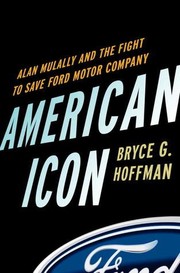
Bryce G. Hoffman · 2012

How Alan Mulally turned Ford around and saved it without bankruptcy.

Recommended by: Mohnish Pabrai
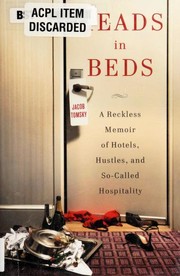
Jacob Tomsky · 2012

A decade working in hotels, from valet to front desk, and the hustles behind them.

Recommended by: Mohnish Pabrai
Ken Segall · 2012

Simplicity as Apple's operating principle, from the adman who worked with Jobs.

James E Bagnall · 2013

How corporate governance brought down Nortel Networks, the Canadian technology firm.

“You may understand why I say this if you read the recent book on Nortel’s bankruptcy ‘‘100 Days: The rush to judgment that killed Nortel’’, by James Bagnall.” — Prem Watsa

Source: Chairman's Letter to Shareholders 2013, page 6

Recommended by: Mohnish Pabrai, Prem Watsa
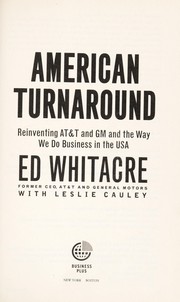
Edward Whitacre, Leslie Cauley · 2013

A chief executive's account of building AT&T and turning around General Motors.

Recommended by: Mohnish Pabrai

Duff McDonald · 2013

How McKinsey built the modern consulting partnership and its influence.

Recommended by: Andrew Chen
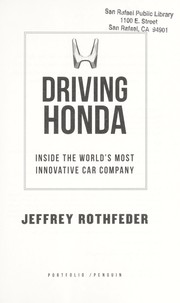
Jeffrey Rothfeder · 2014

Honda's decentralised engineering culture and how it differs from Toyota's.

Recommended by: Mohnish Pabrai
Eric Schmidt, Jonathan Rosenberg · 2014

How Google hired and managed smart creatives, people who can't be told what to do.

Barry Werth · 2014

How Joshua Boger left Merck to found a drug company to take on the giants.

Recommended by: Laura Deming
Craig Bouchard, James Koch · 2014

How Caterpillar went from losing a million dollars a day to strong performance.

Recommended by: Mohnish Pabrai
Vicki TenHaken · 2016

What Japanese companies that have lasted over a century have in common.

“Recently, I came across two books on long lived companies: ‘‘The Living Company, Habits for Survival in a Turbulent Business Environment’’ by Arie de Geus, and ‘‘Lessons from Century Club Companies, Managing for Long Term Success’’ by Vicki Tenhaken.” — Prem Watsa

Source: Chairman's Letter to Shareholders 2020, page 27

Recommended by: Prem Watsa
John Chambers · 2018

Lessons from a dyslexic boy from West Virginia who became a leading chief executive.

Recommended by: Safra Catz
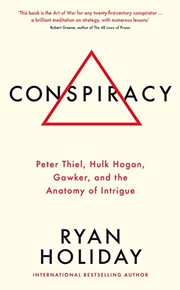
Ryan Holiday · 2018

How Peter Thiel secretly funded the lawsuits that destroyed Gawker Media.

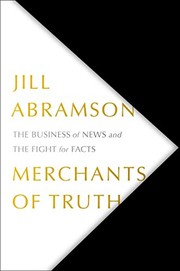
Jill Abramson · 2019

How the digital revolution upended newspapers and journalism.

Recommended by: Balaji S. Srinivasan
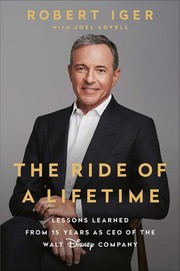
Robert Iger · 2019

Running Disney and buying Pixar, Marvel, Lucasfilm and Fox to add creative talent.

Jeffrey L. Rodengen

A commissioned history of Peter Kiewit Sons, the Omaha construction firm.

Recommended by: Mohnish Pabrai
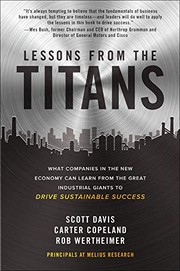
Scott Davis, Carter Copeland, Rob Wertheimer · 2020

What the records of Boeing, GE, Honeywell and Danaher teach about running a company.

Recommended by: Patrick O'Shaughnessy

Marvin Bower

McKinsey's history and principles, told by the partner who led it for 17 years.

Recommended by: Patrick Collison

D.L. Sokol

An energy chairman on business basics, cautious analysis and disciplined management.

Recommended by: Mohnish Pabrai

Andrew T Johnson · 2013

A case study and business analysis of Southwest Airlines.

Recommended by: Mohnish Pabrai
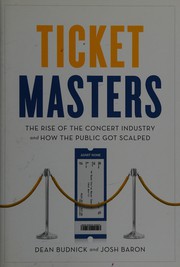
Dean Budnick, Josh Baron · 2011

How Ticketmaster, Live Nation and others built the concert ticket business.

Recommended by: Mohnish Pabrai
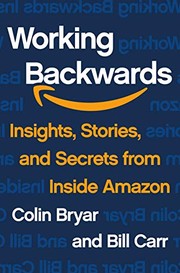
Colin Bryar, Bill Carr · 2021

Amazon's operating mechanisms, from leadership principles to the six-page memo.

Recommended by: Jeff Bezos

More management and organisational design