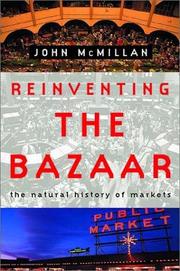
Reinventing the Bazaar: A Natural History of Markets
How markets work, how much they matter and how they can be designed better.
Summary
John McMillan, an economist, examines how markets work, how much they matter and how they can be improved, at a time when the stock market's swings, eBay's online auctions and the post-Communist economies had made them highly visible. The 2002 book was a New York Times Notable Book.
McMillan's examples range from a camel-trading fair in India to the Aalsmeer flower market in the Netherlands, which trades $20 million a day, to the global trade in AIDS drugs. He avoids ideology and argues that markets are neither magical nor immoral. They are powerful but imperfect tools, the best people have found for raising living standards, and they depend on institutions that have to be designed and maintained. The publisher describes the book as clear, insightful and non-dogmatic. The source read here gives the argument and examples but not the specific institutions McMillan discusses.
Key takeaways 4
- Markets are tools that need design, not natural forces that run themselves.
- Markets are neither magical nor immoral.
- Examples from camel fairs to flower auctions show how market rules matter.
- Well-built markets are the best known way to raise living standards.
Who should read it
Readers who want a balanced, example-driven account of how markets work.
Who recommended it 1 · 1 direct
Similar books 6
Chosen by shared topics, the entries that hold them, and the people who recommended both.
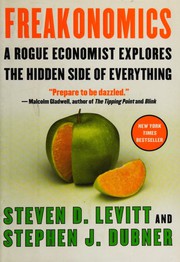
Incentives and data applied to cheating teachers, sumo wrestlers and other puzzles.
“Also, see the story of cheating in the Chicago Public School system in Steven D. Levitt and Stephen J. Dubner, Freakonomics: A Rogue Economist Explores the Hidden Side of Everything (New York: Harper Perennial, 2009), 23-35” — Michael Mauboussin
Source: Blaming the Rat: Incentives, Motivation, and How They Interact, page 14
Recommended by: Michael Mauboussin, Mohnish Pabrai and 7 others
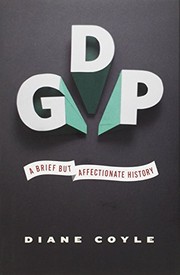
How GDP is measured, and why its figures can jump overnight.
Recommended by: Mohnish Pabrai, Patrick Collison
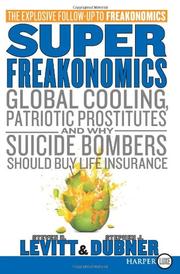
Data and incentives applied to climate, crime and altruism.
“I recommend this book to anyone who reads nonfiction. It is very well written and full of great insights.” — Bill Gates
Source: Gates Notes review of SuperFreakonomics
Recommended by: Bill Gates, Mohnish Pabrai
A novel in which two teachers argue for and against markets.
“there is a book called The Invisible Heart which explains basic economics to most people” — Joel Greenblatt
Source: Masters in Business transcript: Joel Greenblatt (2018)
Recommended by: Joel Greenblatt, Mohnish Pabrai
Economics applied to pirates: why they behaved as they did and why they succeeded.
Recommended by: Mohnish Pabrai
How the US economy really works, explained for lay readers without jargon.
Recommended by: Mohnish Pabrai