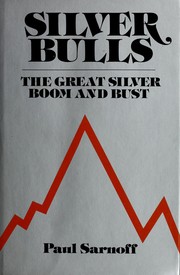
Silver Bulls
The silver boom and bust and the Hunt brothers of Dallas at its centre.
Contemporaneous account of the silver boom and bust.
Summary
Paul Sarnoff's book is a contemporaneous account of the silver boom and bust of 1979 and 1980, centred on the Hunt brothers of Dallas and their corporate allies, who by Sarnoff's count controlled about 192 million ounces of silver. He traces how the Comex board responded to the squeeze: on 7 January 1980 it adopted Silver Rule 7, which made any account with more than 100 contracts reportable and capped positions at 2,000 contracts, and two days later it cut the limit for the January and February contracts to 50 per account. Bona fide hedgers were exempt.
Sarnoff follows the unravelling on 27 March 1980, Silver Thursday, when a $100 million margin call at Bache, rumours that the Hunts could not meet it and Nelson Bunker Hunt's proposal for a silver-backed bond set off a collapse to $10.80 an ounce. He covers the $1.1 billion rescue loan arranged with Paul Volcker's involvement and Senator Proxmire's hearings. His argument is that the investigations examined only the longs, while the short sellers, some of them directors of the exchanges, escaped scrutiny.
Key takeaways 4
- Exchanges can change position limits in the middle of a squeeze, and the change can decide who wins.
- Hedger exemptions meant the new limits fell on speculators on the long side and not on commercial shorts.
- A large holder whose collateral is tied up in illiquid or restricted positions cannot meet a margin call when prices fall.
- Sarnoff argues that crowding on the short side of silver was as great as on the long side, yet only the longs were investigated.
Who should read it
Commodity traders and market historians who want a near-contemporary account of the Hunt silver episode that takes the side of the longs.
Similar books 6
Chosen by shared topics, the entries that hold them, and the people who recommended both.
The Hunt brothers' attempt to corner silver and its collapse in March 1980.
Six materials the world runs on, sand, salt, iron, copper, oil and lithium, traced.
Rare metals such as tantalum and rhodium, and why phones and weapons need them.
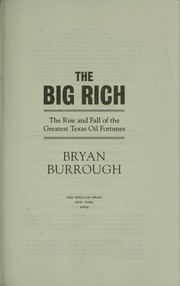
The rise and fall of the Texas oil fortunes, the Hunts among them.
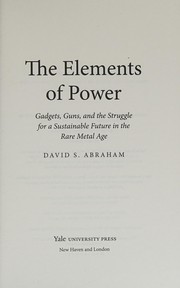
The supply chains of rare earths and other minor metals that technology needs.
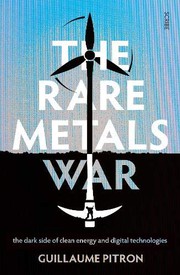
The rare metals behind green tech and devices, and China's hold on their supply.