
- Dominik Zane · Founder
- Pavel Serbajlo · Founder
- Matt Zakutny · Founder
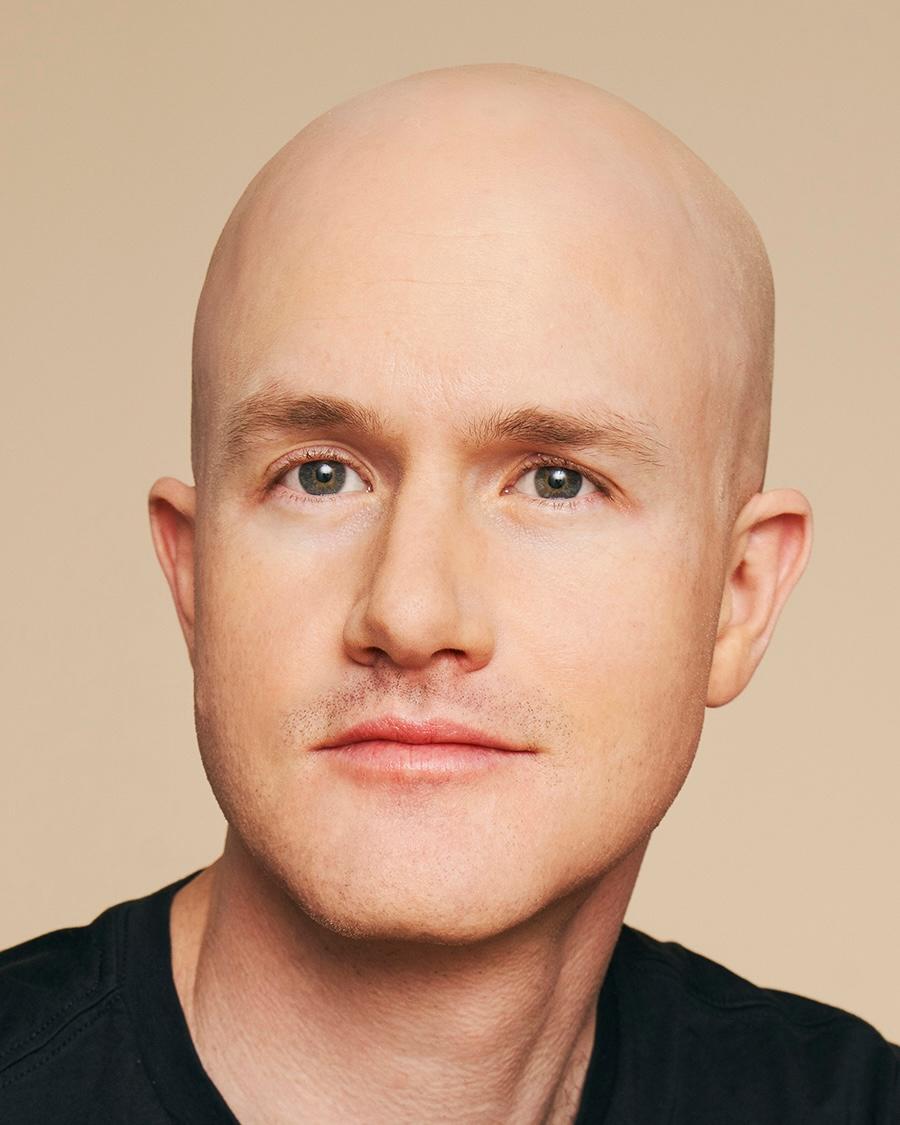 Brian Armstrongnamed it in 1 interview“Around 2010, while looking to get a job in Silicon Valley, he stumbled across an intriguing idea for a peer-to-peer digital currency called Bitcoin, which quickly turned into his obsession.” — Coinbase: Brian Armstrong (How I Built This with Guy Raz, 2021)
CW
Catriona Wallacenamed it in 1 interview“Around the Fire with Dr Arne Rubinstein & Dr Catriona Wallace” (The Rites of Passage Institute, 2020)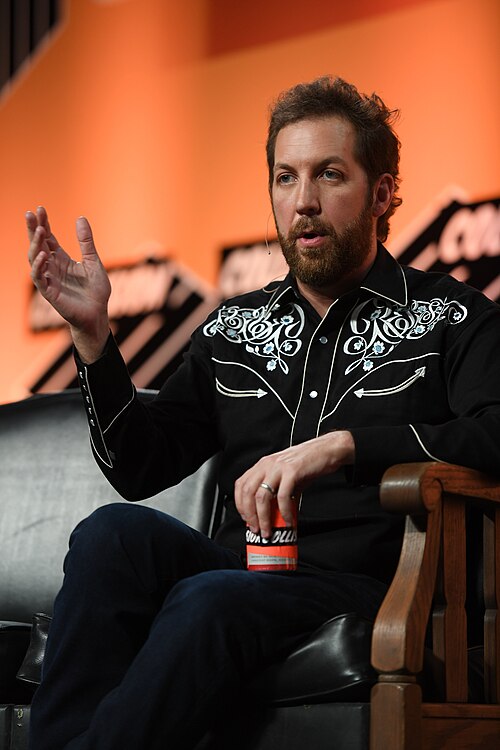 Chris Saccanamed it in 1 interview“Around that time, he was also a Guest Shark on Shark Tank.” — 32: Chris Sacca - Drifting Back to Real (Dialectic, 2025)
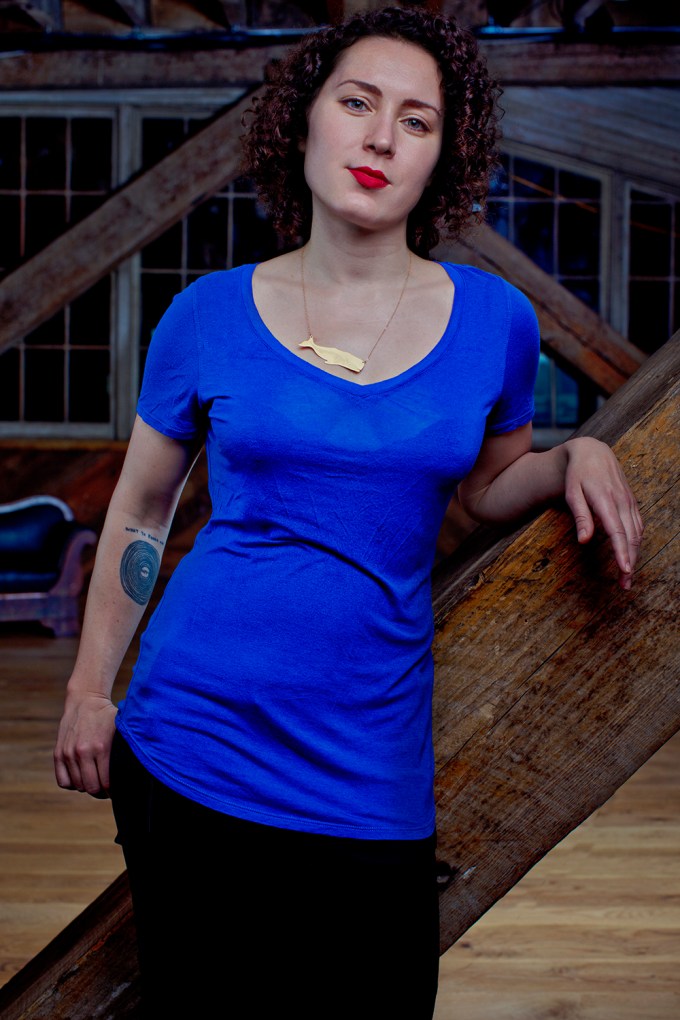 Maria Popovanamed it in 1 article
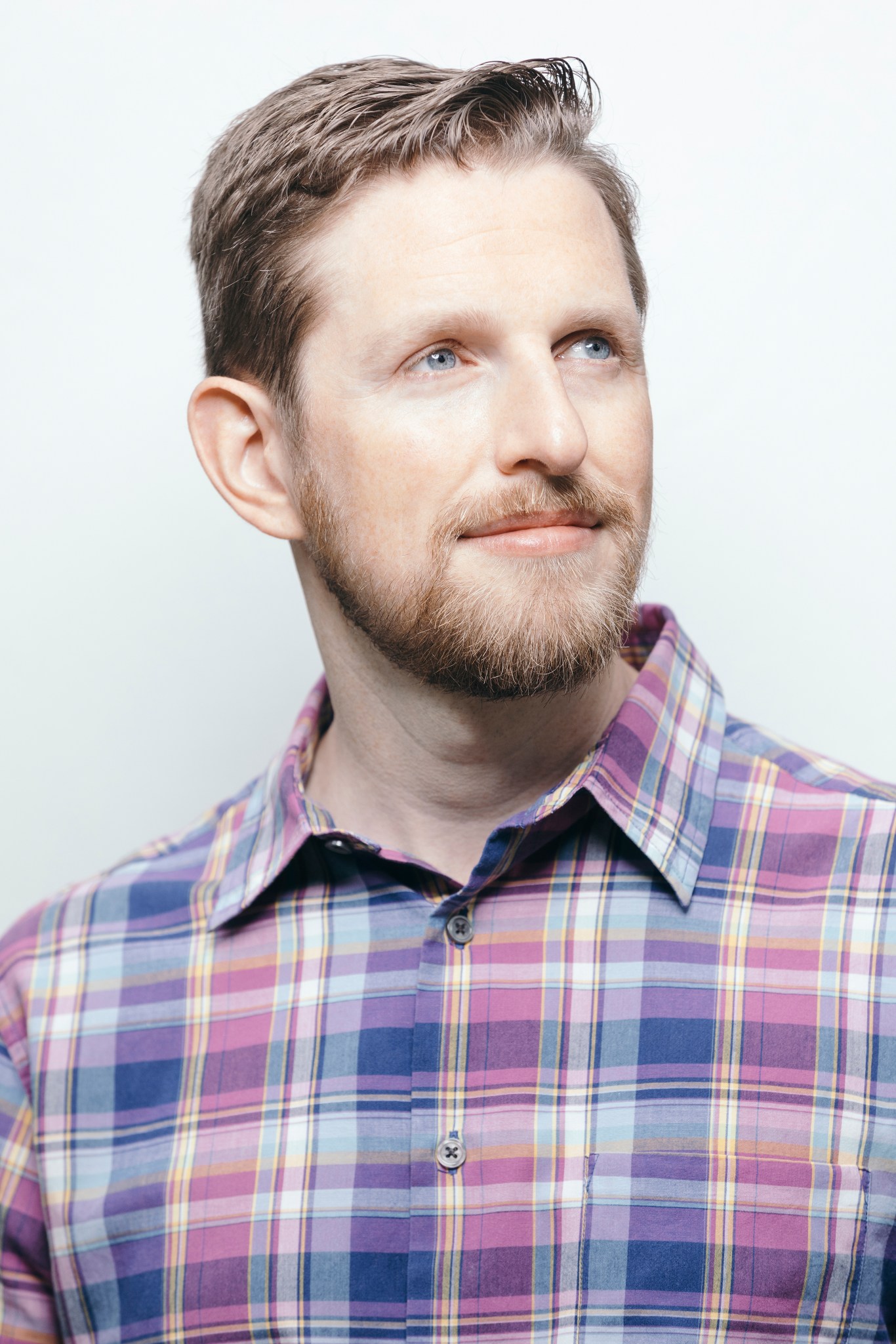 Matt Mullenwegnamed it in 1 interview“Around 2005, he pitched the idea for WordPress.com to his bosses at CNET, but they turned him down, so he launched the idea on his own, eventually tucking the service into a nascent umbrella company called Automattic.” — WordPress & Automattic: Matt Mullenweg (How I Built This with Guy Raz, 2022)
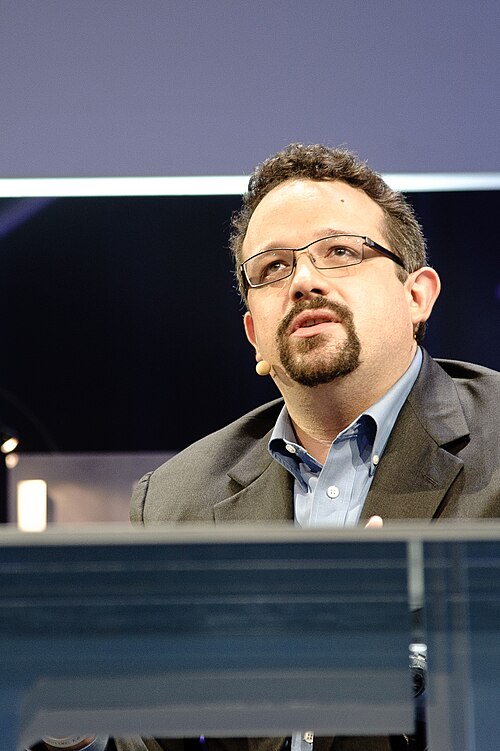 Phil Libinnamed it in 1 interview“Around 2007, Phil and his team got to thinking about building something like a cognitive prosthesis, a second brain — the note-taking app to conquer all.” — EP #215 - Phil Libin: From Evernote To All Turtles (Swisspreneur Show, 2022)
| 32: Chris Sacca - Drifting Back to Real | Chris Sacca | Dialectic | 2025-11-05 | 2:37 | Chris Sacca is an investor and founder of Lowercarbon Capital and Lowercase Capital . Prior to becoming an investor, Chris grew up in Buffalo, NY; studied around the world by way of the Georgetown School of Foreign Service; turned his student loans in $12M in the tech bubble of 2000 before losing it all and then some; and broke into Silicon Valley before eventually landing at Google, where he won the founders award. Then Chris started angel investing, which led to his first venture fund, Lowercase I. Lowercase I is one of if not the best performing VC funds ever, by multiple, at 214x, and included Twitter, Uber, Instagram, and more. Toward the end of Lowercase, I had the pleasure of working with Chris. Around that time, he was also a Guest Shark on Shark Tank. Chris was heavily involved in both Obama campaigns and was a large supporter of Hillary Clinton in 2016. When Trump won, he wound down new investing at Lowercase and "hung up his spurs" to focus on political and democracy related efforts. Then, in 2018, Chris started Lowercarbon Capital to invest in "un-f*cking the planet": carbon removal, climate science, cooling the planet, and eventually nuclear fusion. We talked about writing and storytelling, keeping people around who keep you honest, having a good taste in "weird," playing rigged games, taking the right kind of risks, and how even billionaires have imposter syndrome. |
| WordPress & Automattic: Matt Mullenweg | Matt Mullenweg | How I Built This with Guy Raz | 2022-03-21 | 1:22 | Matt Mullenweg turned his early passion for blogging into a flourishing business and an unshakeable idea: that users should be able to share and tweak the code that powers their websites, and that most of those tools should be free to use. As far back as college, Matt was collaborating with far-flung fellow-coders to make blogging less clunky and more elegant and intuitive. Around 2005, he pitched the idea for WordPress.com to his bosses at CNET, but they turned him down, so he launched the idea on his own, eventually tucking the service into a nascent umbrella company called Automattic. Today—after many twists and turns—the company has nearly 2000 employees and a valuation of $7 billion; and WordPress powers more than 40% of the websites on the internet. Learn more about your ad choices. Visit podcastchoices.com/adchoices |
| EP #215 - Phil Libin: From Evernote To All Turtles | Phil Libin | Swisspreneur Show | 2022-01-05 | 53 min | Timestamps: 1:04 - Dropping out of college 6:53 - Selling a company for $26M at 30 13:00 - Evernote in 2007 38:18 - The out-of-office world 40:40 - Choosing where to live About Phil Libin: Phil Libin is the co-founder and former CEO at Evernote , the world’s best known note-taking app. Prior to Evernote, he built Engine5 and CoreStreet . He holds a BA in Computer Science from Boston University, which he began in 1989 and only finished in 2019. He originally dropped out shortly before graduating. Phil did not originally plan to become an entrepreneur, but despite his ambitions of working a steady job for a large company, he just couldn’t commit to that sort of life and instead prefered to build companies with his friends. It was only 20 years into this career that it occurred to him entrepreneurship was a valid option. He sold his company Engine5 for $26M in January 2000, right before the dot com bubble burst. Phil was 30 years old at the time. 25% of the money earned by the founders was held in escrow for 2 years — which turned out to be a very good thing, because the remaining 75% they invested into companies which then very quickly went bust. Around 2007, Phil and his team got to thinking about building something like a cognitive prosthesis, a second brain — the note-taking app to conquer all. Their research led them to a California team of scientists working on a very similar product, and they decided to combine the teams. |
| Coinbase: Brian Armstrong | Brian Armstrong | How I Built This with Guy Raz | 2021-11-15 | 1:27 | Brian Armstrong wanted to be a tech entrepreneur since he was in high school, but his first serious venture—a tutoring website—never quite took off. Around 2010, while looking to get a job in Silicon Valley, he stumbled across an intriguing idea for a peer-to-peer digital currency called Bitcoin, which quickly turned into his obsession. Brian's initial prototype for a hosted Bitcoin wallet got him accepted into the prestigious Y Combinator program, and he launched Coinbase soon thereafter. Many experts warned that cryptocurrency was no more reliable than Monopoly money, but the startup prevailed, surviving wild swings in the crypto market and steadily building a user base. Today, Coinbase is one of the largest cryptocurrency exchanges in the world, with 7.4 million monthly users, 2,700 employees and over 80 cryptocurrencies traded on its platform. Learn more about your ad choices. Visit podcastchoices.com/adchoices |
| Around the Fire with Dr Arne Rubinstein & Dr Catriona Wallace | Catriona Wallace | The Rites of Passage Institute |
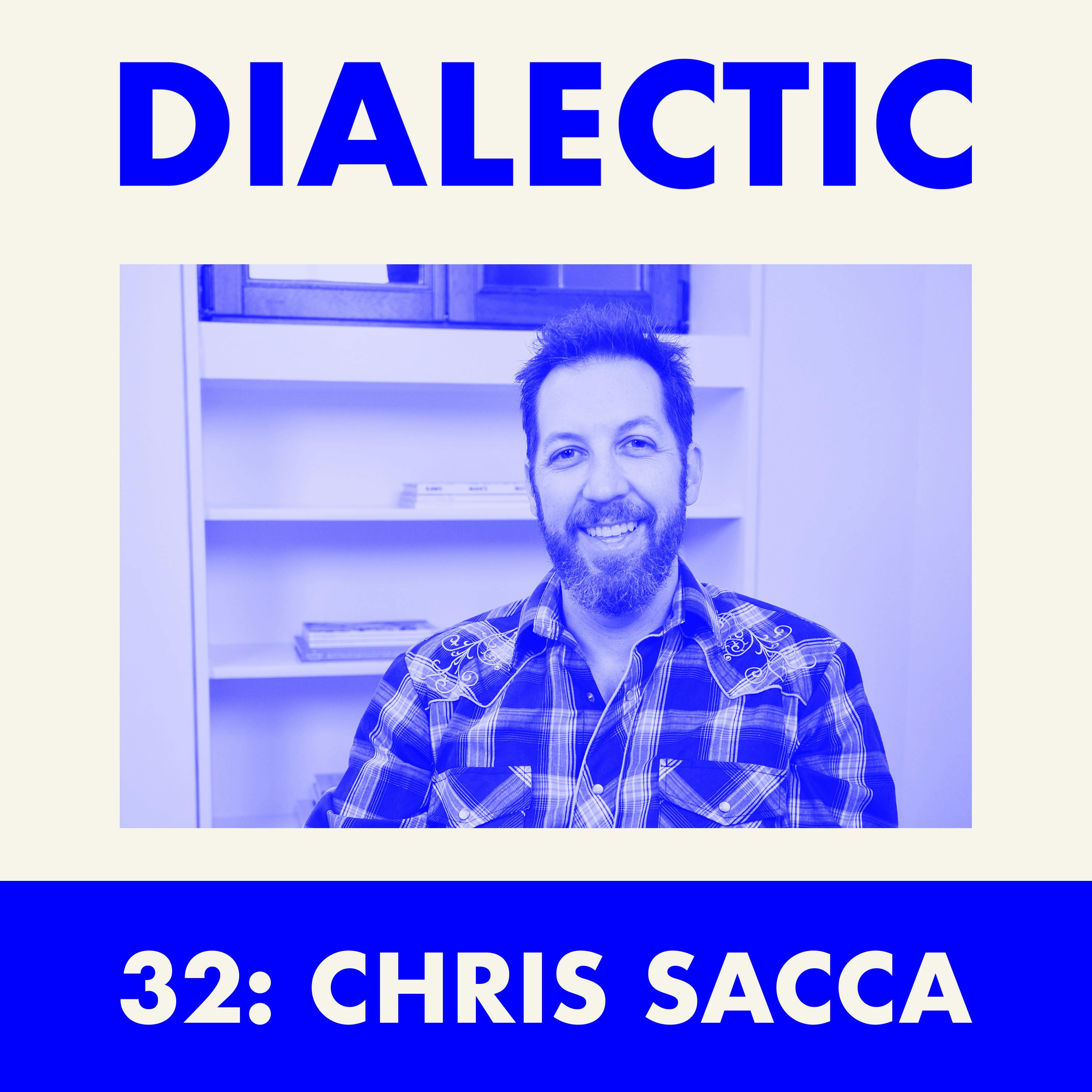 D32: Chris Sacca - Drifting Back to RealDialectic · 2025-11-05
 HWordPress & Automattic: Matt MullenwegHow I Built This with Guy Raz · 2022-03-21
 SEP #215 - Phil Libin: From Evernote To All TurtlesSwisspreneur Show · 2022-01-05
 HCoinbase: Brian ArmstrongHow I Built This with Guy Raz · 2021-11-15
 TAround the Fire with Dr Arne Rubinstein & Dr Catriona WallaceThe Rites of Passage Institute