
MH
Mamoon Hamidnamed it in 3 interviews“Mamoon has backed category-defining companies, including Slack, Figma, Box, Yammer, Glean, Intercom, and more, and now serves as a partner stewarding one of Silicon Valley’s most historic venture firms.” — #37: AI, Venture Capital, Faith & The Future of Work with Mamoon Hamid (Kleiner Perkins) (Divot, 2026)JF
Jason Friednamed it in 2 interviews“Jason is also the co-author of the widely acclaimed, ReWork and has also made several angel investments in the likes of Intercom, Gumroad and Hodinkee to name a few.” — 20VC: Why Financial Planning and Goals Do Not Work, The Decision to Ban Politics in the Workplace and Losing 1/3 of the Team Overnight & The One Question That Will Drive All Decision-Making for Leaders with Jason Fried, CEO @ 37Signals (The Twenty Minute VC (20VC): Venture Capital | Startup Funding | The Pitch, 2023)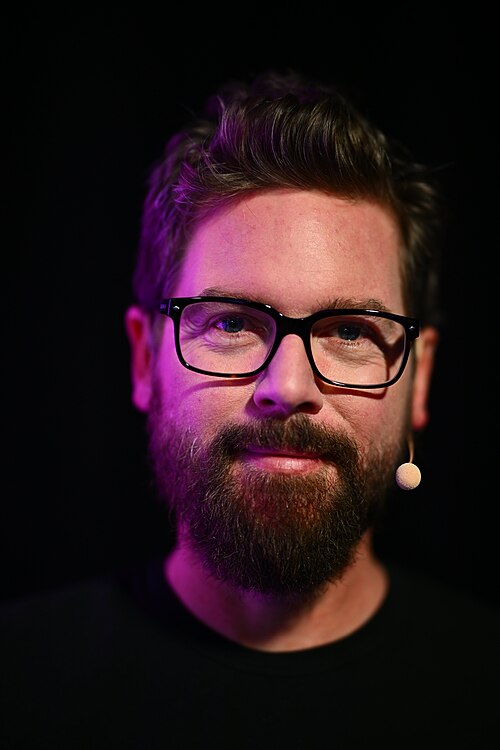 Biz Stonenamed it in 1 interview“Biz is also an investor in the likes of Slack, Square, Intercom, Beyond Meat and Blue Bottle Coffee.” — 20VC: Twitter Co-Founder Biz Stone on The 3 Stages of Wealth, The Return To Twitter in 2017 and the Associated Missions and Challenges & Why Silicon Valley is not an "Insiders Only" Universe? (The Twenty Minute VC (20VC): Venture Capital | Startup Funding | The Pitch, 2021)
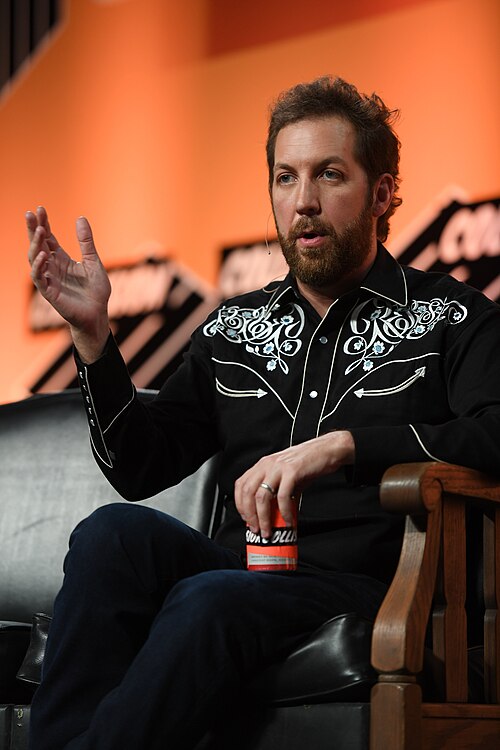 Chris Saccanamed it in 1 interview“Social's portfolio includes the likes of Slack, Yammer, Front, Intercom and Carta to name a few.” — 20VC: Chris Sacca, Chamath Palihapitiya, Gary Vee, Brad Gerstner and more on Their Relationship To Money, How It Has Changed with Time and Wealth, How They Bring Up Their Children To Engender the Same Values of Ambition and Hard Work? (The Twenty Minute VC (20VC): Venture Capital | Startup Funding | The Pitch, 2022)
MG
Mario Gabrielenamed it in 1 article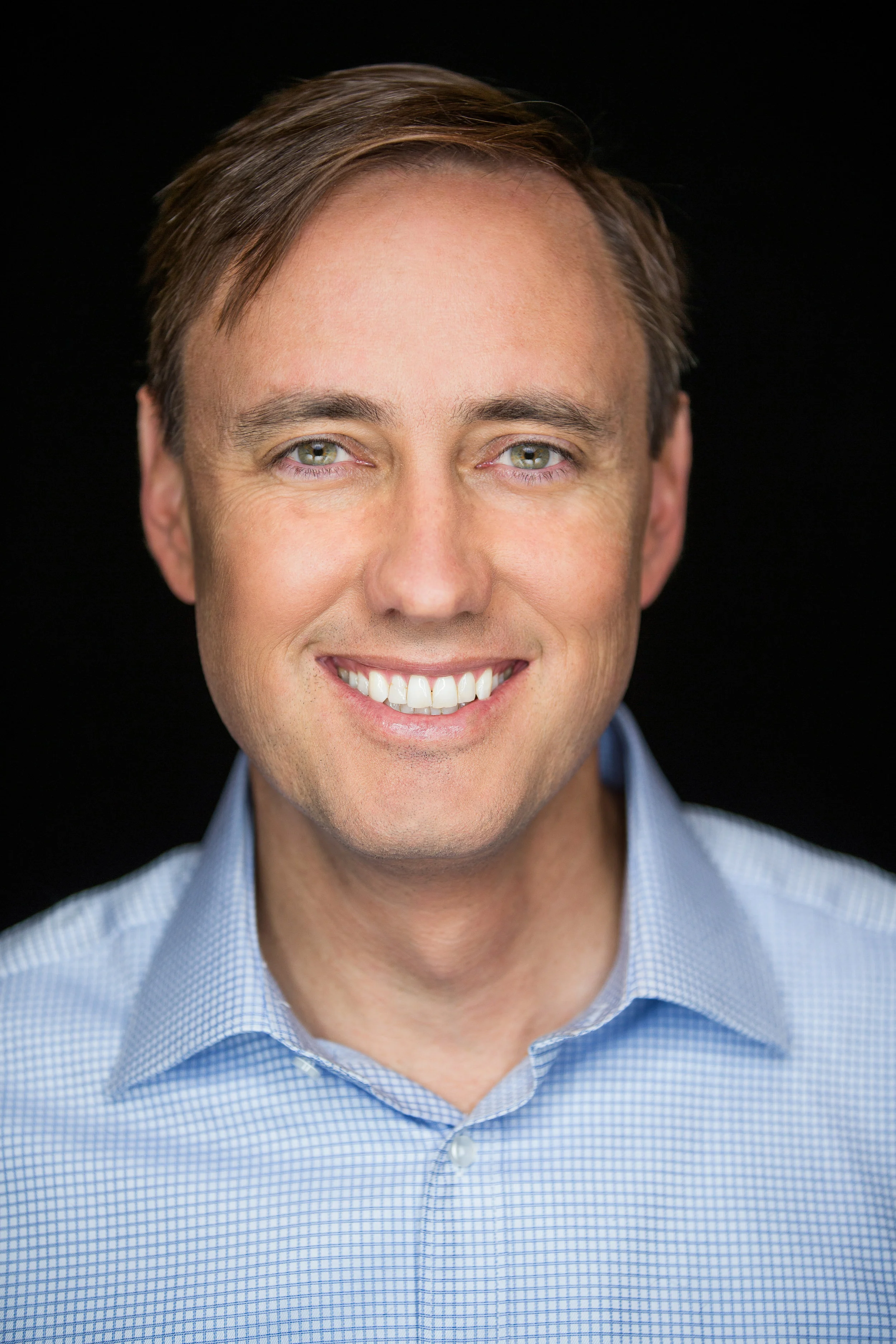 Steve Jurvetsonnamed it in 1 interview“A breakthrough AI bot by Intercom – ready to join your support team today.” — EyeRate CEO Ray Weisberg on scaling from $0 to $10M + Steve Jurvetson on disruptive tech | E1765 (This Week in Startups, 2023)
| #37: AI, Venture Capital, Faith & The Future of Work with Mamoon Hamid (Kleiner Perkins) | Mamoon Hamid | Divot | 2026-02-18 | Recorded on Sand Hill Road at the iconic offices of Kleiner Perkins , this episode features Mamoon Hamid , one of the most influential investors of this generation. Mamoon has backed category-defining companies, including Slack, Figma, Box, Yammer, Glean, Intercom, and more, and now serves as a partner stewarding one of Silicon Valley’s most historic venture firms. In conversation with Derek Andersen , Mamoon breaks down how great investors evaluate founders, why conviction starts with why, and what separates category creators from incremental startups. The discussion expands into AI, where Mamoon shares why this cycle is fundamentally different from every prior technology wave. He explains why AI is not just software but labor, how it’s reshaping productivity across professions, and why adoption and monetization are happening faster than ever, from copilots to autonomous agents transforming how work gets done. The episode closes with deeply personal reflections on resilience, immigration, parenting, faith, and purpose. Follow Mamoon - X (Twitter): https://x.com/mamoonha Follow Derek - X (Twitter): https://twitter.com/derekjandersen Episode Partners: Delve Delve uses AI agents to handle SOC 2, ISO 27001, GDPR, and more - Divot listeners get $1,500 credits to get started: https://delve.co/deals/divot Pulley Manage your cap table with intuitive tools built to help founders make informed decisions without breaking stride. | |
| 20VC: Kleiner Perkins' Mamoon Hamid on Investing Lessons from Leading Rounds in Figma, Slack and Rippling | Lessons Building a Generational Defining Firm with Kleiner Perkins | AI: Where Value Accrues, Startups vs Incumbents & Scaling Laws | Mamoon Hamid | The Twenty Minute VC (20VC): Venture Capital | Startup Funding | The Pitch | 2024-10-21 | Mamoon Hamid is a General Partner @ Kleiner Perkins and one of the greatest venture investors of our time. In the past, Mamoon has led rounds in Figma, Slack, Rippling, Intercom, Glean and Box. Prior to joining Kleiner Perkins, Mamoon was a Co-Founder of Social Capital, and prior to that a Partner at U.S. Venture Partners (USVP). In Today's Episode with Mamoon Hamid We Discuss: 1. The Greatest Venture Deal of All Time: Figma or Slack: What is Mamoon's highest returning deal? What did Mamoon see in Dylan and Figma when they had no revenue and very little user data? What compelled Mamoon to write Stewart the check with Slack? What did he not see with Slack that he should have seen? 2. Taking Control of the Great Brand in Venture: Kleiner Perkins: Is it true that Kleiner approached Mamoon and gave him the keys to the Kleiner kingdom? How did it go down? Will Kleiner go back to having multiple products, large growth funds, international funds? What does Mamoon want Kleiner to be in 5 years? What was the hardest element of the transition into Kleiner? What did Mamoon not know that he wishes he had known? 3. Becoming a Generational Defining Investor: Market, founder, product, how does Mamoon rank them 1-3? How has Mamoon changed most significantly as an investor? What does he know now that he wishes he had known when he became a VC 19 years ago? What is his biggest loss? How did it shape his mindset and go forward investing approach? 4. | |
| EyeRate CEO Ray Weisberg on scaling from $0 to $10M + Steve Jurvetson on disruptive tech | E1765 | Steve Jurvetson | This Week in Startups | 2023-06-20 | 1:05 | This Week in Startups is presented by: LinkedIn Marketing. To redeem a $100 LinkedIn ad credit and launch your first campaign, go to linkedin.com/thisweekinstartups . VEED makes it super easy for anyone (yes, you) to create great video. Filled with amazing features like templates, auto subtitles, text formatting, auto-resizing, a full suite of AI tools, and much more, VEED gives you the tools to engage your audience on any platform. Head to VEED.io to start creating incredible video content in minutes. Fin can't burn its mouth on hot pizza. Or wave at someone who wasn't waving at them. Fin can resolve half of your customer support tickets instantly before they reach your team. Meet Fin. A breakthrough AI bot by Intercom – ready to join your support team today. Visit intercom.com/fin . * Today's show: First, EyeRate CEO Ray Weisberg joins Jason to break down his startup's business model (4:55), category creation and framing (13:32), how they plan on scaling from $10M to $100M (22:51), and more. Then, Steve Jurvetson gives a presentation on discovering and identifying disruptive new technologies. (36:34) Steve's talk was recorded live at LAUNCH Angel Summit. * Follow EyeRate: https://twitter.com/EyeRateBusiness Follow Steve: https://twitter.com/FutureJurvetson * Time stamps: (0:00) Great founders sometimes means very little contact! |
| 20VC: Why Financial Planning and Goals Do Not Work, The Decision to Ban Politics in the Workplace and Losing 1/3 of the Team Overnight & The One Question That Will Drive All Decision-Making for Leaders with Jason Fried, CEO @ 37Signals | Jason Fried | The Twenty Minute VC (20VC): Venture Capital | Startup Funding | The Pitch | 2023-01-06 | 43 min | Jason Fried the Co-Founder and CEO at 37signals, makers of Basecamp and HEY . Over an incredible 21-year journey, Jason and his co-founder David have scaled Basecamp to become the communication tool trusted by millions. Jason is also the co-author of the widely acclaimed, ReWork and has also made several angel investments in the likes of Intercom, Gumroad and Hodinkee to name a few. In Todays Episode with Jason Fried We Discuss 1. From Web Design Agency to Founding Basecamp: What was the a-ha moment for Jason when they had to make the pivot from a design agency to going full-time launching and running Basecamp as a SaaS company? What is Jason running towards? What is he running from? What is the single biggest fear that Jason is trying to avoid? 2. Jason Fried: The Leader: Why does Jason believe he is running from his position as leader and CEO @ Basecamp? Why does Jason not like or agree with goals or targets? Why are they not helpful? How does Jason make decisions today as a leader and CEO? What one question does he ask that determines his decision-making process? Why does Jason never compare himself to the competition? Why does he believe competition is for losers? 3. Jason Fried: The Politicisation of Leadership: Why did Jason and David decide to not allow politics in the workplace? How did they manage with 1/3 of their team leaving overnight? How was that experience for them personally? How did it impact the company? Is there anything they would do differently? |
| 20VC: Chris Sacca, Chamath Palihapitiya, Gary Vee, Brad Gerstner and more on Their Relationship To Money, How It Has Changed with Time and Wealth, How They Bring Up Their Children To Engender the Same Values of Ambition and Hard Work? | Chris Sacca | The Twenty Minute VC (20VC): Venture Capital | Startup Funding | The Pitch | 2022-10-28 | 27 min | Chris Sacca is the Founder and Chairman @ Lowercase Capital , one of the best performing funds in the history of venture capital with a portfolio including Uber, Stripe, Twitter, Instagram, Twilio, Docker and many more. From interviewing some of the world's richest married couples, how did gaining wealth change their relationship and marriage? What does Chris do to actively ensure his children remain hungry and know the value of money? Chamath Palihapitiya is Founder & CEO @ Social Capital . Social's portfolio includes the likes of Slack, Yammer, Front, Intercom and Carta to name a few. What does Chamath mean when he says we need to think through the mindset of "infinite games" not finite games? How does this change how you think about money? How does Chamath think about his relationship to risk today as a result? Brad Gerstner is the Founder and CEO of Altimeter . Brad's notable deals that he has helped lead include Snowflake, Mongo, Bytedance, Gusto, Unity, Okta, dbt, Modern Treasury, EPIC Games, Hotel Tonight and Zillow. What is the most important thing parents can do to ensure that despite wealth, their children remain grounded and ambitious? Why does Brad, despite being a billionaire, still live in a modest house and not spend on the excesses of life? How does Brad embrace essentialism with wealth? Cyan Banister is one of the most successful and renowned early-stage investors in the last decade. |
| 🏅15. Jason Fried (Basecamp, HEY.com) | Jason Fried | The Usual SaaS-pects with Ch Daniel | 2021-08-10 | 1:23 | Jason Fried is the Founder & CEO @ Basecamp , the project management and team communication tool trusted by millions. Over an incredible 22 year journey, they have scaled to over 3.5M accounts and in 2020 they went back to being a multi-product company with the launch of their integrated email client & service, HEY.com . Jason is also the co-author of the widely acclaimed, REWORK (but also other books ) and has also made several angel investments in the likes of Intercom, Gumroad and Hodinkee to name a few. Best place to find Jason: world.hey.com/jason —— Links Reddit SaaS: https://www.reddit.com/r/saas My Twitter: https://twitter.com/chddaniel My product: https://Simple.ink/ |
| 20VC: Twitter Co-Founder Biz Stone on The 3 Stages of Wealth, The Return To Twitter in 2017 and the Associated Missions and Challenges & Why Silicon Valley is not an "Insiders Only" Universe? | Biz Stone | The Twenty Minute VC (20VC): Venture Capital | Startup Funding | The Pitch | 2021-01-08 | 36 min | Biz Stone is best known as the Co-Founder of Twitter and Medium. Biz is also an investor in the likes of Slack, Square, Intercom, Beyond Meat and Blue Bottle Coffee. Biz also co-founded Jelly, a "human in the loop" AI search service, which was acquired by Pinterest. Due to his many successes, Biz has been recognized as INC Magazine Entrepreneur of the Decade and one of TIME's 100 Most Influential People in the World. In Today's Episode You Will Learn: 1.) How did Biz make his way into the world of startups and come to found Odeo/Twitter one day on a car trip with Ev Williams? 2.) How does Biz evaluate his relationship to money? How does Biz think about teaching his son the value of money? What does Biz mean when he says wealth 'accentuates your current self"? How did Biz get off the treadmill of always wanting and chasing more? 3.) How does Biz think about insecurity and self-doubt? How does Biz approach saying no? How does he get comfortable with not always being Mr Popular? What is so challenging here? How does Biz feel about founding tieing their identities to their company? 4.) Why did Biz come back to Twitter in 2017? With hindsight, what would he have done differently if he were to return again? What were the biggest challenges when he arrived? Why was internal morale low? What did he and Jack do to increase it? What worked? What did not? 5.) Why does Biz not feel Silicon Valley is an "insider-only" universe? Why does Biz feel Silicon Valley is a mindset? |
| 20VC: Kleiner Perkins' Mamoon Hamid on The Strategy Behind The New $600m "Back To The Future" Fund, The Truth To Price Sensitivity at Series A & Why Venture Team Building Is Like Basketball Team Building | Mamoon Hamid | The Twenty Minute VC (20VC): Venture Capital | Startup Funding | The Pitch | 2019-05-13 | Mamoon Hamid is a Partner @ Kleiner Perkins , one of Silicon Valley's most prestigious venture firms counting Google, Airbnb, Amazon, Spotify, Square and many more $Bn companies among their portfolio. As for Mamoon, he has invested in and served on the boards of some of the most innovative software companies of recent times including Box, Figma, Intercom, Netskope, Slack and Yammer. Prior to joining Kleiner Perkins, Mamoon was a Co-Founder and General Partner at Social Capital and before that Mamoon was a Partner at U.S. Venture Partners (USVP), where he spent six years. In Today's Episode You Will Learn: 1.) How did Mamoon make the transition from electrical engineer to VC and how did that translate to his role today as Partner @ KPCB? 2.) With Kleiner's new $600m early stage fund, Mamoon had a blank canvas, how does Mamoon think about portfolio construction from a bottom-up perspective? Why is that strategy optimal? How important does Mamoon believe it is for VCs to have a sector focus today? What does he mean when he says, "VCs need to have both majors and minors"? 3.) In today's heated early stage ecosystem, how does Mamoon analyse and reflect on his own price sensitivity? What deal has changed the way he thought about price and he either regrets not paying it or is thrilled he did pay it? How does Mamoon feel about the compressed fundraising timelines we are seeing today? Is this a concern? 4.) How does KPCB think about reserve allocation with the new $600m fund? |
 D#37: AI, Venture Capital, Faith & The Future of Work with Mamoon Hamid (Kleiner Perkins)Divot · 2026-02-18
 T20VC: Kleiner Perkins' Mamoon Hamid on Investing Lessons from Leading Rounds in Figma, Slack and Rippling | Lessons Building a Generational Defining Firm with Kleiner Perkins | AI: Where Value Accrues, Startups vs Incumbents & Scaling LawsThe Twenty Minute VC (20VC): Venture Capital | Startup Funding | The Pitch · 2024-10-21
 TEyeRate CEO Ray Weisberg on scaling from $0 to $10M + Steve Jurvetson on disruptive tech | E1765This Week in Startups · 2023-06-20
 T20VC: Why Financial Planning and Goals Do Not Work, The Decision to Ban Politics in the Workplace and Losing 1/3 of the Team Overnight & The One Question That Will Drive All Decision-Making for Leaders with Jason Fried, CEO @ 37SignalsThe Twenty Minute VC (20VC): Venture Capital | Startup Funding | The Pitch · 2023-01-06
 T20VC: Chris Sacca, Chamath Palihapitiya, Gary Vee, Brad Gerstner and more on Their Relationship To Money, How It Has Changed with Time and Wealth, How They Bring Up Their Children To Engender the Same Values of Ambition and Hard Work?The Twenty Minute VC (20VC): Venture Capital | Startup Funding | The Pitch · 2022-10-28
 T🏅15. Jason Fried (Basecamp, HEY.com)The Usual SaaS-pects with Ch Daniel · 2021-08-10
 T20VC: Twitter Co-Founder Biz Stone on The 3 Stages of Wealth, The Return To Twitter in 2017 and the Associated Missions and Challenges & Why Silicon Valley is not an "Insiders Only" Universe?The Twenty Minute VC (20VC): Venture Capital | Startup Funding | The Pitch · 2021-01-08T20VC: Kleiner Perkins' Mamoon Hamid on The Strategy Behind The New $600m "Back To The Future" Fund, The Truth To Price Sensitivity at Series A & Why Venture Team Building Is Like Basketball Team BuildingThe Twenty Minute VC (20VC): Venture Capital | Startup Funding | The Pitch · 2019-05-13
| The Ticket: Discover the Future of Customer Service, Support, and Experience, with Intercom | Podcast | The Ticket: Discover the Future of Customer Service, Support, and Experience, with Intercom, podcast from Intercom; 11 episodes in the reference. | 11 | 7 Jun 2018 |