
Replicate
company
Replicate is a startup that uses cloud technology to run machine learning models. By providing a streamlined solution, their platform is intended to reduce manual work for software teams. Developers can deploy AI models with minimal coding on Replicate's platform, making the process more efficient.
- Ben Firshman · Founder
- Andreas Jansson · Founder
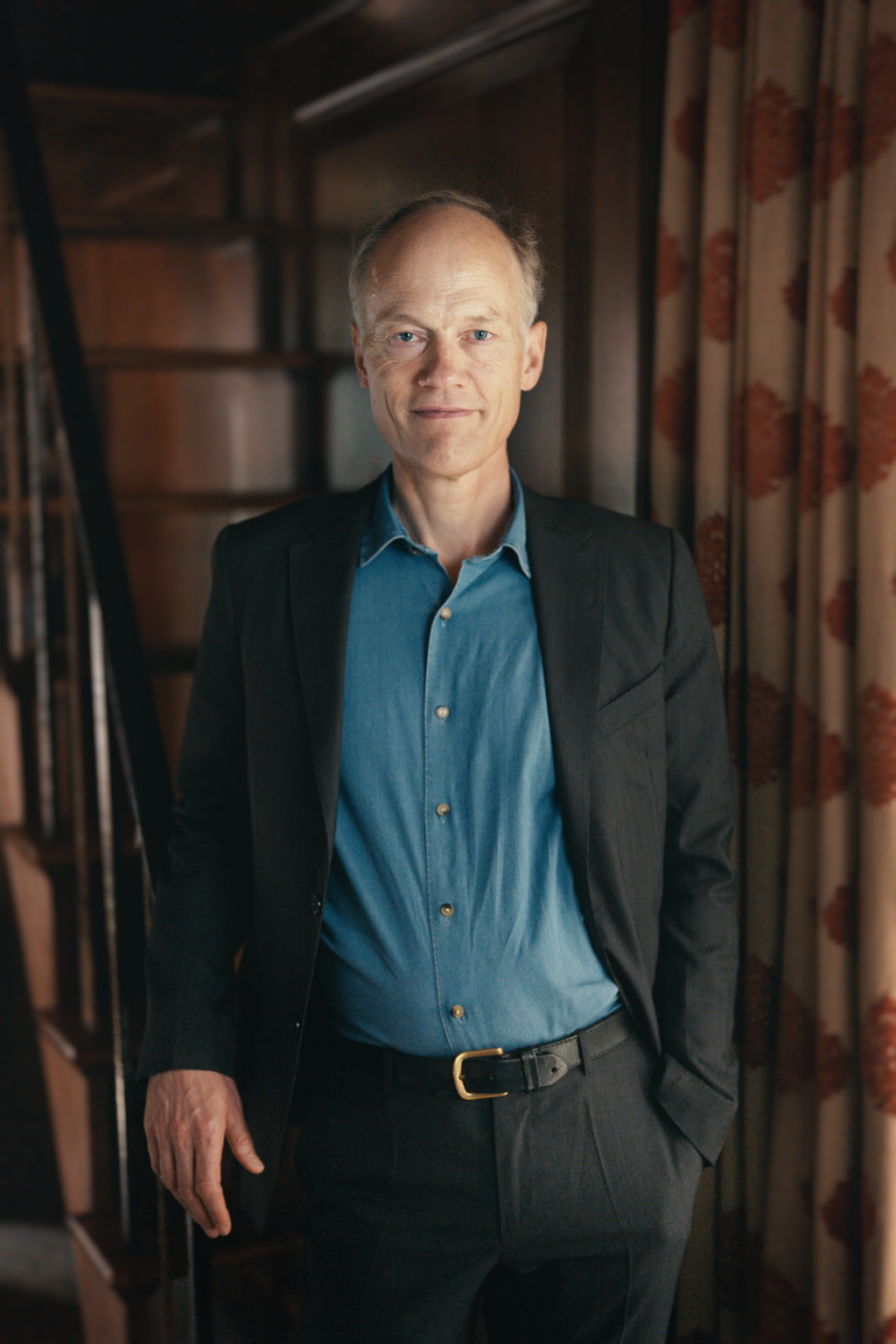 Sebastian Mallabynamed it in 1 interview“(04:03) Who to Trust on AI Safety (05:35) Demis Hassabis and AI Regulation (08:23) Cold War Lessons for AI Safety (11:42) Trump Administration AI Policy (14:59) Private AI Safety Monitoring (20:57) Open Weight AI Models Debate (23:00) Does AI Replicate Consciousness?” — OpenAI Could Go Bust by Summer, Says Financial Expert Sebastian Mallaby (One Decision, 2026)
 John Maedanamed it in 1 article
 Matt Bornsteinnamed it in 1 interview“In this episode of AI + a16z, Replicate cofounder and CEO Ben Firshman, and a16z partner Matt Bornstein, discuss the art of building products and companies that appeal to software developers.” — Building Developers Tools, From Docker to Diffusion Models (AI + a16z, 2024)
| OpenAI Could Go Bust by Summer, Says Financial Expert Sebastian Mallaby | Sebastian Mallaby | One Decision | 2026-10-15 | 1:03 | #OpenAI #AI #ArtificialIntelligence Thank you to Incogni for sponsoring. Get 60% off the annual plan with code onedecision at https://incogni.com/onedecision OpenAI says it will burn $280 billion by 2030. Sebastian Mallaby gives it a 50/50 chance of running out of money by next summer. So what happens when the world's most prominent AI lab goes bust — and does the US government step in? Sebastian Mallaby — Senior Fellow at the Council on Foreign Relations and author of The Infinity Machine, a biography of DeepMind co-founder Demis Hassabis — joins Sir Richard Dearlove and John Raine. They discuss the financial fragility of the leading AI labs, why open-weight AI models are too dangerous to permit, how a US-China non-proliferation deal for AI might work, and what a war game about nuclear submarines revealed about where this is all heading. In this episode: (00:00) AI Race Between US and China (02:08) Sebastian Mallaby on AI Safety (02:51) Is AI a Blessing or Curse? (04:03) Who to Trust on AI Safety (05:35) Demis Hassabis and AI Regulation (08:23) Cold War Lessons for AI Safety (11:42) Trump Administration AI Policy (14:59) Private AI Safety Monitoring (20:57) Open Weight AI Models Debate (23:00) Does AI Replicate Consciousness? (33:24) Is AI Investment a Bubble? (45:39) AI War Game Nuclear Submarine Scenario (54:37) The One Decision Open Weight AI Hosted by Sir Richard Dearlove (former MI6 Chief) and guest co-host John Raine (International Institute for Strategic Studies). |
| Building Developers Tools, From Docker to Diffusion Models | Matt Bornstein | AI + a16z | 2024-11-15 | In this episode of AI + a16z, Replicate cofounder and CEO Ben Firshman, and a16z partner Matt Bornstein, discuss the art of building products and companies that appeal to software developers. Ben was the creator of Docker Compose, and Replicate has a thriving community of developers hosting and fine-tuning their own models to power AI-based applications. Here's an excerpt of Ben and Matt discussing the difference in the variety of applications built using multimedia models compared with language models: Matt: "I've noticed there's a lot of really diverse multimedia AI apps out there. Meaning that when you give someone an amazing primitive, like a FLUX API call or a Stable Diffusion API call, and Replicate, there's so many things they can do with it. And we actually see that happening — versus with language, where all LLM apps look kind of the same if you squint a little bit. "It's like you chat with something — there's obviously code, there's language, there's a few different things — but I've been surprised that even today we don't see as many apps built on language models as we do based on, say, image models." Ben: "It certainly maps with what we're seeing, as well. I think these language models, beyond just chat apps, are particularly good at turning unstructured information into structured information. Which is actually kind of magical. And computers haven't been very good at that before. That is really a kind of cool use case for it. |

