The Launch Pad
Inside Y Combinator in the years before Altman ran it.
Summary
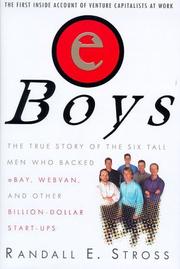
Randall Stross spent the summer of 2011 inside Y Combinator, sitting in on office hours, dinners and Demo Day rehearsals for a batch of sixty-odd startups. The result is a reported account of how the accelerator actually operated at the moment it scaled up: the ten-minute partner meetings, the standard deal of roughly seven percent for a small check, the weekly dinners with outside speakers, and the relentless pressure to talk to users and ship something people want.
The material is observational rather than analytical. Stross reproduces Paul Graham's advice almost verbatim in many places, which makes the book a primary source on early YC doctrine: launch fast, measure growth weekly, build something a small number of people love rather than something a large number of people like, and treat founder relationships as the biggest failure risk. He follows individual companies through pivots, co-founder breakups and fundraising, including several that later became well known and many that disappeared.
For investors and founders the value is documentary. It shows what seed-stage selection looked like when the applicant pool was still small enough for two partners to read everything, and it captures YC before Demo Day became an institution with thousands of attendees. The limits are obvious. Stross had access but not distance, and the book takes YC's self-description mostly at face value rather than testing whether the accelerator model adds value or simply selects well. The economics described are also badly dated: batch sizes, valuations and standard deal terms have all moved several times since 2011.
Key takeaways 7
- Y Combinator's core instruction to founders was to build something a small number of users love rather than something many users merely like.
- Weekly growth rate served as the single operating metric partners pushed founders to track and report.
- Co-founder conflict, not competition or technical failure, was the most common cause of startup death that YC partners observed.
- The accelerator's advantage came substantially from batch peer pressure and shared norms rather than from capital or formal mentorship.
- Founders were told to launch immediately with an incomplete product because talking to real users generates information no amount of planning does.
- Demo Day functioned less as a pitch event than as a coordination device that compressed fundraising into a competitive window.
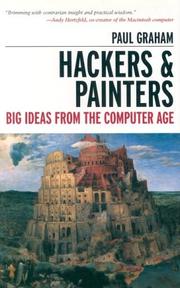
- Paul Graham argued that startup ideas which sound trivial are frequently better than ideas that sound impressive, because the impressive ones attract competition and the trivial ones hide real demand.
Who should read it
Founders considering an accelerator and investors who want a primary-source view of how early-stage selection and coaching worked at YC before it industrialised.
About Randall E. Stross
Business historian and journalist, longtime professor at San Jose State University; wrote reported histories of Edison, Microsoft, Google and Y Combinator.
Each book reports one organisation from inside over a defined stretch of time: a year among Y Combinator's batch companies, Benchmark's partners through the dot-com IPO wave, Edison's Menlo Park laboratory. The result records how venture firms and inventors actually spent their days, which reads as evidence rather than retrospective summary.
Where it sits in the reference 3
Who recommended it 2
Similar books 6
Chosen by shared topics, the entries that hold them, and the people who recommended both.