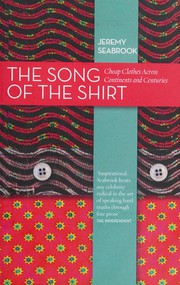
The Song of the Shirt
Dhaka's garment industry from Rana Plaza back through its supply chain.
Summary
Jeremy Seabrook writes about the Bangladeshi garment industry, and he connects it explicitly to the history of the Lancashire cotton trade whose collapse the industry's growth partly reversed.
The historical argument is that Britain destroyed the Bengali textile industry in the eighteenth and nineteenth centuries in order to supply the region from Lancashire mills, and that the return of garment manufacturing to Bangladesh two centuries later occurs under conditions that echo the Lancashire mills at their worst. Seabrook is explicit that this is a moral and historical framing rather than an economic argument.
The contemporary reporting is based on interviews with garment workers, factory owners, trade unionists and officials in Dhaka. He covers wages, working hours, the recruitment of rural women and what factory work means for their position, the housing and living conditions in the city, the Rana Plaza collapse in 2013 that killed over eleven hundred people and the Tazreen fire before it, the buying practices of Western brands and the price pressure transmitted through them, and the regulatory and inspection arrangements that followed the disasters. Seabrook writes as a critic and does not seriously engage the argument that garment employment has raised Bangladeshi incomes and female labour force participation substantially, which the economic literature supports. The reporting on conditions is detailed and first-hand.
Key takeaways 7
- Seabrook connects Bangladesh's garment industry to the destruction of Bengali textiles by British policy two centuries earlier.
- Price pressure from Western buyers is transmitted directly into wages and safety spending at the factory level.
- Rana Plaza and the Tazreen fire resulted from building and fire safety failures that inspection regimes had not addressed.
- Garment work draws rural women into wage employment, which changes their position in ways Seabrook treats ambivalently.
- Factory owners in Bangladesh hold political positions, which limits what domestic regulation can achieve.
- Buyer audits and codes of conduct did not prevent the disasters, which raises the question of what they were for.
- Seabrook does not engage the evidence that garment employment raised Bangladeshi incomes and female participation substantially.
Who should read it
Operators with apparel supply chains and readers of labour conditions who want first-hand reporting from the production end.
Where it sits in the reference 2
Similar books 6
Chosen by shared topics, the entries that hold them, and the people who recommended both.