 S
Podcast · 29 episodes in the reference, 2024 to 2026
Sourcery
Published by Sourcery with Molly O'Shea
Episodes
| USV’s New $900M Fund: Fred Wilson, Rebecca Kaden & Mike Mignano | Fred Wilson, Rebecca Kaden | 8 October 2026 | USV spent 20 years keeping its funds small on purpose. Its new $900M raise is the largest fund cycle in the firm’s history. I sat down with USV General Partners Fred Wilson, Rebecca Kaden and Michael Mignano at the firm’s New York office to unpack why one of venture capital’s most disciplined early-stage firms is getting bigger now, and what they think the next era of AI will look like. Together with General Partner Nick Grossman, they’re leading USV into its next chapter. USV was early to Twitter, Coinbase, Stripe, MongoDB, Twilio, Etsy, Duolingo and Abridge. More than 20 years after Fred Wilson and Brad Burnham laid out the firm’s original internet thesis, Fred believes AI today looks a lot like the internet in 2003. The infrastructure is here, but many of the defining applications have yet to be built. We get into why AI is making products cheaper to build but breakout companies potentially more expensive to create, why ARR can hide weak retention, the growing importance of founder storytelling, personal AI agents, the “Rebel Alliance” around open AI infrastructure, and why energy may be one of the cleanest bets on AI. At the center of USV’s new thesis is “obliterate, don’t automate.” Instead of making existing industries incrementally more efficient, AI could completely restructure them. Fred’s version is simple. Don’t hire a lawyer, use an AI lawyer. Don’t hire an accountant, use an AI accountant. Don’t hire a doctor, use an AI doctor. | |
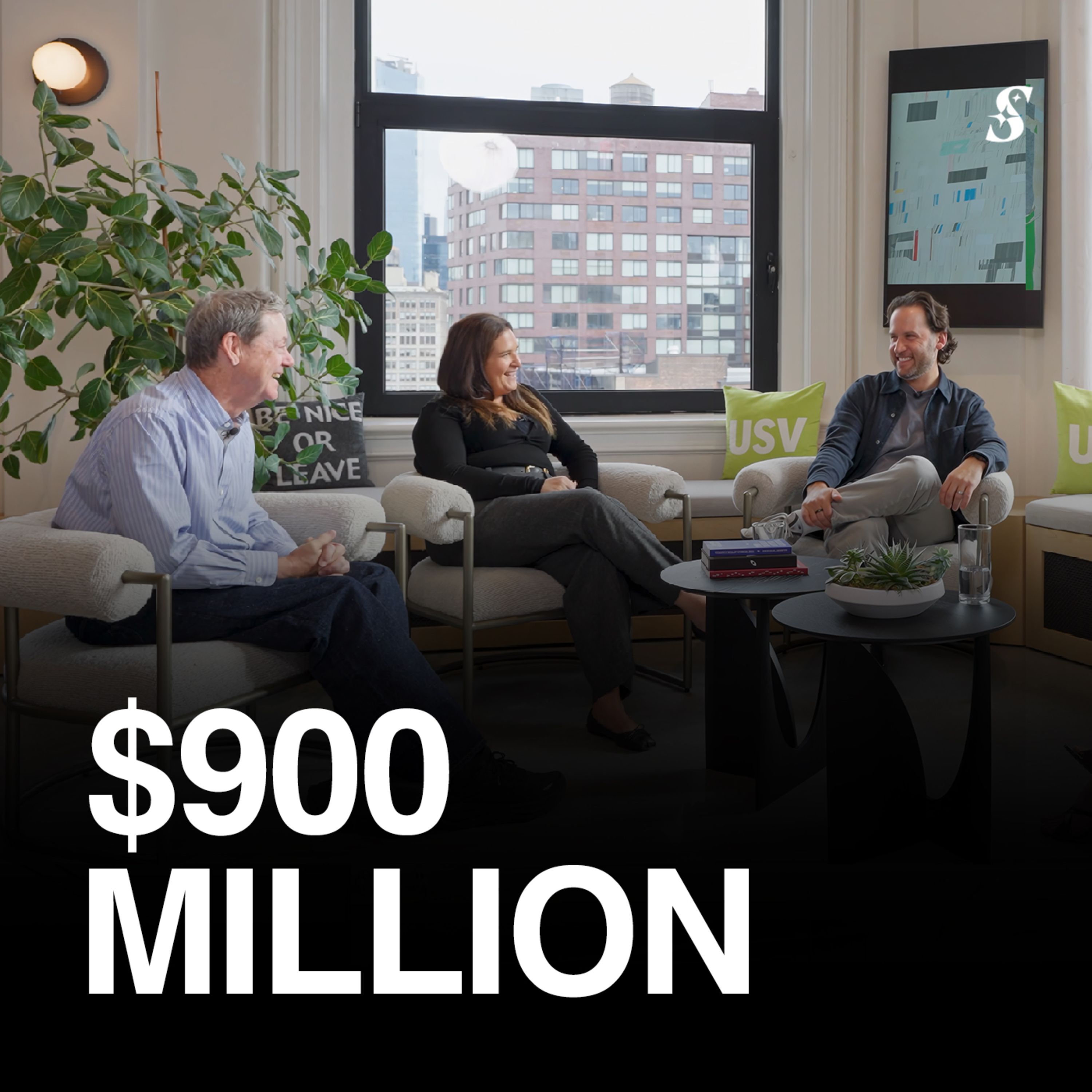 USV’s New $900M Fund: Fred Wilson, Rebecca Kaden & Mike Mignano | Fred Wilson | 8 October 2026 | 1:25 | USV spent 20 years keeping its funds small on purpose. Its new $900M raise is the largest fund cycle in the firm’s history. I sat down with USV General Partners Fred Wilson, Rebecca Kaden and Michael Mignano at the firm’s New York office to unpack why one of venture capital’s most disciplined early-stage firms is getting bigger now, and what they think the next era of AI will look like. Together with General Partner Nick Grossman, they’re leading USV into its next chapter. USV was early to Twitter, Coinbase, Stripe, MongoDB, Twilio, Etsy, Duolingo and Abridge. More than 20 years after Fred Wilson and Brad Burnham laid out the firm’s original internet thesis, Fred believes AI today looks a lot like the internet in 2003. The infrastructure is here, but many of the defining applications have yet to be built. We get into why AI is making products cheaper to build but breakout companies potentially more expensive to create, why ARR can hide weak retention, the growing importance of founder storytelling, personal AI agents, the “Rebel Alliance” around open AI infrastructure, and why energy may be one of the cleanest bets on AI. At the center of USV’s new thesis is “obliterate, don’t automate.” Instead of making existing industries incrementally more efficient, AI could completely restructure them. Fred’s version is simple. Don’t hire a lawyer, use an AI lawyer. Don’t hire an accountant, use an AI accountant. Don’t hire a doctor, use an AI doctor. |
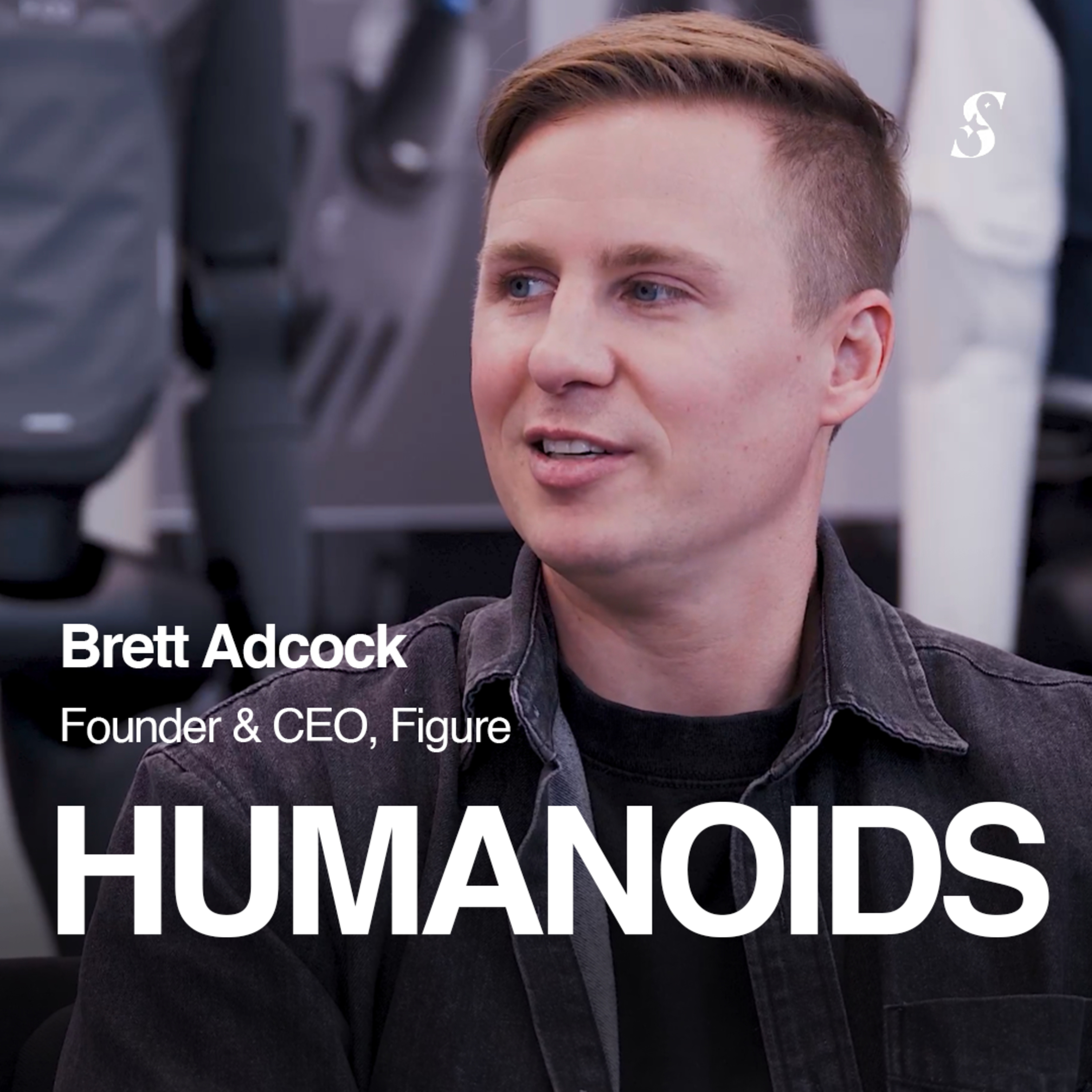 Brett Adcock, CEO of Figure | Brett Adcock | 30 April 2026 | 33 min | Brett Adcock is the Founder & CEO of Figure, the $39 billion company tackling one of the most ambitious challenges in technology — building a general-purpose humanoid robot that can do the work of a human, both on the factory floor and inside the home. About 50% of global GDP is human labor. In this episode of Sourcery, we go inside Figure's headquarters for a full tour and sit-down interview on the future of robotics, AI, and jobs. Brett shares why humanoid robots are already working today, how Figure plans to scale from thousands of units this year to 1 million per year, and why he believes this could become the biggest business in the world. Backed by nearly $2B across rounds — including investment from Jeff Bezos, Microsoft, Nvidia, and Amazon — Figure 15x'd its valuation to $39B in just 18 months. We also cover Brett's decision to part ways with OpenAI, the challenges of building physical intelligence, and what it takes to solve one of the hardest problems in engineering. We cover:• Why humanoid robots are finally real• The roadmap to millions of robots• Figure’s production ramp and demand• Why robotics is an intelligence problem• The OpenAI partnership — and breakup• The risks of building physical AI (Capital, Economics, Valuation)• Brett’s vision for general robotics If humanoids work, they will reshape the global economy. |
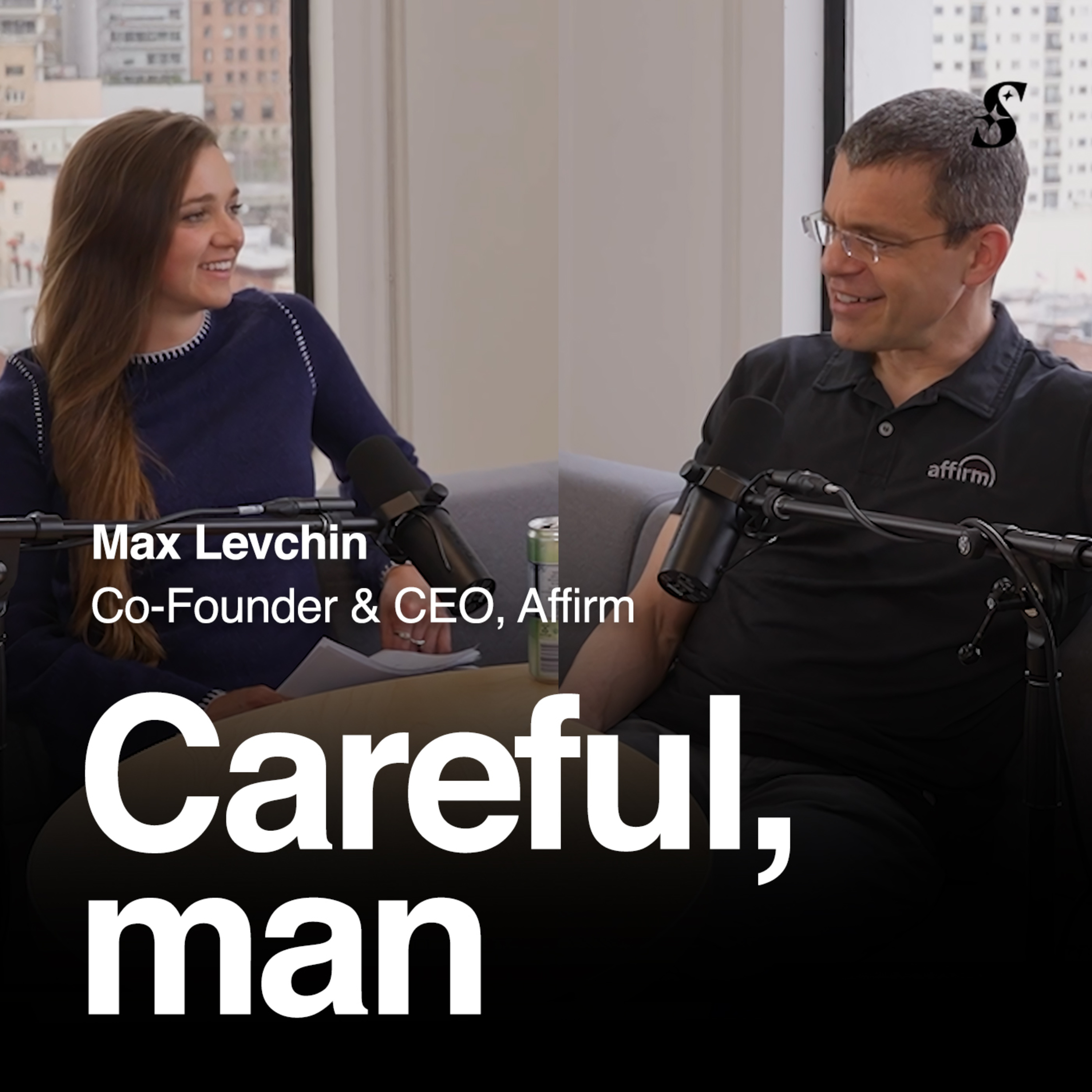 Max Levchin: The Interview | Max Levchin | 14 April 2026 | 50 min | Max Levchin, Co-Founder of PayPal and CEO of Affirm, joins Sourcery for a wide-ranging conversation on building companies, surviving failure, and navigating one of the most important economic shifts in decades. We start inside Affirm HQ (with a masterclass in espresso) before getting into the story behind onboarding 800,000 Shopify merchants in a week, the lessons from PayPal that still apply today, and why the team is the single biggest determinant of success. Max also breaks down how AI is collapsing the cost and speed of building software — fundamentally reshaping company formation, competition, and the balance between labor and capital. As intelligence becomes more accessible, he explains why weaker, more “scammy” companies will struggle to survive in a world where both consumers and builders are more informed — raising the overall bar for quality, execution, and truth. In parallel, the widespread availability of AI tools may effectively increase baseline capability across the population, shifting what it means to be skilled, technical, and competitive. From reading research papers daily to staying ahead of rapid innovation cycles, he explains why this moment in AI may be even more consequential than the internet or mobile — and what it takes to build and lead in it. This was recorded March 30, 2026. |
| $4.5B Brain-Inspired AI Chip Company | Konstantine Buhler | 7 February 2026 | Unconventional AI recently emerged from stealth with $475M in seed funding at a $4.5B valuation, led by Andreessen Horowitz and Lightspeed, with participation from Sequoia, Lux Capital, DCVC, Future Ventures, Jeff Bezos, Playground Global, and others. Naveen is also personally investing $10M into the company. Recorded at Playground Global in Palo Alto and hosted by Peter Barrett, General Partner, this Sourcery conversation features: - Naveen Rao — CEO & Co-Founder, Unconventional AI (founder of Nervana, acquired by Intel for $400M+, and MosaicML, acquired by Databricks for $1.3B; former Chief AI Officer at Databricks) - Konstantine Buhler — Partner at Sequoia Capital - Molly O’Shea — Founder of Sourcery (Moderator) Unconventional AI is building a new computational substrate designed for biology-scale efficiency — running neural networks directly on the nonlinear physics of silicon instead of simulating them through traditional digital abstractions.As AI demand accelerates, computation is approaching a collision with global energy supply. Unconventional’s thesis: achieving step-function efficiency gains requires rethinking compute itself. | |
| How Elon Builds Trillion-Dollar Companies | Shaun Maguire | 28 January 2026 | Elon Musk has built more category-defining companies than any founder alive — and Sequoia Capital and Partner Shaun Maguire have backed five of them: SpaceX, xAI, Neuralink, The Boring Company, and X. In this episode of Sourcery, Shaun breaks down how Elon builds trillion-dollar companies, why SpaceX may be the greatest company, largest IPO and wealth creation event of all time, and why he believes Elon is still massively underrated despite his global impact. We dive into SpaceX’s IPO, Starlink’s explosive growth, data centers in space, direct-to-cell from orbit, xAI, and the unique way Elon builds long-term potential energy before unleashing scale. Shaun also explains why SpaceX could become the biggest wealth creation event in history, how liquidity will reshape the tech ecosystem, and why Elon’s approach to power, infrastructure, and speed gives him an unmatched edge. This is a deep look inside Elon’s operating system — from one of the most technically fluent investors in Silicon Valley. Shaun Maguire: https://x.com/shaunmmaguire Molly O’Shea: https://x.com/MollySOShea Sourcery: https://x.com/sourceryy 𝐄𝐏𝐈𝐒𝐎𝐃𝐄 𝐋𝐈𝐍𝐊𝐒 YT: https://youtu.be/lPXYqPXo_R0 𝐒𝐏𝐎𝐍𝐒𝐎𝐑𝐒 • Brex —The modern finance platform, combining the world’s smartest corporate card with integrated expense management, banking, bill pay, & travel. | |
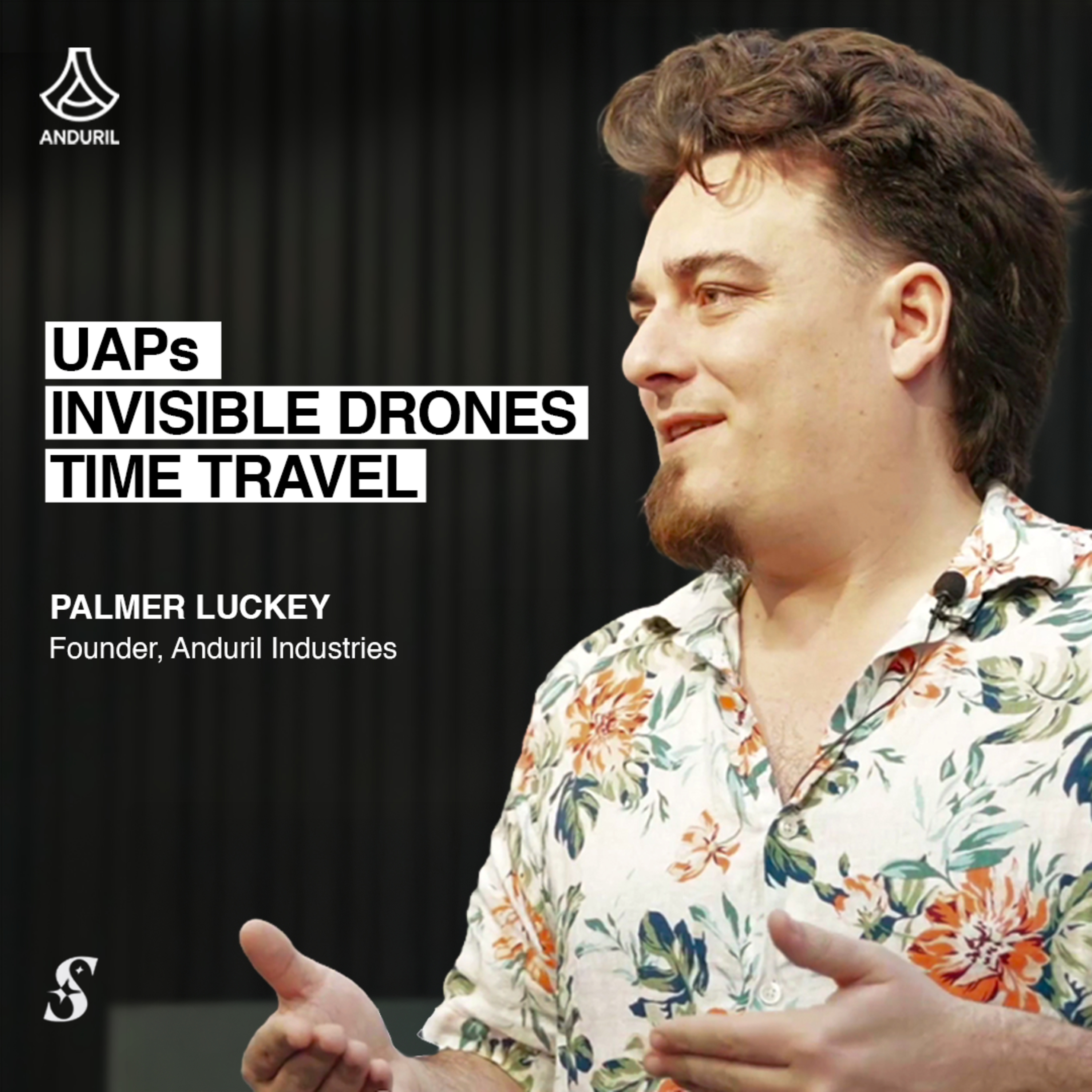 Palmer Luckey on UFOs, Anduril, Invisibility Tech, & Moon Wars | Palmer Luckey | 22 December 2025 | 35 min | Palmer Luckey, Co-Founder of Anduril, joins Sourcery for an unfiltered walk through some of the most controversial & speculative questions in modern defense technology, from UAPs and UFOs to invisibility tech, moon warfare, and why all of it may be running on parallel tracks to today’s human military development. Luckey breaks down what war would actually look like in space and on the moon, why spacecraft are nearly impossible to armor, and why survival off-Earth is so fragile that conflict would be “decisive and catastrophic.” He also explains Anduril’s real work on optical camouflage, why visible-spectrum invisibility is easier than people think, and why it’s largely irrelevant against modern adversaries armed with infrared, radar, and lidar. The conversation moves from the serious to the personal: Palmer’s blunt take on media coverage and testing failures, his belief that UAPs are likely not recently manufactured, his side project ModRetro (from an heirloom-grade Game Boy to the upcoming M64), and how becoming a father has—and hasn’t—changed his long-term worldview. Equal parts speculative, technical, and philosophical, this episode captures the mind of a founder who’s comfortable operating at the edge of science, industry, and culture. |
| Inside Anduril HQ: Trae Stephens on Anduril’s Origin, Peter Thiel, & Palantir DNA | Trae Stephens | 18 December 2025 | Trae Stephens, Co-Founder & Executive Chairman of Anduril, & Partner at Founders Fund, joins Sourcery for a behind-the-scenes conversation on Anduril’s 2017 founding, when defense tech was deeply unpopular in Silicon Valley, the cultural shift that followed, and how software, autonomy, manufacturing scale, and ethics now converge in modern warfare and national security. Stephens explains Anduril’s core thesis: software-defined, hardware-enabled, and why the company is building a multi-domain autonomy strategy across sea, ground, air, and space. He also outlines the manufacturing view that “the factory is the weapon,” including Anduril’s expansion into scaled production with Arsenal-1 (a planned ~5 million sq ft campus near Columbus, Ohio) and a broader network of facilities and partners. The conversation also covers ethics and strategy: Stephens discusses Just War Theory (St. Augustine), the goal of increasing precision while removing humans from “dull, dirty, dangerous” roles, and the broader cultural shifts shaping America. He reflects on lessons from Palantir and Founders Fund, including Peter Thiel’s influence, concentration in venture, and “zero-to-one” strategy, and shares what he looks for when investing in founders. | |
| $635M Exit → $600M Fund: David Ulevitch on Building a16z’s Hottest New Fund | David Ulevitch | 22 November 2025 | a16z General Partner David Ulevitch joins Sourcery to break down the real state of American Dynamism, their $600M fund, across defense, energy, mining, robotics, manufacturing, public safety, and national security. We discuss America’s supply-chain exposure to China, why deterrence—not parity—defines the future of U.S. defense, and how new companies are rebuilding core capabilities in nuclear, missiles, autonomy, grid reliability, materials, mining, and industrial operations. David highlights key a16z portfolio companies including Anduril , Radiant Nuclear , Base Power , Exowatt , Apex , Skydio , Flock , Long Eye , and Mariana Minerals , and shares why the best founders are magnetic attractors of capital and talent. We also dive into Anduril’s authenticity-first marketing philosophy (“no renders” - Palmer Luckey), the “Don’t Work at Anduril” campaign led by Snap Alumn Jeff Miller, the importance of real test footage, and why mission-driven cultures are fueling the next generation of frontier companies. A broad, detailed look at the future of American reindustrialization and the companies shaping it. | |
| Why Marc Andreessen, Ben Horowitz, & David Ulevitch Launched American Dynamism | David Ulevitch | 18 November 2025 | David Ulevitch , General Partner at Andreessen Horowitz (a16z) , who co-leads the firm’s American Dynamism practice with Katherine Boyle joins Sourcery to break down America’s comeback. With the encouragement of Marc Andreessen and Ben Horowitz , the $600M fund was founded around 2020 to invest in companies that support the national interest: aerospace, defense, public safety, education, housing, supply chain, industrials, and manufacturing. David shares how American Dynamism evolved from a meme to a movement within a16z, inspired by Marc and Ben’s early conviction at Netscape that the next wave of great technology companies would serve the national interest. From early investments like Anduril , Flock Safety , and Hadrian , to a16z’s growing policy arm in Washington D.C. , David reveals how the firm is bridging the gap between Silicon Valley and the national mission, and why he believes private capital must lead the next American resurgence. We discuss: The story behind American Dynamism’s rise The private capital boom powering national resilience JP Morgan’s $1.5T “Security & Resiliency” initiative AI’s role across defense, logistics, and manufacturing Why venture capital must “fund freedom like our lives depend on it.” Key Points Why Marc & Ben backed David & Katherine for a national mission. American Dynamism was born from the belief that Silicon Valley’s greatest founders should again build for the public good, across defense, energy, manufacturing, & more. | |
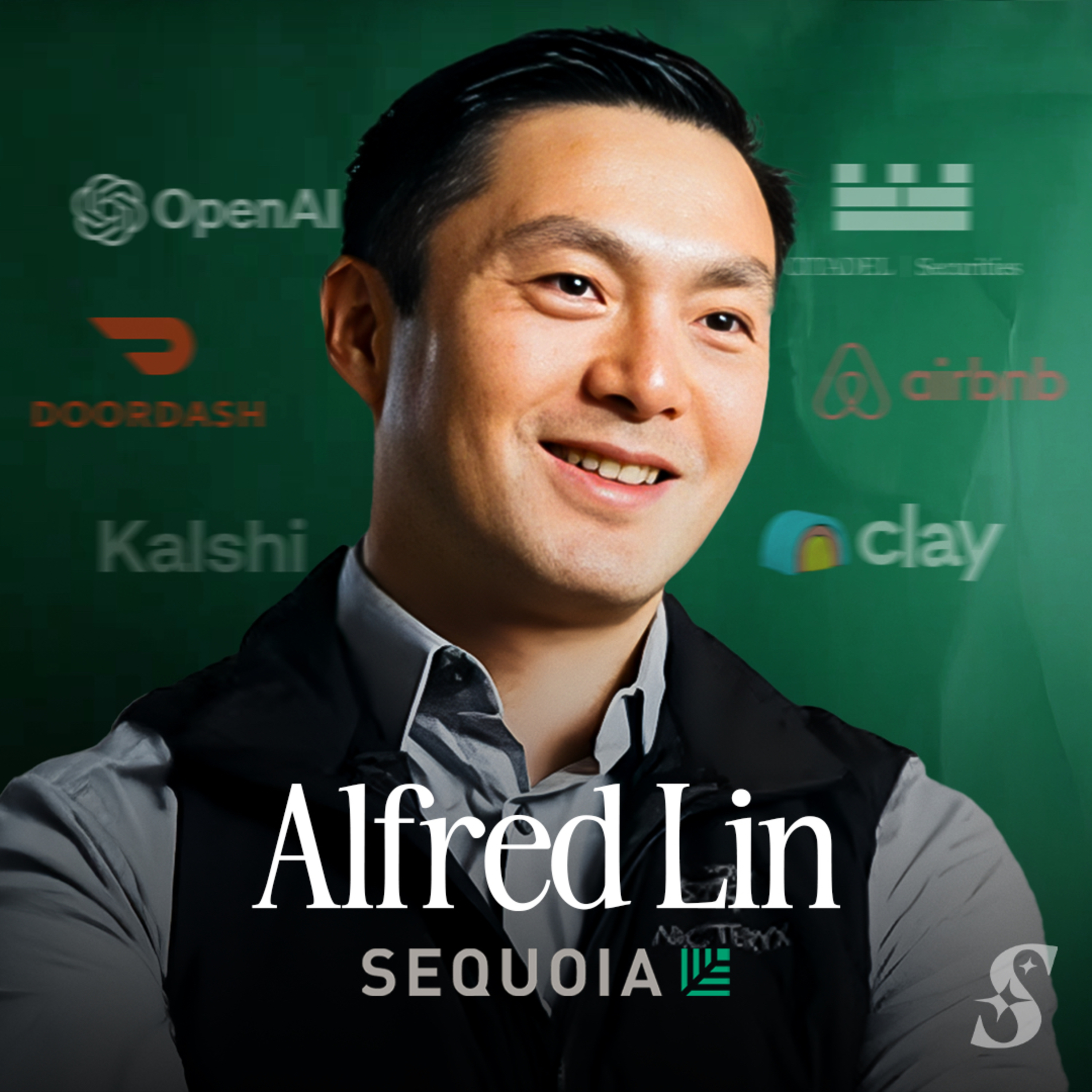 Alfred Lin on Airbnb, DoorDash, OpenAI & Citadel Securities | Alfred Lin | 30 October 2025 | 44 min | Alfred Lin , Partner at Sequoia Capital and three-time #1 Midas List investor, has backed some of the most transformative companies of the past two decades. His portfolio spans early bets on Airbnb, DoorDash, Uber, Zipline, Kalshi, and Commure to growth-stage partnerships with OpenAI and Citadel Securities , consistently identifying founders and businesses that redefine entire markets. He continues this track record today with next-generation category creators like Profound , which is building AI-powered brand visibility, Nominal, which is powering mission-critical engineering with a unified data stack, and Clay , which evolved into a go-to-market engine by relentlessly adapting to innovation. In this conversation, Alfred shares his philosophy on founder-market fit, resilience, and backing visionaries who create new categories. He reflects on Airbnb’s near-collapse during COVID , DoorDash’s rise , and Sequoia’s landmark investment in Citadel Securities , while breaking down how he evaluates IPOs, valuations in the AI era, and why the next decade will be defined by reimagined consumer experiences. Alfred Lin : https://x.com/Alfred_Lin Molly O’Shea : https://x.com/MollySOShea Sourcery : https://x.com/sourceryvc 𝐒𝐏𝐎𝐍𝐒𝐎𝐑𝐒 Brex —The modern finance platform, combining the world’s smartest corporate card with integrated expense management, banking, bill pay, & travel. |
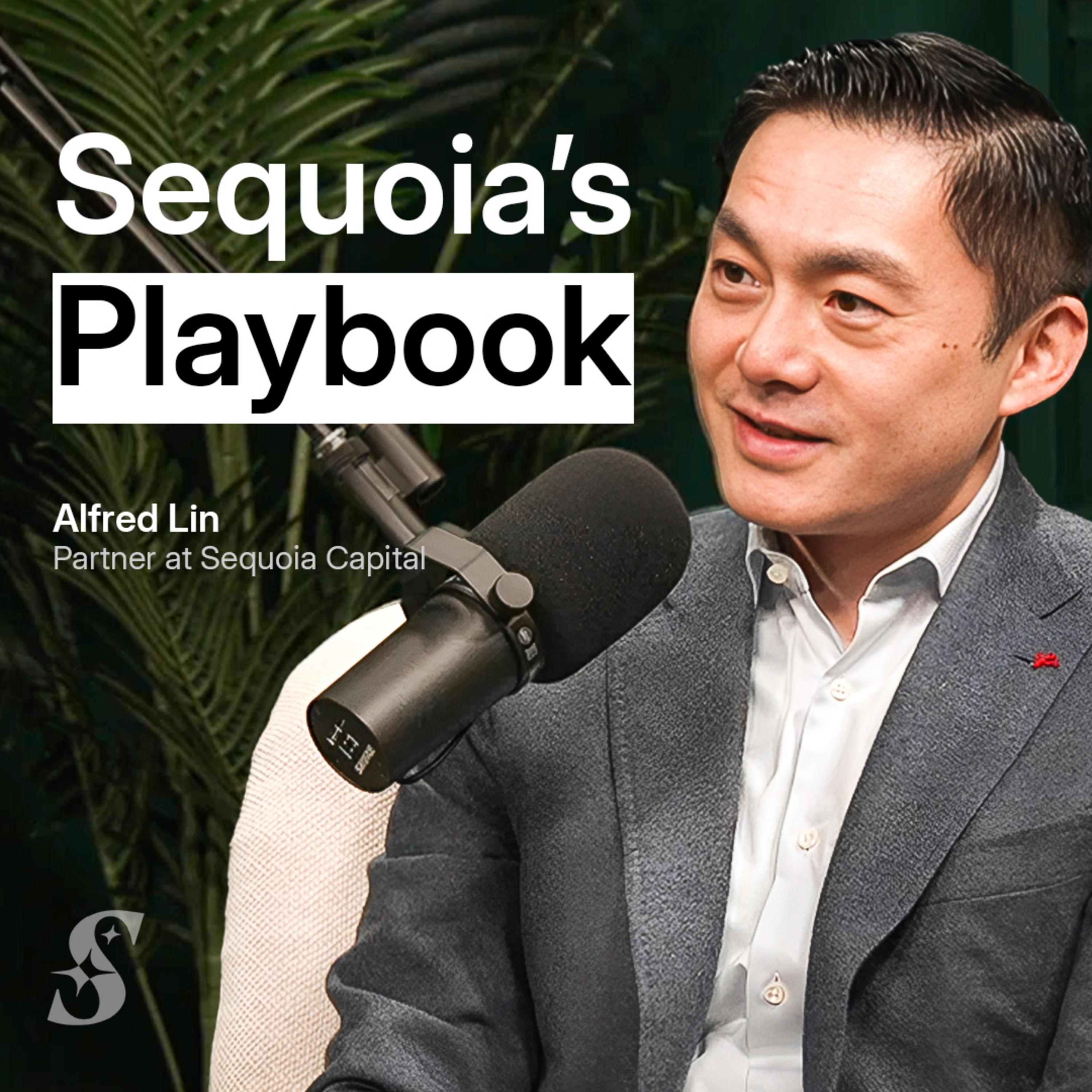 Inside Sequoia’s Strategy: Alfred Lin on Company Building & Partnering Long-term | Alfred Lin | 27 October 2025 | 35 min | Sequoia Partner Alfred Lin joins Sourcery to share how one of the world’s most iconic venture funds, which has distributed over $43B to investors since 2020, continues to back outlier founders at the earliest stages. Sequoia just launched its latest early stage funds: Seed Fund VI: $200M and Venture Fund XIX: $750M, to continue partnering with the next generation of outlier founders at the start of their journey. Sitting at Number 1 on the Midas list two years in a row, Alfred goes deep to share Sequoia’s company-building philosophy with stories from OpenAI, DoorDash, Kalshi, Commure, Zipline, and more. Alfred explains how Sequoia thinks about partnering with founders four standard deviations above the mean, why efficiency matters more than capital, the role of pivots in scaling, and how to distinguish quality revenue from experimental revenue in today’s AI-driven market. Topics include: Sequoia’s founder-first investing philosophy How Alfred helped Kalshi navigate regulatory battles DoorDash’s efficiency playbook vs. Uber Eats Zipline’s “Big P” pivot to medical drone delivery Revenue quality, AI hype cycles, and Sequoia’s outlook Alfred Lin : https://x.com/Alfred_Lin Molly O’Shea : https://x.com/MollySOShea Sourcery : https://x.com/sourceryvc 𝐒𝐏𝐎𝐍𝐒𝐎𝐑𝐒 • Brex —The modern finance platform, combining the world’s smartest corporate card with integrated expense management, banking, bill pay, & travel. |
| Sequoia Leads $75M Series B Into Nominal | Alfred Lin Joins Board | Alfred Lin | 12 June 2025 | 1:28 | Cameron McCord, CEO & Founder of Nominal, discuss their recent $75 million Series B round led by Sequoia, bringing their total funding to over $100 million. With this funding, #1 on the Midas list investor, Alfred Lin of Sequoia is joining their board. Alongside Stephen Slattery, Growth & Product at Nominal, they delve into Nominal’s rapid 10-day funding process, driven by thorough due diligence and their impressive customer testimonials. We go deeper into their innovative core products, Core and Connect, for hardware testing, software management, and their impressive traction in aerospace, defense, energy, and maritime industries. Closing large early customers like Shield AI, Antares, and Vatn. Cameron and Steven, share insights into their backgrounds, including experiences in the US Navy, Anduril, SpaceX, and other prestigious institutions, and how these experiences led them to create Nominal. Learn how Nominal accelerates testing processes, the company’s growth strategies, and the unique challenges and advancements in the hardware sector. Plus, Cameron’s fascinating background as a submarine officer. Molly on X: https://x.com/MollySOSheaCameron on X: https://x.com/cameronlmccord Brought to you by: Brex—The modern finance platform, combining the world’s smartest corporate card with integrated expense management, banking, bill pay, and travel. |
| Windsurf: The Making of a Billion-Dollar AI Company | Leigh Marie Braswell | 2 May 2025 | Leigh Marie Braswell, Partner at Kleiner Perkins, speaks with Molly O'Shea on the rise of AI and its impact on venture capital. We discuss KP's 21st venture fund, KP21, an $825M fund to back early stage companies, and their third select fund, KP Select III, a $1.2 billion fund to back high inflection investments. We also go deeper into key AI infrastructure trends and machine learning applications, investments in companies like Windsurf, Glean, and Ambience, and the evolution of Kleiner Perkins over its 50+ years. Learn about the firm's investment strategy, the significance of maintaining a small team, and the process of finding exceptional talent. Leigh Marie also shares her background at Scale AI and insights into creating 'talent vortexes.' A must-watch for entrepreneurs, investors, and AI enthusiasts. Leigh Marie Braswell is a Partner at Kleiner Perkins, where she focuses on investing in infrastructure and machine learning (ML) application startups. She joined the firm in 2023 after serving as a Principal at Founders Fund. Previously, she was an early engineer and the first product manager at Scale AI, leading development for 3D annotation products used in autonomous vehicles, robotics, and AR/VR. Molly on X: https://x.com/MollySOShea Guest on X: https://x.com/ttunguz Follow Sourcery for the latest updates! | |
| Delian Asparouhov: Varda’s Space Factories & Founders Fund | Delian Asparouhov | 28 March 2025 | 56 min | Delian Asparouhov, Co-Founder of Varda & Partner at Founders Fund | We discuss Varda's recent space missions, regulatory challenges, and the broader impact of venture capital in the aerospace industry. Delian shares insights on the complexities of defense and space regulations, the relationship between Silicon Valley and Washington DC, and in particular, the context of the Hill and Valley Forum, which aims to bridge the gap between tech leaders and defense officials. He also shares his thoughts on the future of space exploration—from adapting to other gravitational environments like Jupiter's, to the rise of the “Space Club,” including Eric Schmidt’s new role as CEO of Relativity. In addition, we go deeper on Delian’s investment strategy as he just hit the 6 year mark at Founders Fund, the importance of having an operational background in venture investing, and why seed investing might just be more effective as a hobby. Delian gives us the inside look at his investments in companies like Ramp, Sword Health, Varda, Hadrian, and more. Molly on X: https://x.com/MollySOShea Delian on X: https://x.com/zebulgar Follow Sourcery for the latest updates! https://www.sourcery.vc/ TIMESTAMPS: 0:00 - Welcome Delian To Sourcery! |
| Packy McCormick, Not Boring | How writing led to investing in Ramp, Scale AI, Replit, Varda | Packy McCormick | 14 February 2025 | 1:02 | Packy McCormick I've teamed up with Passes to grant us access to a pro podcast studio in LA, exclusive early releases, audience Q&A, & BTS content. Sign up for Passes for more Sourcery content! https://www.passes.com/ Follow Sourcery for the latest updates! https://www.sourcery.vc/ Molly on X: https://x.com/MollySOShea Packy on X: https://x.com/packyM TIMESTAMPS: 1:30 - Growing to 239k+ Subscribers 5:00 - How Writing Led to a $50M VC Fund 8:00 - The 'Not Boring' Creative Process 13:50 - Top Founder Characteristics 16:00 - Following Instincts vs Over-Intellectualization of VC 22:00 - Packy’s Best Investments (Ramp, Scale AI, Replit, Chroma, Varda, Hadrian, Pipedream) 25:55 - Intro to Vertical Integrators (Base, Fuse, Varda, Hadrian) 38:00 - Why American Dynamism Won 42:45 - YC RFS Hot Take 46:00 - Can Heavy CapX Companies Raise Growth Funding? 49:15 - Packy’s Hot Take On AI - Is It Alive? Just A Marketing Stunt?! DOGE Recruiting? 1:00:00 - What Packy Is Most Excited About in 2025 #podcast #investing #technology #venturecapital #entrepreneur #startup #siliconvalley |
| Dan Wright, CEO Armada | Trae Stephens Next Big Bet | Trae Stephens | 22 November 2024 | Today Molly O'Shea speaks with Dan Wright , CEO of Armada , backed with $100M to date from notable investors like Trae Stephens from Founders Fund, 137 Ventures, Lux, Dragon Global, Microsoft’s M12, 8VC, Shield Capital, among others. Armada is a leading edge computing company deploying servers for advanced AI applications in remote locations. More impressively, this company barely started 2 years ago and has been out of stealth for less than a year, while achieving critical milestones like partnerships with Starlink, Skydio, Hallibutron, and more, we’ll discuss shortly. Dan is a remarkable figure in the world of data coming from key executive positions at DataRobot and AppDynamics, while Armada’s COO Jon Runyan led Okta through its IPO, and CTO Pradeep Nair was VP of MSFT Azure. This is a great sneak peek into the early innings of one of the next most important rocket ship companies in technology. Disclosure: The Fund Molly works for is an investor in Armada -- Follow on Twitter https://x.com/MollySOShea https://x.com/danwrightsf -- Check out Armada https://www.armada.ai/ -- Subscribe to Sourcery: https://www.sourcery.vc/ -- Sponsor: Archer Archer's Midnight is a piloted four passenger aircraft designed to perform rapid back-to-back flights with minimal charge time between flights. | |
| Computer Science is 'So Hot Right Now' | Grace Isford, Lux Capital | Grace Isford | 23 August 2024 | Molly O'Shea talks to Grace Isford of Lux Capital, the firm’s youngest Partner, on computational sciences, the current AI Landscape, her investment thesis on New York City's AI sector, and implementing AI in companies. Grace discusses the potential and challenges of AI agents, the current state of the technology as well as the companies making progress in this space. She also provides practical advice on how companies can implement AI, emphasizing the importance of defining your goals, finding the right tools, and proving value. Is it time to invest in AI? Listen to Grace’s insights and perspectives on the current investment climate and where opportunities lie in the evolving AI landscape, highlighting the potential and challenges of infrastructure and application companies. - Follow on Twitter https://x.com/MollySOShea https://x.com/graceisford -- Check out: Lux Capital: https://www.luxcapital.com/ -- Subscribe to Sourcery: https://www.sourcery.vc/ -- Sponsor: ArcherArcher's Midnight is a piloted four passenger aircraft designed to perform rapid back-to-back flights with minimal charge time between flights. | |
| Jared Hecht of USV, 2x Exited Founder of Fundera (Nerdwallet) & GroupMe (Skype/Microsoft) | Jared Hecht | 26 April 2024 | This episode of Sourcery features an in-depth conversation with Jared Hecht, Venture Partner at USV and 2x exited founder of Fundera and GroupMe. Fundera, Grew to a profitable $100M+ annual revenue business with 1M+ monthly visitors to the marketplace. It was acquired by Nerdwallet in 2020. GroupMe, with over 100M+ people have used GroupMe, including 25M MAU and virtually every college student in the country. It was acquired by Skype/MSFT in 2011 Jared shares his journey from starting his career at Tumblr to founding successful companies Fundera and GroupMe and eventually transitioning into venture capital at USV , emphasizing the importance of honesty and support from VCs. This episode surfaces Jared’s uniquely personal insights into the tech industry, behind the scenes at USV, his characterization of the personality types in VC, and the personal growth that comes from traversing the world of startups as a founder and an investor. | |
| Varda's Landing, Peter Thiel, & the Future of El Segundo, Delian Asparouhov, Founders Fund | Delian Asparouhov | 15 March 2024 | 53 min | In this podcast episode Molly O'Shea interviews Delian Asparouhov, Partner at Founders Fund and Co-Founder and President of Varda Space Industries, who dives into his experience building and investing in biotech, aerospace, and manufacturing. Asparouhov also discusses the evolution of his investment strategies, the difference between Khosla Ventures and Founders Fund, the evolution of El Segundo, & creating more inclusive cultures. Resources Subscribe to Sourcery: https://www.sourcery.vc/ Companies Mentioned Varda Space Industries https://www.varda.com/ Starlink https://www.starlink.com/ Elektrofi https://www.elektrofi.com/ Halozyme https://halozyme.com/ TSMC https://www.tsmc.com/ Rocketlab https://www.rocketlabusa.com/ Founders Fund https://foundersfund.com/ Khosla Ventures https://www.khoslaventures.com/ Timestamps (00:00) Preview (03:03) The Idea Maze That Led to Varda Space Industries (06:00) The Potential of Low-Earth Orbit Spacecraft (09:03) Exploring the Economic Viability of Space Manufacturing (11:15) Navigating the Competitive Landscape of Space Manufacturing (14:56) On Pharma and Varda's Strategic Business Direction (20:40) Gravity Research for Space Manufacturing (25:48) Taking the Plunge into DeepTech: Biotech, Space Tech, & Manufacturing (28:23) Transitioning from Operator to Investor (33:31) The Difference Between Khosla Ventures & Founders Fund (36:58) Miami vs. |
 Brian Armstrong: "We're Bringing Every Asset Class On Chain" | Brian Armstrong | |||
| CIO of Marc & Ben's Multi-Family Office: SpaceX IPO, Anthropic & OpenAI | Michel Del Buono | |||
| Elon Musk & The SpaceX IPO: Largest Wealth Event in History? | Shaun Maguire, Sequoia | Shaun Maguire | |||
| Founder of Fundera (Nerdwallet) & GroupMe (Skype/Microsoft) Path to VC | Jared Hecht, USV | Jared Hecht | |||
| How Marc Andreessen, Ben Horowitz, & David Ulevitch Started a16z’s American Dynamism Fund | David Ulevitch | |||
| Inside a16z Growth: Waymo, Stripe, ElevenLabs, Revolut, Coinbase, Kalshi | Alex Immerman | |||
| Inside Marc Andreessen & Ben Horowitz’s Multi-Family Office | Michel Del Buono | |||
| Trae Stephens on Anduril’s Origin, Peter Thiel, & Palantir DNA | Trae Stephens | |||
| Windsurf: The Making of a Billion-Dollar AI Company | Leigh Marie Braswell, Kleiner Perkins | Leigh Marie Braswell |
SUSV’s New $900M Fund: Fred Wilson, Rebecca Kaden & Mike MignanoFred Wilson, Rebecca Kaden · 8 October 2026SUSV’s New $900M Fund: Fred Wilson, Rebecca Kaden & Mike MignanoFred Wilson · 8 October 2026SBrett Adcock, CEO of FigureBrett Adcock · 30 April 2026SMax Levchin: The InterviewMax Levchin · 14 April 2026S$4.5B Brain-Inspired AI Chip CompanyKonstantine Buhler · 7 February 2026SHow Elon Builds Trillion-Dollar CompaniesShaun Maguire · 28 January 2026SPalmer Luckey on UFOs, Anduril, Invisibility Tech, & Moon WarsPalmer Luckey · 22 December 2025SInside Anduril HQ: Trae Stephens on Anduril’s Origin, Peter Thiel, & Palantir DNATrae Stephens · 18 December 2025S$635M Exit → $600M Fund: David Ulevitch on Building a16z’s Hottest New FundDavid Ulevitch · 22 November 2025SWhy Marc Andreessen, Ben Horowitz, & David Ulevitch Launched American DynamismDavid Ulevitch · 18 November 2025SAlfred Lin on Airbnb, DoorDash, OpenAI & Citadel SecuritiesAlfred Lin · 30 October 2025SInside Sequoia’s Strategy: Alfred Lin on Company Building & Partnering Long-termAlfred Lin · 27 October 2025SSequoia Leads $75M Series B Into Nominal | Alfred Lin Joins BoardAlfred Lin · 12 June 2025SWindsurf: The Making of a Billion-Dollar AI CompanyLeigh Marie Braswell · 2 May 2025SDelian Asparouhov: Varda’s Space Factories & Founders FundDelian Asparouhov · 28 March 2025SPacky McCormick, Not Boring | How writing led to investing in Ramp, Scale AI, Replit, VardaPacky McCormick · 14 February 2025SDan Wright, CEO Armada | Trae Stephens Next Big BetTrae Stephens · 22 November 2024SComputer Science is 'So Hot Right Now' | Grace Isford, Lux CapitalGrace Isford · 23 August 2024SJared Hecht of USV, 2x Exited Founder of Fundera (Nerdwallet) & GroupMe (Skype/Microsoft)Jared Hecht · 26 April 2024SVarda's Landing, Peter Thiel, & the Future of El Segundo, Delian Asparouhov, Founders FundDelian Asparouhov · 15 March 2024SBrian Armstrong: "We're Bringing Every Asset Class On Chain"Brian ArmstrongSCIO of Marc & Ben's Multi-Family Office: SpaceX IPO, Anthropic & OpenAIMichel Del BuonoSElon Musk & The SpaceX IPO: Largest Wealth Event in History? | Shaun Maguire, SequoiaShaun MaguireSFounder of Fundera (Nerdwallet) & GroupMe (Skype/Microsoft) Path to VC | Jared Hecht, USVJared HechtSHow Marc Andreessen, Ben Horowitz, & David Ulevitch Started a16z’s American Dynamism FundDavid UlevitchSInside a16z Growth: Waymo, Stripe, ElevenLabs, Revolut, Coinbase, KalshiAlex ImmermanSInside Marc Andreessen & Ben Horowitz’s Multi-Family OfficeMichel Del BuonoSTrae Stephens on Anduril’s Origin, Peter Thiel, & Palantir DNATrae StephensSWindsurf: The Making of a Billion-Dollar AI Company | Leigh Marie Braswell, Kleiner PerkinsLeigh Marie Braswell
SUSV’s New $900M Fund: Fred Wilson, Rebecca Kaden & Mike MignanoFred Wilson · 8 October 2026SBrett Adcock, CEO of FigureBrett Adcock · 30 April 2026SMax Levchin: The InterviewMax Levchin · 14 April 2026S$4.5B Brain-Inspired AI Chip CompanyKonstantine Buhler · 7 February 2026SHow Elon Builds Trillion-Dollar CompaniesShaun Maguire · 28 January 2026SPalmer Luckey on UFOs, Anduril, Invisibility Tech, & Moon WarsPalmer Luckey · 22 December 2025SInside Anduril HQ: Trae Stephens on Anduril’s Origin, Peter Thiel, & Palantir DNATrae Stephens · 18 December 2025S$635M Exit → $600M Fund: David Ulevitch on Building a16z’s Hottest New FundDavid Ulevitch · 22 November 2025SWhy Marc Andreessen, Ben Horowitz, & David Ulevitch Launched American DynamismDavid Ulevitch · 18 November 2025SAlfred Lin on Airbnb, DoorDash, OpenAI & Citadel SecuritiesAlfred Lin · 30 October 2025SInside Sequoia’s Strategy: Alfred Lin on Company Building & Partnering Long-termAlfred Lin · 27 October 2025SSequoia Leads $75M Series B Into Nominal | Alfred Lin Joins BoardAlfred Lin · 12 June 2025SWindsurf: The Making of a Billion-Dollar AI CompanyLeigh Marie Braswell · 2 May 2025SDelian Asparouhov: Varda’s Space Factories & Founders FundDelian Asparouhov · 28 March 2025SPacky McCormick, Not Boring | How writing led to investing in Ramp, Scale AI, Replit, VardaPacky McCormick · 14 February 2025SDan Wright, CEO Armada | Trae Stephens Next Big BetTrae Stephens · 22 November 2024SComputer Science is 'So Hot Right Now' | Grace Isford, Lux CapitalGrace Isford · 23 August 2024SJared Hecht of USV, 2x Exited Founder of Fundera (Nerdwallet) & GroupMe (Skype/Microsoft)Jared Hecht · 26 April 2024SVarda's Landing, Peter Thiel, & the Future of El Segundo, Delian Asparouhov, Founders FundDelian Asparouhov · 15 March 2024SBrian Armstrong: "We're Bringing Every Asset Class On Chain"Brian ArmstrongSCIO of Marc & Ben's Multi-Family Office: SpaceX IPO, Anthropic & OpenAIMichel Del BuonoSElon Musk & The SpaceX IPO: Largest Wealth Event in History? | Shaun Maguire, SequoiaShaun MaguireSFounder of Fundera (Nerdwallet) & GroupMe (Skype/Microsoft) Path to VC | Jared Hecht, USVJared HechtSHow Marc Andreessen, Ben Horowitz, & David Ulevitch Started a16z’s American Dynamism FundDavid UlevitchSInside a16z Growth: Waymo, Stripe, ElevenLabs, Revolut, Coinbase, KalshiAlex ImmermanSInside Marc Andreessen & Ben Horowitz’s Multi-Family OfficeMichel Del BuonoSTrae Stephens on Anduril’s Origin, Peter Thiel, & Palantir DNATrae StephensSWindsurf: The Making of a Billion-Dollar AI Company | Leigh Marie Braswell, Kleiner PerkinsLeigh Marie Braswell