Haunted Empire
Apple in the two years after Steve Jobs died, from more than 200 interviews.
Early and much-disputed argument that Apple declined after Jobs.
Summary
Yukari Iwatani Kane, a former Wall Street Journal technology reporter, examines Apple in the two years after the death of Steve Jobs. Drawing on more than two hundred interviews with current and former executives, business partners, Apple watchers and others, she describes the tensions and challenges facing Tim Cook and his team as they try to sustain Jobs's vision and keep the company moving.
Jobs's death raised one of the most pressing questions in technology and business: could Apple stay great without its iconic leader? Many inside the company were eager to prove that it could be as innovative as under Jobs; others were painfully aware of the scale of the task. As the business grew more complex and global, Apple came under intense and often critical scrutiny, and keeping its market lead became harder as it tried to enter new fields and satisfy demand for "insanely great" products. The shelf's own note calls it an early and much-disputed argument that Apple declined after Jobs.
Key takeaways 4
- Kane asks whether Apple could remain great without Steve Jobs.
- Tim Cook's team faced internal tensions while trying to keep Jobs's vision alive.
- Apple's growing size and complexity brought new pressures and criticism.
- The book rests on more than two hundred interviews.
Who should read it
Readers interested in Apple, leadership succession and the technology industry.
Similar books 6
Chosen by shared topics, the entries that hold them, and the people who recommended both.
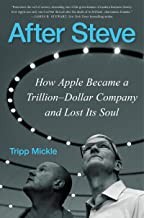
Apple after Steve Jobs, told through Tim Cook's operations and Jony Ive's design.
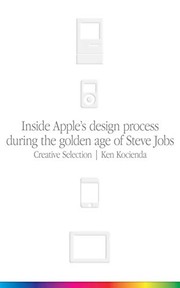
How Apple developed software, from an engineer who built the iPhone keyboard.
Recommended by: Chris Dixon, Jordan Hughes, Keith Rabois and 1 other
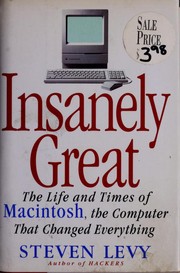
How the Macintosh was made and launched in 1984.
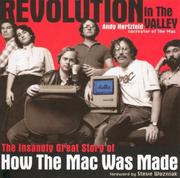
How the Macintosh was made, told by a team member with photos and sketches.
Recommended by: Keith Rabois, Patrick Collison
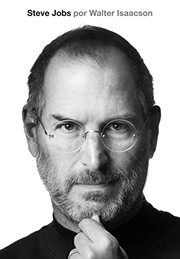
Steve Jobs's life and Apple's products, from forty interviews with him and many more.
Recommended by: Mohnish Pabrai, Patrick Collison and 17 others
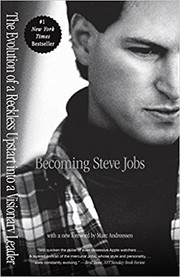
How the NeXT and Pixar years changed Steve Jobs into the leader who rebuilt Apple.
Recommended by: Jim Collins, Keith Rabois, Mohnish Pabrai and 6 others