
Meraki
companyTechnology
Meraki offered a complete system of networking products, doing away with market fragmentation so companies could leverage quality network connections. Now part of Cisco, Meraki still provides routing and security solutions for home and enterprise networks through its hardware and cloud-based solutions.
- John Bicket · Founder
- Sanjit Biswas · Founder
- Hans Robertson · Founder
 Andy McCallnamed it in 1 interview“Drawing on Joe's Lighthouse or Landgrab framework and Andy's experience building sales organizations at Samsara and Meraki, they explore how founders can determine which strategy fits their market, when social proof matters more than math, and why the current rush to adopt AI has created a rare window for startups to sell big software again.” — The Two Ways to Sell AI: Lighthouse or Landgrab? (The a16z Show, 2026)
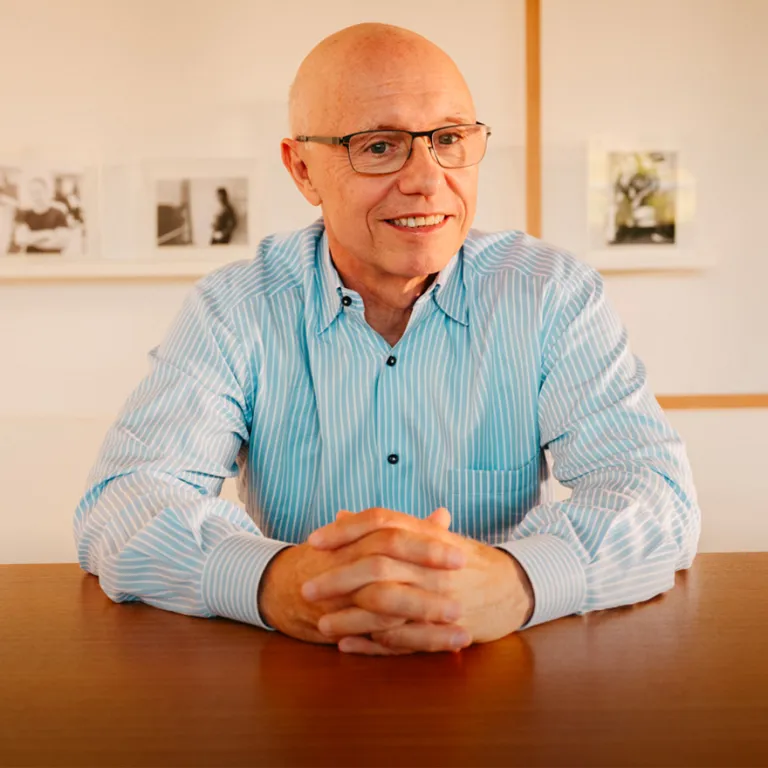 Doug Leonenamed it in 1 interview“As for Doug, he joined Sequoia over 33 years ago and has led investments in Nubank, Meraki, ServiceNow and TradeRepublic to name a few.” — 20VC: Sequoia's Doug Leone on What Has Been Instrumental To Scaling Sequoia Over Generations, How Sequoia Think About International Expansion and What They Learned From China and India & Why When You Lose Pre-Seed You Become Private Equity (The Twenty Minute VC (20VC): Venture Capital | Startup Funding | The Pitch, 2021)
 Joe Schmidtnamed it in 1 interview“Drawing on Joe's Lighthouse or Landgrab framework and Andy's experience building sales organizations at Samsara and Meraki, they explore how founders can determine which strategy fits their market, when social proof matters more than math, and why the current rush to adopt AI has created a rare window for startups to sell big software again.” — The Two Ways to Sell AI: Lighthouse or Landgrab? (The a16z Show, 2026)
| The Two Ways to Sell AI: Lighthouse or Landgrab? | Andy McCall, Joe Schmidt | The a16z Show | 2026-08-13 | Elena Burger is joined by a16z's Andy McCall and Joe Schmidt to break down two very different ways AI startups can go to market: the lighthouse and the landgrab. Should founders win a handful of marquee customers whose credibility unlocks an entire industry, or move quickly across a broad market where the ROI already speaks for itself? Drawing on Joe's Lighthouse or Landgrab framework and Andy's experience building sales organizations at Samsara and Meraki, they explore how founders can determine which strategy fits their market, when social proof matters more than math, and why the current rush to adopt AI has created a rare window for startups to sell big software again. They also get tactical on POCs, pricing and ACV, hiring early sales teams, moving from mid-market to enterprise, and why founders shouldn't spend too much time perfecting their GTM strategy before talking to customers. As Andy puts it: spend 1% of your time on strategy and 99% executing. | |
| 20VC: Sequoia's Doug Leone on What Has Been Instrumental To Scaling Sequoia Over Generations, How Sequoia Think About International Expansion and What They Learned From China and India & Why When You Lose Pre-Seed You Become Private Equity | Doug Leone | The Twenty Minute VC (20VC): Venture Capital | Startup Funding | The Pitch | 2021-09-14 | Doug Leone is the Global Managing Partner @ Sequoia Capital , one of the world's most renowned and successful venture firms with a portfolio including the likes of Google, Airbnb, Whatsapp, Stripe, Zoom and many more. As for Doug, he joined Sequoia over 33 years ago and has led investments in Nubank, Meraki, ServiceNow and TradeRepublic to name a few. In Today's Episode with Doug Leone You Will Learn: 1.) How a 5PM Monday meeting with Don Valentine led to Doug joining Sequoia over 33 years ago? What did Don ask Doug in the meeting? What does Doug believe led Don to offer him his first role at Sequoia? 2.) The Leader: How did Doug change when he made the transition from a "COO" role to more of a "CEO" role with Sequoia? Doug has previously said, "Sequoia is a team, not a family". What does he mean by this? How do Doug and Sequoia do to give the team an unwavering sense of duty to the Sequoia brand? What does Doug believe Sequoia have done so well to allow them to move seamlessly from generation to generation? 3.) The Investor: Doug's first 3 investments all went on to successful IPOs, how did this impact his mindset at the time? What does Doug mean when he discusses "the abyss" he went through post this time? How does Doug advise others going through the abyss? What are the signs certain people will make it through vs not? 4.) The Landscape Today: How does Doug think about and react to newer entrants like Tiger and Softbank? |
 TThe Two Ways to Sell AI: Lighthouse or Landgrab?The a16z Show · 2026-08-13
 T20VC: Sequoia's Doug Leone on What Has Been Instrumental To Scaling Sequoia Over Generations, How Sequoia Think About International Expansion and What They Learned From China and India & Why When You Lose Pre-Seed You Become Private EquityThe Twenty Minute VC (20VC): Venture Capital | Startup Funding | The Pitch · 2021-09-14