
Washington Post
Washington, DC daily newspaper founded in 1877; Jeff Bezos bought it in 2013, and it had 2.5 million digital subscribers in 2023.
Market cap $5.2B on 21 Nov 2026
| Berkshire Hathaway | Warren Buffett | 14 | 1981–2013 |
| Constellation Software | Mark Leonard | 1 | 2017–2017 |
| Berkshire Hathaway Chairman’s Letter 2003 | Warren Buffett argues per-share intrinsic value, not book value, is what counts, and reviews Berkshire's change since 1964. | Berkshire Hathaway | Warren Buffett | 2003 |
| Berkshire Hathaway Chairman’s Letter 2000 | Warren Buffett judges that Berkshire's 2000 gain in per-share intrinsic value moderately exceeded its gain in book value. | Berkshire Hathaway | Warren Buffett | 2000 |
| Berkshire Hathaway Chairman’s Letter 1997 | Warren Buffett reports Berkshire's 1997 net worth gain of $8.0 billion. | Berkshire Hathaway | Warren Buffett | 1997 |
| Berkshire Hathaway Chairman’s Letter 1994 | Warren Buffett predicts Berkshire's future performance won't come close to its past. | Berkshire Hathaway | Warren Buffett | 1994 |
| Berkshire Hathaway Chairman’s Letter 1993 | Warren Buffett reports Berkshire's 1993 net worth rose $1.5 billion and explains the non-operating items affecting it. | Berkshire Hathaway | Warren Buffett | 1993 |
| Berkshire Hathaway Chairman’s Letter 1991 | Warren Buffett warns that Berkshire's $7.4 billion of equity capital means it cannot keep its past rate of gain. | Berkshire Hathaway | Warren Buffett | 1991 |
| Berkshire Hathaway Chairman’s Letter 1988 | Warren Buffett reiterates in 1988 that intrinsic business value, not book value, is what counts. | Berkshire Hathaway | Warren Buffett | 1988 |
| Berkshire Hathaway Chairman’s Letter 1987 | Warren Buffett argues the rate of gain in per-share business value, not book value, is what counts, in 1987. | Berkshire Hathaway | Warren Buffett | 1987 |
| Berkshire Hathaway Chairman’s Letter 1986 | Warren Buffett notes Berkshire's book value has understated intrinsic business value, in his 1986 letter. | Berkshire Hathaway | Warren Buffett | 1986 |
| Berkshire Hathaway Chairman’s Letter 1985 | Warren Buffett reviews 1985, including the end of Berkshire's textile business. | Berkshire Hathaway | Warren Buffett | 1985 |
| Berkshire Hathaway Chairman’s Letter 1984 | Warren Buffett argues the gain in per-share intrinsic business value is the measure that counts, in 1984. | Berkshire Hathaway | Warren Buffett | 1984 |
| Berkshire Hathaway Chairman’s Letter 1982 | Warren Buffett reports deteriorating insurance underwriting and growing equity capital in 1982. | Berkshire Hathaway | Warren Buffett | 1982 |
| Berkshire Hathaway Chairman’s Letter 1981 | Warren Buffett reports 1981 operating earnings of $39.7 million, 15.2% of beginning equity, and a new shareholder-designated giving plan. | Berkshire Hathaway | Warren Buffett | 1981 |
| Berkshire Hathaway Chairman’s Letter 2013 | Warren Buffett reports Berkshire's 2013 net worth gain of $34.2 billion, after $1.8 billion of charges from buying the minorities in Marmon and Iscar. | Berkshire Hathaway | Warren Buffett | 2013 |
| Constellation Software Inc. 2017 President's Letter | Mark Leonard says he will write to Constellation Software shareholders only when he has something new and important to say, pointing to his letter archive. | Constellation Software | Mark Leonard | 2017 |
If you had bought shares of the Washington Post (now the Graham Holdings Company) four decades ago, you would have more than trebled the gains generated by the S&P500 over those forty years.Show in the letter ›
Constellation Software Inc. 2017 President's Letter · Constellation Software · page 7 · 2017
In 1975, I wrote a memo to Katharine Graham, then chairman of The Washington Post Company, about the pitfalls of pension promises and the importance of investment policy.Show in the letter ›
Berkshire Hathaway Chairman’s Letter 2013 · Berkshire Hathaway · page 20 · 2013
Otherwise, among our six largest holdings, we last changed our position in Coca-Cola in 1994, American Express in 1998, Gillette in 1989, Washington Post in 1973, and Moody’s in 2000.Show in the letter ›
Berkshire Hathaway Chairman’s Letter 2003 · Berkshire Hathaway · page 19 · 2003
For example, under beta-based theory, a stock that has dropped very sharply compared to the market - as had Washington Post when we bought it in 1973 - becomes "riskier" at the lower price than it was at the higher price.Show in the letter ›
Berkshire Hathaway Chairman’s Letter 1993 · Berkshire Hathaway · 1993
That latter consideration was particularly important because The Washington Post Company has two classes of stock, a structure that we've seen some managers abuse.Show in the letter ›
Berkshire Hathaway Chairman’s Letter 1993 · Berkshire Hathaway · 1993
The strong balance sheets and strong managements of Cap Cities and Washington Post leave us more comfortable with these investments than we would be with holdings in any other media companies.Show in the letter ›
Berkshire Hathaway Chairman’s Letter 1991 · Berkshire Hathaway · 1991
Our permanent holdings - Capital Cities/ABC, Inc., GEICO Corporation, and The Washington Post Company - remain unchanged.Show in the letter ›
Berkshire Hathaway Chairman’s Letter 1988 · Berkshire Hathaway · 1988
In any event, at our three marketable-but permanent holdings, this point is moot: With Tom Murphy and Dan Burke at Cap Cities, Bill Snyder and Lou Simpson at GEICO, and Kay Graham and Dick Simmons at The Washington Post, we simply couldn't be in better hands.Show in the letter ›
Berkshire Hathaway Chairman’s Letter 1987 · Berkshire Hathaway · 1987
For example, we purchased our Washington Post stock in 1973 at $5.63 per share, and per-share operating earnings in 1987 after taxes were $10.30.Show in the letter ›
Berkshire Hathaway Chairman’s Letter 1987 · Berkshire Hathaway · 1987
When the corporate rate is cut, do Berkshire, The Washington Post, Cap Cities, etc., themselves soak up the benefits, or do these companies pass the benefits along to their customers in the form of lower prices?Show in the letter ›
Berkshire Hathaway Chairman’s Letter 1986 · Berkshire Hathaway · 1986
We have again reported substantial income from special distributions, this year from Washington Post and General Foods.Show in the letter ›
Berkshire Hathaway Chairman’s Letter 1985 · Berkshire Hathaway · 1985
The object of these restrictions is to make sure that our block does not get sold to anyone who is a large holder (or intends to become a large holder) without the approval of management, an arrangement similar to ones we initiated some years ago at GEICO and Washington Post.Show in the letter ›
Berkshire Hathaway Chairman’s Letter 1985 · Berkshire Hathaway · 1985
We have prospered in a very major way - as have other shareholders - by the large share repurchases of GEICO, Washington Post, and General Foods, our three largest holdings.Show in the letter ›
Berkshire Hathaway Chairman’s Letter 1984 · Berkshire Hathaway · 1984
Reynolds Industries, Inc. and The Washington Post Company - our share of undistributed and therefore unrecorded earnings probably will total well over $35 million in 1982.Show in the letter ›
Berkshire Hathaway Chairman’s Letter 1981 · Berkshire Hathaway · 1981
 Warren Buffettdiscussed it in 14 letters
 Safi Bahcallnamed it in 3 interviews“It's recommended by Bill Gates, Daniel Kahneman, Daniel Pink, Malcolm Gladwell, and Tim Ferriss and was selected as the best business book of the year by Amazon, Bloomberg, Business Insider, Financial Times, Forbes, Inc., Medium, and the Washington Post.” — "Loonshots:" Author of the #1 Book of the Year on 'The Invisible Axe'--Safi Bahcall (The Professionals Playbook, 2020)
 Jeremy Siegelnamed it in 2 interviews“His book Stocks for the Long Run was named by The Washington Post as one of the 10 best investment books of all time.” — Episode 3 (4/7/21): A Conversation with Professor Jeremy Siegel (Fieldpoints of View with Cameron Dawson and Johnny Gibson, 2021)
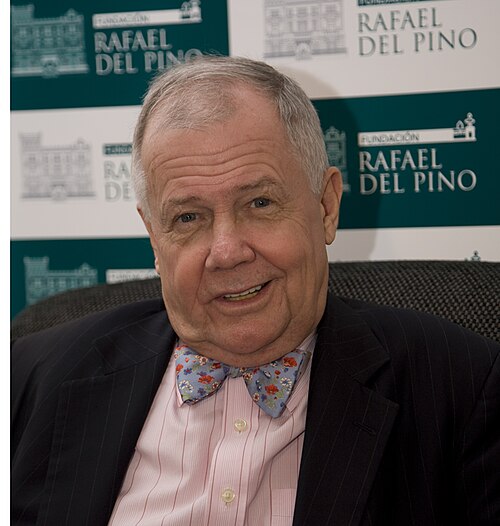 Jim Rogersnamed it in 2 interviews“He has been frequently featured in Time, The Washington Post, The New York Times, Barron's, Forbes, Fortune, The Wall Street Journal, The Financial Times, and most publications dealing with the economy or finance.” — 30. Jim Rogers - Investor, Author & Adventurer (Asia Society Hong Kong Movers & Shakers Podcast, 2021)
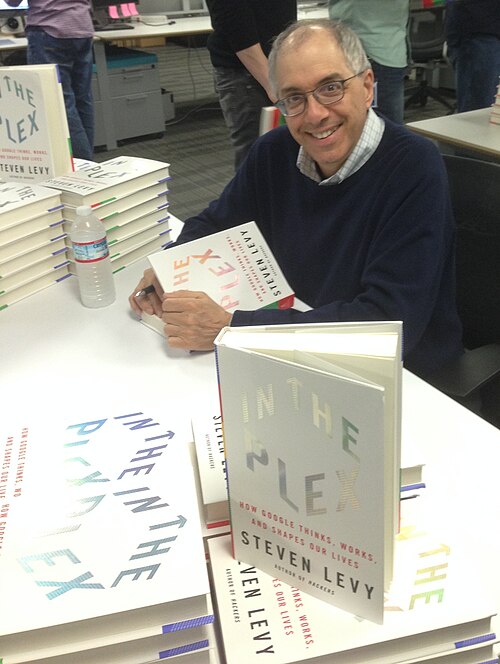 Steven Levynamed it in 2 interviews“The Washington Post has called him “America’s premier technology journalist.” For almost four decades Levy has chronicled the digital revolution, its impact on humanity, and the people behind it.” — Episode 2254: Steven Levy on what has and hasn't surprised him about the last twenty years of tec... (Keen On America, 2024)
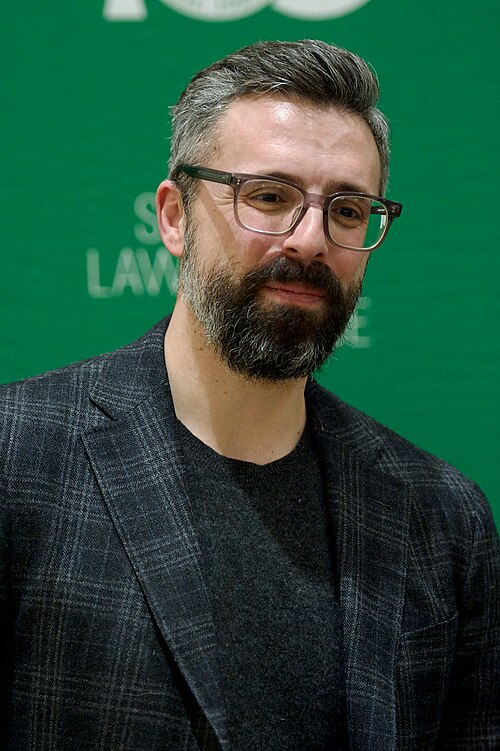 Ezra Kleinnamed it in 2 interviews“He is also the co-founder of Vox, where he served as editor-in-chief and later editor-at-large, and previously worked at The Washington Post, The American Prospect, Bloomberg, and MSNBC.” — The Decay Of Decency With Ezra Klein (The Daily Stoic, 2026)
 Katherine Boylenamed it in 2 interviews“She was also a reporter at The Washington Post.” — #216 Katherine Boyle - America's Defense Tech Renaissance (The Shawn Ryan Show, 2025)
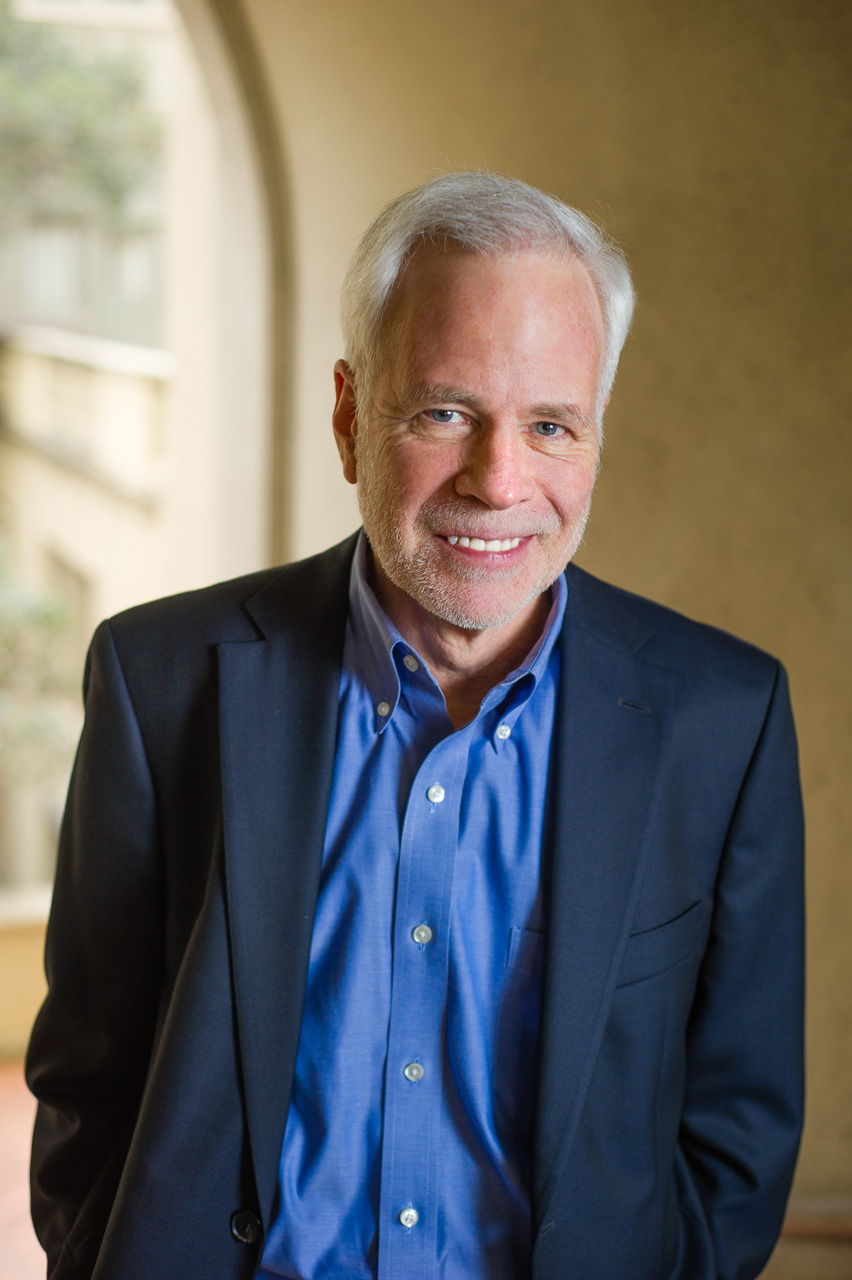 Barry Eichengreennamed it in 1 interview“Paul Blustein is a former Washington Post and Wall Street Journal journalist who has authored several acclaimed books on global economic institutions.” — Barry Eichengreen, Paul Blustein, and Brendan Greeley on Dollar Dominance | Macro Musings (Macro Musings with David Beckworth, 2026)
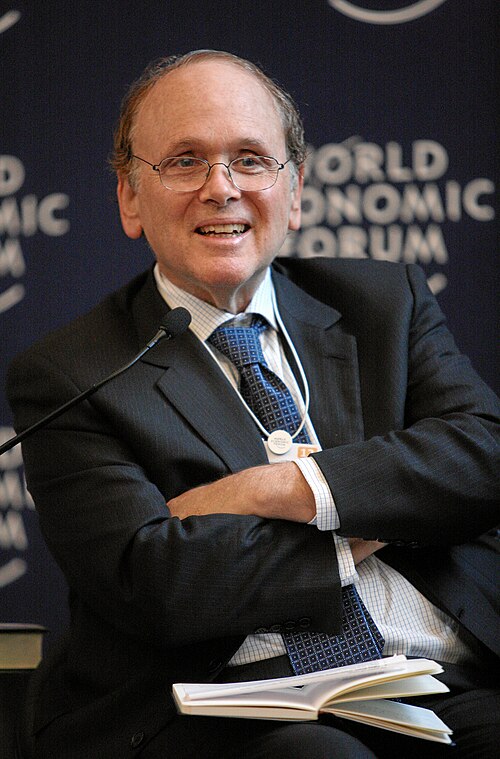 Daniel Yerginnamed it in 1 interview“The Washington Post explains why Joe Biden pledged not to ban fracking.” — The new politics of energy (ft. Daniel Yergin) (Worldly, 2020)
Show all 18
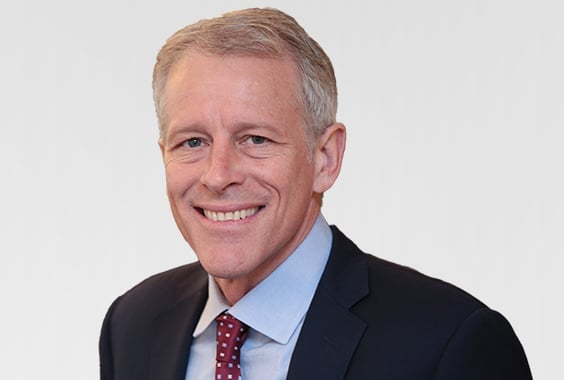 Whitney Tilsonnamed it in 1 interview“As a graduate with distinction from both Harvard College and Harvard Business School, Whitney has become a prolific author, a frequent financial commentator on a variety of television networks, and has been featured on 60 Minutes, and in the Wall Street Journal and the Washington Post.” — Whitney Tilson on Leviticus 19:16 -- "Leading with Compassion" (The Rabbi's Husband, 2020)
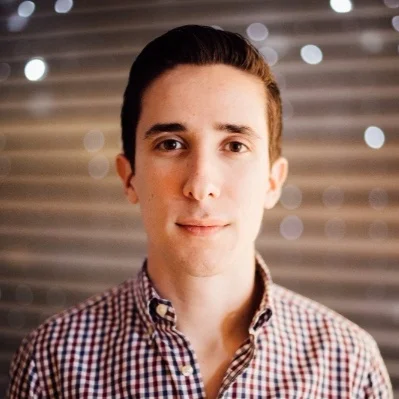 Allen Gannettnamed it in 1 interview“Allen Gannett is the founder and CEO of TrackMaven , he's is a frequent writer on creativity, leadership, and marketing for major publications including Fast Company, The Washington Post as well as many others.” — #43: The Science Behind Why Some Marketing Ideas Work While Others Don't with Allen Gannett (Growth Experts with Dennis Brown, 2018)
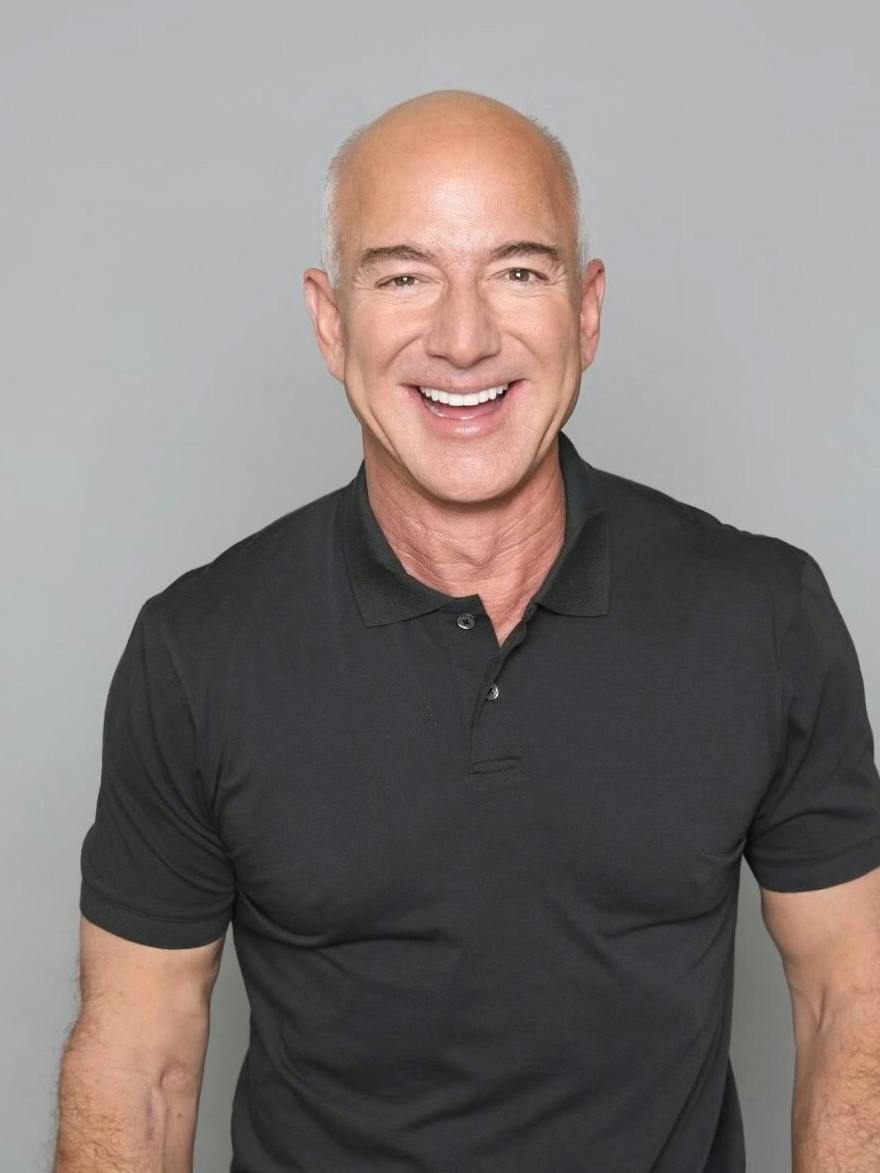 Jeff Bezosnamed it in 1 interview“Plus, as owner of The Washington Post, Bezos comments on that newsroom’s mass layoffs and the current state of journalism.” — Jeff Bezos & Andrew Ross Sorkin at Blue Origin 5/20/26 (Squawk Pod, 2026)
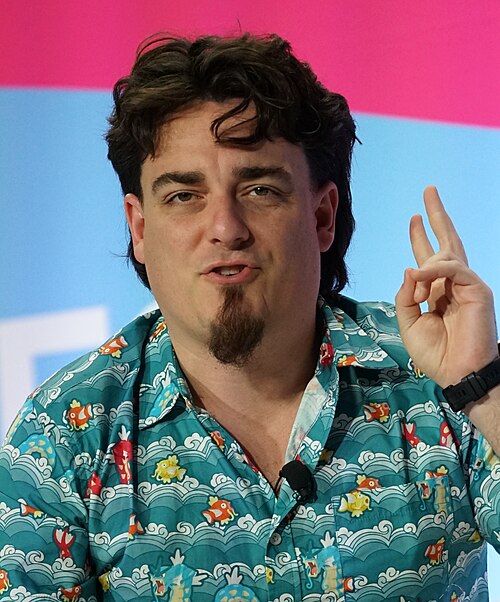 Palmer Luckeynamed it in 1 article
| Barry Eichengreen, Paul Blustein, and Brendan Greeley on Dollar Dominance | Macro Musings | Barry Eichengreen | Macro Musings with David Beckworth | 2026-08-03 | 59 min | Barry Eichengreen is a is well known author, economist, and economic historian from the University of California, Berkeley. Paul Blustein is a former Washington Post and Wall Street Journal journalist who has authored several acclaimed books on global economic institutions. Brendan Greeley is a veteran journalist from the Financial Times and current PhD student at Princeton studying monetary history. They all return to the show for a special roundtable discussion where they discuss the history of dominant currencies, whether we will always end up with a single reserve currency, whether monetary sovereignty is earned or given, the question of exorbitant privilege, what there is to do about a second China Shock, the future of dollars in the digital age, and much more. Watch the full length video on our new YouTube Channel! Check out the transcript for this week's episode, now with links. Recorded on May 11th, 2026 Subscribe to David's Substack: Macroeconomic Policy Nexus Follow David Beckworth on X: @DavidBeckworth Follow Barry Eichengreen on X: @B_Eichengreen Follow Paul Blustein on X: @PaulBlustein Follow Brendan Greeley on X: @BHGreeley Follow the show on X: @Macro_Musings Check out our Macro Musings merch! |
| ✨ My interview with Sebastian Mallaby, author of 'The Infinity Machine: Demis Hassabis, DeepMind, and the Quest for Superintelligence' | Sebastian Mallaby | Faster, Please! — The Podcast | 2026-07-14 | 35 min | My fellow pro-growth/progress/abundance Up Wingers in America and around the world: If my podcast guest today is correct, the emergence of generative artificial intelligence "heralds a transformation more profound than anything since Homo sapiens acquired the capacity for abstract thought." That's about as pure a distillation of the San Francisco Consensus view on the importance of this technology as it gets. Today on Faster, Please!—The Podcast , I am joined by Sebastian Mallaby , the Paul A. Volcker Senior Fellow for International Economics at the Council on Foreign Relations and a widely read columnist for The Washington Post . He is also the author of the new best-selling book The Infinity Machine: Demis Hassabis, DeepMind, and the Quest for Superintelligence . (Spoiler: It’s tremendous book about the man, the company, and the technological revolution. I really liked it.) We discuss The Infinity Machine and the life of Demis Hassabis , including how his original vision for artificial superintelligence compares with the propulsive race unfolding today. We also explore how that competitive acceleration has affected the focus on safety, what role government regulation should play, and why many people may still be underestimating how transformative AI will become. |
| The Decay Of Decency With Ezra Klein | Ezra Klein | The Daily Stoic | 2026-06-27 | 1:22 | Ezra Klein is one of the sharpest voices in American politics, but this conversation is not about left versus right. It’s about virtue, responsibility, and character. Ryan and Ezra talk about why virtue matters in a democracy, what liberalism has lost by failing to speak clearly about responsibility, and why institutions alone can’t save a society if the people inside them abandon restraint, honesty, and self-critique. They also get into what Ezra thinks Stoicism gets right, where it falls short, and why Stoicism, or any philosophy, has to be tested in real life. Ezra Klein is a New York Times columnist and the host of The Ezra Klein Show . He is also the co-founder of Vox, where he served as editor-in-chief and later editor-at-large, and previously worked at The Washington Post, The American Prospect, Bloomberg, and MSNBC. 📚 Ezra Klein’s books: Why We’re Polarized Abundance 🎙️ Listen to The Ezra Klein Show on Apple Podcasts , Spotify , or watch on YouTube 👉 Follow Ezra Klein on Instagram | @ezraklein 🎟️ DAILY STOIC LIVE | Ryan Holiday is coming to a city near you ! |
| Jeff Bezos & Andrew Ross Sorkin at Blue Origin 5/20/26 | Jeff Bezos | Squawk Pod | 2026-05-20 | 1:14 | Jeff Bezos sits down with Andrew Ross Sorkin for an extended interview at the Blue Origin Rocket Park in Florida. In a wide-ranging conversation, the world’s fourth-richest person discusses America’s wealthiest class, U.S. tax policy, philanthropy, working with President Trump, and our country’s future. Bezos predicts AI-prompted deflation and an AI-prompted job shortage, and he doubles down on the concept of data centers in space. Plus, as owner of The Washington Post, Bezos comments on that newsroom’s mass layoffs and the current state of journalism. Eamon Javers 8:36 Jeff Bezos 20:53 In this episode: Jeff Bezos, @JeffBezos Eamon Javers, @eamonjavers Joe Kernen, @JoeSquawk Becky Quick, @BeckyQuick Andrew Ross Sorkin, @andrewrsorkin Katie Kramer, @Kramer_Katie Hosted by Simplecast, an AdsWizz company. See pcm.adswizz.com for information about our collection and use of personal data for advertising. |
| #216 Katherine Boyle - America's Defense Tech Renaissance | Katherine Boyle | The Shawn Ryan Show | 2025-07-10 | Katherine Boyle is a General Partner at Andreessen Horowitz and cofounder of its American Dynamism practice, investing in sectors such as defense, aerospace, manufacturing, and infrastructure. She serves on the boards of Apex Space and Hadrian Automation, and is a board observer for Saronic Technologies and Castelion. Previously, she was a partner at General Catalyst, where she co-led the seed practice and backed companies like Anduril Industries and Vannevar Labs. She was also a reporter at The Washington Post. Katherine holds a BA from Georgetown, an MBA from Stanford, and a Master's from the National University of Ireland, Galway. She sits on the boards of The Free Press and the Mercatus Center. Shawn Ryan Show Sponsors: https://americanfinancing.net/srs NMLS 182334, nmlsconsumeraccess.org https://tryarmra.com/srs https://betterhelp.com/srs This episode is sponsored. Give online therapy a try at betterhelp.com/srs and get on your way to being your best self. https://meetfabric.com/shawn https://shawnlikesgold.com https://hillsdale.edu/srs https://masachips.com/srs – USE CODE SRS https://paladinpower.com/srs – USE CODE SRS https://patriotmobile.com/srs https://rocketmoney.com/srs https://ROKA.com – USE CODE SRS https://trueclassic.com/srs https://USCCA.com/srs https://blackbuffalo.com Katherine Boyle Links: Website - https://a16z.com/author/katherine-boyle X - https://x.com/KTmBoyle Learn more about your ad choices. Visit podcastchoices.com/adchoices | |
| Episode 2254: Steven Levy on what has and hasn't surprised him about the last twenty years of tec... | Steven Levy | Keen On America | 2024-11-25 | 50 min | Last week, we featured an interview with John Markoff, the legendary New York Times Silicon Valley correspondent. If Markoff has an East Coast equivalent, it’s Steven Levy , the former Newsweek technology correspondent and author of best-selling books about hacking, crypto, Google and Facebook. Levy is now Wired’ s editor-at-large and when I visited Levy at New York City’s glittering Conde Nast offices, we talked about what has and hasn’t surprised him about the last twenty years of tech history and why he may be the last journalist with the good fortune of being paid to write long articles about Microsoft. Steven Levy is Wired’s editor at large. The Washington Post has called him “America’s premier technology journalist.” For almost four decades Levy has chronicled the digital revolution, its impact on humanity, and the people behind it. He has written the foundational work on computer culture ( Hackers , 1984) and with Crypto (2001) the indispensable book on story behind that groundbreaking technology—years before people began gushing about Bitcoin and the blockchain. He has written the definitive books on Facebook, Google, the Macintosh, and the iPod. World-class engineers tell him that they pursued AI after reading his 1992 book Artificial Life . And he currently covers the breadth of tech stories—the good and the disturbing—for WIRED, where he has been a contributor since its inception. |
| Sebastian Mallaby - what you should know about venture capital | Sebastian Mallaby | the talktank | 2023-04-08 | 51 min | The Unwrapped Series - Sebastian Mallaby Hosted by Sia Sha Sebastian Mallaby is the Paul A Volcker Senior Fellow in International Economics at the Council on Foreign Relations. He spent thirteen years at the Economist and has contributed to various outlets such as the New York Times, FT, and Washington Post. 📝 His book, The Man Who Knew, won the 2016 Financial Times and McKinsey Business Book of the Year Award. He has recently published The Power Law: Venture Capital and the Art of Disruption. 📚🤩 Timestamps: 0:45 - Introduction of Sebastian. 01:39 - What is venture capital? 04:11 - Discussion of Mark Zuckerberg and his unique approach to getting venture capitalists to invest in the company. 10:50 - VCs from a geopolitical perspective. 20:16 - Why is everyone not following Sequoia's practices? 30:00 - Discussion of Sebastian's published book. 36:55 - Discussion of Sebastian's literary diet, including his review of the Economist. 46:57 - Looking for a niche to excel in. Special thanks to Valli Vikram for producing this episode! 🎧 |
| Episode 107: Sebastian Mallaby on How Venture Capitalists and Hedge Funds Achieve Success | Sebastian Mallaby | OODAcast | 2023-03-03 | 59 min | Sebastian Mallaby joined the OODAcast for a discussion about the Power Law in venture capital and the rise of the global hedge fund and private equity industries. Sebastian's book "The Power Law: Venture Capital and the Making of the New Future" is one of the most insightful books on the venture capital industry I've read to date and was included in my Top 10 Security, Technology & Business books of 2022 . In this conversation, we discuss the differences between different investment companies like venture capital, private equity, and hedge funds and discuss the financial and geopolitical mechanics and decision-making approaches that allow for success in each variation. Official Bio: Sebastian Mallaby is the Paul A. Volcker senior fellow for international economics at the Council on Foreign Relations (CFR). An experienced journalist and public speaker, Mallaby contributes to a variety of publications, including Foreign Affairs, the Atlantic, the Washington Post, and the Financial Times, where he spent two years as a contributing editor. He is the author of five books, most recently The Power Law: Venture Capital and the Making of the New Future. ( Long Bio ) Sebastian's Books: The Power Law: Venture Capital and the Making of the New Future More Money Than God: Hedge Funds and the Making of a New Elite The Man Who Knew: The Life and Times of Alan Greenspan Sebastian on Twitter Book Recommendation: The Creativity Code |
| Sebastian Mallaby on "The Power Law: Venture Capital and the Making of the New Future" | Sebastian Mallaby | Politics and Policy on the Potomac | 2023-02-24 | 36 min | Mark Bloomfield hosts a conversation with Sebastian Mallaby on his latest book, The Power Law: Venture Capital and the Making of the New Future". Sebastian Mallaby is the Paul A. Volcker senior fellow for international economics at the Council on Foreign Relations (CFR). An experienced journalist and public speaker, Mallaby contributes to a variety of publications, including Foreign Affairs, The Atlantic, The Washington Post, and the Financial Times, where he spent two years as a contributing editor. |
| The Inside Story of Social Media: Steven Levy on Friendster, MySpace, Facebook and TikTok | Steven Levy | Keen On America | 2023-02-17 | 35 min | In this KEEN ON episode, Andrew talks to Steven Levy, Wired editor-at-large and author of FACEBOOK: THE INSIDE STORY, about the history of social media from Friendster and MySpace to Facebook and TikTok. Steven Levy is Wired’s editor at large. The Washington Post has called him “America’s premier technology journalist.” For almost four decades Levy has chronicled the digital revolution, its impact on humanity, and the people behind it. He has written the foundational work on computer culture ( Hackers , 1984) and with Crypto (2001) the indispensable book on story behind that groundbreaking technology—years before people began gushing about Bitcoin and the blockchain. He has written the definitive books on Facebook, Google, the Macintosh, and the iPod. World-class engineers tell him that they pursued AI after reading his 1992 book Artificial Life . And he currently covers the breadth of tech stories—the good and the disturbing—for WIRED, where he has been a contributor since its inception. Levy’s previous positions include founder of Backchannel and chief technology writer and senior editor for Newsweek . His work has also appeared in Rolling Stone , Harper’s Magazine , Macworld , The New York Times Magazine , Esquire , The New Yorker, and Premiere . Among his honors: PC Magazine named Hackers the best sci-tech book written in the last twenty years. Crypto won the grand e-book prize at the 2001 Frankfurt Book Fair. In the Plex was Amazon’s best business book of 2011. |
| Tom Gayner | Thomas Gayner | The World According to Boyar | 2022-12-14 | 56 min | The Interview Discusses: The secret to success in the investment business. His investment thesis on both Home Depot & Diageo. Why investing through the covid crisis was harder than investing through the financial crisis. How covid has impacted Markel’s insurance operations. His thoughts on Berkshire Hathaway investing in Markel. His observations of Warren Buffett as a fellow board member at The Washington Post. How Markel decides whether to invest in private companies through Markel Ventures or in public securities. Why he thinks it is possible for Markel Ventures to one day be larger than Markel’s equity portfolio. Why most investors who tried to use insurance operations as funding mechanisms have failed. How he decides to add to existing equity positions. The advantages of having low turnover in his equity portfolio that most investors do not appreciate. His thoughts on when it is appropriate to use leverage. Markel’s capital allocation priorities. His thoughts on the cable industry... For more information on the 2023 Markel Shareholders Meeting, please visit www.MarkelShareholdersMeeting.com For any questions or to ask a copy of the Markel report, please email us at boyarresearch@boyarvaluegroup.com . Important Disclosures. |
| Explaining, Explained (with Ezra Klein) | Ezra Klein | Stay Tuned with Preet | 2022-12-08 | 1:13 | Ezra Klein is a New York Times columnist and host of The Ezra Klein Show podcast. He previously co-founded Vox, and prior to that, was a columnist and editor at the Washington Post. He joins Preet to discuss the state of news journalism in 2022, the roots and causes of political polarization in the U.S., and what he finds most appealing about being a podcast host. Plus, the Jan 6th Committee’s criminal referrals, the 11th Circuit Court of Appeals decision doing away with the Mar-a-Lago special master, and Trump’s call to “terminate” the U.S. Constitution. Don’t miss the Insider bonus, where Klein tells Preet about how he chooses guests for his podcast, how he prepares, and the pros and cons of doing interviews remotely, rather than in person. To listen, try the membership for just $1 for one month: cafe.com/insider . For show notes and a transcript of the episode, head to: https://cafe.com/stay-tuned/explaining-explained-with-ezra-klein/ Tweet your questions to @PreetBharara with hashtag #askpreet, email us at staytuned@cafe.com, or call 669-247-7338 to leave a voicemail. Stay Tuned with Preet is brought to you by CAFE and the Vox Media Podcast Network. Learn more about your ad choices. Visit podcastchoices.com/adchoices |
| Deep Dive: The Power Law with Sebastian Mallaby | Sebastian Mallaby | UVC | 2022-09-21 | 57 min | In this episode, you will learn: Silicon Valley’s open and sharing culture and the role VCs had in its making The mindset of a VC The role VCs played in making companies like Apple what they are today VCs who’ve stood out to Sebastian while researching for the book Bill Gurley and his investment in Uber + how he understood that network businesses are lucrative What is the solution for growth investors coming in and spoiling the market? Why taking risks as a VC shouldn’t equate to writing checks with minimum due diligence The importance of network embeddedness + preparedness for a VC 3 things to do to remain at the top as a VC About Sebastian Mallaby is the Paul A. Volcker senior fellow for international economics at the Council on Foreign Relations (CFR). He is an experienced journalist and public speaker and contributes to a variety of publications, including Foreign Affairs, the Atlantic, the Washington Post, and the Financial Times, where he spent two years as a contributing editor. He is also the author of five books, most recently The Power Law: Venture Capital and the Making of the New Future . |
| Katherine Boyle - Investing for America | Katherine Boyle | Invest Like the Best with Patrick O'Shaughnessy | 2022-08-16 | My guest today is Katherine Boyle , a general partner at Andreessen Horowitz. Katherine started her career as a reporter for The Washington Post before moving into VC at General Catalyst. She now leads a practice at a16z called American Dynamism, investing in companies that are solving critical issues in areas like defense, housing, and education. For the full show notes, transcript, and links to mentioned content, check out the episode page here . The content here is for informational purposes only and should not be taken as legal, business, tax or investment advice, or be used to evaluate any investment or security and is not directed at any investors or potential investors in any a16z fund. For more details, please see a16z.com/disclosures . ----- This episode is brought to you by Tegus . Tegus streamlines the investment research process so you can get up to speed and find answers to critical questions on companies faster and more efficiently. The Tegus platform surfaces the hard-to-get qualitative insights, gives instant access to critical public financial data through BamSEC, and helps you set up customized expert calls. It’s all done on a single, modern SaaS platform that offers 360-degree insight into any public or private company. As a listener, you can take Tegus for a free test drive by visiting tegus.co/patrick . And until 2023 every Tegus license comes with complimentary access to BamSec by Tegus. ----- Today's episode is brought to you by Brex . | |
| Season 2 Episode 4 With Sebastian Mallaby - Author The Power Law: Venture Capital and the Making of the New Future. | Sebastian Mallaby | Invest In The Future | 2022-04-18 | 57 min | In this episode, our Principal, Peter Kisadha, talks to Sebastian Mallaby, author of The Power Law: Venture Capital and the Making of the New Future. Mallaby is a Paul A. Volcker senior fellow for international economics at the Council on Foreign Relations (CFR) about his recently published book, The Power Law: Venture Capital and the Making of the New Future, and the important lessons African VCs can learn from it. He is an experienced journalist and public speaker; Mallaby contributes to a variety of publications, including Foreign Affairs, the Atlantic, the Washington Post, and the Financial Times, where he spent two years as a contributing editor. He is the author of five books, most recently The Power Law: Venture Capital and the Making of the New Future. Invest In The Future is a live fireside chat series by Future Africa to learn from prolific founders & investors who have invested in and built some of the world's most impactful technology companies. Future Africa is an early-stage fund that connects investors to mission-driven startups looking to turn Africa's most difficult challenges into global business opportunities. Learn more about Future Africa at www.future.africa The content of this podcast should not be regarded as investment advice. |
| Sebastian Mallaby – The Making of the New Future in Venture, Venture is Eating the Investment... | Sebastian Mallaby | Capital Allocators – Inside the Institutional Investment Industry | 2022-04-11 | 53 min | Sebastian Mallaby is the Paul A. Volcker senior fellow for international economics at the Council on Foreign Relations, a contributing columnist for The Washington Post , two-time Pulitzer Prize Finalist, and New York Times best selling author. His most recent book, The Power Law: Venture Capital and the Making of the New Future , chronicles the history of the industry, and his key takeaways serve as the perfect conclusion to our mini-series. Our conversation starts with his career as a writer and how he approaches writing books. We then dive into the origins of the venture industry, foundations of early-stage investing, and critical success factors. We dissect different ownership structures, the importance of mentorship, competition, the current pace of capital deployment, and venture capital abroad. We close discussion the industry's gender gap, challenges to future success, and thoughts on Sebastian's next project. Learn More Follow Ted on Twitter at @tseides or LinkedIn Subscribe to the mailing list Access Transcript with Premium Membership |
| Sebastian Mallaby - The Mindsets of Venture Capitals All-Time Greats | Sebastian Mallaby | What Got You There with Sean DeLaney | 2022-01-30 | 1:22 | Sebastian Mallaby has gained better access to venture capital partnerships in Silicon Valley than any previous writer. Notoriously secretive venture firms, including the famously successful Sequoia Capital, gave him dozens of interviews as well as internal records and memos. Mallaby uncovers what he's learned in his new book, The Power Law: Venture Capital and the Making of the New Future . Mallaby is also the Paul A. Volcker senior fellow for international economics at the Council on Foreign Relations (CFR). An experienced journalist and public speaker, Mallaby is also a contributing columnist for the Washington Post , where he previously served as a staff columnist and editorial board member. His books include More Money Than God: Hedge Funds and the Making of a New Elite, a New York Times bestseller, and The Man Who Knew: The Life & Times of Alan Greenspan , winner of the 2016 Financial Times /McKinsey Business Book of the Year Award and the 2017 George S. Eccles Prize in Economic Writing. Transcript Watch on YouTube *Register for my Ask Me Anything Zoom Call on February 1st! Click Here to Signup Get exclusive access to Masterworks by clicking HERE Subscribe to my Momentum Monday Newsletter Connect with us! Whatgotyouthere Sponsors Masterworks NuSkool Snacks Collagen Protein Bars https://nuskoolsnacks.com/ |
| Episode 3 (4/7/21): A Conversation with Professor Jeremy Siegel | Jeremy Siegel | Fieldpoints of View with Cameron Dawson and Johnny Gibson | 2021-04-07 | 1:08 | Professor Jeremy Siegel joins Cameron and Johnny to discuss his current views on the economy and markets. Professor Siegel dives into the impact of large fiscal and monetary stimulus on inflation, growth, and asset prices. Jeremy J. Siegel, is WisdomTree’s Senior Investment Strategy Advisor. He is the Russell E. Palmer Professor of Finance at The Wharton School of the University of Pennsylvania. Professor Siegel has written and lectured extensively about the economy and financial markets and is a regular contributor to the financial news media. In 1994, he received the highest teaching rating in a ranking of business school professors conducted by BusinessWeek magazine. His book Stocks for the Long Run was named by The Washington Post as one of the 10 best investment books of all time. His latest book, The Future for Investors, is also bestseller. Johnny Gibson, CFA, CMT is Chief Investment Officer at Fieldpoint Private Cameron Dawson, CFA is Chief Market Strategist at Fieldpoint Private For more perspectives from Fieldpoint Private please visit: http://www.fieldpointprivate.com/What-We-Think Cameron Dawson and Johnny Gibson work for Fieldpoint Private and are Investment Advisors registered with Fieldpoint Private Securities. All opinions expressed by Cameron or Johnny or any podcast guest are solely their own opinion and do not reflect the opinion of Fieldpoint Private. |
| 30. Jim Rogers - Investor, Author & Adventurer | Jim Rogers | Asia Society Hong Kong Movers & Shakers Podcast | 2021-03-09 | 27 min | In today's episode of the ASHK movers and Shakers Podcast we interview the legendary Jim Rogers, a native of Demopolis, Alabama, is an author, financial commentator and successful international investor. He has been frequently featured in Time, The Washington Post, The New York Times, Barron's, Forbes, Fortune, The Wall Street Journal, The Financial Times, and most publications dealing with the economy or finance. He has also appeared as a regular commentator and columnist in various media and has been a visiting professor at Columbia University. After attending Yale and Oxford University, Jim Rogers co-founded the Quantum Fund, a global-investment partnership. During the next 10 years, the portfolio gained 4200%, while the S&P rose less than 50%. Rogers then decided to retire - at age 37. Continuing to manage his own portfolio, Jim Rogers kept busy serving as a professor of finance at the Columbia University Graduate School of Business, and, in 1989 and 1990, as the moderator of WCBS's 'The Dreyfus Roundtable' and FNN's 'The Profit Motive with Jim Rogers'. In 1990-1992, Jim Rogers fulfilled his lifelong dream: motorcycling 100,000 miles across six continents, a feat that landed him in the Guinness Book of World Records. As a private investor, he constantly analyzed the countries through which he traveled for investment ideas. He chronicled his one-of-a-kind journey in Investment Biker: On the Road with Jim Rogers. Jim also embarked on a Millennium Adventure. |
| 037. Will Tangible Commodities Give You Wealth Security? With Jim Rogers | Jim Rogers | The Solomon Investor | 2021-02-25 | 40 min | Will Tangible Commodities Give You Wealth Security? In today’s financial climate, it is vital to recognize opportunities that have the potential to provide wealth security. So the question becomes where are those opportunities? Could they be in tangible commodities? When looking for the answer to these questions, it is important to realize that the answer is found in the search for knowledge on tangible commodities and wealth security as it applies to the current state of the market. With that being said, in today’s episode I am joined by a very special guest, Jim Rogers. Jim is an author, adventurer, financial commentator and a successful international investor. He is featured in many business and financial media outlets worldwide, including The Washington Post, Time, Forbes, and The Wall Street Journal. Together, Jim and I discuss wealth security, and many more topics that are imperative to the modern day investor. Key Takeaways: Introduction to Jim Rogers (2:14) The current state of the U.S. Economy (4:04) What is the Federal Reserve and how does their money printing affect people short-term and long-term (5:00) What do Americans need to know when it comes to their investments and the state of the U.S. financial markets? (10:11) Jim’s thoughts on strong investment opportunities in the U.S. (13:49) What does the value of the dollar look like in 20 years? (17:33) Digital currency? (22:00) Will blockchain be able to be digital gold in the future? |
| Development, Jim Wolfensohn, and The World Bank with Sebastian Mallaby | Sebastian Mallaby | Charter Cities Podcast | 2021-01-11 | 41 min | Today we sit with Sebastian Mallaby, a successful author and esteemed Senior Fellow for International Economics at the Council of Foreign Relations. He has also been a contributing columnist for The Washington Post and previously served on the editorial board. To open the show, we put Sebastian’s career into a nutshell before asking him to expand on his background. He tells us about some of his earliest memories as a young roving correspondent in Africa, cutting his teeth in journalism for The Economist. We go on to talk to Sebastian about the World Bank and discover facts about its inception and the evolution of its role since 1944. He discusses some of the World Bank’s constraints before turning his attention to former president of the World Bank, Jim Wolfensohn. Listeners will learn about the life and times of Jim as a human being and as a global leader. Dissecting Jim’s achievements, Sebastian analyses Jim’s structural adjustment programs and comments on the American-Australian’s charisma and knack for communication. In the latter half of the show, we talk about the benefits of the Ease of Doing Business Index and find out Sebastian’s stance on the matter. We continue our conversation and hear from Sebastian on how the world has changed since he published his book in 2004, as he contrasts between the classical left-vs.-right and modern populist-vs.-technocratic divisions. |
| The new politics of energy (ft. Daniel Yergin) | Daniel Yergin | Worldly | 2020-09-17 | 55 min | Zack, Jenn, and Alex are joined by a special guest — eminent energy politics expert Daniel Yergin — to talk about the way that the shale revolution and rise of renewables are changing global politics. In the first half, the hosts discuss the big picture: America’s shift from a net importer to a net exporter of energy, among other things, has made the Middle Eastern oil cartel far less central to global politics than it once was. In the second half, Alex talks with Yergin about his new book on this subject, The New Map, and drills down (pun intended) on what all of this means for 21st-century geopolitics. References: You find Daniel Yergin’s book The New Map here, and his essay version of the book at the Wall Street Journal. NPR has a good primer on America’s energy boom. The Washington Post explains why Joe Biden pledged not to ban fracking. You can find all of Vox’s climate change coverage here. Hosts: Zack Beauchamp (@zackbeauchamp), senior correspondent, Vox Jennifer Williams (@jenn_ruth), senior foreign editor, Vox Alex Ward (@AlexWardVox), national security reporter, Vox Consider contributing to Vox: If you value Worldly’s work, please consider making a contribution to Vox: bit.ly/givepodcasts Survey: We are conducting an audience survey to better serve you. It takes no more than five minutes, and it really helps out the show. Please take our survey here: voxmedia.com/podsurvey. |
| Whitney Tilson on Leviticus 19:16 -- "Leading with Compassion" | Whitney Tilson | The Rabbi's Husband | 2020-07-27 | 49 min | Mark welcomes Whitney Tilson, CEO of Empire Financial Research, lifelong entrepreneur, dedicated philanthropist, and avid mountaineer, to today’s episode. As a graduate with distinction from both Harvard College and Harvard Business School, Whitney has become a prolific author, a frequent financial commentator on a variety of television networks, and has been featured on 60 Minutes, and in the Wall Street Journal and the Washington Post. While he acknowledges that he is neither Jewish nor particularly religious, Whitney has chosen Leviticus 19:16 to discuss with Mark today. In this discussion, Whitney shares his personal history, his connection to the Jewish faith, and just why the selected passage is so relevant to his life, particularly during 2020. He goes on to describe his work with the evangelical Christian organization, Samaritan’s Purse, the lasting friendships he made there, and his choice to set aside differences in order to work with them for a greater purpose. Whitney finishes by exploring the lessons he has learned about mankind, in particular, the notion of playing defense in life and marriage, and the importance of engaging and responding in positive ways in relationships. |
| Jeremy Siegel on the Stock Market Under Covid-19 (Podcast) | Jeremy Siegel | Masters in Business | 2020-06-19 | 1:06 | Bloomberg Opinion columnist Barry Ritholtz speaks with Jeremy Siegel, who is the Russell E. Palmer professor of finance at the University of Pennsylvania's Wharton School and senior investment strategy adviser at WisdomTree Asset Management. His book "Stocks for the Long Run: The Definitive Guide to Financial Market Returns & Long-Term Investment Strategies" was named by The Washington Post as one of the 10 best investment books of all time. He is also the author of "The Future for Investors: Why the Tried and the True Triumph Over the Bold and the New." See omnystudio.com/listener for privacy information. |
| Tom Peters: "Til a Tear Becomes a Rose" | Tom Peters | Stayin' Alive in Tech | 2020-04-30 | 1:02 | We're normally all about the history of tech, but the coronavirus pandemic is history in the making. This episode welcomes back best-selling business author and speaker Tom Peters to discuss how managers should handle the tough decisions they're facing right now. Tom describes himself as an "Extreme Humanist" and he has bold words for those who aren't prioritizing empathy and people in this moment unlike any other. LINKS MENTIONED IN THIS EPISODE (FOR FULL LIST OF LINKS, SEE OUR FULL WEBPAGE): Tom Peters' 2019 episode: "Don't Stop Me Now" Washington Post: The surprising thing Google learned about its employees — and what it means for today's students Managing By Walking Around: Tom's YouTube clip describing MBWA The Heart of MBWA TomPeters.com MUSICAL INSPIRATION FOR THIS EPISODE ON SPOTIFY: "Til a Tear Becomes a Rose" by John Prine ABOUT THIS PODCAST Stayin' Alive in Tech is an oral history of Silicon Valley and technology. Melinda Byerley, the host, is a 20-year veteran of Silicon Valley and the founder of Timeshare CMO , a digital marketing intelligence firm, based in San Francisco. We really appreciate your reviews, shares on social media, and your recommendations for future guests. And check out our Spotify playlist for all the songs we refer to on our show. |
| "Loonshots:" Author of the #1 Book of the Year on 'The Invisible Axe'--Safi Bahcall | Safi Bahcall | The Professionals Playbook | 2020-04-28 | 1:20 | My guest today is Safi Bahcall who is the author of Loonshots, The most recommended book of the year. It came out in 2019 and has already been translated into 18 languages. It's recommended by Bill Gates, Daniel Kahneman, Daniel Pink, Malcolm Gladwell, and Tim Ferriss and was selected as the best business book of the year by Amazon, Bloomberg, Business Insider, Financial Times, Forbes, Inc., Medium, and the Washington Post. Safi is a physicist, a biotech entrepreneur, and a former public-company CEO. In 2008, he was named E&Y New England Biotechnology Entrepreneur of the Year. In 2011, he worked with President Obama’s council of science advisors on the future of national research. Safi regularly speaks with leadership teams about applying the ideas in Loonshots and has presented at leading institutions around the world. In our conversation we talk about his thoughts on the coronavirus, separating artists from soldiers in organizations, the role of incentives, and then at the end, he interviews me for a few minutes. I highly recommend his book Loonshots--The subchapter "The Invisible Axe" has, in my opinion, the single greatest page and a half of non-fiction writing, where he talks about the incentive structure of middle managers and why they are predisposed to reject innovative ideas. Topics we talk about: Corona Virus--optimism Why he got into physicsArtists and soldiers--love bothBalancing risk and opportunity Loonshot tactics for small groupsStake vs. |
| 240: Safi Bahcall | Winning Wars, Curing Diseases and Transforming Industries | Safi Bahcall | Mark Metry Show | 2019-06-12 | 1:19 | Safi Bahcall is the author of Washington Post's "10 Leadership Books to Watch for in 2019", Adam Grant's "19 New Leadership Books to Read in 2019" Loonshots: How to Nurture the Crazy Ideas That Win Wars, Cure Diseases, and Transform Industries! Safi is a second-generation physicist (the son of two astrophysicists) and a biotech entrepreneur. He received his BA summa cum laude from Harvard and his PhD in physics from Stanford, where he worked with Lenny Susskind in particle physics (the science of the small) and the Nobel laureate Bob Laughlin in condensed matter physics (the science of the many). He was a Miller Fellow in physics at UC Berkeley (the school of the many). After working for three years as a consultant for McKinsey, Safi co-founded a biotechnology company developing new drugs for cancer. He led its IPO and served as its CEO for 13 years. Safi has presented at approximately 130 banking conferences, investor events, and medical meetings around the world, as well as at leading academic institutions including physics, mathematics, or medical departments at Harvard, MIT, Stanford, Princeton, UC Berkeley, Caltech, Cornell, Bell Labs, Dana-Farber Cancer Institute, Massachusetts General Hospital, Rockefeller, and the Weizmann Institute of Science in Israel. What do James Bond and Lipitor have in common? What can we learn about human nature and world history from a glass of water? |
| #364: Safi Bahcall — On Thinking Big, Curing Cancer, and Transforming Industries | Safi Bahcall | The Tim Ferriss Show | 2019-03-15 | 2:25 | “All these things you’re sure are true — what if they weren’t?” — Safi Bahcall Safi Bahcall (@SafiBahcall) is the author of Loonshots: How to Nurture the Crazy Ideas that Win Wars, Cure Diseases, and Transform Industries. Loonshots describes what an idea from physics tells us about the behavior of groups and how teams, companies, and nations can use that to innovate faster and better. It has been selected for The Washington Post‘s 10 Leadership Books to Watch for in 2019, Inc.‘s 10 Business Books You Need to Read in 2019, and Business Insider‘s 14 Books Everyone Will Be Reading in 2019. Safi received his PhD in physics from Stanford and his undergrad degree from Harvard. After working as a consultant for McKinsey, Safi co-founded a biotechnology company specializing in developing new drugs for cancer. He led its IPO and served as its CEO for 13 years. In 2008, Safi was named Ernst and Young’s New England Biotechnology Entrepreneur of the Year. In 2011, he worked with President Obama’s Council of Advisors on Science and Technology on the future of national research. Click here for the show notes for this episode. This podcast is brought to you by Uber. Uber makes getting around town easier than ever before, and now Uber is introducing Uber Rewards, a new rewards program that helps keep modern life going. With Uber Rewards, you can earn points on Rides and Uber Eats and unlock rewards such as Uber Cash for your next Uber ride or your next Uber Eats order. |
| Tom Peters: Don't Stop Me Now | Tom Peters | Stayin' Alive in Tech | 2019-02-14 | 57 min | Tom Peters , best-selling business author, speaker, and "Red Bull of management thinking," reaches back to his start in Silicon Valley in the 1970s, reflecting on how the Valley has evolved and what work still needs to be done to bring the focus back to the people . Tom predicts that continued change is coming our way—especially for women—and that any company or industry's success comes back to what he calls the "soft stuff." LINKS MENTIONED IN THIS EPISODE The Excellence Dividend: Meeting the Tech Tide with Work That Wows and Jobs That Last by Tom Peters Liberation Management by Tom Peters In Search of Excellence by Tom Peters Tom's latest paper, what he calls a "Sorta Manifesto" named Extreme Humanization/ Extreme Employee Engagement " Brotopia: Breaking up the Boys' Club of Silicon Valley by Emily Chang George Valliant Study via The Harvard Gazette: "Harvard study, almost 80 years old, has proved that embracing community helps us live longer, and be happier" Washington Post: "The surprising thing Google learned about its employees — and what it means for today's students" MUSICAL INSPIRATION FOR THIS EPISODE ON SPOTIFY: "Don't Stop Me Now" by Queen ABOUT THIS PODCAST Stayin' Alive in Tech is an oral history of Silicon Valley and technology. Melinda Byerley, the host, is a 20-year veteran of Silicon Valley and the founder of Timeshare CMO , a digital marketing intelligence firm, based in San Francisco. |
| #43: The Science Behind Why Some Marketing Ideas Work While Others Don't with Allen Gannett | Allen Gannett | Growth Experts with Dennis Brown | 2018-06-04 | 26 min | Allen Gannett is the founder and CEO of TrackMaven , he's is a frequent writer on creativity, leadership, and marketing for major publications including Fast Company, The Washington Post as well as many others. He's also the author of a NEW book called "The Creative Curve" During our call we discuss: - Allen shares what inspired him to write his new book "The Creative Curve" - He talks about what he found out after he interviewed 25 creatives geniuses. - He debunks the myth around how creativity can't be learned and developed. - Allen shares why some marketing ideas work and others don't - We talk about how Allen uses what he learned writing this book that he uses to get more clients and sales for his own company. - We talk about how Allen and his team got early customers during the startup phase of TrackMaven and then we pivot talk about how he gets new clients today. - Allen shares his favorite inbound strategy/channel that they use to get high quality leads. - We talk about the biggest challenge Allen faced since starting Trackmaven in 2012. - Allen shares his prediction around marketing over the next 2-3 years. - Allen shares his favorite growth software/tool. - Allen wraps it up by sharing one of his favorite books. - Then he recommends one of his favorite books for the audience. Allen's websites: Connect with Allen at www.allen.xyz Get your copy of the book at www.thecreativecurve.com |
| SWF Special: In Conversation With Economics Journalist Sebastian Mallaby | Sebastian Mallaby | Fourth Estate | 2017-05-24 | 28 min | This week on Fourth Estate, Mariam Cheik-Hussein spoke to Sebastian Mallaby from London about how the media should report economics, how journalists can fairly criticise the Trump presidency without feeding into his supporters belief that the system is against them, and more. Sebastian Mallaby is the Paul Volcker Senior Fellow in International Economics at the Council on Foreign Relations and a Washington Post columnist. He previously spent 13 years at The Economists covering international finance in London and serving as bureau chief in southern Africa, Japan and Washington. Learn more about your ad choices. Visit megaphone.fm/adchoices |
 MBarry Eichengreen, Paul Blustein, and Brendan Greeley on Dollar Dominance | Macro MusingsMacro Musings with David Beckworth · 2026-08-03
 F✨ My interview with Sebastian Mallaby, author of 'The Infinity Machine: Demis Hassabis, DeepMind, and the Quest for Superintelligence'Faster, Please! — The Podcast · 2026-07-14
 TThe Decay Of Decency With Ezra KleinThe Daily Stoic · 2026-06-27
 SJeff Bezos & Andrew Ross Sorkin at Blue Origin 5/20/26Squawk Pod · 2026-05-20
 T#216 Katherine Boyle - America's Defense Tech RenaissanceThe Shawn Ryan Show · 2025-07-10
 KEpisode 2254: Steven Levy on what has and hasn't surprised him about the last twenty years of tec...Keen On America · 2024-11-25
 tSebastian Mallaby - what you should know about venture capitalthe talktank · 2023-04-08
 OEpisode 107: Sebastian Mallaby on How Venture Capitalists and Hedge Funds Achieve SuccessOODAcast · 2023-03-03
 PSebastian Mallaby on "The Power Law: Venture Capital and the Making of the New Future"Politics and Policy on the Potomac · 2023-02-24
 KThe Inside Story of Social Media: Steven Levy on Friendster, MySpace, Facebook and TikTokKeen On America · 2023-02-17
 TTom GaynerThe World According to Boyar · 2022-12-14
 SExplaining, Explained (with Ezra Klein)Stay Tuned with Preet · 2022-12-08
 UDeep Dive: The Power Law with Sebastian MallabyUVC · 2022-09-21
 IKatherine Boyle - Investing for AmericaInvest Like the Best with Patrick O'Shaughnessy · 2022-08-16
 ISeason 2 Episode 4 With Sebastian Mallaby - Author The Power Law: Venture Capital and the Making of the New Future.Invest In The Future · 2022-04-18
 CSebastian Mallaby – The Making of the New Future in Venture, Venture is Eating the Investment...Capital Allocators – Inside the Institutional Investment Industry · 2022-04-11
 WSebastian Mallaby - The Mindsets of Venture Capitals All-Time GreatsWhat Got You There with Sean DeLaney · 2022-01-30
 FEpisode 3 (4/7/21): A Conversation with Professor Jeremy SiegelFieldpoints of View with Cameron Dawson and Johnny Gibson · 2021-04-07
 A30. Jim Rogers - Investor, Author & AdventurerAsia Society Hong Kong Movers & Shakers Podcast · 2021-03-09
 T037. Will Tangible Commodities Give You Wealth Security? With Jim RogersThe Solomon Investor · 2021-02-25
 CDevelopment, Jim Wolfensohn, and The World Bank with Sebastian MallabyCharter Cities Podcast · 2021-01-11
 WThe new politics of energy (ft. Daniel Yergin)Worldly · 2020-09-17
 TWhitney Tilson on Leviticus 19:16 -- "Leading with Compassion"The Rabbi's Husband · 2020-07-27
 MJeremy Siegel on the Stock Market Under Covid-19 (Podcast)Masters in Business · 2020-06-19
 STom Peters: "Til a Tear Becomes a Rose"Stayin' Alive in Tech · 2020-04-30
 T"Loonshots:" Author of the #1 Book of the Year on 'The Invisible Axe'--Safi BahcallThe Professionals Playbook · 2020-04-28
 M240: Safi Bahcall | Winning Wars, Curing Diseases and Transforming IndustriesMark Metry Show · 2019-06-12
 T#364: Safi Bahcall — On Thinking Big, Curing Cancer, and Transforming IndustriesThe Tim Ferriss Show · 2019-03-15
 STom Peters: Don't Stop Me NowStayin' Alive in Tech · 2019-02-14
 G#43: The Science Behind Why Some Marketing Ideas Work While Others Don't with Allen GannettGrowth Experts with Dennis Brown · 2018-06-04
 FSWF Special: In Conversation With Economics Journalist Sebastian MallabyFourth Estate · 2017-05-24
| The Washington Post | Newspaper | The Washington Post, newspaper; 32 pieces by 2 writers in the reference. | 32 | 2025 | washingtonpost.com ↗ |
| Washington Post Live | Podcast | Washington Post Live, podcast from Washington Post; 8 episodes in the reference. | 8 | 12 Mar 2024 | |
| Reasonably Optimistic | Podcast | Reasonably Optimistic, podcast from Washington Post; 1 episode in the reference. | 1 | 11 Mar 2026 |