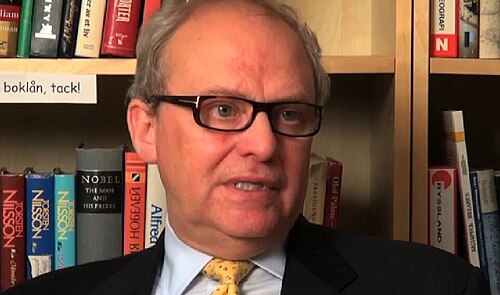
Anders Aslund
Swedish economist, formerly a senior fellow at the Atlantic Council; chairs the International Advisory Council of the Center for Social and Economic Research (CASE).
Center for Social and Economic Research Atlantic Council
 Peterson Institute
How Capitalism Was Built compares the post-communist transitions country by country and argues that fast liberalisation with early stabilisation produced better outcomes than gradual reform. Russia's Crony Capitalism follows the money from those reforms into a state organised around asset seizure and offshore ownership, which is the operating environment for anyone holding assets in the region.
6 books of their own · 35 articles · 13 appearances
Start here
- How Capitalism Was BuiltAnders Åslund, 2007
- Russia's Crony CapitalismAnders Aslund, 2019
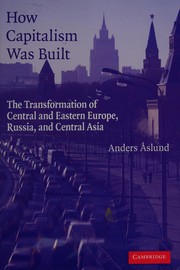
Comparative transition account; Czech vouchers judged against other sequencing choices.
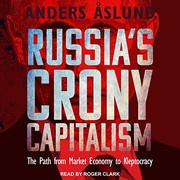
How the rent-extraction system is organised under Putin.
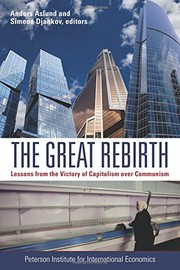
Includes the Czech voucher scheme written up by people who designed and criticised it.
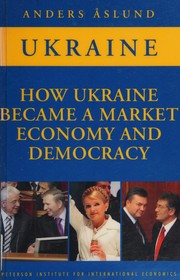
The 1991-2008 transition; explains where the industrial assets came from.
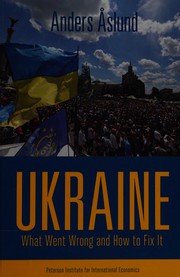
The oligarch model, gas trading rents and the post-Maidan reform agenda.
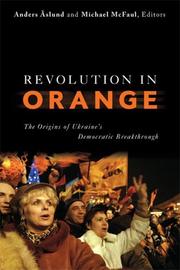
Ukraine's 2004 Orange Revolution, the oligarchs and why they kept their assets.
 How Capitalism Was Built | Comparative transition account; Czech vouchers judged against other sequencing choices. | 2007 | T3 | – |
 Russia's Crony Capitalism | How the rent-extraction system is organised under Putin. | 2019 | T3 | – |
 The Great Rebirth: Lessons from the Victory of Capitalism over Communism | Includes the Czech voucher scheme written up by people who designed and criticised it. | 2014 | T3 | – |
 How Ukraine Became a Market Economy and Democracy | The 1991-2008 transition; explains where the industrial assets came from. | 2009 | T4 | – |
 Ukraine: What Went Wrong and How to Fix It | The oligarch model, gas trading rents and the post-Maidan reform agenda. | 2015 | T3 | – |
 Revolution in Orange | Ukraine's 2004 Orange Revolution, the oligarchs and why they kept their assets. | 2006 | T3 | – |