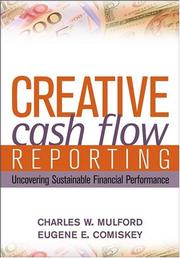
Creative Cash Flow Reporting
How operating cash flow itself gets dressed up.
Summary
Mulford and Comiskey examine how companies manipulate reported cash flow, which most analysts treat as harder to manipulate than earnings. Their argument is that operating cash flow is substantially manipulable through classification choices, timing and structuring, and that the cash flow statement deserves the same scepticism as the income statement.
The techniques they document are specific. Classifying expenses as investing rather than operating outflows moves them out of operating cash flow. Capitalising costs that should be expensed does the same. Securitising or factoring receivables converts a working capital change into an apparent operating inflow. Stretching payables to suppliers generates a one-time boost that reverses. Tax benefits from stock option exercises were classified as operating inflows under the rules of the period. Classifying the purchase and sale of trading securities as operating for a non-financial company inflates the figure. Discontinued operations and acquisitions each create classification opportunities.
They then set out how to construct what they call sustainable operating cash flow: strip out the non-recurring and misclassified items, adjust for working capital changes that cannot repeat, and compare the result to reported earnings and to capital expenditure requirements. They also cover free cash flow definitions and show that companies choose the definition that flatters them.
The book is technical and requires accounting fluency. The specific rules have changed since 2005, notably on option tax benefits and on some securitisation treatments, so the individual techniques need checking against current standards. The analytical approach and the general point that cash flow classification is a choice remain valid.
Key takeaways 7
- Operating cash flow is manipulable through classification, timing and structuring, and it deserves the same scepticism analysts apply to reported earnings.
- Classifying an operating expense as an investing outflow moves it out of operating cash flow without changing the total cash used.
- Securitising or factoring receivables converts a working capital change into an apparent operating inflow that cannot recur at the same scale.
- Stretching payments to suppliers produces a one-time boost to operating cash flow that reverses in the following period.
- Free cash flow has no standard definition, and companies select the definition that presents their position most favourably.
- Sustainable operating cash flow must be reconstructed by removing non-recurring items and working capital changes that cannot repeat.
- A persistent gap between reported earnings and cash flow in either direction is a signal that one of the two figures is being managed.
Who should read it
Analysts and investors who need to test reported cash flow rather than accept it as the harder-to-manipulate number.
About Charles W. Mulford
Professor of accounting at Georgia Tech and director of its Financial Analysis Lab.
The Financial Numbers Game catalogues the specific devices companies use to flatter reported results - revenue recognition timing, capitalised costs, reserve releases, one-off classification - and shows how to find each one in the filings. Creative Cash Flow Reporting does the same for the cash flow statement, where operating cash flow can be raised by classification choices that leave the cash unchanged.
Where it sits in the reference 3
Who recommended it 1 · 1 direct
Similar books 6
Chosen by shared topics, the entries that hold them, and the people who recommended both.