Real Estate and Construction
Property income is rent less operating cost, capitalised at a yield that moves with interest rates, and the equity return is that number multiplied by leverage, which is why the same building can double an investor's money or leave the equity worth nothing. Development adds construction risk and a lag of several years between land purchase and first rent, so projects started in a boom deliver into a bust, as they did in 1920s Florida, at Stuyvesant Town in 2006 and across WeWork's lease book in 2019. Contractors work on thin margins and are paid on progress, so their risk lies in fixed-price bids and cash timing rather than in asset values. The literature covers Robert Moses's use of public authorities and bond finance, speculative land booms, the largest failed apartment deal in American history, a contractor's own history, and practical guides for investors.
7 books
Start here
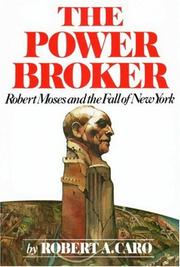
- The Power BrokerRobert A. Caro, 1974
- Other People's Money: Inside the Housing Crisis and the Demise of the Greatest Real Estate Deal Ever Made
- Bubble in the SunChristopher Knowlton, 2020