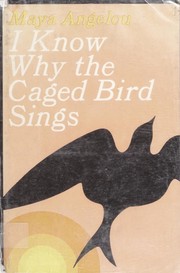
I Know Why the Caged Bird Sings
The first volume of her autobiography: her early years in the American South.
Summary
Maya Angelou's 1969 autobiography, the first of seven volumes, describes her early years. Born Marguerite, she was nicknamed Maya by her brother Bailey. At three she and Bailey were sent to live with their grandmother in Stamps, Arkansas, whose life centred on the store she ran for the Black community; white people seemed to come from another planet, yet even unseen they ruled. The book ends when Maya becomes a mother at sixteen.
Its story moves from the store's orderly world and the taunts of poor white children, met by her grandmother's dignity, to a visit to St. Louis and her mother that ends in rape, after which Maya refuses to speak to anyone but Bailey. The children later follow their mother to California, where Maya discovers the truth about her father and wins hard-won independence. Over the book Maya turns from a victim of racism with an inferiority complex into a self-possessed young woman able to answer prejudice, helped by strength of character and a love of literature. Angelou wrote it after James Baldwin and her editor Robert Loomis challenged her to write an autobiography that was also literature.
Key takeaways 4
- Strength of character and a love of literature helped Angelou overcome racism and trauma.
- Her grandmother's store in Stamps gave her childhood order and dignity.
- After being raped as a child she stopped speaking for years.
- The book explores identity, racism, rape and literacy.
Who should read it
Readers of American memoir and literature interested in race, gender and coming of age.
Who recommended it 1 · 1 direct
Similar books 6
Chosen by shared topics, the entries that hold them, and the people who recommended both.
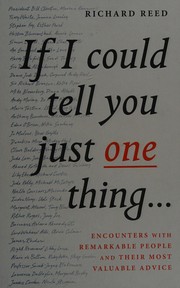
Advice collected from people in business, politics, sport, art, medicine and film.
Recommended by: Richard Branson
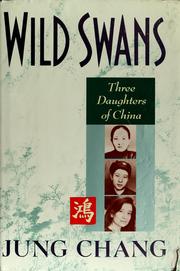
Three generations of women growing up in China's century of turmoil.
Recommended by: Mohnish Pabrai, Richard Branson
A news anchor's panic attack on air leads him to meditation, and what it did for him.
Recommended by: Nat Eliason, Arianna Huffington, Peter Attia and 2 others
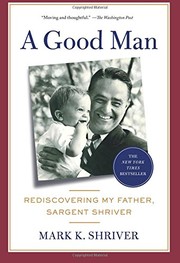
A son's portrait of his father, a politician and statesman.
Recommended by: Bryan Johnson
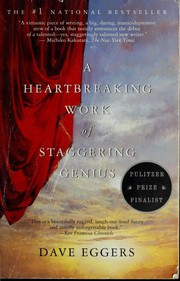
A memoir of raising a younger brother after both parents die of cancer.
Recommended by: Ev Williams, Oprah Winfrey, Sam Altman