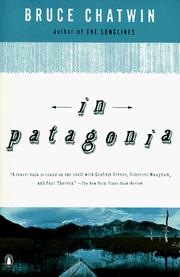
In Patagonia
A journey through Patagonia, told through its history, people and anecdotes.
Summary
Bruce Chatwin's 1977 travel book describes his journey through Patagonia, the southern tip of South America. As a boy during the Second World War, Chatwin was fascinated by a "piece of brontosaurus" in his grandparents' curiosity cabinet, in fact the skin of a mylodon, a giant sloth, found in a Chilean cave by his grandmother's cousin Charles Amherst Milward. In 1972, interviewing the ninety-three-year-old designer Eileen Gray for the Sunday Times Magazine, he saw a map of Patagonia she had painted; she told him, "Go there for me." In November 1974 he flew to Lima and reached Patagonia a month later.
The book is built from ninety-seven sections, some a single paragraph, and its digressive structure mirrors its theme, a meditation on wandering and nomadism in human life, which many of the people he meets discuss. His route runs from Buenos Aires south through Argentina to Ushuaia, then to Punta Arenas, Puerto Natales and the Cueva del Milodón in Chile. He writes about the land and its wildlife, the history of European exploration and settlement, the descendants of Welsh immigrants and the log cabin Butch Cassidy built there.
Key takeaways 4
- A scrap of giant sloth skin from his childhood sent Chatwin to Patagonia.
- The book is built from ninety-seven short sections rather than a straight narrative.
- Wandering and nomadism are its central theme.
- History, legend and the people he meets matter as much as the scenery.
Who should read it
Readers of travel writing and anyone curious about Patagonia's history and legends.
Who recommended it 1 · 1 direct
Similar books 6
Chosen by shared topics, the entries that hold them, and the people who recommended both.
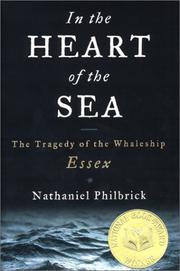
The whaleship Essex, sunk by a sperm whale, and the ordeal of its crew.
Recommended by: Richard Branson

An eyewitness account of the deadliest season on Mount Everest.
Recommended by: Jim Collins, Richard Branson, Sophie Bakalar
Large-format scenery and fashion photographs of Richard Branson's Caribbean island.
Recommended by: Richard Branson
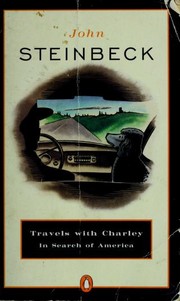
A road trip across America, from the tip of Maine to California's Monterey Peninsula.
Recommended by: Austen Allred, Richard Branson
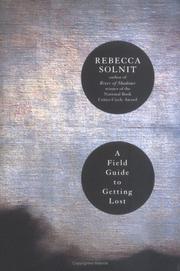
Essays on getting lost, travel, wandering and the unknown.
“Really beautiful writing. Wonderful semi-poetic words around the subject of exploring, venturing into the unknown, and identity. Only downside is the subjects became just memoir for the second half of the book, instead of sticking to the theme.” — Derek Sivers
Source: Derek Sivers book notes (primary, rated list) · Rating: 6/10
Recommended by: Derek Sivers, Matt Mullenweg
A guide to Japan's culture and its popular culture.
Recommended by: Tim Ferriss