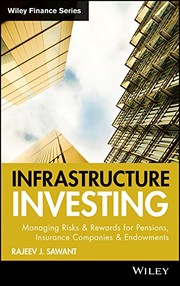
Infrastructure Investing
Why most claims for infrastructure as an asset class fail under scrutiny.
Treats infrastructure as an asset class rather than a project-finance problem.
Summary
Rajeev Sawant examines the claims made for infrastructure as an asset class and finds most of them unsupported. The promotional case holds that infrastructure assets produce stable, inflation-linked, long-duration cash flows uncorrelated with equities, which makes them ideal for pension liabilities. Sawant tests this against the empirical record.
His findings run against the marketing. He argues that infrastructure cash flows are neither reliably stable nor reliably inflation-linked, that the assets carry substantial political and regulatory risk because their essential nature invites intervention precisely when returns are good, and that reported low correlation reflects appraisal-based valuation rather than genuine independence from equity markets. He examines the history of infrastructure project defaults, including emerging market concessions renegotiated after currency crises, and argues that investors are paid for bearing expropriation risk rather than for supplying long-term capital.
The book also covers the practical questions: how project finance structures work, what the debt markets for these assets look like, and how sovereign wealth funds and pension funds have approached the sector. Sawant is writing in 2010, and the subsequent decade saw enormous inflows into infrastructure at compressing yields, which if anything strengthens his warning. The empirical work is limited by data availability, since unlisted infrastructure returns are self-reported, and Sawant is candid about that constraint.
Key takeaways 7
- The stable inflation-linked cash flows attributed to infrastructure assets are not visible in the historical record.
- Reported low correlation with equities reflects infrequent appraisal-based valuation rather than genuine diversification.
- Infrastructure assets attract political intervention precisely when they earn high returns, because the service is essential and the asset cannot move.
- Investors in cross-border infrastructure are compensated for expropriation and renegotiation risk, not for patience.
- Project finance debt structures transfer construction risk to contractors and leave demand risk with equity holders.
- Sawant argues that infrastructure does not qualify as a distinct asset class because its return drivers are those of leveraged corporate equity and regulated utilities.
- Data on unlisted infrastructure returns comes from managers who choose their own valuation marks, so performance statistics are unreliable.
Who should read it
Institutional allocators evaluating infrastructure mandates who want the sceptical case against the diversification and stability claims used to sell them.
Similar books 6
Chosen by shared topics, the entries that hold them, and the people who recommended both.
Infrastructure's risk, return and role in a portfolio, from an allocator's view.

Lending against a project's own cash flows, with limited recourse to its sponsors.

How project finance deals are structured, with the theory and worked cases.

How private firms finance, build and run public infrastructure under long contracts.

What 16,000 projects show about why big ones overrun, and how to plan them.
“Bent Flyvbjerg and Dan Gardner, How Big Things Get Done: The Surprising Factors That Determine the Fate of Every Project, from Home Renovations to Space Exploration and Everything In Between (New York: Crown Currency, 2023)” — Michael Mauboussin
Source: Pattern Recognition: Opportunities and Limits, page 14
Recommended by: Michael Mauboussin

Data showing big infrastructure projects run over cost and under demand by design.