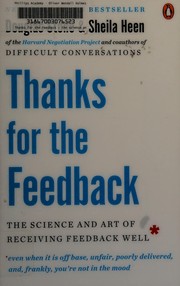
Thanks for the Feedback
Stone and Heen focus on the receiving side of evaluative conversations — performance reviews, criticism, unsolicited advice. Negotiators spend a lot of energy crafting messages and far less understanding why feedback triggers defensiveness. This book corrects that imbalance.
Similar books 6
Chosen by shared topics, the entries that hold them, and the people who recommended both.

The deal is shaped before the table: set up the parties, interests and options first.
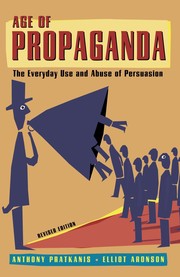
Recommended by: Ramit Sethi, Tim Ferriss
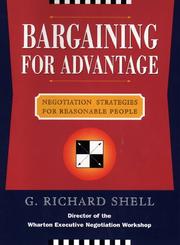
A step-by-step approach to business negotiation from Wharton's negotiation workshop.

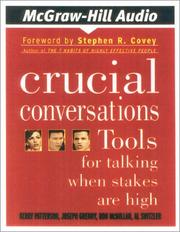
Patterson et al. address high-stakes conversations where opinions differ and emotions run hot — conditions that describe most negotiations worth having. The STATE model and the concept of the pool of shared meaning give practitioners concrete tools rather than abstract principles.
Recommended by: Stewart Butterfield
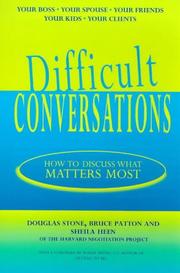
From the Harvard Negotiation Project, this examines the negotiations we avoid: performance reviews, relationship ruptures, disagreements about fault. The three-conversation model (what happened, feelings, identity) explains why these go wrong and provides a structure for having them anyway.
Recommended by: Andrew Wilkinson, Ryan Hoover
Where it sits in the reference 1
Topics