
Negotiation and Dealmaking
Where transaction value is actually captured or destroyed, from bargaining tactics to the acquirer's post-close arithmetic.
Start here
- Never Split the DifferenceChris Voss, Tahl Raz, 2016
- Getting to YesRoger Fisher, William Ury, Bruce Patton, 1981
- Bargaining for AdvantageG. Richard Shell, 1999
- 3-D NegotiationDavid A. Lax, James K. Sebenius, 2006

The original text on strategic positioning. Sun Tzu's core insight — that winning without fighting is the highest form of strategy — runs through everything that followed. Short enough to read in an afternoon, dense enough to argue about for a career.
Recommended by: Mohnish Pabrai, Evan Spiegel, Fred Wilson and 4 others
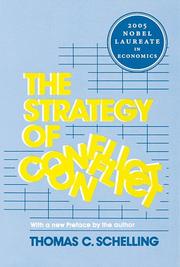
Conflict as bargaining: commitment, credible threats and focal points.
Recommended by: Naval Ravikant
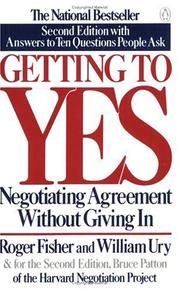
Principled negotiation: bargain over interests, not positions, and trade less.
Recommended by: Charlie Munger, Nat Eliason, Drew Houston and 3 others
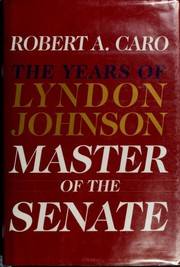
How Lyndon Johnson mastered the Senate's rules and became its majority leader.
Recommended by: Jim Collins, Marc Andreessen and 1 other

Techniques for handling people, being liked and winning others to your view.
Recommended by: Mohnish Pabrai, Alex and Books and 13 others

How 1950s advertisers used psychological research to sway buyers.

The 1787 Federal Convention in Philadelphia that wrote the US Constitution.
Recommended by: Jim Collins

Why acquirers overpay: the premium is a promise of gains most never deliver.
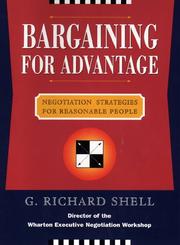
A step-by-step approach to business negotiation from Wharton's negotiation workshop.

How Lincoln brought his three rivals for the 1860 nomination into his cabinet.
Recommended by: Bill Gates, Mohnish Pabrai, Jamie Dimon and 1 other
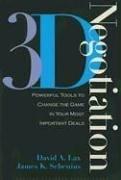
The deal is shaped before the table: set up the parties, interests and options first.
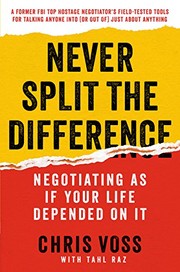
FBI hostage-negotiation tactics: labelling, mirroring and calibrated questions.
Recommended by: Alfred Lin, Nat Eliason and 6 others
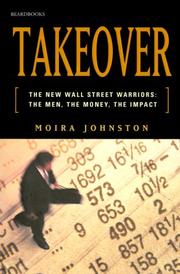
Contemporary reporting on the raiders, including his Phillips Petroleum fight.
The 1984 greenmail raid that brought in Eisner and Wells.
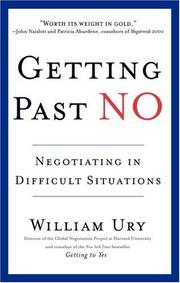

How biases such as anchoring and the winner's curse distort bargaining.
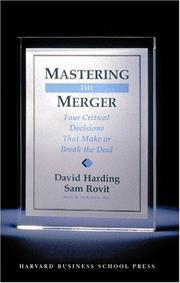
Bain's evidence that frequent small deals beat occasional large ones.
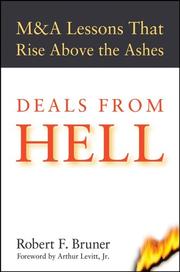
Why mergers fail; the break risk an arbitrageur underwrites.
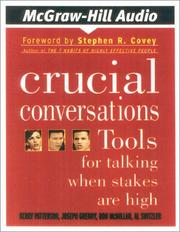
Patterson et al. address high-stakes conversations where opinions differ and emotions run hot — conditions that describe most negotiations worth having. The STATE model and the concept of the pool of shared meaning give practitioners concrete tools rather than abstract principles.
Recommended by: Stewart Butterfield
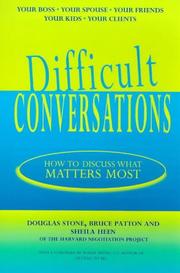
From the Harvard Negotiation Project, this examines the negotiations we avoid: performance reviews, relationship ruptures, disagreements about fault. The three-conversation model (what happened, feelings, identity) explains why these go wrong and provides a structure for having them anyway.
Recommended by: Andrew Wilkinson, Ryan Hoover
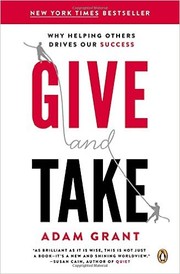
Givers, takers and matchers, and why givers end up both at the bottom and the top.
Recommended by: Mohnish Pabrai, Alex Lieberman and 4 others
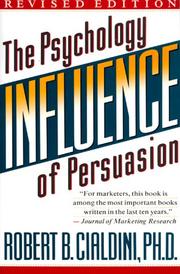
Six principles of compliance, from reciprocity to scarcity, and how sellers use them.
“…books I've recommended, highlighted to death, or forced on friends.” — Andrew Wilkinson
Source: Andrew Wilkinson's Bookshelf, neverenough.com
Recommended by: Andrew Wilkinson, Charlie Munger and 29 others

How to receive feedback, from performance reviews to criticism and advice.
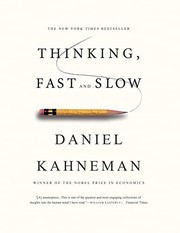
Kahneman's synthesis of behavioral economics is the cognitive science underpinning every negotiation tactic. Anchoring, loss aversion, framing effects, and the planning fallacy — understanding why these biases operate, not just that they exist, makes you harder to exploit and more honest about your own irrationality.
“…books I've recommended, highlighted to death, or forced on friends.” — Andrew Wilkinson
Source: Andrew Wilkinson's Bookshelf, neverenough.com
Recommended by: Andrew Wilkinson, Charles de Vaulx and 32 others
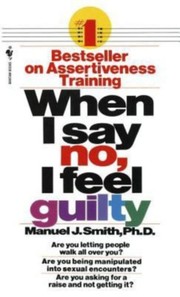
Recommended by: Brian Armstrong

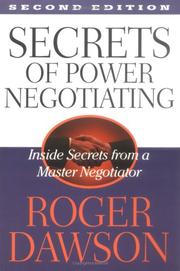
Recommended by: Andrew Wilkinson, Ran Segall, Tim Ferriss

Recommended by: Ramit Sethi, Tim Ferriss
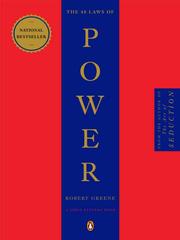
Forty-eight rules for gaining and keeping power, each shown by historical episodes.
Recommended by: Nat Eliason, Ryan Holiday, Iman Gadzhi and 3 others

Sun Tzu's strategies of war applied to helping women win at love.
Recommended by: Sam Altman

Four steps to speak without blame: observations, feelings, needs and requests.
Recommended by: Andrew Wilkinson, Dustin Moskovitz and 3 others

Recommended by: Mohnish Pabrai

Seducer types, victim types and a step-by-step process of attraction from history.
Recommended by: Nat Eliason

Recommended by: The Barefoot Investor


When and how to say No to people at work, at home and in the community.
Recommended by: Muna AbuSulayman

Why some words persuade and others fail, from a political pollster.
Recommended by: Nat Eliason, Matt Mullenweg, Tim Ferriss and 1 other
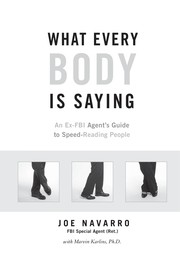
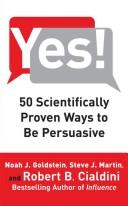
Cialdini's persuasion research condensed into fifty applied findings
Recommended by: Mohnish Pabrai, Charlie Munger

Recommended by: Mohnish Pabrai

Recommended by: Patrick Collison, Marissa Mayer
A short method for direct conversations and for making difficult requests.
Recommended by: Shane Parrish


How to deal with irrational, volatile and manipulative people at work and at home.
Recommended by: Cynthia Johnson

Recommended by: Bill Gurley, Patrick O'Shaughnessy
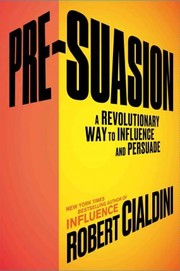
Where you direct attention just before a message shapes how it is received.
Recommended by: Michael Mauboussin, Naval Ravikant

How to give a talk that transfers one idea, from TED's work with its speakers.
Recommended by: Mohnish Pabrai

An FBI counterintelligence system for earning trust, built from recruiting sources.
Recommended by: Kevin Rose
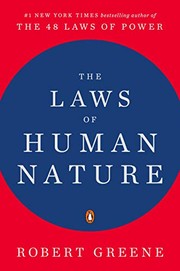
Eighteen patterns of human behaviour, from irrationality on, and how to handle them.
“If you've ever been curious about psychology or human behavior, it is by far the most comprehensive and memorable book I've found.” — Andrew Wilkinson
Source: Newsletter
Recommended by: Andrew Wilkinson, Library Mindset

Recommended by: Ryan Hoover, Sahil Lavingia


Venture financing term by term, for founders negotiating their first rounds.
Recommended by: Patrick Collison, Brad Feld, Gaby Goldberg and 4 others
 Robert B. Cialdiniwrote 3 books here
 Robert Greenewrote 3 books here
 Daniel Kahnemanwrote 1 book here
 Adam Grantwrote 1 book here
 Brad Feldwrote 1 book here
 Chris Andersonwrote 1 book here
 Brian Grazerwrote 1 book here
 Mohnish Pabrairecommends 11 books here
 Naval Ravikantrecommends 5 books here
 Patrick Collisonrecommends 5 books here
 Tim Ferrissrecommends 5 books here
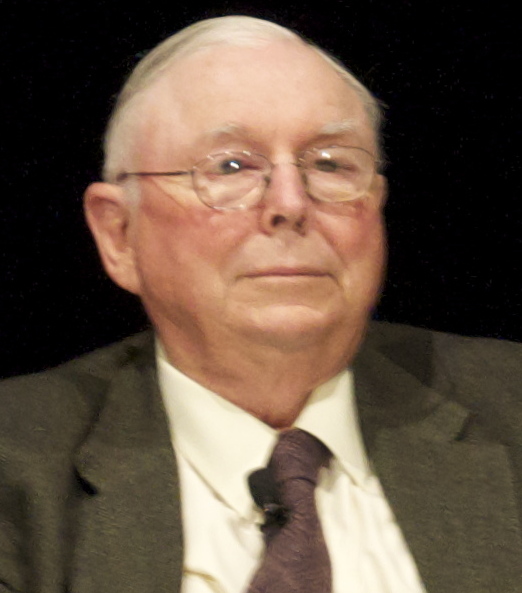 Charlie Mungerrecommends 4 books here
 Jim Collinsrecommends 3 books here
 Reid Hoffmanrecommends 3 books here
Show all 103
 Tristan Harrisrecommends 3 books here
 Marc Andreessenrecommends 2 books here
 Ray Daliorecommends 2 books here
 Warren Buffettrecommends 2 books here
 Alexis Ohanianrecommends 2 books here
 Alfred Linrecommends 2 books here
 Bill Gatesrecommends 2 books here
 Matt Mullenwegrecommends 2 books here
 Nir Eyalrecommends 2 books here
 Ramit Sethirecommends 2 books here
 Sam Altmanrecommends 2 books here
 Satya Nadellarecommends 2 books here
 Sheryl Sandbergrecommends 2 books here
 Stewart Butterfieldrecommends 2 books here
 Nassim Nicholas Talebrecommends 1 book here
 Paul Grahamrecommends 1 book here
 Peter Thielrecommends 1 book hereBrad Feldrecommends 1 book here
 John Doerrrecommends 1 book here
 Marc Benioffrecommends 1 book here
 Seth Klarmanrecommends 1 book here
 Guy Kawasakirecommends 1 book here
 Ryan Holidayrecommends 1 book here
 Simon Sinekrecommends 1 book here
 Albert Wengerrecommends 1 book here
 Amy Hoodrecommends 1 book here
 Bill Gurleyrecommends 1 book here
 Brian Armstrongrecommends 1 book here
 Bryan Johnsonrecommends 1 book here
 Chelsea Krostrecommends 1 book here
 Cynthia Johnsonrecommends 1 book here
 Daniel Burkarecommends 1 book here
 Drew Houstonrecommends 1 book here
 Dustin Moskovitzrecommends 1 book here
 Emmett Shearrecommends 1 book here
 Ev Williamsrecommends 1 book here
 Evan Spiegelrecommends 1 book here
 Fred Wilsonrecommends 1 book here
 Jamie Dimonrecommends 1 book here
 Julie Zhuorecommends 1 book here
 Kevin Roserecommends 1 book here
 Marissa Mayerrecommends 1 book here
 Max Levchinrecommends 1 book here
 Muna AbuSulaymanrecommends 1 book here
 Ron Conwayrecommends 1 book here
 Ryan Petersonrecommends 1 book here
 Samy Kamkarrecommends 1 book here
 Sophia Amorusorecommends 1 book here
 Stewart Brandrecommends 1 book here
 Strauss Zelnickrecommends 1 book here
 Tobi Lütkerecommends 1 book here
 Vlad Tenevrecommends 1 book here