The Barefoot Investor
Scott Pape, an Australian author, television presenter and radio commentator on personal finance, born in 1978, who writes under the persona The Barefoot Investor.
The Barefoot Investor articles
299 articles · 45 books they recommend
More 13

How psychology, not fundamentals, drove the stock and housing booms of 2000 and 2005.
Also recommended by: Mohnish Pabrai, Andrew Lokenauth
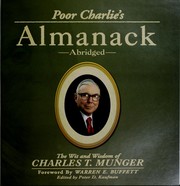
Speeches making the case for a latticework of mental models from many fields.

How to find bull markets in emerging countries, sectors and hard-asset stocks.
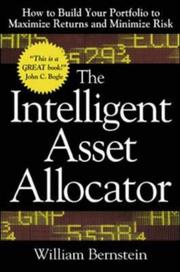
Modern portfolio theory for individual investors, explained without heavy maths.
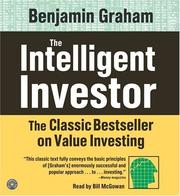
Treat stocks as parts of businesses and buy only with a margin of safety.
Also recommended by: Benjamin Graham, Christopher Bloomstran and 26 others
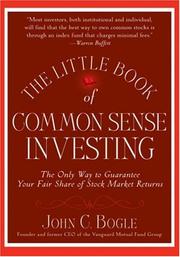
After costs, most investors trail the market, so hold a low-cost index fund.

Why Wall Street grows rich on fees while its clients' results stay ordinary.
Also recommended by: Mohnish Pabrai, Nick Sleep, Warren Buffett and 3 others


Also recommended by: Mohnish Pabrai, Iman Gadzhi

Steve Jobs's life and Apple's products, from forty interviews with him and many more.
Also recommended by: Mohnish Pabrai, Patrick Collison and 16 others


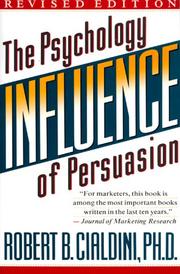
Six principles of compliance, from reciprocity to scarcity, and how sellers use them.
Also recommended by: Andrew Wilkinson, Charlie Munger and 28 others


Source: barefootinvestor.com — 'Book Recommendations' article category (posts written by Scott Pape)
Also recommended by: Andrew Wilkinson, Bill Gates


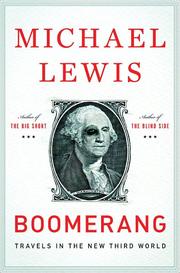
How Iceland, Greece, Ireland, Germany and California each spent cheap credit.
Also recommended by: Mohnish Pabrai, Alfred Lin
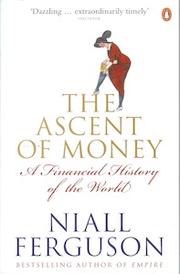
The history of finance by instrument: credit, bonds, stocks, insurance and property.
Also recommended by: Mohnish Pabrai, Max Levchin, Raoul Pal and 1 other
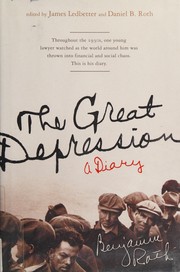
An Ohio lawyer's diary of the Depression years as he lived through them.
Also recommended by: Mohnish Pabrai, Morgan Housel

Burkeman's book on finitude is the necessary counterweight to grandiose civilizational thinking. Four thousand weeks is approximately an 80-year life, and Burkeman's argument — that productivity systems typically function as denial mechanisms against this fact — forces the question of how a mortal agent ought to orient toward long-term causes. The tension between personal finitude and multigenerational obligation is never fully resolved here, which is exactly right.
Source: barefootinvestor.com — 'Book Recommendations' article category (posts written by Scott Pape)
Also recommended by: Andrew Wilkinson, Sahil Bloom


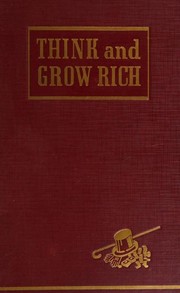
Thirteen principles of getting rich, claimed to come from studying 500 wealthy men.
Also recommended by: Jim Clayton, Mohnish Pabrai and 7 others
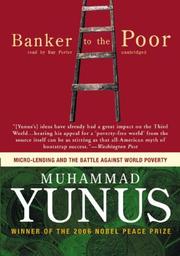
How $27 lent to 42 villagers grew into Grameen Bank and microcredit.
Also recommended by: Mohnish Pabrai

How a college dropout with no family money made himself a fortune.
Also recommended by: Andrew Wilkinson, Derek Sivers, Sam Parr


Also recommended by: Nat Eliason, Ramit Sethi, Simon Sinek


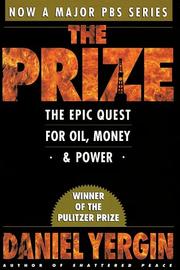
The history of oil from the first Pennsylvania well to the Gulf War.
Also recommended by: Mohnish Pabrai, Patrick O'Shaughnessy and 2 others
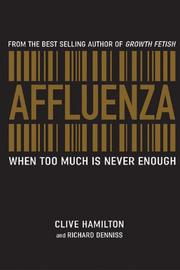
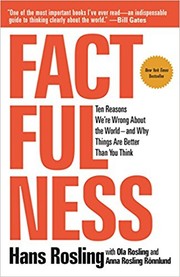
Hans Rosling was a global health professor, not an economist, which gives his data-driven case for human progress particular credibility. He shows, in meticulous detail, that almost every quantitative measure of human welfare has improved dramatically over the past century. He attributes this to global trade and economic development without being a polemicist.
Also recommended by: Bill Gates, Alfred Lin, Daniel Petre and 3 others

Why AI and synthetic biology will spread fast and cheaply, and how to contain them.
Source: barefootinvestor.com — 'Book Recommendations' article category (posts written by Scott Pape)
Also recommended by: Andrew Wilkinson, Bill Gates

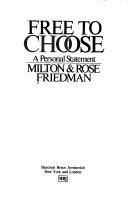
The case for free markets and limited government, policy area by policy area.
Also recommended by: Brian Armstrong, Mohnish Pabrai and 1 other
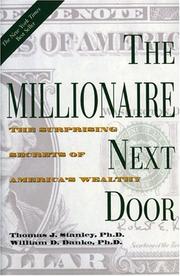
Survey research showing most American millionaires live modestly and save hard.
Also recommended by: Mohnish Pabrai, Andrew Lokenauth and 1 other
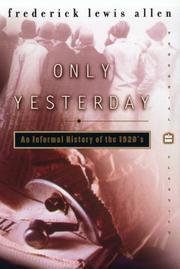
American life in the 1920s, from the Armistice to the crash.

Source: barefootinvestor.com — 'Book Recommendations' article category (posts written by Scott Pape)
Also recommended by: Andrew Wilkinson, Bill Ackman

How biased samples, chosen averages and cut-off chart axes make numbers mislead.
Also recommended by: Bill Gates, Mohnish Pabrai, Morgan Housel and 5 others
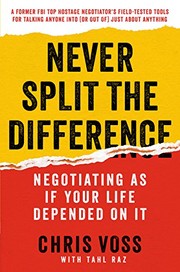
FBI hostage-negotiation tactics: labelling, mirroring and calibrated questions.
Source: barefootinvestor.com — 'Book Recommendations' article category (posts written by Scott Pape)
Also recommended by: Alfred Lin, Nat Eliason and 5 others

The stages and issues of boys' development from birth to manhood.
| Scamming my mother | The Barefoot Investor | 2026-10-26 |
| It’s the end of an era for Barefoot | The Barefoot Investor | 2026-10-19 |
| Nosebleed in Byron Bay | The Barefoot Investor | 2026-10-12 |
| The other side of the scam | The Barefoot Investor | 2026-09-21 |
| Regrets | The Barefoot Investor | 2026-09-06 |
| Dad shot the cow | The Barefoot Investor | 2026-08-31 |
| The best question this year | The Barefoot Investor | 2026-08-24 |
| Cornered, cranky and ready to charge | The Barefoot Investor | 2026-08-17 |
| Albo and Chalmers don't have the guts to say this (but I will) | The Barefoot Investor | 2026-08-10 |
| Don’t save to retire | The Barefoot Investor | 2026-08-03 |
| Albo takes a swipe at our super | The Barefoot Investor | 2026-07-27 |
| Dating an Orange Narcissist | The Barefoot Investor | 2026-06-29 |
| The Billionaire versus Barefoot | The Barefoot Investor | 2026-06-22 |
| Why I invested in Elon Musk's SpaceX | The Barefoot Investor | 2026-06-15 |
| The beast is coming for me | The Barefoot Investor | 2026-06-08 |
| There's a fake Barefoot Investor. And he's everywhere. | The Barefoot Investor | 2026-06-01 |
| You’ll hate this | The Barefoot Investor | 2026-05-25 |
| Barefoot’s Take on the Budget | The Barefoot Investor | 2026-05-18 |
| Scott Pape: Why AI Won’t Replace Financial Counsellors | The Barefoot Investor | 2026-05-11 |
| My marriage is on a knife edge | The Barefoot Investor | 2026-05-04 |
| Are you okay? | The Barefoot Investor | 2026-04-27 |
| My brush with fame | The Barefoot Investor | 2026-03-30 |
| You won’t like this | The Barefoot Investor | 2026-03-23 |
| Two padlocks | The Barefoot Investor | 2026-03-17 |
| Ding Ding Ding | The Barefoot Investor | 2026-03-10 |
| Canberra called (I said NO) | The Barefoot Investor | 2026-03-02 |
| I changed my nightie for this? | The Barefoot Investor | 2026-02-23 |
| Barefoot finally gets into crypto | The Barefoot Investor | 2026-02-16 |
| Albos war on landlords | The Barefoot Investor | 2026-02-09 |
| The hottest trade in the world right now | The Barefoot Investor | 2026-02-02 |
| My final column | The Barefoot Investor | 2025-12-15 |
| A book so good I bought 50 copies | The Barefoot Investor | 2025-12-08 |
| Using AI to pick winning stocks | The Barefoot Investor | 2025-12-01 |
| The next crash is coming | The Barefoot Investor | 2025-11-24 |
| The final letter | The Barefoot Investor | 2025-11-17 |
| The worst question | The Barefoot Investor | 2025-11-10 |
| My week from hell | The Barefoot Investor | 2025-11-03 |
| This Will Get Me in Trouble | The Barefoot Investor | 2025-10-27 |
| Wait, 300k Qantas points are worth how much? | The Barefoot Investor | 2025-10-20 |
| Buy Me a Pony | The Barefoot Investor | 2025-10-13 |
| ING Sucks … Right? | The Barefoot Investor | 2025-10-06 |
| Finally some good news for first home buyers | The Barefoot Investor | 2025-09-29 |
| The ultimate fathers day present (free) | The Barefoot Investor | 2025-09-08 |
| How on earth did I get here? | The Barefoot Investor | 2025-09-01 |
| why I’m wearing make up | The Barefoot Investor | 2025-08-25 |
| Wally retires | The Barefoot Investor | 2025-08-18 |
| atomic habits meets the barefoot investor | The Barefoot Investor | 2025-08-11 |
| The controlling husband | The Barefoot Investor | 2025-08-04 |
| Life in the Backseat of My Car | The Barefoot Investor | 2025-07-27 |
| The problem with renting | The Barefoot Investor | 2025-07-07 |
| Why I wrestled a bogan in the street (true story) | The Barefoot Investor | 2025-06-30 |
| The AI Revolution Is Under-Hyped? | The Barefoot Investor | 2025-06-23 |
| This might be the dumbest thing I’ve ever done | The Barefoot Investor | 2025-06-16 |
| This might be the most controversial thing I’ve ever published. | The Barefoot Investor | 2025-06-10 |
| my worst investment yet | The Barefoot Investor | 2025-06-03 |
| The trouble with Trump | The Barefoot Investor | 2025-06-03 |
| Here’s what happens next to house prices | The Barefoot Investor | 2025-06-02 |
| Why Warren Buffett inspired me to sell my shares | The Barefoot Investor | 2025-05-26 |
| Rejection therapy | The Barefoot Investor | 2025-05-26 |
| My thoughts on the election | The Barefoot Investor | 2025-04-28 |
| What I’m doing with my money | The Barefoot Investor | 2025-04-07 |
| The one thing I won’t tell my son | The Barefoot Investor | 2025-03-31 |
| My fight with the government | The Barefoot Investor | 2025-03-24 |
| Markets Crashing | The Barefoot Investor | 2025-03-17 |
| Are You Okay? | The Barefoot Investor | 2025-03-10 |
| Swedish Death Cleaning | The Barefoot Investor | 2025-03-03 |
| About that rate cut | The Barefoot Investor | 2025-02-24 |
| What are your Money Rules? | The Barefoot Investor | 2025-02-17 |
| My summer romance | The Barefoot Investor | 2025-02-03 |
| I finally got into crypto | The Barefoot Investor | 2024-12-23 |
| Here’s one for the renters | The Barefoot Investor | 2024-12-16 |
| Here’s what’s in my Santa sack this year | The Barefoot Investor | 2024-12-09 |
| What’s in store for property prices | The Barefoot Investor | 2024-12-02 |
| Haul | The Barefoot Investor | 2024-11-25 |
| Why is the smartest investor in the world ... selling? | The Barefoot Investor | 2024-11-18 |
| What I’m watching | The Barefoot Investor | 2024-11-11 |
| I don’t want this to happen to you | The Barefoot Investor | 2024-10-28 |
| My wildest testimonial ever | The Barefoot Investor | 2024-10-21 |
| The no diet, no exercise plan | The Barefoot Investor | 2024-10-14 |
| An embarrassing confession | The Barefoot Investor | 2024-09-23 |
| This is going to hurt | The Barefoot Investor | 2024-09-16 |
| Speaking Gigs | The Barefoot Investor | 2024-09-09 |
| Haters gonna hate | The Barefoot Investor | 2024-08-26 |
| My walk through the most dangerous city in America | The Barefoot Investor | 2024-08-19 |
| A warning to all investors | The Barefoot Investor | 2024-08-12 |
| My Parents Don’t Support Me | The Barefoot Investor | 2024-08-05 |
| My Beautiful Little Tax Deduction | The Barefoot Investor | 2024-08-05 |
| My Wife Found the Lord … But Not a Job | The Barefoot Investor | 2024-08-05 |
| A warning to anyone who taps their card | The Barefoot Investor | 2024-08-05 |
| If the economy is so screwed … why is the share market at all-time highs? | The Barefoot Investor | 2024-07-29 |
| The new (better) Bali | The Barefoot Investor | 2024-07-22 |
| How I Keep It Hot in the Bedroo | The Barefoot Investor | 2024-07-01 |
| Which app is screwing you? | The Barefoot Investor | 2024-06-17 |
| How your life changed in 2012 | The Barefoot Investor | 2024-06-10 |
| This is the hardest thing I've ever written | The Barefoot Investor | 2024-05-26 |
| My favourite podcasts (inside) | The Barefoot Investor | 2024-05-20 |
| The anti-budget | The Barefoot Investor | 2024-05-13 |
| Port Arthur | The Barefoot Investor | 2024-05-06 |
| The Golden Child | The Barefoot Investor | 2024-04-22 |
| Barefoot-Approved Home Loans? | The Barefoot Investor | 2024-04-22 |
| The End of Cash | The Barefoot Investor | 2024-04-22 |
| The Betrayal | The Barefoot Investor | 2024-04-22 |
| How I invest my own money | The Barefoot Investor | 2024-04-22 |
| Au Pair? Au Contraire! | The Barefoot Investor | 2024-03-11 |
| Lovestruck | The Barefoot Investor | 2024-03-11 |
| Are you smarter than a 10-year-old? | The Barefoot Investor | 2024-03-11 |
| HECS Freedom for First Home Buyers! | The Barefoot Investor | 2024-03-10 |
| Let’s Talk about Bill Gates | The Barefoot Investor | 2024-03-04 |
| Teacher Gets Schooled | The Barefoot Investor | 2024-03-04 |
| Barefoot … You’re a Vulgar, Right-Wing, Nutjob | The Barefoot Investor | 2024-03-04 |
| My (brief) time in jail | The Barefoot Investor | 2024-03-04 |
| Wine-O Needs Help | The Barefoot Investor | 2024-02-26 |
| The man with no balls | The Barefoot Investor | 2024-02-26 |
| You’re a Dick, Barefoot | The Barefoot Investor | 2024-02-19 |
| The Greens Party Listens | The Barefoot Investor | 2024-02-19 |
| Help! My Hubby Won’t Retire | The Barefoot Investor | 2024-02-19 |
| The 23 year old window washer … making $165k a year | The Barefoot Investor | 2024-02-19 |
| You Have 60 Seconds to Do This NOW | The Barefoot Investor | 2024-02-12 |
| In 81 Days I’m Walking Away from Millions | The Barefoot Investor | 2024-02-12 |
| My secret side hustle as a hairdresser | The Barefoot Investor | 2024-02-12 |
| 2024 Will Bring The Biggest Crash of Our Lifetime | The Barefoot Investor | 2024-02-05 |
| You’re Nothing but a Bag of %$#^&, Barefoot | The Barefoot Investor | 2024-02-05 |
| AMEN, Barefoot! | The Barefoot Investor | 2024-02-05 |
| Deep Fake | The Barefoot Investor | 2024-02-05 |
| Could you ... would you? | The Barefoot Investor | 2024-01-22 |
| Rethink the six-berth motorhome! | The Barefoot Investor | 2024-01-22 |
| Eat, pray, panic | The Barefoot Investor | 2024-01-22 |
| Barefoot Christmas Books! | The Barefoot Investor | 2023-12-18 |
| A tough Christmas? | The Barefoot Investor | 2023-12-18 |
| I’m Back | The Barefoot Investor | 2023-12-18 |
| Tread Your Own Path | The Barefoot Investor | 2023-06-19 |
| Holy Moly! | The Barefoot Investor | 2023-06-12 |
| Die With Zero | The Barefoot Investor | 2023-06-12 |
| Do this one thing for me | The Barefoot Investor | 2023-06-05 |
| What you’re about to read is going to get me into trouble | The Barefoot Investor | 2023-05-29 |
| My Business Banking Set-up | The Barefoot Investor | 2023-05-22 |
| Barefoot OnlyFans? | The Barefoot Investor | 2023-05-22 |
| Albo should have known better | The Barefoot Investor | 2023-05-15 |
| Jim Chalmers goes Barefoot for a day | The Barefoot Investor | 2023-05-08 |
| I’ve never seen anything like it | The Barefoot Investor | 2023-05-01 |
| My bedtime routine | The Barefoot Investor | 2023-04-10 |
| Are We Heading for Another Global Financial Crisis? | The Barefoot Investor | 2023-03-27 |
| The Wildest Party I’ve Been to in Years … | The Barefoot Investor | 2023-03-20 |
| A Heartfelt Letter to My Wife | The Barefoot Investor | 2023-03-13 |
| There’s an email that’s just come in … you need to read it. | The Barefoot Investor | 2023-03-06 |
| *&*# you, Barefoot! | The Barefoot Investor | 2023-02-27 |
| Launching a Class Action Against the RBA | The Barefoot Investor | 2023-02-20 |
| What’s Next for Property Prices? | The Barefoot Investor | 2023-02-13 |
| The Princess and the Plague | The Barefoot Investor | 2023-02-06 |
| I Gave My Parents the Best Christmas Present Ever | The Barefoot Investor | 2022-12-19 |
| My favorite podcasts and videos | The Barefoot Investor | 2022-12-12 |
| What I’m buying my family for Christmas | The Barefoot Investor | 2022-12-05 |
| The eight-year-old who built a school | The Barefoot Investor | 2022-11-28 |
| Taking on the bullies | The Barefoot Investor | 2022-11-21 |
| How to be unhackable | The Barefoot Investor | 2022-11-14 |
| Come have a beer with me | The Barefoot Investor | 2022-11-07 |
| Don’t believe them | The Barefoot Investor | 2022-10-17 |
| Please open this right now, it’s very important | The Barefoot Investor | 2022-10-03 |
| If You Move I’ll Kill You | The Barefoot Investor | 2022-09-26 |
| My Thoughts on the Kim Kardashian Fund | The Barefoot Investor | 2022-09-19 |
| We're overdue for a stock market crash ... | The Barefoot Investor | 2022-09-12 |
| Happy Father’s Day | The Barefoot Investor | 2022-09-05 |
| A letter from someone on the inside | The Barefoot Investor | 2022-08-29 |
| I Don’t Pay My Best Employee | The Barefoot Investor | 2022-08-22 |
| The Stress Test | The Barefoot Investor | 2022-08-15 |
| The email came through with the subject line ‘REGRET’ | The Barefoot Investor | 2022-08-08 |
| Why ING Sucks | The Barefoot Investor | 2022-08-01 |
| So about last week ... | The Barefoot Investor | 2022-07-25 |
| How much do you REALLY need to retire? | The Barefoot Investor | 2022-07-18 |
| Why I Quit Drinking | The Barefoot Investor | 2022-06-20 |
| Am I Funding the Invasion of Ukraine? | The Barefoot Investor | 2022-06-06 |
| Here’s How Much You Should Have in Super Right Now | The Barefoot Investor | 2022-05-30 |
| I Tried CommBank’s New App | The Barefoot Investor | 2022-05-23 |
| Your biggest financial worry right now | The Barefoot Investor | 2022-05-16 |
| The luckiest guy around | The Barefoot Investor | 2022-05-02 |
| Dirty Money | The Barefoot Investor | 2022-04-04 |
| Someone call the doctor | The Barefoot Investor | 2022-03-28 |
| I’m setting up a caravan park | The Barefoot Investor | 2022-03-21 |
| I got scammed | The Barefoot Investor | 2022-03-14 |
| You can taste the danger in the air | The Barefoot Investor | 2022-03-07 |
| We need to talk about your job | The Barefoot Investor | 2022-02-28 |
| How you can move into a million dollar dream home, today | The Barefoot Investor | 2022-02-21 |
| This could change everything | The Barefoot Investor | 2022-02-14 |
| Let Me Entertain You | The Barefoot Investor | 2022-02-07 |
| My latest phone trick | The Barefoot Investor | 2022-01-31 |
| The best Christmas gift under $30 | The Barefoot Investor | 2021-12-20 |
| How to beat surging food bills | The Barefoot Investor | 2021-12-13 |
| Three podcasts I’m listening to | The Barefoot Investor | 2021-12-06 |
| My crypto confession | The Barefoot Investor | 2021-11-29 |
| The best investment I've ever made | The Barefoot Investor | 2021-11-22 |
| This Will Be My Last Email for a While | The Barefoot Investor | 2021-07-27 |
| An Open Letter to Parents | The Barefoot Investor | 2021-07-19 |
| Losing Your Investment Virginity | The Barefoot Investor | 2021-07-12 |
| Your super, your choice | The Barefoot Investor | 2021-07-04 |
| Is three grand coming your way? | The Barefoot Investor | 2021-06-28 |
| The Money Movement Manifesto | The Barefoot Investor | 2021-06-21 |
| Rental Rewards | The Barefoot Investor | 2021-06-14 |
| Here’s what I’m listening to right now | The Barefoot Investor | 2021-06-07 |
| My Saturday night date with Lindsay Lohan | The Barefoot Investor | 2021-05-31 |
| The Big Short | The Barefoot Investor | 2021-05-26 |
| The Greatest Investor You’ve Never Heard of | The Barefoot Investor | 2021-05-17 |
| The best Mother's Day present | The Barefoot Investor | 2021-05-09 |
| The Barefoot Barn | The Barefoot Investor | 2021-05-03 |
| The crypto test | The Barefoot Investor | 2021-04-26 |
| Five podcasts that are on my playlist | The Barefoot Investor | 2021-04-05 |
| Forty grand down the drain | The Barefoot Investor | 2021-03-29 |
| How to help out a mate | The Barefoot Investor | 2021-03-22 |
| My secret side hustle revealed | The Barefoot Investor | 2021-03-15 |
| You are in a lot of trouble | The Barefoot Investor | 2021-03-05 |
| Shares for Kids | The Barefoot Investor | 2021-03-01 |
| Dirty Rats | The Barefoot Investor | 2021-02-22 |
| A dog of an investment (that is rocketing) | The Barefoot Investor | 2021-02-15 |
| Barefoot, where the bloody hell are you? | The Barefoot Investor | 2021-02-01 |
| The 87 year investment | The Barefoot Investor | 2020-12-14 |
| Here’s what could happen in 2021 | The Barefoot Investor | 2020-12-07 |
| I’ve been waiting to write this piece for years | The Barefoot Investor | 2020-11-30 |
| Cheap Pressies for Kids this Christmas | The Barefoot Investor | 2020-11-23 |
| Don’t get a snag from Bunnings — buy this instead | The Barefoot Investor | 2020-11-16 |
| The Simpsons is showing its age | The Barefoot Investor | 2020-11-09 |
| The hero (living in a rented apartment) | The Barefoot Investor | 2020-11-02 |
| My thoughts on ethical investing | The Barefoot Investor | 2020-10-26 |
| My eye-watering returns | The Barefoot Investor | 2020-10-19 |
| Apple cash | The Barefoot Investor | 2020-10-12 |
| What’s the deal with zero interest credit cards? | The Barefoot Investor | 2020-09-21 |
| Superhero | The Barefoot Investor | 2020-09-14 |
| The multi millionaire and the $20 book | The Barefoot Investor | 2020-09-07 |
| cough, cough, cough | The Barefoot Investor | 2020-09-01 |
| NAB CEO says ‘get out now’ | The Barefoot Investor | 2020-08-25 |
| I’m in trouble with Racial Discrimination Act, apparently | The Barefoot Investor | 2020-08-20 |
| Should I Buy Gold? | The Barefoot Investor | 2020-08-11 |
| Are You Like Chickens? | The Barefoot Investor | 2020-08-04 |
| The people who are really getting screwed in this downturn (it's not who you think) | The Barefoot Investor | 2020-07-28 |
| The NutriBullet of the Bedroom? | The Barefoot Investor | 2020-07-22 |
| My Boyfriend Is Into The Stocks | The Barefoot Investor | 2020-07-12 |
| What the hell is going on? | The Barefoot Investor | 2020-06-07 |
| Time for a Super Shakeup | The Barefoot Investor | 2019-11-13 |
| Pass me a bucket | The Barefoot Investor | 2019-08-10 |
| The 4 cheapest home loans on the market in June | The Barefoot Investor | 2019-06-24 |
| The Best Bank Accounts After the RBA’s Rate Cut | The Barefoot Investor | 2019-06-17 |
| Introducing … Zuckbucks? | The Barefoot Investor | 2019-06-03 |
| Here's One For The Teachers | The Barefoot Investor | 2019-05-27 |
| Barefoot’s Money Movement | The Barefoot Investor | 2019-05-19 |
| The fine print on Apple’s new credit card | The Barefoot Investor | 2019-04-01 |
| My experience with dumpster diving | The Barefoot Investor | 2019-03-11 |
| What The Royal Commission Means For You | The Barefoot Investor | 2019-02-11 |
| 25 days of disappointment | The Barefoot Investor | 2018-12-24 |
| A super fund option with ZERO fees? | The Barefoot Investor | 2018-12-17 |
| The 3 books I’m giving for Christmas this year | The Barefoot Investor | 2018-12-09 |
| The three questions my financial advisor couldn’t handle | The Barefoot Investor | 2018-11-18 |
| One Star Amazon Reviews | The Barefoot Investor | 2018-10-07 |
| My Proudest Dad Moment | The Barefoot Investor | 2018-09-24 |
| Why are you wearing Mummy’s makeup? | The Barefoot Investor | 2018-09-22 |
| How to get your gouged super back | The Barefoot Investor | 2018-09-16 |
| If you’ve got an ING card, read this | The Barefoot Investor | 2017-11-14 |
| The Revenge of the Oldies | The Barefoot Investor | 2017-04-26 |
| When will the housing market crash? | The Barefoot Investor | 2016-10-03 |
| Barefoot, should I call off my wedding? | The Barefoot Investor | 2016-09-29 |
| How much should you spend on a wedding ring? | The Barefoot Investor | 2016-09-20 |
| Let's give it a rip | The Barefoot Investor | 2016-09-15 |
| Do this for your Dad | The Barefoot Investor | 2016-09-08 |
| Who taught you about money? | The Barefoot Investor | 2016-08-31 |
| The Real Secrets of Success | The Barefoot Investor | 2016-08-18 |
| Why Your Bank is Lying to You | The Barefoot Investor | 2016-08-12 |
| Five Questions You Need to Ask Before You Give Your Boss the Bird | The Barefoot Investor | 2016-08-05 |
| The Real Estate Mistakes Most First Home Buyers Are Making | The Barefoot Investor | 2016-07-27 |
| The $31,203 Road Test | The Barefoot Investor | 2016-07-20 |
| The Biggest Mistake You’ll Make With Your Retirement | The Barefoot Investor | 2016-07-15 |
| Who You Should Have Voted For | The Barefoot Investor | 2016-07-07 |
| The ATO is targetting you this year | The Barefoot Investor | 2016-06-28 |
| How to Score a $1.6 Million Pay Rise | The Barefoot Investor | 2016-06-22 |
| The Ticking Time-Bomb in Your Super Fund | The Barefoot Investor | 2016-06-16 |
| The Forty Thousand Dollar Phone Call | The Barefoot Investor | 2016-06-08 |
| So a Little Old Lady Sent Me a $50 Note... | The Barefoot Investor | 2016-06-02 |
| The dirtiest, slimiest, most heartbreaking scam of them all. | The Barefoot Investor | 2016-05-22 |
| Australia's Youngest Property Owner | The Barefoot Investor | 2016-05-16 |
| The Most Important Investment Lesson In The World | The Barefoot Investor | 2016-05-09 |
| How to Make a Budget | The Barefoot Investor | 2016-05-01 |
| The Ultimate Boys Trip... | The Barefoot Investor | 2016-04-27 |
| One of the Most Shocking Emails From a Reader, Ever | The Barefoot Investor | 2016-04-18 |
| Why Won’t He Marry Me? | The Barefoot Investor | 2016-04-11 |
| Life Would Be a Dream? | The Barefoot Investor | 2015-12-07 |
| How to save $83,913 on your home loan | The Barefoot Investor | 2015-10-19 |
| A Letter to My Second-Born | The Barefoot Investor | 2015-10-05 |
| How to buy a near new car at 60% off | The Barefoot Investor | 2015-09-21 |
| What I Learned From Being A Dad | The Barefoot Investor | 2015-09-06 |
| Today, I’m going to explain how you can make a lot of money | The Barefoot Investor | 2015-08-31 |
| How to turn $1 into $930,550 | The Barefoot Investor | 2015-08-03 |
| Here’s what to do if you’re just starting out | The Barefoot Investor | 2014-09-19 |
| Checking your insurance (and other useful tips from my experiences this week) | The Barefoot Investor | 2014-02-22 |
| Property versus Shares | The Barefoot Investor | 2011-10-14 |
| Protect Your Most Important Assets: Your Family | The Barefoot Investor | 2011-09-23 |
| Pay Off the House or Invest in Shares? | The Barefoot Investor | 2011-07-08 |
| How One Man Lost $500,000 Trading CFDs | The Barefoot Investor | 2011-04-01 |
| How to Start Investing in Shares | The Barefoot Investor | 2011-02-25 |
| REVEALED: How I Personally Manage My Money | The Barefoot Investor | 2011-02-18 |
| 20 Tips to Set Yourself Up in Your 20s | The Barefoot Investor | 2010-02-13 |
| All You Need To Know When Buying Your Next Car | The Barefoot Investor | 2009-08-01 |
| How to be Prepared and Ready for Anything | The Barefoot Investor | 2006-04-22 |
| How Much is Your Car Costing You? | The Barefoot Investor | 2005-09-10 |
| 'Jam jars thing would never work in my house': Why the Barefoot Investor isn't for everyone | ABC News (Australia) | 2019 |