
Mohnish Pabrai
Indian-American investor, born in Bombay in 1964, whose value-oriented firm manages over $1 billion.
A self-described Buffett-Munger cloner with a long public track record and an unusually open letter archive; The Dhandho Investor gave low-risk/high-uncertainty investing its shorthand.
2 books of their own · 82 letters · 28 articles · 1,491 books they recommend
Start here
The explicit argument for cloning rather than originating ideas.
“It is, without a doubt, my most recommended book on investing” — Andrew Wilkinson
Source: @awilkinson on X, 22 May 2024
Recommended by: Andrew Wilkinson, Guy Spier and 1 other
Collection of his essays on Buffett-style investing.
 The Dhandho Investor: The Low-Risk Value Method to High Returns | The explicit argument for cloning rather than originating ideas. | 2007 | T3 | Andrew Wilkinson, Guy Spier, Terrance McArthur |
| Mosaic: Perspectives on Investing | Collection of his essays on Buffett-style investing. | 2004 | T4 | – |
More 34

Subtitled Stocks That Return 100-to-1 and How to Find Them; expanded edition 2025.

The 1972 original that Mayer updated; buy right and hold on.

A mathematician's own losses used to explain market probability errors

Updates Graham and Dodd's valuation method for modern financial statements

A fund manager of sixty years on investing, business and a long life.
Stock prices follow a random walk, so a low-cost index fund beats stock picking.
Source: Chai with Pabrai bookshelf — Investing and Capital Allocation
Also recommended by: Nat Eliason



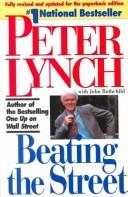
Lynch's stock-by-stock walkthrough of how he picked them.
“I strongly recommend all of Peter Lynch's book esp. this one and One up on Wall Street.” — Mohnish Pabrai
Source: Mohnish's Bookshelf — Books on Investing & Capital Allocation, entry 26
Also recommended by: Julian Robertson and 3 others

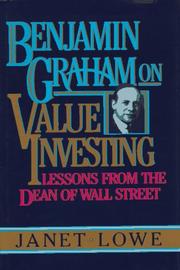
Part life, part method; based on interviews with his circle.

Every Berkshire annual letter since 1965, in order, as the company grew.
“You should read the Berkshire Hathaway 'Letters to Shareholders' which are on the Berkshire website so they are free. That will be a great start.” — Mohnish Pabrai
Source: Pabrai's suggested starting point for a new investor
Also recommended by: Andrew Wilkinson, Arnold Van Den Berg and 4 others


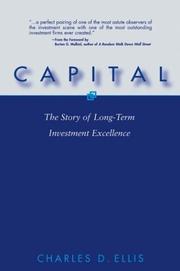
How Capital Group built its long-term investing culture.

Synthesis of his mental-models framework, not a life.
Source: Chai with Pabrai bookshelf — Investing and Capital Allocation
Also recommended by: Andrew Wilkinson, Christopher Bloomstran and 6 others


Vanguard's founder on costs, turnover and fund structure.
“Wonderful Book. I highly recommend all of John Bogle's writings to any investor.” — Mohnish Pabrai
Source: Mohnish's Bookshelf — Books on Investing & Capital Allocation, entry 50
Also recommended by: Jason Zweig, Mr. Money Mustache and 2 others
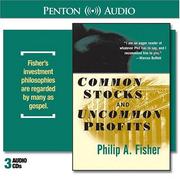
Buy a few outstanding growth companies, research them by scuttlebutt, and hold.
“if you read Philip Fisher's book, Common Stocks and Uncommon Profits, which is a terrific read, the scuttlebutt is good” — Mohnish Pabrai
Source: Mohnish Pabrai's Q&A Session with Francis Chou at Harvard University, April 7, 2020
Also recommended by: Arnold Van Den Berg, Bill Stewart and 9 others
Case studies of managers who ran very few positions and why it worked.
Data showing that low-expectation stocks beat popular ones over the long run.
Source: Chai with Pabrai bookshelf — Investing and Capital Allocation
Also recommended by: Joel Greenblatt, Patrick O'Shaughnessy


Step-by-step attempt to replicate Buffett’s selection process.

Eight activist letters over a century, from Graham in 1927, and what lay behind them.
Traces the method from Graham through Icahn to the acquirer's multiple.
Source: Chai with Pabrai bookshelf — Investing and Capital Allocation
Also recommended by: Patrick O'Shaughnessy
Financial Analysts Research Foundation monograph.

Subtitled Principles and Technique.

Start from the share price and ask what results it expects a company to deliver.


Why years of low prices and Chinese demand set up a long commodity bull market.


The reasoning that links Graham's analysis with Buffett's use of it.


Self-published

Source: Chai with Pabrai bookshelf — Investing and Capital Allocation
Also recommended by: Warren Buffett


How psychology, not fundamentals, drove the stock and housing booms of 2000 and 2005.
Source: Chai with Pabrai bookshelf — Investing and Capital Allocation
Also recommended by: Andrew Lokenauth, The Barefoot Investor

Fifty years of speeches and essays arguing for low-cost index funds.
Source: Chai with Pabrai bookshelf — Investing and Capital Allocation
Also recommended by: Mr. Money Mustache


Mental models from physics, biology and psychology, applied to investing.
“I'd recommend reading Robert Hagstrom's outstanding book, Latticework.” — Mohnish Pabrai
Source: Pabrai recommending Hagstrom's book on mental models
Avoid permanent loss: buy well below value and aim for absolute returns.
Source: Chai with Pabrai bookshelf — Investing and Capital Allocation
Also recommended by: Arnold Van Den Berg, Frank Martin, Guy Spier and 5 others

Interviews with traders such as Kovner, Dennis and Tudor Jones on their methods.
Source: Chai with Pabrai bookshelf — Investing and Capital Allocation
Also recommended by: Howard Marks

title listed on grantspub.com books page
Security analysis that weighs the balance sheet over reported earnings.

Collected Grant's essays; title listed on grantspub.com books page

The amateur's edge argument from the Magellan record.
“I strongly recommend all of Peter Lynch's book esp. this one and One up on Wall Street.” — Mohnish Pabrai
Source: Mohnish's Bookshelf — Books on Investing & Capital Allocation, entry 26
Also recommended by: David Rolfe, Francisco Garcia Parames and 8 others

How individual investors can exploit the constraints that bind professionals.

Source: Chai with Pabrai bookshelf — Investing and Capital Allocation
Also recommended by: Francois Rochon, Warren Buffett

How the Yale endowment invests, and how institutions can build portfolios like it.
Source: Chai with Pabrai bookshelf — Investing and Capital Allocation
Also recommended by: Howard Marks, Marc Andreessen and 1 other

Speeches making the case for a latticework of mental models from many fields.
“if you haven't read Poor Charlie's Almanack I think that should be the number one book.” — Mohnish Pabrai
Source: Mohnish Pabrai & Ramesh Damani Q&A session with Millennium MAMS, May 8, 2020
Also recommended by: Andrew Wilkinson, Charlie Munger and 25 others


Why large growth stocks would lag for twenty years, and what to hold instead.
Manager's memoir of running a technology long-short book through a bubble.


How to read financial statements sceptically and value bonds and stocks.
Also recommended by: Christopher Bloomstran, Howard Marks and 10 others


Client letters through the dot-com bubble; value discipline written contemporaneously
Source: Chai with Pabrai bookshelf — Investing and Capital Allocation
Also recommended by: Seth Klarman, Warren Buffett

Interviews with twelve of Canada's top money managers on how they pick stocks.
How to find undervalued stocks, build a value portfolio, and time buys and sells.

Wall Street from the late-1960s boom to the 1970 to 1973 collapse.
Source: Chai with Pabrai bookshelf — Investing and Capital Allocation
Also recommended by: Warren Buffett

Fortune's articles by and about Buffett from 1966 to 2012, with commentary.
Source: Chai with Pabrai bookshelf — Investing and Capital Allocation
Also recommended by: Bill Gates, Guy Spier, Patrick Collison and 1 other

Safe and cheap investing: a security can be both lower-risk and higher-return.
Source: Chai with Pabrai bookshelf — Investing and Capital Allocation
Also recommended by: Guy Spier, Seth Klarman
Buying securities to profit from changes in value, with twelve commandments.
Source: Chai with Pabrai bookshelf — Investing and Capital Allocation
Also recommended by: Francois Rochon
Wiley edition confirmed elsewhere.

Source: Chai with Pabrai bookshelf — Investing and Capital Allocation
Also recommended by: Mr. Money Mustache

Investing lessons from the career-defining mistakes of billionaire investors.
Buffett, Munger and scholars discuss governance and investing at a 1996 symposium.
How speculation displaced long-term investment in markets, shown in turnover data.
Source: Chai with Pabrai bookshelf — Investing and Capital Allocation
Also recommended by: Warren Buffett, Mr. Money Mustache
Three generations compounding a fortune through insurance stocks
Source: Chai with Pabrai bookshelf — Investing and Capital Allocation
Also recommended by: Peter Bernstein, Thomas Gayner

Reasoning methods of fictional detectives such as Dupin applied to stock analysis.

Life as speculation, with lessons on markets, games, careers and relationships.
Spier on the psychology and habits behind durable value investing.
Also recommended by: Andrew Wilkinson, Christopher Bloomstran
Berkshire's shareholder letters arranged by topic: governance, valuation, mergers.
“The only book on Buffett endorsed by him. It's a good book to pick up after having read the last 20 years of letters to shareholders.” — Mohnish Pabrai
Source: Mohnish's Bookshelf — Books on Investing & Capital Allocation, entry 224
Also recommended by: Christopher Bloomstran, Francois Rochon and 10 others

Buffett's approach set out as tenets for judging businesses, managers and prices.
“I recommend all of Hagstrom's books on Buffett.” — Mohnish Pabrai
Source: Mohnish's Bookshelf — Books on Investing & Capital Allocation, entry 225

Dividend reinvestment as the bear market protector and return accelerator.

Treat stocks as parts of businesses and buy only with a margin of safety.
“Wonderful Book. There is a lot of terrific data in this book. Needs to be read slowly and carefully - and then re-read. Strongly recommended.” — Mohnish Pabrai
Source: Mohnish's Bookshelf — Books on Investing & Capital Allocation, entry 239
Also recommended by: Benjamin Graham, Christopher Bloomstran and 26 others

Seventy questions to ask before buying any business.
Source: Chai with Pabrai bookshelf — Investing and Capital Allocation
Also recommended by: Rational Capital Investment Fund


A 'magic formula' for buying good companies at bargain prices.
How to spot a durable economic moat from public information, and what isn't one.

A growth-investing strategy for picking actively traded stocks with rising profits.
The magic formula: buy cheap stocks with high returns on capital, mechanically.
Source: Chai with Pabrai bookshelf — Investing and Capital Allocation
Also recommended by: Rational Capital Investment Fund and 1 other
Practical countermeasures rather than a catalogue of biases.

How to protect assets and make money when the US economy turns down.

A guide to commodity investing and to spotting its opportunities.
After costs, most investors trail the market, so hold a low-cost index fund.
Source: Chai with Pabrai bookshelf — Investing and Capital Allocation
Also recommended by: The Barefoot Investor, Warren Buffett and 3 others
Shorter restatement of active value investing for flat markets.

Tweedy Browne's distilled version of the Graham method.
Source: Chai with Pabrai bookshelf — Investing and Capital Allocation
Also recommended by: Jean-Marie Eveillard


An early account of Buffett's investing method, from 1987.

Markets as a game of crowd psychology, seen through 1960s go-go Wall Street.
Source: Chai with Pabrai bookshelf — Investing and Capital Allocation
Also recommended by: Barton Biggs, Howard Marks, Patrick Collison and 4 others

The methods of nine great investors, including Buffett, Graham, Fisher and Templeton.
Source: Chai with Pabrai bookshelf — Investing and Capital Allocation
Also recommended by: Joel Greenblatt, Peter Cundill
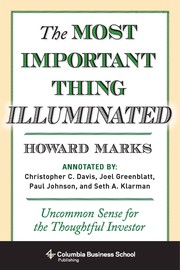
Second-level thinking on risk and cycles, with notes by Klarman and Greenblatt.
Source: Chai with Pabrai bookshelf — Investing and Capital Allocation
Also recommended by: Andrew Wilkinson, Nat Eliason, Peter Attia and 1 other

Second-level thinking, risk and market cycles, drawn from Oaktree's client memos.
Source: Chai with Pabrai bookshelf — Investing and Capital Allocation
Also recommended by: Matt Mullenweg, Nat Eliason and 3 others


Profiles of the hedge fund managers who rose above thousands of others in a decade.

Interviews in which successful traders explain the strategies behind their results.


Source: Chai with Pabrai bookshelf — Investing and Capital Allocation
Also recommended by: Warren Buffett

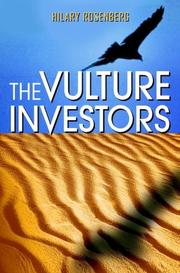
The investors who bought the bonds of failing companies after the buyout era.
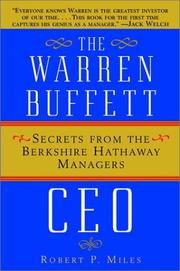
Interviews with Berkshire subsidiary managers.

The case for focus investing: ten to fifteen stocks held for a long time.
Source: Chai with Pabrai bookshelf — Investing and Capital Allocation
Also recommended by: Charlie Munger and 1 other

Buffett's method as tests of the business, its managers, its finances and price.
Also recommended by: Bill Ackman, Howard Marks, Joel Greenblatt

Peter Cundill's deep-value practice, drawn from his own journals.


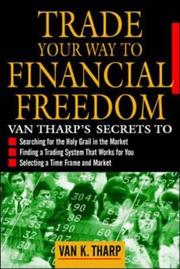
Introduces expectancy, R-multiples and position sizing to a general audience.


Stock, bond and bill returns for sixteen countries from 1900 to 2000.
Subtitled A Fundamental Approach to Personal Investment.
Source: Chai with Pabrai bookshelf — Investing and Capital Allocation
Also recommended by: Marc Andreessen

Graham's method restated for beginners
Source: Chai with Pabrai bookshelf — Investing and Capital Allocation
Also recommended by: Michael Burry

Net asset value and resource conversion as the real drivers of return.
Personal account of learning value investing from scratch.

Wiley published it in 2020.
Source: Chai with Pabrai bookshelf — Investing and Capital Allocation
Also recommended by: Prem Watsa, Joel Greenblatt, Warren Buffett

Value investing joined with behavioural finance, from a strategist's research notes.


Miller reconstructs Buffett's partnership-era rules and results.
Source: Chai with Pabrai bookshelf — Entrepreneurship, Management and Leadership
Also recommended by: Warren Buffett


An actual Turtle's account of the rules and why most trainees failed.
Decades of US stock data testing which selection rules have beaten the market.
“Strongly Recommended. Great data.” — Mohnish Pabrai
Source: Mohnish's Bookshelf — Books on Investing & Capital Allocation, entry 336
Also recommended by: Patrick O'Shaughnessy

Why Wall Street grows rich on fees while its clients' results stay ordinary.
Source: Chai with Pabrai bookshelf — Investing and Capital Allocation
Also recommended by: Nick Sleep, Warren Buffett, Jason Zweig and 3 others
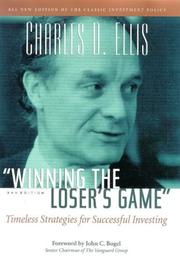
Why active investing became a loser's game, decided by errors, not by skill.
Source: Chai with Pabrai bookshelf — Investing and Capital Allocation
Also recommended by: Bill Miller, Howard Marks
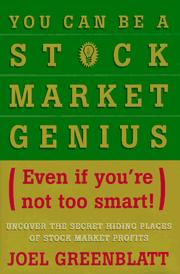
Where to find mispriced stocks: spinoffs, mergers, bankruptcies and restructurings.
Source: Chai with Pabrai bookshelf — Investing and Capital Allocation
Also recommended by: Dan Loeb, Guy Spier and 6 others

Source: Chai with Pabrai bookshelf — Fiction
Also recommended by: Patrick Collison, Jacqueline Novogratz
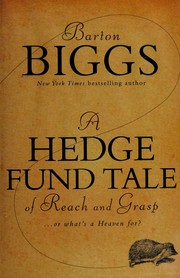
Wiley








Source: Chai with Pabrai bookshelf — Balance between Work, Play, Family, Friends, Learning
Also recommended by: Patrick O'Shaughnessy
Source: Chai with Pabrai bookshelf — Fiction
Also recommended by: Richard Branson



Source: Chai with Pabrai bookshelf — Fiction
Also recommended by: Ev Williams, Niki Scevak


A novel in which industrialists vanish from an economy run by government directives.
Source: Chai with Pabrai bookshelf — Fiction
Also recommended by: Brian Armstrong, Nat Eliason, Ran Segall and 17 others




Source: Chai with Pabrai bookshelf — Fiction
Also recommended by: Ryan Holiday


Source: Chai with Pabrai bookshelf — Fiction
Also recommended by: Nat Eliason, Ev Williams



Source: Chai with Pabrai bookshelf — Fiction
Also recommended by: Tim Ferriss



Source: Chai with Pabrai bookshelf — Fiction
Also recommended by: Andrew Wilkinson, Nat Eliason


Source: Chai with Pabrai bookshelf — Fiction
Also recommended by: Tim Ferriss

Source: Chai with Pabrai bookshelf — Fiction
Also recommended by: Nir Eyal, Ryan Holiday



A novel of an American with Spanish guerrillas sent to blow up a bridge.
Source: Chai with Pabrai bookshelf — Fiction
Also recommended by: Nat Eliason, David Kadavy, Guy Proops







A novel of Marco Polo describing imagined cities to the emperor Kublai Khan.
Source: Chai with Pabrai bookshelf — Fiction
Also recommended by: Patrick Collison, Daniel Burka and 1 other

Source: Chai with Pabrai bookshelf — Fiction
Also recommended by: Ryan Holiday, Jacqueline Novogratz


A novel of schoolboys stranded on an island whose self-rule collapses into violence.
Source: Chai with Pabrai bookshelf — Fiction
Also recommended by: Alexey Moiseenkov, Elon Musk, Ev Williams and 1 other



An orphan boy steals food to survive on the streets of Nazi-occupied Warsaw.

Stories and novel excerpts by Indian writers from independence in 1947 to 1997.

A Kansas City lawyer buries himself in work whenever his family needs something.

Source: Chai with Pabrai bookshelf — Fiction
Also recommended by: Guy Proops

An American naval commander uncovers a long-buried secret US-British treaty.

Ten short stories of betrayal, blackmail, murder and revenge, each with a twist.

Source: Chai with Pabrai bookshelf — Fiction
Also recommended by: Sophie Bakalar

One day of a prisoner in a Soviet Gulag labour camp, and the suffering it holds.

Source: Chai with Pabrai bookshelf — Fiction
Also recommended by: Richard Branson, Fred Wilson

On a dust-swept prairie, a girl scarred by an accident loses her mother and piano.

In a small Colorado town, a high-school teacher is left to raise his two boys alone.

An ex-cop, almost ex-drunk law partner takes on a sensitive task for his firm.
A prosecutor hunting a colleague's killer is himself charged with the murder.

Source: Chai with Pabrai bookshelf — Fiction
Also recommended by: David Kadavy, Tim O’Reilly

A writer's fifty-year path from Trappist monk to a forgotten universal religion.

Plays, memoirs, letters, essays, stories, poems and songs, many from the Bengali.
A secret defence project needs a rare element that lies only in the Titanic's hold.

An Indian princess born in the 1890s lives through the end of British rule.

Two schoolboys grow up in a crowded Bombay chawl in the 1960s.
Indian myth, epic history and three college students who go in search of America.




A novel of a Brahmin's son in ancient India who seeks understanding his own way.
Source: Chai with Pabrai bookshelf — Fiction
Also recommended by: Naval Ravikant, Patrick O'Shaughnessy and 5 others


Source: Chai with Pabrai bookshelf — Fiction
Also recommended by: Nat Eliason, Daniel Ek, Iman Gadzhi and 8 others



A satire of ambition, race, class and greed around a 1980s New York bond trader.
Source: Chai with Pabrai bookshelf — Fiction
Also recommended by: Ev Williams



A novel of a sixteen-year-old's days alone in New York after his school expels him.
Source: Chai with Pabrai bookshelf — Fiction
Also recommended by: Ryan Holiday, Bill Gates, Ev Williams and 1 other

A novel of an adventure in pursuit of a spiritual mystery and its predictions.
Source: Chai with Pabrai bookshelf — Balance between Work, Play, Family, Friends, Learning
Also recommended by: Nat Eliason



Source: Chai with Pabrai bookshelf — Fiction
Also recommended by: Donald Trump, Ev Williams






A novel of an architect who will build only by his own judgment, whatever it costs.
Source: Chai with Pabrai bookshelf — Fiction
Also recommended by: Ev Williams, Iman Gadzhi, Kevin Kelly and 4 others





A novel of a rich man of unknown origin on Long Island and the woman he wants back.
Source: Chai with Pabrai bookshelf — Fiction
Also recommended by: Patrick Collison, Anna Cheng, Bill Gates and 2 others






An Indian-American boy named Gogol rejects his name and his parents' values.
Source: Chai with Pabrai bookshelf — Fiction
Also recommended by: Rana el Kaliouby



An old fisherman, a boy and a giant fish in the Gulf Stream off Havana.
Source: Chai with Pabrai bookshelf — Fiction
Also recommended by: Jack Dorsey





Source: Chai with Pabrai bookshelf — Fiction
Also recommended by: Abi Tyas Tunggal, Diana Kimball, Jeff Bezos

Source: Chai with Pabrai bookshelf — Fiction
Also recommended by: Bill Gates
Source: Chai with Pabrai bookshelf — Fiction
Also recommended by: Bill Gates, Gaby Goldberg


Novel, but the standard introduction to how ship finance actually works.




Source: Chai with Pabrai bookshelf — Fiction
Also recommended by: Gaby Goldberg




Source: Chai with Pabrai bookshelf — Fiction
Also recommended by: Michael Bloomberg


Source: Chai with Pabrai bookshelf — Fiction
Also recommended by: Shane Parrish, Sophie Bakalar





Source: Chai with Pabrai bookshelf — Fiction
Also recommended by: Patrick Collison, Susan J. Fowler and 1 other



Source: Chai with Pabrai bookshelf — Balance between Work, Play, Family, Friends, Learning
Also recommended by: Patrick O'Shaughnessy, Sheryl Sandberg


A memoir told through portraits of the people the author knew, from Vienna on.
Source: Chai with Pabrai bookshelf — Entrepreneurship, Management and Leadership
Also recommended by: Stewart Brand


The scholarly life of Carnegie, from Dunfermline and the railroad to steel.
Source: Chai with Pabrai bookshelf — Entrepreneurship, Management and Leadership
Also recommended by: Charlie Munger
Source: Chai with Pabrai bookshelf — Balance between Work, Play, Family, Friends, Learning
Also recommended by: Tim Cook

How the NeXT and Pixar years changed Steve Jobs into the leader who rebuilt Apple.
Source: Chai with Pabrai bookshelf — Entrepreneurship, Management and Leadership
Also recommended by: Bill Gates, Brian Armstrong, Ed Catmull and 4 others
Franklin's life as printer, scientist, diplomat and founder.
Source: Chai with Pabrai bookshelf — Entrepreneurship, Management and Leadership
Also recommended by: Alfred Lin, Andrew Wilkinson, Brett Adcock and 6 others
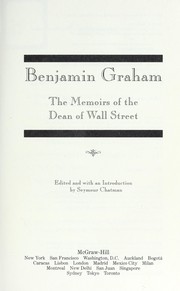
Published posthumously; edited by Seymour Chatman.

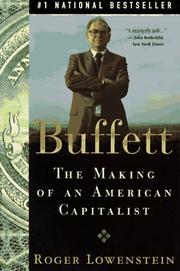
Buffett's life from Omaha and Graham's class to building Berkshire Hathaway.
Source: Chai with Pabrai bookshelf — Investing and Capital Allocation
Also recommended by: Andrew Wilkinson, Christopher Bloomstran and 11 others

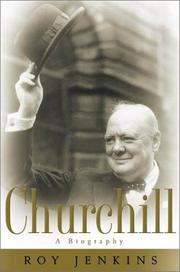

Turner Broadcasting, absorbed by Time Warner in 1996.

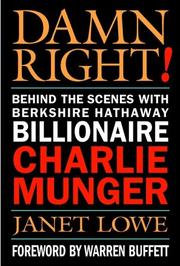
The only full biography; written with Munger's cooperation.
“Great book. Highly Recommended.” — Mohnish Pabrai
Source: Mohnish's Bookshelf — Books on Investing & Capital Allocation, entry 63
Also recommended by: Christopher Bloomstran

Insider account of build-to-order, negative working capital and cutting the channel.
Source: Chai with Pabrai bookshelf — Sales and Marketing
Also recommended by: Andrew Grove

The only full biography; workmanlike rather than definitive.

Source: Chai with Pabrai bookshelf — Entrepreneurship, Management and Leadership
Also recommended by: Jamie Dimon
Musk's life from South Africa and PayPal to running SpaceX and Tesla at once.
Source: Chai with Pabrai bookshelf — Entrepreneurship, Management and Leadership
Also recommended by: Anthony Pompliano, Anu Hariharan and 9 others
How Singapore's leaders chose policies, from courting multinationals onward.
Source: Chai with Pabrai bookshelf — Unorganized, yet Interesting
Also recommended by: Balaji S. Srinivasan, Patrick Collison


A milkshake-machine salesman finds the McDonald brothers and builds the franchise.

A critical history of Bill Gates and the early Microsoft, from Lakeside School on.
Source: Chai with Pabrai bookshelf — Entrepreneurship, Management and Leadership
Also recommended by: Patrick Collison, Aaron Levie and 2 others

A decade working in hotels, from valet to front desk, and the hustles behind them.

Siegmund Warburg, who fled Germany and founded S.G. Warburg in London.


Source: Chai with Pabrai bookshelf — Unorganized, yet Interesting
Also recommended by: Bill Gates

Tight narrative of the Model T years; the best short account.
Biography of Roberto Goizueta and the 1980s-90s value creation.

The businessman who brought Chrysler back from the brink tells his story.
Source: Chai with Pabrai bookshelf — Entrepreneurship, Management and Leadership
Also recommended by: Ramit Sethi

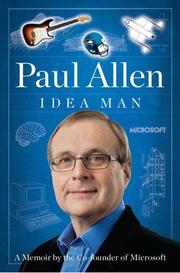
A Microsoft co-founder's memoir of his ventures, successes and failures.

Source: Chai with Pabrai bookshelf — Investing and Capital Allocation
Also recommended by: Warren Buffett

Insider memoir by the CEO who ran the 2004 turnaround.

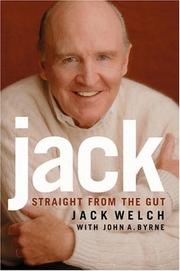
Running General Electric from 1981 to 2001, as told on retiring.
Source: Chai with Pabrai bookshelf — Entrepreneurship, Management and Leadership
Also recommended by: Jamie Dimon, Warren Buffett
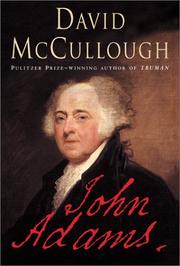

title listed on grantspub.com books page
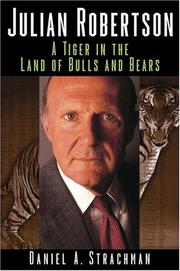
Tiger Management, the firm that set the long-short template.

The only dedicated English biography; stops before the handover.
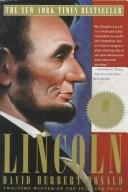
Source: Chai with Pabrai bookshelf — Entrepreneurship, Management and Leadership
Also recommended by: Jamie Dimon
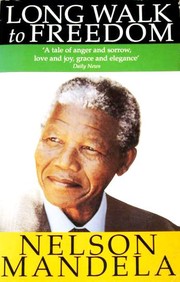
Nelson Mandela's own story, from childhood to prison and the end of apartheid.
Source: Chai with Pabrai bookshelf — Entrepreneurship, Management and Leadership
Also recommended by: Richard Branson

Source: Chai with Pabrai bookshelf — Entrepreneurship, Management and Leadership
Also recommended by: Iman Gadzhi, The Barefoot Investor

How Walmart grew from one Arkansas store by cutting costs and prices.
Source: Chai with Pabrai bookshelf — Entrepreneurship, Management and Leadership
Also recommended by: David Cancel, Iman Gadzhi, Jamie Dimon and 2 others

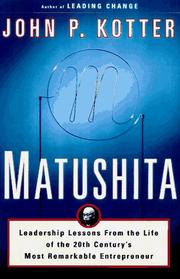
Founder's account of building Firestone; business sense from the tyre trade
Source: Chai with Pabrai bookshelf — Entrepreneurship, Management and Leadership
Also recommended by: Andrew Wilkinson, Charlie Munger


A life across economics, psychology, organisations and artificial intelligence.
Source: Chai with Pabrai bookshelf — Unorganized, yet Interesting
Also recommended by: Charlie Munger

Memoir of the Cultural Revolution and Tiananmen; his only English-language book.
title listed on grantspub.com books page

A president's years before public life, his years in politics and in the White House.

A poet's life told from his own writings: family, loss, school reform, East and West.


Source: Chai with Pabrai bookshelf — Balance between Work, Play, Family, Friends, Learning
Also recommended by: Chris Sacca, Guy Proops

Sprawling, repeatedly expanded compendium of Buffett material.
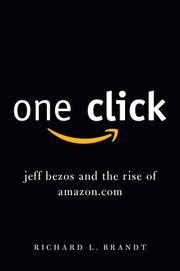
Jeff Bezos and Amazon's early years, from D. E. Shaw to the founding in 1994.

Running the Washington Post through the Pentagon Papers, Watergate and a strike.
“Highly Recommended.” — Mohnish Pabrai
Source: Mohnish's Bookshelf — Books on Entrepreneurship, Management and Leadership, entry 178
Also recommended by: Bill Gates, Diana Kimball, Jackie Vullinghs and 2 others

A general's own account of his career, from West Point cadet to head of Union armies.
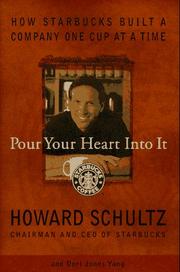
Insider account: Schultz on building the company to 1997.

Over 1,000 letters from 1922 to 1994, grouped by themes such as friends and beliefs.



How a running-shoe importer became Nike, surviving one cash crisis after another.
Source: Chai with Pabrai bookshelf — Entrepreneurship, Management and Leadership
Also recommended by: Andrew Wilkinson, Bill Gates, Warren Buffett and 24 others


The four Koch brothers' lives and their business, social and political ambitions.

George Soros's life from wartime Europe to finance and philanthropy.

Journalistic and secondary; Soros declined to participate.

Steve Jobs's life and Apple's products, from forty interviews with him and many more.
Source: Chai with Pabrai bookshelf — Entrepreneurship, Management and Leadership
Also recommended by: Patrick Collison, Andrew Wilkinson and 16 others
Contemporaneous account of the NeXT failure.
Source: Chai with Pabrai bookshelf — Sales and Marketing
Also recommended by: Keith Rabois


How Lincoln brought his three rivals for the 1860 nomination into his cabinet.
Source: Chai with Pabrai bookshelf — Entrepreneurship, Management and Leadership
Also recommended by: Bill Gates, Jamie Dimon, Stewart Butterfield

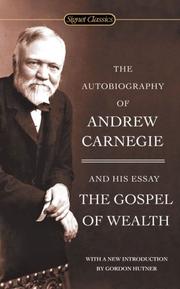

A printer's rise in colonial America and his chart for practising thirteen virtues.
Source: Chai with Pabrai bookshelf — Unorganized, yet Interesting
Also recommended by: Charlie Munger, Nat Eliason, Elon Musk and 3 others
How Chuck Feeney made a fortune from Duty Free Shoppers and gave it away in secret.
Source: Chai with Pabrai bookshelf — Entrepreneurship, Management and Leadership
Also recommended by: Andrew Wilkinson

Barack Obama's life, experiences and the ambition behind his rise.
Unauthorised; Ellison tried to block it.

Vanderbilt's rise through ferries, steamships and railroads.


David Ogilvy's life and the making of his famous advertising campaigns.
Source: Chai with Pabrai bookshelf — Sales and Marketing
Also recommended by: Andrew Wilkinson

Marc Rich, the founder of modern commodity trading.

Source: Chai with Pabrai bookshelf — History
Also recommended by: David Sacks, Larry Ellison



The career of Norman Borlaug, the plant scientist who won the Nobel Peace Prize.
Source: Chai with Pabrai bookshelf — Science
Also recommended by: Bill Gates

Joseph P. Kennedy's life in banking, film, the stock market and politics.
Source: Chai with Pabrai bookshelf — Entrepreneurship, Management and Leadership
Also recommended by: Morgan Housel
Theodore Roosevelt's life from his birth in 1858 to the presidency in 1901.
Source: Chai with Pabrai bookshelf — Entrepreneurship, Management and Leadership
Also recommended by: Ryan Holiday, Jamie Dimon, Sophie Bakalar

Buffett's life to 2008, written with full access to his files and his friends.
Source: Chai with Pabrai bookshelf — Investing and Capital Allocation
Also recommended by: Andrew Wilkinson, Guy Spier and 5 others

Templeton's method: buying at the point of maximum pessimism worldwide
Source: Chai with Pabrai bookshelf — Entrepreneurship, Management and Leadership
Also recommended by: Peter Cundill

Two centuries of a Jewish banking family from Hamburg to London and New York.

Six friends, including Acheson, Harriman and Kennan, who shaped US foreign policy.
From a Dayton bicycle shop to the first powered flights and the 1908 demonstrations.
Source: Chai with Pabrai bookshelf — History
Also recommended by: Ali Abdaal, Morgan Housel, Austen Allred and 2 others

Source: Chai with Pabrai bookshelf — Entrepreneurship, Management and Leadership
Also recommended by: Sophie Bakalar


How Rockefeller built Standard Oil, faced its breakup and gave his fortune away.
“Very compelling biography on John D. Rockefeller, a must read.” — Mohnish Pabrai
Source: Mohnish's Bookshelf — Books on Entrepreneurship, Management and Leadership, entry 307
Also recommended by: Andrew Wilkinson, Charlie Munger and 11 others


Source: Chai with Pabrai bookshelf — Fiction
Also recommended by: Andrew Wilkinson




Source: Chai with Pabrai bookshelf — Entrepreneurship, Management and Leadership
Also recommended by: Jamie Dimon
A neurosurgeon diagnosed with lung cancer at 36 asks what makes life worth living.
Source: Chai with Pabrai bookshelf — Unorganized, yet Interesting
Also recommended by: Bill Gates, Morgan Housel and 11 others
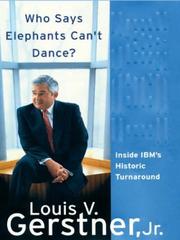
How IBM was kept whole in 1993 and turned from hardware toward services.
Source: Chai with Pabrai bookshelf — Entrepreneurship, Management and Leadership
Also recommended by: Aaron Levie

Source: Chai with Pabrai bookshelf — Unorganized, yet Interesting
Also recommended by: Richard Branson


Early Chinese-sourced account, admiring and lightly sourced.

The fullest narrative history, from freight forwarding to cards.
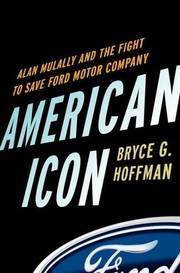
The 2006-2010 turnaround told with close management access.


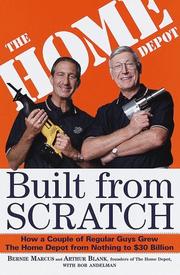
How two fired executives built Home Depot into a national chain.
Source: Chai with Pabrai bookshelf — Entrepreneurship, Management and Leadership
Also recommended by: David Cancel, Frank Blake, Jamie Dimon

John Malone and TCI; the cable industry Comcast consolidated.
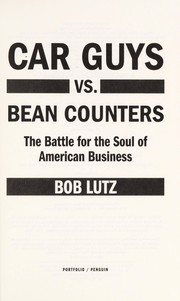
Insider account: Lutz on product culture versus finance control.


Mittal Steel's 2006 hostile takeover of Arcelor, creating the largest steelmaker.
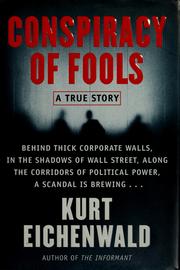
Enron's collapse told scene by scene from depositions, emails and interviews.
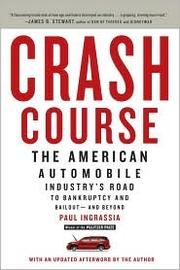
How Detroit fell from postwar dominance to the 2009 bankruptcies of GM and Chrysler.

From LinkExchange to Zappos, and the case for building a company on its culture.
Source: Chai with Pabrai bookshelf — Entrepreneurship, Management and Leadership
Also recommended by: Ev Williams, Ran Segall, Tim Ferriss and 1 other



Teledyne from the inside; the conglomerate that actually compounded.
Source: Chai with Pabrai bookshelf — Entrepreneurship, Management and Leadership
Also recommended by: Christopher Bloomstran
The best modern account of Honda's decentralized engineering culture.


Goldman Sachs to its 1999 IPO, with a focus on its partnership culture.



Google's technical and business decisions from Stanford research to 2011.
Source: Chai with Pabrai bookshelf — Entrepreneurship, Management and Leadership
Also recommended by: Charlie Munger, Drew Houston and 2 others

Source: Chai with Pabrai bookshelf — Sales and Marketing
Also recommended by: Richard Branson

Blackstone from its 1985 founding through its 2007 public offering and the crisis.

How BlackBerry maker Research In Motion rose to dominance and fell after the iPhone.
Source: Chai with Pabrai bookshelf — Entrepreneurship, Management and Leadership
Also recommended by: Andrew Wilkinson
Steve Ross's path from funeral homes and parking lots to the Time Warner merger.
Source: Chai with Pabrai bookshelf — Entrepreneurship, Management and Leadership
Also recommended by: Charlie Munger

McDonald's to the mid-1980s, from the brothers' stand to Kroc's franchise system.
The family-owned firms, from Cargill to Bunge, that controlled the world grain trade.

Goldman Sachs from Marcus Goldman to the 2008 crisis, from internal documents.
Aboard a Maersk box ship; the economics of the trade Denmark dominates.


The purest European study of stripping cost out of a service business.
How Asa Candler built Coca-Cola and Robert Woodruff made it a global brand.
“Great Book to help understand Coca-Cola.” — Mohnish Pabrai
Source: Mohnish's Bookshelf — Books on Entrepreneurship, Management and Leadership, entry 202


Fortune correspondent's inside look at the collapse.
How Enron used mark-to-market accounting and hidden deals until its 2001 bankruptcy.
Source: Chai with Pabrai bookshelf — Investing and Capital Allocation
Also recommended by: Andrew Wilkinson, Warren Buffett


Glen Bell's rise from poverty to build Taco Bell and sell it for $130 million.
How AIG became the world's largest insurer, and its builder's account of his ouster.


Amazon's first two decades, from an online bookshop to selling nearly everything.
Source: Chai with Pabrai bookshelf — Entrepreneurship, Management and Leadership
Also recommended by: Andrew Wilkinson, David Cancel and 6 others


The inside story of Nomura, the Japanese securities house.

How Bell Labs turned research into the transistor, the laser and information theory.
Source: Chai with Pabrai bookshelf — Entrepreneurship, Management and Leadership
Also recommended by: Mark Zuckerberg, Patrick Collison and 1 other
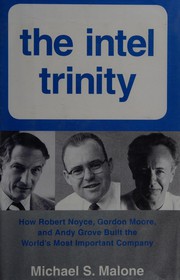
Intel's history through Robert Noyce, Gordon Moore and Andy Grove.
Source: Chai with Pabrai bookshelf — Entrepreneurship, Management and Leadership
Also recommended by: Keith Rabois

J. G. Boswell and the secret farming empire he ran in the heart of California.
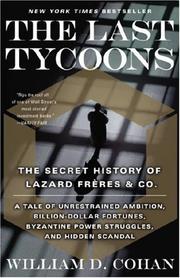
The history of Lazard Freres and its partners, from interviews and internal papers.
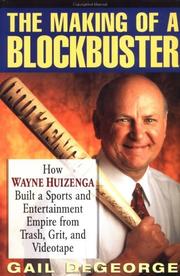
The one dedicated book: Huizenga's roll-up and the sale to Viacom.
“The Wayne Huizenga Story. On my Top Ten List. Awesome. An inspiration.” — Mohnish Pabrai
Source: Mohnish's Bookshelf — Books on Entrepreneurship, Management and Leadership, entry 270
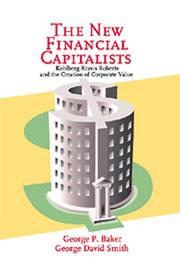
Academic and broadly favorable.


How a basement kitchenware business grew into a billion-dollar company.
Goldman Sachs from Marcus Goldman's commercial paper to its 1999 public offering.

A Data General team races to design a 32-bit minicomputer in about a year.
“Must-read for anyone in a product development or a startup environment.” — Mohnish Pabrai
Source: Mohnish's Bookshelf — Books on Sales & Marketing, entry 73
Also recommended by: Patrick Collison, Brad Feld, Fred Wilson and 2 others

Insider account by the long-serving chief operating officer.



Complex problems yield to trial and error, not expert plans, and how to run it.
Source: Chai with Pabrai bookshelf — Entrepreneurship, Management and Leadership
Also recommended by: Patrick O'Shaughnessy
Berkshire as an operating company: its subsidiaries' culture and whether it lasts.

How to create new market space instead of fighting rivals over existing demand.
Source: Chai with Pabrai bookshelf — Entrepreneurship, Management and Leadership
Also recommended by: Nat Eliason, Aaron Levie and 5 others
What eighteen long-lived companies did differently from close rivals in their fields.
Source: Chai with Pabrai bookshelf — Entrepreneurship, Management and Leadership
Also recommended by: Drew Houston, Ev Williams, Jack Ma and 2 others

Twelve New Yorker stories of business, from the Edsel's failure to the 1962 crash.
Source: Chai with Pabrai bookshelf — Entrepreneurship, Management and Leadership
Also recommended by: Bill Gates, Patrick Collison, Warren Buffett

Game theory applied to business, which is cooperative and competitive at once.
How firms lead future industries by seeing tomorrow's chances and building skills.

Strategy as constant reshaping of advantage in fast, unpredictable markets.
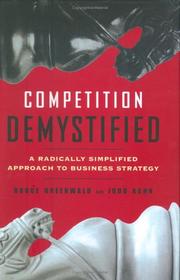
Barriers to entry as the only durable source of a toll.
Source: Chai with Pabrai bookshelf — Entrepreneurship, Management and Leadership
Also recommended by: Li Lu
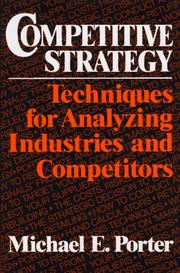
Techniques for Analyzing Industries and Competitors
Source: Chai with Pabrai bookshelf — Investing and Capital Allocation
Also recommended by: Bill Gurley, Jamie Dimon

Why imitating others' innovations matters as much as innovating.
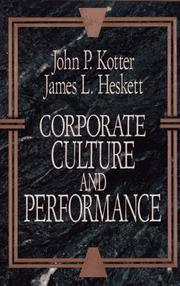

Value is discounted future cash flow, not earnings per share or return on equity.
Source: Chai with Pabrai bookshelf — Investing and Capital Allocation
Also recommended by: Michael Mauboussin

Why long-lived companies underperform the market, and how to transform them.


Cost discipline handbook widely used by buyout and turnaround operators
Source: Chai with Pabrai bookshelf — Investing and Capital Allocation
Also recommended by: Patrick O'Shaughnessy, Jamie Dimon
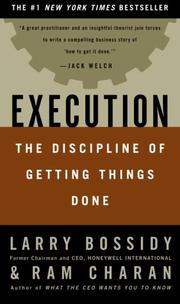
Execution is a discipline the CEO must lead, linking people, strategy and operations.
Source: Chai with Pabrai bookshelf — Entrepreneurship, Management and Leadership
Also recommended by: Jamie Dimon


Good to Great's principles applied to non-profits and the public sector.
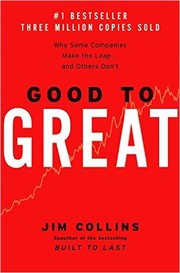
What eleven companies did to turn fifteen ordinary years into fifteen great ones.
Source: Chai with Pabrai bookshelf — Entrepreneurship, Management and Leadership
Also recommended by: Brian Armstrong, Nat Eliason, Alfred Lin and 15 others

What companies that beat their industries tenfold in turbulent times did differently.
Source: Chai with Pabrai bookshelf — Entrepreneurship, Management and Leadership
Also recommended by: Tony Hsieh, Alfred Lin

Little-known firms that lead the world in narrow product markets, and how they do it.
Source: Chai with Pabrai bookshelf — Entrepreneurship, Management and Leadership
Also recommended by: Tom Peters
How Google hired and managed smart creatives, people who can't be told what to do.
Source: Chai with Pabrai bookshelf — Entrepreneurship, Management and Leadership
Also recommended by: Cynthia Johnson, Keith Rabois and 1 other
Eight practices shared by well-run companies.
Source: Chai with Pabrai bookshelf — Entrepreneurship, Management and Leadership
Also recommended by: Ev Williams


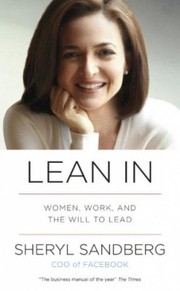
Why few women reach senior roles, and what women and firms can do about it.
Source: Chai with Pabrai bookshelf — Entrepreneurship, Management and Leadership
Also recommended by: Richard Branson, Catriona Wallace and 2 others
Toyota's methods as five principles: value, value stream, flow, pull, perfection.
Source: Chai with Pabrai bookshelf — Entrepreneurship, Management and Leadership
Also recommended by: Jeff Bezos

Source: Chai with Pabrai bookshelf — Balance between Work, Play, Family, Friends, Learning
Also recommended by: Ryan Holiday

Greenberg's own memos; the cost culture Bear ran on before it broke.
Source: Chai with Pabrai bookshelf — Entrepreneurship, Management and Leadership
Also recommended by: Jeff Bezos
The decentralised structure and financial controls that ran General Motors.
Source: Chai with Pabrai bookshelf — Entrepreneurship, Management and Leadership
Also recommended by: Patrick Collison, Ben Horowitz

How to spot a strategic inflection point, when a tenfold force changes a business.
“On my Top Ten List. Great Book. Grove was CEO of Intel.” — Mohnish Pabrai
Source: Mohnish's Bookshelf — Books on Entrepreneurship, Management and Leadership, entry 174
Also recommended by: Charlie Munger, Patrick Collison and 10 others


The Lemann-Telles-Sicupira management system, written for operators.
Twenty-three profit models taught as weekly lessons from a mentor to an analyst.

Measure a firm on finance, customers, internal processes, and learning and growth.


A dialogue on thinking clearly: reality is simple, conflicts can be resolved.

Cost-cutting can't produce growth; a company must stand out to win.


Five disciplines, led by systems thinking, that let an organisation learn.
Source: Chai with Pabrai bookshelf — Entrepreneurship, Management and Leadership
Also recommended by: Sahil Lavingia
A plant manager learns that a system's output is set by its bottleneck.
Source: Chai with Pabrai bookshelf — Entrepreneurship, Management and Leadership
Also recommended by: Nat Eliason, Patrick Collison, Jeff Bezos and 3 others
Why well-run firms lose to cheaper, worse products that enter at the market's bottom.
“Awesome book. May move soon to my Top Ten List. If anything will keep CEOs awake at night, reading this book certainly will.” — Mohnish Pabrai
Source: Mohnish's Bookshelf — Books on Sales & Marketing, entry 66
Also recommended by: Jim Collins, Aaron Levie, Andrew Chen and 26 others

What companies that lasted over a century have in common, from a Shell planner.
Source: Chai with Pabrai bookshelf — Entrepreneurship, Management and Leadership
Also recommended by: Prem Watsa
Eight CEOs who beat the market by allocating capital, not by running operations.
Source: Chai with Pabrai bookshelf — Entrepreneurship, Management and Leadership
Also recommended by: Andrew Wilkinson, Dan Loeb, Francois Rochon and 11 others
210 short pieces of business advice for a fast-changing early-1990s economy.



Leaderless organisations, from Alcoholics Anonymous to file sharing, and their power.
Source: Chai with Pabrai bookshelf — Entrepreneurship, Management and Leadership
Also recommended by: Changpeng Zhao, Simon Sinek

Source: Chai with Pabrai bookshelf — Entrepreneurship, Management and Leadership
Also recommended by: Warren Buffett


Joan Magretta's accessible synthesis of Porter's body of work clarifies the distinction between operational effectiveness and strategy proper. Essential for anyone who found Competitive Strategy dense or wants the argument stripped of its academic scaffolding.

Source: Chai with Pabrai bookshelf — Entrepreneurship, Management and Leadership
Also recommended by: Ev Williams, Sam Altman, Sarah Pritula
Insider account of Google's people operations by its SVP of HR.
Source: Chai with Pabrai bookshelf — Entrepreneurship, Management and Leadership
Also recommended by: Changpeng Zhao, David Cancel, John Doerr and 1 other


How snap judgments work, when to trust them and when they mislead.
Source: Chai with Pabrai bookshelf — Entrepreneurship, Management and Leadership
Also recommended by: Ev Williams, Packy McCormick
Gladwell on underdogs and mistaken assumptions about advantage
Source: Chai with Pabrai bookshelf — Entrepreneurship, Management and Leadership
Also recommended by: Andrew Wilkinson, Andrew Chen
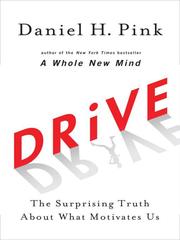
Rewards work for routine tasks; creative work runs on autonomy, mastery and purpose.
Source: Chai with Pabrai bookshelf — Entrepreneurship, Management and Leadership
Also recommended by: Michael Mauboussin, Alfred Lin, Nir Eyal and 1 other
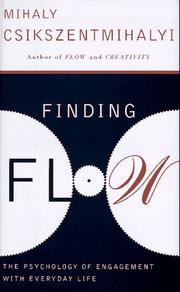

Flow, the state of full absorption in a hard task, and how to find it more often.
Source: Chai with Pabrai bookshelf — Balance between Work, Play, Family, Friends, Learning
Also recommended by: Andrew Wilkinson, Jim Collins, Raoul Pal


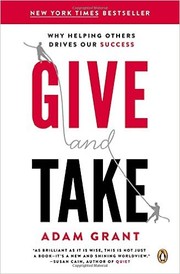
Givers, takers and matchers, and why givers end up both at the bottom and the top.
Source: Chai with Pabrai bookshelf — Entrepreneurship, Management and Leadership
Also recommended by: Alex Lieberman, Michael Mauboussin and 3 others


Source: Chai with Pabrai bookshelf — Balance between Work, Play, Family, Friends, Learning
Also recommended by: Tim Ferriss

Source: Chai with Pabrai bookshelf — Science
Also recommended by: Josh Wolfe


Six principles of compliance, from reciprocity to scarcity, and how sellers use them.
Source: Chai with Pabrai bookshelf — Unorganized, yet Interesting
Also recommended by: Andrew Wilkinson, Charlie Munger and 28 others
Life in Nazi concentration camps, and logotherapy: finding meaning to survive.
Source: Chai with Pabrai bookshelf — Fiction
Also recommended by: Frank Martin, Nat Eliason, Ryan Holiday and 23 others



Source: Chai with Pabrai bookshelf — Genetics and Evolution
Also recommended by: Ev Williams
People who think ability grows with effort learn more than those who think it fixed.
Source: Chai with Pabrai bookshelf — Entrepreneurship, Management and Leadership
Also recommended by: Bill Gates, Alex and Books, Brené Brown and 12 others

Tavris and Aronson focus on what happens after a bias fires: the self-justification, narrative revision, and escalating commitment that follow. Cognitive dissonance, they argue, is not a personality flaw but a universal mechanism, and understanding it explains police misconduct, political tribalism, and therapy failures in a single framework.
Source: Chai with Pabrai bookshelf — Unorganized, yet Interesting
Also recommended by: Nat Eliason, Andrew Wilkinson, Peter Attia

A psychologist's study of modern people's spiritual search.
A journalist learns memory techniques and wins the US Memory Championship.
Source: Chai with Pabrai bookshelf — Science
Also recommended by: Bill Gates, Nat Eliason, Nir Eyal and 3 others

How people champion new ideas, and how leaders can encourage originality.
Source: Chai with Pabrai bookshelf — Unorganized, yet Interesting
Also recommended by: Tony Hsieh, Alfred Lin, Anthony Pompliano and 6 others
How timing, culture and accumulated advantage explain exceptional success.
Source: Chai with Pabrai bookshelf — Balance between Work, Play, Family, Friends, Learning
Also recommended by: Tony Hsieh, Bill Gates, Charlie Munger and 5 others

A 70-question test that sorts readers into 16 temperament types, like Myers-Briggs.

A scale of human consciousness and a claimed method to test any statement's truth.

Experiments showing that people depart from rational choice in repeatable ways.
Source: Chai with Pabrai bookshelf — Investing and Capital Allocation
Also recommended by: Alfred Lin, Anna Cheng, David Kadavy and 5 others

People have no fixed sense of value, so context and anchors set the prices they pay.
Source: Chai with Pabrai bookshelf — Investing and Capital Allocation
Also recommended by: Patrick O'Shaughnessy

How sensitive children who meet their parents' needs lose touch with the true self.

Cognitive therapy applied to the thinking behind anger, hostility and violence.

How schools and workplaces built for extroverts waste what introverts offer.
Source: Chai with Pabrai bookshelf — Genetics and Evolution
Also recommended by: Brad Feld, Cristina Cordova, Jason Fried and 4 others

Argues that the quality of a life depends on what a person pays attention to.

Mullainathan and Shafir's research on cognitive bandwidth shows that financial scarcity — not just poverty but any experience of not having enough — tunnels attention in ways that make long-term planning harder and short-term mistakes more likely. It reframes willpower-based explanations of financial failure without excusing the structural causes.
Source: Chai with Pabrai bookshelf — Science
Also recommended by: Daniel Kahneman, Esther Dyson


Daniel Gilbert's accessible account of affective forecasting — our poor ability to predict what will make us happy. His research on immune neglect and focalism is less cited than Kahneman's work but equally well-evidenced.
Source: Chai with Pabrai bookshelf — Unorganized, yet Interesting
Also recommended by: Andrew Wilkinson, Derek Sivers, Ev Williams and 1 other
Change made easier: direct the rational rider, motivate the emotional elephant.
Source: Chai with Pabrai bookshelf — Entrepreneurship, Management and Leadership
Also recommended by: Andrew Wilkinson, Nir Eyal, Tony Hsieh
Deliberate practice, not innate talent, explains world-class performance.
Source: Chai with Pabrai bookshelf — Entrepreneurship, Management and Leadership
Also recommended by: Alfred Lin, Donald Trump

How individuals lose judgement in a crowd and how leaders sway crowds.
Source: Chai with Pabrai bookshelf — Science
Also recommended by: Frank Martin, Peter Cundill and 1 other

Why many successful children and adults feel empty, and how to break the cycle.
Source: Chai with Pabrai bookshelf — Balance between Work, Play, Family, Friends, Learning
Also recommended by: Tim Ferriss

Experiments showing most cheating is many people cheating a little.
Source: Chai with Pabrai bookshelf — Balance between Work, Play, Family, Friends, Learning
Also recommended by: Keith Rabois, Satya Nadella

How talent is grown, not born, through a brain mechanism training can tap.
Source: Chai with Pabrai bookshelf — Entrepreneurship, Management and Leadership
Also recommended by: Nat Eliason, David Cancel, Jason Fried and 1 other

Why mass movements of every kind draw the same frustrated people and use one method.
Source: Chai with Pabrai bookshelf — History
Also recommended by: Joe Rosenberg, Antonio García Martínez and 5 others
Michael Lewis's account of the Kahneman-Tversky collaboration works as intellectual biography and as a second path through the research for readers who find academic writing slow. The friendship and its eventual fracture clarifies how two very different minds produced work that neither could have done alone.
Source: Chai with Pabrai bookshelf — Unorganized, yet Interesting
Also recommended by: Andrew Wilkinson, Ray Dalio, Alfred Lin and 5 others
Self-control as a physical capacity, and how to build it, from a Stanford course.
Source: Chai with Pabrai bookshelf — Balance between Work, Play, Family, Friends, Learning
Also recommended by: Nat Eliason, Jane McGonigal, Nir Eyal and 1 other


Kahneman's synthesis of behavioral economics is the cognitive science underpinning every negotiation tactic. Anchoring, loss aversion, framing effects, and the planning fallacy — understanding why these biases operate, not just that they exist, makes you harder to exploit and more honest about your own irrationality.
Source: Chai with Pabrai bookshelf — Genetics and Evolution
Also recommended by: Andrew Wilkinson, Charles de Vaulx and 31 others

Source: Chai with Pabrai bookshelf — Balance between Work, Play, Family, Friends, Learning
Also recommended by: Nat Eliason, Maria Popova, Shane Parrish
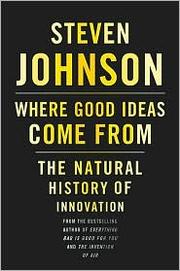
Seven patterns, such as the adjacent possible, in the settings that produce ideas.
Source: Chai with Pabrai bookshelf — Entrepreneurship, Management and Leadership
Also recommended by: Andrew Wilkinson, Bill Gates, Tony Hsieh and 2 others


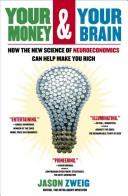
Neuroscience of investing decisions, written by Graham's modern editor.

Radical life extension and what longer lifespans do to markets
Source: Chai with Pabrai bookshelf — Balance between Work, Play, Family, Friends, Learning
Also recommended by: Peter Thiel

Source: Chai with Pabrai bookshelf — Science
Also recommended by: Bill Gates
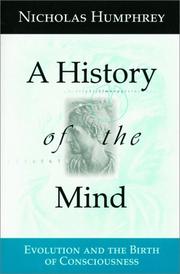

Popular history of temperature and heat; entropy for the general reader
Source: Chai with Pabrai bookshelf — Science
Also recommended by: Charlie Munger

Source: Chai with Pabrai bookshelf — Unorganized, yet Interesting
Also recommended by: Steve Jurvetson

How scientists came to know what they know, from cosmology and geology to biology.
Source: Chai with Pabrai bookshelf — Science
Also recommended by: Balaji S. Srinivasan, Jim Collins and 4 others

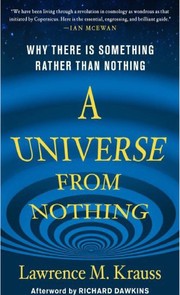
Source: Chai with Pabrai bookshelf — Science
Also recommended by: Charlie Munger



What brain science says about learning, sleep, stress, memory and multitasking.
Source: Chai with Pabrai bookshelf — Unorganized, yet Interesting
Also recommended by: Nat Eliason, Bill Gates, James Altucher


How the sciences and humanities can be unified by causal links from physics up.
Source: Chai with Pabrai bookshelf — Unorganized, yet Interesting
Also recommended by: Michael Mauboussin

How a game designer built artificial life from simple rules of biology.
Source: Chai with Pabrai bookshelf — Science
Also recommended by: Jeff Bezos

How Haber and Bosch's ammonia synthesis transformed world food production.
Source: Chai with Pabrai bookshelf — Science
Also recommended by: Bill Gates


Twenty-three chapters, one per chromosome, each using a gene to open a subject.
Source: Chai with Pabrai bookshelf — Genetics and Evolution
Also recommended by: Charlie Munger, Naval Ravikant and 1 other



Myths about the sun, night and earthquakes set against what science has found.
Source: Chai with Pabrai bookshelf — Science
Also recommended by: Bill Gates
How much steel, cement and plastic the world uses, and whether growth needs less.
Source: Chai with Pabrai bookshelf — Science
Also recommended by: Bill Gates


A one- or two-semester modern physics course built on quantum theory and its uses.
Species change over time as natural selection favours heritable variations.
Source: Chai with Pabrai bookshelf — Genetics and Evolution
Also recommended by: Jim Collins, Naval Ravikant, Nick Sleep and 4 others

Quantum field theory built from quantum mechanics, with path integrals.


How lactose tolerance, malaria resistance and blue eyes evolved in 10,000 years.
Source: Chai with Pabrai bookshelf — Genetics and Evolution
Also recommended by: Nick Szabo



How natural selection, not a designer, produces the complexity of living things.
Source: Chai with Pabrai bookshelf — Genetics and Evolution
Also recommended by: Jim Collins, Patrick Collison and 1 other







How trivial-seeming questions lead to deeper insight into how science works.
Source: Chai with Pabrai bookshelf — Science
Also recommended by: Bill Gates

Source: Chai with Pabrai bookshelf — Unorganized, yet Interesting
Also recommended by: Nat Eliason, Richard Branson, Maria Popova


Language as a human instinct, and what science knows of grammar and learning.
Source: Chai with Pabrai bookshelf — Genetics and Evolution
Also recommended by: Charlie Munger, Patrick Collison

Boulton, Watt, Wedgwood, Erasmus Darwin and the Midlands friends who experimented.
Source: Chai with Pabrai bookshelf — Science
Also recommended by: Patrick Collison
Evolutionary psychology explained through Darwin's own life and behaviour.
Source: Chai with Pabrai bookshelf — Genetics and Evolution
Also recommended by: Ryan Holiday, Morgan Housel, Reid Hoffman and 1 other

Source: Chai with Pabrai bookshelf — Science
Also recommended by: Bill Gates
How cooperation and morality evolved from self-interest, via the prisoner's dilemma.
Source: Chai with Pabrai bookshelf — Genetics and Evolution
Also recommended by: Naval Ravikant, Ryan Holiday

Sex evolved as a defence against parasites, and that shapes human mating.
Source: Chai with Pabrai bookshelf — Genetics and Evolution
Also recommended by: Naval Ravikant, Seth Klarman, Nick Szabo


Selection acts on genes; bodies are vehicles that genes build to copy themselves.
Source: Chai with Pabrai bookshelf — Genetics and Evolution
Also recommended by: Balaji S. Srinivasan, Charlie Munger and 9 others

Source: Chai with Pabrai bookshelf — Genetics and Evolution
Also recommended by: Patrick Collison

Human behaviour read from evolutionary biology; a Munger latticework staple
Source: Chai with Pabrai bookshelf — Genetics and Evolution
Also recommended by: Charlie Munger


Information theory as a unifying idea across three scientists' work
Source: Chai with Pabrai bookshelf — Genetics and Evolution
Also recommended by: Charlie Munger

Source: Chai with Pabrai bookshelf — Science
Also recommended by: Bill Gates, Astro Teller


Interest rates from Babylonian lending through Rome and Europe to modern bonds.
How credit cards, money market funds and discount brokers reached ordinary Americans.
Source: Chai with Pabrai bookshelf — Unorganized, yet Interesting
Also recommended by: Patrick Collison, Warren Buffett
The recurring features of speculative booms, and why short memories bring them back.
Source: Mohnish Pabrai's recommended reading list for investors
Also recommended by: Howard Marks and 1 other
How people learned to measure risk, from early probability to portfolio theory.
Source: Mohnish Pabrai's recommended reading list for investors
Also recommended by: Charles de Vaulx, Jim Collins and 7 others

The Austrian account of 1929 and the policy response that followed
Source: Chai with Pabrai bookshelf — Philanthropy, Charity and Public Policy
Also recommended by: Christopher Bloomstran

How Iceland, Greece, Ireland, Germany and California each spent cheap credit.
Source: Chai with Pabrai bookshelf — Philanthropy, Charity and Public Policy
Also recommended by: Alfred Lin, The Barefoot Investor

The 2008 crisis from inside the FDIC, which closed failed banks and guarded deposits.
The 1980s insider-trading cases of Boesky, Levine, Siegel and Milken.
Speculation from ancient Rome and tulip mania to the 1990s, and its recurring traits.
Source: Chai with Pabrai bookshelf — Investing and Capital Allocation
Also recommended by: Howard Marks, Patrick O'Shaughnessy
An insider's account of how Morgan Stanley built and sold derivatives in the 1990s.
Source: Chai with Pabrai bookshelf — Investing and Capital Allocation
Also recommended by: Charlie Munger, Christopher Bloomstran
The late-1920s boom in margin loans and investment trusts, and the 1929 crash.

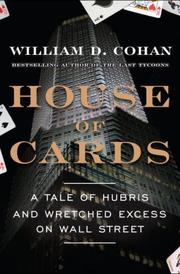
Bear Stearns's ten-day collapse in March 2008, and the firm's history before it.
Life on Salomon Brothers' bond trading floor in the 1980s mortgage-bond boom.
Source: Chai with Pabrai bookshelf — Entrepreneurship, Management and Leadership
Also recommended by: Michael Burry, Nat Eliason and 3 others
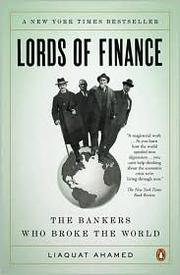
How four central bankers and the gold standard turned a slump into the Depression.
Source: Chai with Pabrai bookshelf — Investing and Capital Allocation
Also recommended by: Christopher Bloomstran

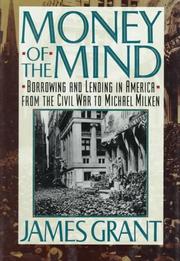
title listed on grantspub.com books page
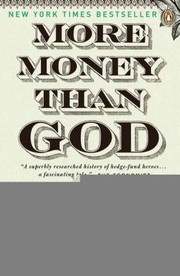
Hedge funds from Alfred Winslow Jones in 1949 through Soros, Robertson and beyond.
Source: Chai with Pabrai bookshelf — Investing and Capital Allocation
Also recommended by: Paul Graham, Josh Wolfe, Tim Ferriss

Insider memoir: the Treasury Secretary's version of the same weeks.

Wall Street from 1920 to 1938: the boom, the crash, the Depression and reform.
Source: Chai with Pabrai bookshelf — Investing and Capital Allocation
Also recommended by: Brendan Moynihan


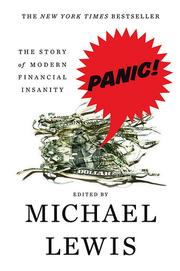
Journalism written during four crises, from the 1987 crash to LTCM's collapse.
Source: Chai with Pabrai bookshelf — Investing and Capital Allocation
Also recommended by: Seth Klarman
The 1970s disorder: the end of Bretton Woods, oil shocks and petrodollar loans.
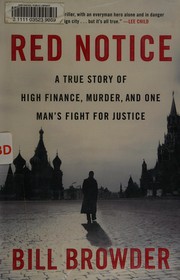
An investor in Russia is expelled, his firms seized, and his lawyer Magnitsky dies.
Source: Chai with Pabrai bookshelf — Unorganized, yet Interesting
Also recommended by: Christopher Bloomstran, Nat Eliason and 5 others

Japan's banking collapse told through Long-Term Credit Bank's failure and sale.
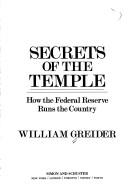
The Volcker Fed from the inside; still the fullest political account.
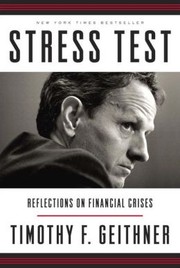
The 2008 crisis and its aftermath, from inside the New York Fed and the Treasury.
Source: Chai with Pabrai bookshelf — Entrepreneurship, Management and Leadership
Also recommended by: Bill Gates, Mr. Money Mustache and 1 other
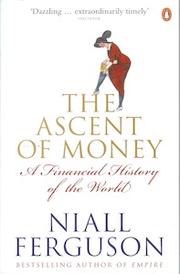
The history of finance by instrument: credit, bonds, stocks, insurance and property.
Source: Chai with Pabrai bookshelf — Unorganized, yet Interesting
Also recommended by: Max Levchin, Raoul Pal, Ryan Peterson and 1 other
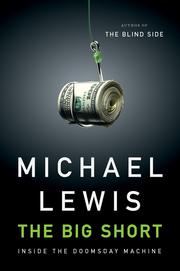
The few investors who saw subprime mortgage bonds would fail, and bet against them.
Source: Chai with Pabrai bookshelf — Investing and Capital Allocation
Also recommended by: Rational Capital Investment Fund and 4 others

Raj Rajaratnam's insider-trading crime and conviction, and Galleon's fall.

A trader's memoir of Wall Street's after-hours world of drugs, sex and commissions.

A reference history of US securities markets from the 1929 crash to 1933.

Source: Chai with Pabrai bookshelf — Investing and Capital Allocation
Also recommended by: Seth Klarman

Wall Street in the 1960s: performance funds, conglomerates and the paperwork crisis.
Source: Chai with Pabrai bookshelf — Investing and Capital Allocation
Also recommended by: Christopher Bloomstran

An Ohio lawyer's diary of the Depression years as he lived through them.
Source: Chai with Pabrai bookshelf — Investing and Capital Allocation
Also recommended by: Morgan Housel, The Barefoot Investor

Pulitzer-winning account of the warehousing fraud that nearly broke Amex.

How John Paulson's bet against subprime mortgages made $15 billion in 2007.
Source: Chai with Pabrai bookshelf — Investing and Capital Allocation
Also recommended by: Charlie Munger
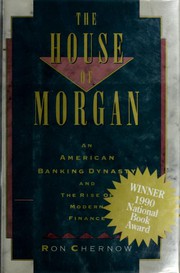
The Morgan banks from 1830s London to J.P. Morgan and Morgan Stanley in the 1980s.
Source: Chai with Pabrai bookshelf — Investing and Capital Allocation
Also recommended by: Paul Graham

How Ivar Kreuger built a 1920s match monopoly, and the forgeries found at his death.

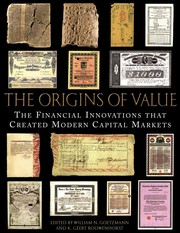
Financial innovations, from Mesopotamian interest and Chinese paper money onward.
The 1907 panic day by day, from a failed copper corner to J.P. Morgan's rescue.
Source: Chai with Pabrai bookshelf — Investing and Capital Allocation
Also recommended by: Rational Capital Investment Fund
How Milken's Drexel junk-bond desk financed the 1980s buyouts and hostile takeovers.


title listed on grantspub.com books page
Eight centuries of defaults and banking crises show the same patterns recurring.
Source: Chai with Pabrai bookshelf — Philanthropy, Charity and Public Policy
Also recommended by: Rational Capital Investment Fund, Bill Gates and 1 other

Inside the meetings of bankers and regulators during the 2008 financial crisis.
Source: Chai with Pabrai bookshelf — Entrepreneurship, Management and Leadership
Also recommended by: Bill Gates, Max Levchin, The Rational Walk

Edited anthology, two volumes

How a hedge fund's bond bets on borrowed money lost $4.6 billion in four months.
Source: Chai with Pabrai bookshelf — Investing and Capital Allocation
Also recommended by: Rational Capital Investment Fund and 6 others

Long-distance trade from Mesopotamia and the spice routes to modern globalisation.
Source: Chai with Pabrai bookshelf — Investing and Capital Allocation
Also recommended by: Patrick Collison, Nick Szabo

The original population-versus-resources argument that still frames the debate

Books One to Three: division of labour, money, prices, wages, profit and capital.

Books Four and Five: the case against mercantilism, and the role of the state.

Why emerging economies will not all keep converging, and tests for which can grow.
The long-run dynamics of wealth and inequality, and why capital concentrates.
Source: Chai with Pabrai bookshelf — Philanthropy, Charity and Public Policy
Also recommended by: Bill Gates, Satya Nadella

Source: Chai with Pabrai bookshelf — Entrepreneurship, Management and Leadership
Also recommended by: Warren Buffett

Incentives and data applied to cheating teachers, sumo wrestlers and other puzzles.
Source: Chai with Pabrai bookshelf — Unorganized, yet Interesting
Also recommended by: Andrew Lokenauth, Ev Williams and 5 others
The case for free markets and limited government, policy area by policy area.
Source: Chai with Pabrai bookshelf — Philanthropy, Charity and Public Policy
Also recommended by: Brian Armstrong, Marc Andreessen and 1 other

Source: Chai with Pabrai bookshelf — Investing and Capital Allocation
Also recommended by: Patrick Collison
Why some Asian nations grew rich: land reform, export-led industry, directed credit.
Source: Chai with Pabrai bookshelf — Entrepreneurship, Management and Leadership
Also recommended by: Bill Gates, Patrick Collison


Economics for information goods: pricing, versioning, lock-in and network effects.
Source: Chai with Pabrai bookshelf — Sales and Marketing
Also recommended by: Tim O’Reilly


How American manufacturing rose to lead the world, and why its share then fell.
Source: Chai with Pabrai bookshelf — Philanthropy, Charity and Public Policy
Also recommended by: Bill Gates


Subtitled A Modern Ever-Normal Granary; commodity-reserve currency plan.

Chance shapes success more than people think; what that means for fairer economies.

Sequel applying incentive analysis to climate, crime and altruism
Source: Chai with Pabrai bookshelf — Science
Also recommended by: Bill Gates

Source: Chai with Pabrai bookshelf — Unorganized, yet Interesting
Also recommended by: Morgan Housel

Source: Chai with Pabrai bookshelf — Science
Also recommended by: Patrick Collison

Why foreign aid, investment and other remedies failed to make tropical nations rich.
Source: Chai with Pabrai bookshelf — Unorganized, yet Interesting
Also recommended by: Bill Gates

How companies can serve the world's poor profitably and reduce poverty in doing so.
Source: Chai with Pabrai bookshelf — Investing and Capital Allocation
Also recommended by: Eric Weinstein, Warren Buffett

Balance-sheet recessions: firms repay debt instead of borrowing, so rate cuts fail.

Economics argued through a novel; markets and their moral defence
Source: Chai with Pabrai bookshelf — Fiction
Also recommended by: Joel Greenblatt

Economics applied to pirates: why they behaved as they did and why they succeeded.

How fashion, cuisine and other fields thrive on copying without patents or copyright.
Globalization as the new international system, seen from Amazon farms to Wall Street.

How the US economy really works, explained for lay readers without jargon.
Asia's growth stories told through the people who drove them.
Source: Chai with Pabrai bookshelf — Philanthropy, Charity and Public Policy
Also recommended by: Patrick Collison
The poor hold assets but lack the property records that turn them into capital.
Source: Chai with Pabrai bookshelf — Philanthropy, Charity and Public Policy
Also recommended by: Marc Andreessen

Prosperity grows as trade and specialisation let ideas meet and combine.
Source: Chai with Pabrai bookshelf — Science
Also recommended by: Andrew Wilkinson, Bill Gates, Frank Martin and 9 others


Price theory in daily life: coffee near stations, supermarket tiers and used cars.
Source: Chai with Pabrai bookshelf — Investing and Capital Allocation
Also recommended by: Naval Ravikant

Why some nations grew rich over 500 years, with culture as the deciding factor.
Source: Chai with Pabrai bookshelf — Unorganized, yet Interesting
Also recommended by: Charlie Munger, Jamie Dimon, Li Lu

How the division of labour and free markets make a nation rich.
Source: Mohnish Pabrai's recommended reading list for investors
Also recommended by: Naval Ravikant, Patrick Collison and 6 others


Ten forces around 2000 that let anyone, anywhere compete in the global economy.
Source: Chai with Pabrai bookshelf — Unorganized, yet Interesting
Also recommended by: Bill Gates, Jamie Dimon, John Doerr and 1 other
How dense cities make people more productive, inventive and green.
Source: Chai with Pabrai bookshelf — Investing and Capital Allocation
Also recommended by: Marc Andreessen, Stewart Brand, Tony Hsieh


Source: Chai with Pabrai bookshelf — Genetics and Evolution
Also recommended by: Ev Williams

Nations prosper under inclusive institutions and stagnate under extractive ones.
Source: Chai with Pabrai bookshelf — Philanthropy, Charity and Public Policy
Also recommended by: Bill Gates, Mark Zuckerberg, Ray Dalio and 2 others

Also issued as A Gift to My Daughters.


Incerto volume 4
Source: Chai with Pabrai bookshelf — Entrepreneurship, Management and Leadership
Also recommended by: Nat Eliason, Patrick Collison, Seth Klarman and 23 others

Source: Chai with Pabrai bookshelf — Balance between Work, Play, Family, Friends, Learning
Also recommended by: Naval Ravikant


Source: Chai with Pabrai bookshelf — Philanthropy, Charity and Public Policy
Also recommended by: Naval Ravikant


Source: Chai with Pabrai bookshelf — Balance between Work, Play, Family, Friends, Learning
Also recommended by: Alfred Lin


Source: Chai with Pabrai bookshelf — Balance between Work, Play, Family, Friends, Learning
Also recommended by: Matt Mullenweg

Business strategy theories applied to career, family and integrity.
Source: Chai with Pabrai bookshelf — Balance between Work, Play, Family, Friends, Learning
Also recommended by: Ali Abdaal, Patrick Collison, Tony Hsieh and 5 others

Letters on how to live, a course in Stoic philosophy written to a friend.
Source: Chai with Pabrai bookshelf — History
Also recommended by: Nat Eliason, Ryan Holiday, David Kadavy and 2 others

Source: Chai with Pabrai bookshelf — Balance between Work, Play, Family, Friends, Learning
Also recommended by: Bill Gates, Warren Buffett


A Roman emperor's private notes reminding himself to live by Stoic principles.
Source: Chai with Pabrai bookshelf — Unorganized, yet Interesting
Also recommended by: Nat Eliason, Naval Ravikant, Ryan Holiday and 16 others
Writings by the leader of India's independence movement on practising nonviolence.

Myth, psychology and Sufi wisdom on how money can become a means of self-knowledge.

A professor living with ALS sets out his philosophy of living and of letting go.

Talks on how fear and dependence shape lives and keep people from seeing themselves.

Talks on intimate relationships, isolation and self-knowledge, and facing loneliness.

Talks and writings on relationship as a basis for solving the world's crises.

An optimistic view of old age: virtue and a well-spent life bring happiness.

Philosophical fragments of an unfinished defence of the Christian religion.

Source: Chai with Pabrai bookshelf — Entrepreneurship, Management and Leadership
Also recommended by: Bill Gates


History of Western philosophy from the Greeks to the Renaissance
Source: Chai with Pabrai bookshelf — Genetics and Evolution
Also recommended by: Nassim Nicholas Taleb


Source: Chai with Pabrai bookshelf — Balance between Work, Play, Family, Friends, Learning
Also recommended by: Bill Gates, Alfred Lin, Stanley McChrystal

How moral judgement grows from sympathy and an imagined impartial spectator.

Source: Chai with Pabrai bookshelf — Balance between Work, Play, Family, Friends, Learning
Also recommended by: Naval Ravikant





Source: Chai with Pabrai bookshelf — Fiction
Also recommended by: Library Mindset


A father and son's motorcycle trip framing an inquiry into what Quality means.
“If you pick it up and read it, I suspect most of you will give up before you get to the end—but please try.” — Mohnish Pabrai
Source: Mental Models for Running Startups and Businesses, SXSW 2026, March 16, 2026
Also recommended by: Brad Feld, Nick Sleep, Austen Allred and 7 others



Source: Chai with Pabrai bookshelf — History
Also recommended by: Stewart Brand
Source: Chai with Pabrai bookshelf — Unorganized, yet Interesting
Also recommended by: Andrew Wilkinson, Sophie Bakalar


Six advantages, from competition to the work ethic, that let the West pull ahead.
Why past societies from Easter Island to the Maya collapsed, and what that teaches.
Source: Chai with Pabrai bookshelf — Genetics and Evolution
Also recommended by: Bill Gates, Stewart Brand
How the British Empire shaped the modern world, from globalisation to democracy.
Source: Chai with Pabrai bookshelf — Entrepreneurship, Management and Leadership
Also recommended by: Jamie Dimon

Source: Chai with Pabrai bookshelf — Unorganized, yet Interesting
Also recommended by: Tony Robbins

Diamond's central question — why did some civilizations come to dominate others over 10,000 years? — is precisely the kind of question that requires long-term thinking to even ask. The answer, rooted in geography and biology rather than culture or intelligence, is a model for how to reason about slow causes and fast effects.
Source: Chai with Pabrai bookshelf — Unorganized, yet Interesting
Also recommended by: Charlie Munger, Christopher Bloomstran and 13 others

Scottish Enlightenment as the source of modern commercial and economic thinking
Source: Chai with Pabrai bookshelf — Unorganized, yet Interesting
Also recommended by: Charlie Munger
Source: Chai with Pabrai bookshelf — Entrepreneurship, Management and Leadership
Also recommended by: Jamie Dimon
How Partition shaped the troubled histories of India, Pakistan and Bangladesh.

Source: Chai with Pabrai bookshelf — History
Also recommended by: David Sacks

History read as an expanding series of non-zero-sum games
Source: Chai with Pabrai bookshelf — Unorganized, yet Interesting
Also recommended by: Ev Williams, Nick Thompson, Reid Hoffman
How Britain's Glorious Revolution of 1688-89 shaped the ideals of America's founders.

How shared fictions such as money, nations and gods let humans cooperate at scale.
Source: Chai with Pabrai bookshelf — History
Also recommended by: Andrew Wilkinson, Bill Gates, Nat Eliason and 37 others

Evidence that violence of nearly every kind has declined over history, and why.
Source: Chai with Pabrai bookshelf — Genetics and Evolution
Also recommended by: Bill Gates, Morgan Housel, Ben Silbermann and 5 others

How the shipping container cut freight costs and remade global trade.
Source: Chai with Pabrai bookshelf — Unorganized, yet Interesting
Also recommended by: Bill Gates, Paul Graham, Tobi Lütke

Source: Chai with Pabrai bookshelf — History
Also recommended by: Bill Gates, Sophie Bakalar


France's maps, migrations, languages and tribal disputes, from 1789 to 1914.
Source: Chai with Pabrai bookshelf — History
Also recommended by: Tyler Cowen

American history as a repeating cycle of four generational turnings, each 20 years.
Source: Chai with Pabrai bookshelf — History
Also recommended by: Balaji S. Srinivasan, Packy McCormick and 2 others
Why states rise and fall, explained through asabiyyah, the cohesion of a group.
Source: Chai with Pabrai bookshelf — History
Also recommended by: Mark Zuckerberg

The building of the Panama Canal, from France's failed attempt to US completion.
Source: Chai with Pabrai bookshelf — Unorganized, yet Interesting
Also recommended by: Bill Gates

Britain's entry turned a continental war into a world war that was not inevitable.

Why Britain's empire after the Seven Years War struggled with the costs of power.


Why the 20th century's great progress came with unprecedented violence.


Tests the popular comparison of America with ancient Rome and finds deep differences.
Source: Chai with Pabrai bookshelf — History
Also recommended by: Bill Gates


The 1988 bidding war for RJR Nabisco, the largest leveraged buyout to that date.
Source: Chai with Pabrai bookshelf — DVD and Video
Also recommended by: Jim Collins, Chamath Palihapitiya


Interviews with leading investors from an investment newsletter of the 1990s.





Where small-cap and special-situation ideas actually come from.
Source: Chai with Pabrai bookshelf — Periodicals
Also recommended by: Christopher Bloomstran, Guy Spier and 1 other





The MIT blackjack team; dramatised and disputed in places.
Source: Chai with Pabrai bookshelf — Unorganized, yet Interesting
Also recommended by: Howard Marks



More than 50 practical bridge bidding conventions explained, with a glossary.

A quick reference to the Losing Trick Count for judging a trump hand's trick-taking.
Paul Farmer, the doctor who co-founded Partners In Health, treating the poor.
Source: Chai with Pabrai bookshelf — Unorganized, yet Interesting
Also recommended by: Bill Gates, Daniel Burka and 2 others

Three bridge bidding tools: forcing notrump, new minor forcing, fourth suit forcing.


A poker player covers the murder of Ted Binion and plays the World Series of Poker.
How the problem-solving and teamwork of games could solve real-world problems.


Source: Chai with Pabrai bookshelf — Philanthropy, Charity and Public Policy
Also recommended by: Warren Buffett


Source: Chai with Pabrai bookshelf — Philanthropy, Charity and Public Policy
Also recommended by: Bill Gates, Nick Thompson






Elster on mechanisms rather than laws in the social sciences
Source: Chai with Pabrai bookshelf — Science
Also recommended by: Nassim Nicholas Taleb

How fast food reshaped farming, meatpacking, food science and low-wage work.
Source: Chai with Pabrai bookshelf — Entrepreneurship, Management and Leadership
Also recommended by: Kevin Rose, Richard Branson
Sociologist embedded with a gang; an informal economy's incentive structure
Source: Chai with Pabrai bookshelf — Unorganized, yet Interesting
Also recommended by: Mark Zuckerberg


An introduction to modern India's rise and its many contradictions.





A memoir of moving from international banking to founding Acumen, an impact investor.



How ideas and behaviour spread like epidemics, and the three factors that tip them.
Source: Chai with Pabrai bookshelf — Unorganized, yet Interesting
Also recommended by: Tony Hsieh, Ev Williams, Kevin Rose and 1 other

Source: Chai with Pabrai bookshelf — Philanthropy, Charity and Public Policy
Also recommended by: Bill Gates



How to win and keep agency clients and write advertising that sells.
Source: Chai with Pabrai bookshelf — Sales and Marketing
Also recommended by: David Cancel, Sam Parr
Why tech products stall between early adopters and the mainstream, and how to cross.
Source: Chai with Pabrai bookshelf — Sales and Marketing
Also recommended by: Andrew Wilkinson, Aaron Levie, Andrew Chen and 11 others


Fifteen metrics that show which marketing spending works and which does not.
Source: Chai with Pabrai bookshelf — Sales and Marketing
Also recommended by: Jeff Bezos

Source: Chai with Pabrai bookshelf — Entrepreneurship, Management and Leadership
Also recommended by: Nat Eliason, Andrew Chen


Companies lose their position by broadening; narrowing the focus wins it back.
Source: Chai with Pabrai bookshelf — Sales and Marketing
Also recommended by: Arianna Huffington, Ben Horowitz and 2 others

Kawasaki on competing through service, speed and irritating incumbents
“Awesome book. On my Top Ten List. CEO of garage.com and a friend.” — Mohnish Pabrai
Source: Mohnish's Bookshelf — Books on Sales & Marketing, entry 27

How to move a tech product past early adopters into a fast-growing mass market.


Military strategy applied to marketing, from the cola and burger wars.


A copywriter's memoir bound with his primer on advertising, Scientific Advertising.
How firms can build value and competitive advantage from online virtual communities.

How to build trust with wary customers and turn it into business and profit.
Rules for advertising that sells, drawn from direct-response testing.
“Ogilvy is a brilliant guy and a terrific writer. Really enjoyed this book and learned a lot.” — Mohnish Pabrai
Source: Mohnish's Bookshelf — Books on Sales & Marketing, entry 40
Also recommended by: David Cancel, Ev Williams, Noah Kagan

How firms must use real-time information to serve never-satisfied customers.

Selling through four kinds of question: Situation, Problem, Implication, Need-payoff.
Source: Chai with Pabrai bookshelf — Sales and Marketing
Also recommended by: Noah Kagan





Twenty-two rules of marketing, such as being first is better than being better.
Source: Chai with Pabrai bookshelf — Sales and Marketing
Also recommended by: Brian Armstrong, Nat Eliason, Chase Jarvis and 2 others

Source: Chai with Pabrai bookshelf — Sales and Marketing
Also recommended by: Nat Eliason



Insider account of Facebook's ads business by a product manager.
Source: Chai with Pabrai bookshelf — Sales and Marketing
Also recommended by: Nat Eliason, Alfred Lin and 3 others

Source: Chai with Pabrai bookshelf — Investing and Capital Allocation
Also recommended by: Patrick Collison



How inventions of 1867 to 1914, from electricity to cars, made the modern world.
Source: Chai with Pabrai bookshelf — Science
Also recommended by: Bill Gates


Source: Chai with Pabrai bookshelf — Entrepreneurship, Management and Leadership
Also recommended by: Chris Dixon


How the diesel engine and the gas turbine made modern global trade possible.
Source: Chai with Pabrai bookshelf — Entrepreneurship, Management and Leadership
Also recommended by: Bill Gates


A report on competition in the telephone industry.

The century-long race among automakers to build the car of the future.
Computing as a run of collaborations, from Ada Lovelace and Babbage to Google.
Source: Chai with Pabrai bookshelf — Entrepreneurship, Management and Leadership
Also recommended by: Bill Gates, Chris Fussell, Marc Andreessen and 1 other
Source: Chai with Pabrai bookshelf — Entrepreneurship, Management and Leadership
Also recommended by: Bill Gates, Nick Szabo
Lessons from IBM's OS/360: why adding people to a late software project slows it.
Source: Chai with Pabrai bookshelf — Entrepreneurship, Management and Leadership
Also recommended by: Paul Graham, Andrew Chen, Jeff Atwood and 2 others

A forecast of a hugely connected future world, with its challenges and benefits.
Source: Chai with Pabrai bookshelf — Entrepreneurship, Management and Leadership
Also recommended by: Michael Bloomberg

Brynjolfsson and McAfee provide the economic context: AI as a general-purpose technology that decouples productivity from employment. The alignment problem doesn't exist in a vacuum — it plays out in economies where AI is already restructuring labor markets in ways that are hard to reverse.
Source: Chai with Pabrai bookshelf — Entrepreneurship, Management and Leadership
Also recommended by: Patrick Collison, Alexey Moiseenkov and 3 others


The distressed debt market after the buyout era, and how to analyse its securities.


How a trader uncovered high-frequency front-running and built the IEX exchange.
Source: Chai with Pabrai bookshelf — Investing and Capital Allocation
Also recommended by: Nat Eliason


A six-week programme to automate banking, credit, saving and investing.
Source: Chai with Pabrai bookshelf — Balance between Work, Play, Family, Friends, Learning
Also recommended by: Nat Eliason, Andrew Lokenauth and 2 others


A money writer's adventures, from Russian anti-smoking ads to unseen Miami property.

Two fathers contrasted to argue that schools fail to teach how money works.
Source: Chai with Pabrai bookshelf — Investing and Capital Allocation
Also recommended by: Andrew Lokenauth, Anthony Pompliano and 5 others

A former SEC lawyer on naked shorting and the fights around it.

How to get a mutual fund off the ground: what to do, what it costs, how it works.
How managers and middlemen took value from the owners of American companies.
Source: Chai with Pabrai bookshelf — Investing and Capital Allocation
Also recommended by: Mr. Money Mustache

How 'safe' products, from money funds to principal-protected notes, failed in 2008.
Survey research showing most American millionaires live modestly and save hard.
Source: Chai with Pabrai bookshelf — Balance between Work, Play, Family, Friends, Learning
Also recommended by: Andrew Lokenauth, Graham Stephan and 1 other
Why standard finance models understate market risk, from fractal geometry's creator.
Source: Chai with Pabrai bookshelf — Investing and Capital Allocation
Also recommended by: Nassim Nicholas Taleb, Patrick O'Shaughnessy

The intellectual line from LTCM to the 2007 quant unwind.


Source: Chai with Pabrai bookshelf — Investing and Capital Allocation
Also recommended by: Naval Ravikant
McKinsey's guide to discounted cash flow valuation and managing for value.
Source: Chai with Pabrai bookshelf — Investing and Capital Allocation
Also recommended by: Rational Capital Investment Fund


Entrepreneur's memoir of building and selling successive companies
How $27 lent to 42 villagers grew into Grameen Bank and microcredit.
Source: Chai with Pabrai bookshelf — Philanthropy, Charity and Public Policy
Also recommended by: The Barefoot Investor


Source: Chai with Pabrai bookshelf — Entrepreneurship, Management and Leadership
Also recommended by: Nat Eliason, Nick Huber
Profiles of the family houses that still dominate the index.


How Britain, Germany, Japan and the US each built their own form of capitalism.


Source: Chai with Pabrai bookshelf — Entrepreneurship, Management and Leadership
Also recommended by: Warren Buffett


Fourteen companies, such as Anchor Brewing and Zingerman's, that chose to stay small.
Source: Chai with Pabrai bookshelf — Entrepreneurship, Management and Leadership
Also recommended by: Catriona Wallace, Noah Kagan, Tom Peters

Lessons in 'unreasonable thinking' from building companies and giving away wealth.
Source: Chai with Pabrai bookshelf — Entrepreneurship, Management and Leadership
Also recommended by: Bill Gates

Source: Chai with Pabrai bookshelf — Unorganized, yet Interesting
Also recommended by: Ev Williams, Keith Rabois, Matt Mullenweg
How entrepreneurs spread four centuries of progress to the world's excluded majority.


Source: Chai with Pabrai bookshelf — Sales and Marketing
Also recommended by: Naval Ravikant


Rakuten's founder and his economist father debate how Japan can compete again.
Source: Chai with Pabrai bookshelf — Entrepreneurship, Management and Leadership
Also recommended by: Bill Gates


Why startups should build something new and own a small market before growing.
Source: Chai with Pabrai bookshelf — Entrepreneurship, Management and Leadership
Also recommended by: Balaji S. Srinivasan, Eric Weinstein and 35 others





Nine people in India, among them a monk and a Jain nun, and how they live faith.


A neurosurgeon in a coma describes a journey beyond this world to a divine source.



Source: Chai with Pabrai bookshelf — Philanthropy, Charity and Public Policy
Also recommended by: Brian Armstrong, Ryan Holiday


Suffering comes from identifying with the mind's chatter; freedom from living now.
Source: Chai with Pabrai bookshelf — Balance between Work, Play, Family, Friends, Learning
Also recommended by: Iman Gadzhi, Justin Kan, Mel Robbins and 2 others





Source: Chai with Pabrai bookshelf — Science
Also recommended by: Simon Sinek, Tony Hsieh

Source: Chai with Pabrai bookshelf — Philanthropy, Charity and Public Policy
Also recommended by: Bill Gates, Meg Whitman

Population and consumption face physical limits that economics ignores.
Source: Chai with Pabrai bookshelf — Unorganized, yet Interesting
Also recommended by: Charlie Munger, Shane Parrish


A short technical primer on oil: geology, extraction, refining, uses and reserves.

A naturalist's mother dies of cancer as the rising Great Salt Lake threatens birds.

Meat in human evolution and modern farming, and the costs of heavy meat-eating.
Source: Chai with Pabrai bookshelf — Philanthropy, Charity and Public Policy
Also recommended by: Bill Gates

Source: Chai with Pabrai bookshelf — Entrepreneurship, Management and Leadership
Also recommended by: The Barefoot Investor

Why energy demand never falls, why 'waste' helps, and why quality power is scarce.

The wildcatters, from George Mitchell to Harold Hamm, who started the shale boom.

The species the world is about to lose, and how conservation can pay economically.
Source: Chai with Pabrai bookshelf — Genetics and Evolution
Also recommended by: Stewart Brand

The history of oil from the first Pennsylvania well to the Gulf War.
Source: Chai with Pabrai bookshelf — Unorganized, yet Interesting
Also recommended by: Patrick O'Shaughnessy, Bill Gates and 2 others
Energy from 1990 to 2011: Russian and Caspian oil, Iraq, climate policy, renewables.
Source: Chai with Pabrai bookshelf — Entrepreneurship, Management and Leadership
Also recommended by: Bill Gates


Source: Chai with Pabrai bookshelf — Genetics and Evolution
Also recommended by: Richard Branson

The peak-oil case against Saudi reserve claims; wrong but influential.

A world history showing how control of water shaped political and economic power.


Source: Chai with Pabrai bookshelf — Science
Also recommended by: Ray Dalio

Fischer Black's life and ideas, from option pricing on, that shaped modern finance.

Source: Chai with Pabrai bookshelf — Science
Also recommended by: Naval Ravikant, Patrick Collison


Two maverick scientists, Delbrück and Gamow, who helped start genomics and cosmology.

A scientific biography of Feynman, pairing his turbulent life with clear physics.

Source: Chai with Pabrai bookshelf — Unorganized, yet Interesting
Also recommended by: Paul Graham
A physicist's stories, from fixing radios as a boy to Los Alamos and beyond.
Source: Chai with Pabrai bookshelf — Science
Also recommended by: Brian Armstrong, Matt Mullenweg, Bill Gates and 17 others


Robert Noyce, Fairchild Semiconductor and the founding of Intel.
Source: Chai with Pabrai bookshelf — Entrepreneurship, Management and Leadership
Also recommended by: Jim Collins, Patrick Collison and 1 other


Stories of a physicist's first marriage and his inquiry into the Challenger disaster.
“Richard Feynman's books are awesome. Very bright physicist. Must-read!” — Mohnish Pabrai
Source: Mohnish's Bookshelf — Unorganized, yet Interesting, entry 169
Also recommended by: Naval Ravikant, Larry Page


Source: Chai with Pabrai bookshelf — Science
Also recommended by: Tim Ferriss





An introduction to Ayurveda and how to identify one's body constitution, or prakriti.





Twenty-five years negotiating with Chinese officials, from Goldman to the Treasury.
Source: Chai with Pabrai bookshelf — Entrepreneurship, Management and Leadership
Also recommended by: Anthony Pompliano, Mark Zuckerberg

Lee Kuan Yew's views on China, the United States and world strategy, by topic.
Source: Chai with Pabrai bookshelf — Entrepreneurship, Management and Leadership
Also recommended by: Shane Parrish

A Chinese dissident's essays and poems on tyranny, land disputes, Tibet and freedom.
China's history and its ties with the West, drawn from talks with Chinese leaders.

A novel: 17 super-rich Americans, Warren Buffett among them, unite to fix government.

How geography, demography and shale energy set America up to dominate as others age.

Why policies backfire in a networked world, drawing on complexity theory and history.

After the Cold War, conflict will follow cultural and religious fault lines.
Source: Chai with Pabrai bookshelf — Philanthropy, Charity and Public Policy
Also recommended by: Patrick Collison, Stewart Brand, Jamie Dimon and 1 other

Clarence Darrow's 1912 bribery trial in Los Angeles, and the lawyer's life around it.
Source: Chai with Pabrai bookshelf — Unorganized, yet Interesting
Also recommended by: Nat Eliason, Bill Gates

Competing regional ideas of legitimate order and the balance of power.
Source: Chai with Pabrai bookshelf — History
Also recommended by: Mark Zuckerberg, Ray Dalio


The Dilbert creator's many failures and what they taught him about success.
Source: Chai with Pabrai bookshelf — Unorganized, yet Interesting
Also recommended by: Patrick O'Shaughnessy, Nat Eliason and 1 other


Source: Chai with Pabrai bookshelf — Entrepreneurship, Management and Leadership
Also recommended by: Guy Kawasaki, Simon Sinek
Seven habits, from being proactive to win-win, that build personal effectiveness.
Source: Chai with Pabrai bookshelf — Entrepreneurship, Management and Leadership
Also recommended by: Andrew Wilkinson, Jim Collins, Ran Segall and 8 others
Productivity as a matter of how people think, set goals, build teams and decide.
Source: Chai with Pabrai bookshelf — Science
Also recommended by: Sarah Pritula


Tim Ferriss's book belongs on a personal-finance list not for its investment advice but for its income argument: the fastest way to reach financial independence may be redesigning how and where you work rather than cutting spending to the bone. The 'new rich' framework is deliberately provocative, and the specific tactics age poorly, but the income-side case remains underweighted in most FIRE writing.
Source: Chai with Pabrai bookshelf — Entrepreneurship, Management and Leadership
Also recommended by: Andrew Wilkinson, Ev Williams, Nat Eliason and 18 others


The size of your thinking sets the size of your results, and how to think bigger.
Source: Chai with Pabrai bookshelf — Entrepreneurship, Management and Leadership
Also recommended by: Ali Abdaal, Nat Eliason, Mr. Money Mustache and 1 other


The habit loop of cue, routine and reward, and how to change a habit by its routine.
Source: Chai with Pabrai bookshelf — Science
Also recommended by: Nat Eliason, Naval Ravikant, Nir Eyal and 5 others
Run your career the way an entrepreneur runs a startup.
Source: Chai with Pabrai bookshelf — Entrepreneurship, Management and Leadership
Also recommended by: Jack Dorsey, Michael Bloomberg and 3 others
Thirteen principles of getting rich, claimed to come from studying 500 wealthy men.
Source: Chai with Pabrai bookshelf — Unorganized, yet Interesting
Also recommended by: Jim Clayton, Anthony Pompliano, Daymond John and 6 others




Gandhi's principles restated as a leadership standard for executives


Source: Chai with Pabrai bookshelf — Entrepreneurship, Management and Leadership
Also recommended by: Girish Mathrubootham, Justin Kan and 1 other

A chief executive's advice on the art of leadership.
Source: Chai with Pabrai bookshelf — Entrepreneurship, Management and Leadership
Also recommended by: David Cancel
An eight-stage process for organisational change, starting with urgency.
Why some groups of talented people achieve greatness and others never do.
Source: Chai with Pabrai bookshelf — Unorganized, yet Interesting
Also recommended by: Patrick Collison

Applies the Seven Habits to organisations: lead by fixed principles, not by values.


A fable of two rival firms showing why organisational health beats clever strategy.
Source: Chai with Pabrai bookshelf — Entrepreneurship, Management and Leadership
Also recommended by: Ali Abdaal, Brian Armstrong


Bevelin distilling observation and inference habits from Sherlock Holmes
Source: Chai with Pabrai bookshelf — Entrepreneurship, Management and Leadership
Also recommended by: Patrick O'Shaughnessy, Nassim Nicholas Taleb

Four traps that ruin decisions, such as narrow framing, and a process to beat each.
Source: Chai with Pabrai bookshelf — Balance between Work, Play, Family, Friends, Learning
Also recommended by: Andrew Wilkinson, Nat Eliason, Tony Hsieh and 2 others
Why people mistake luck for skill, above all in markets.
Source: Chai with Pabrai bookshelf — Investing and Capital Allocation
Also recommended by: Barton Biggs, Michael Mauboussin and 10 others

The biases that distort managers' decisions, with exercises that show them.
Source: Chai with Pabrai bookshelf — Entrepreneurship, Management and Leadership
Also recommended by: Charlie Munger, Michael Mauboussin


People can't act randomly, and how to exploit that in games, tests and markets.

A step-by-step method for making better decisions in life and work.
How firefighters, pilots and other experts decide under time pressure.

A working catalogue of 99 cognitive errors, organized so you can actually use it. Less academic than Kahneman, more encyclopedic than Duke. The format — one bias per short chapter — makes it useful as a pre-mortem checklist before consequential decisions.

How to separate skill from luck in business, sport and investing.
Source: Chai with Pabrai bookshelf — Entrepreneurship, Management and Leadership
Also recommended by: Jessica Livingston, Josh Wolfe, Keith Rabois and 1 other
When groups judge better than experts, and the four conditions that make it work.
Source: Chai with Pabrai bookshelf — Unorganized, yet Interesting
Also recommended by: Michael Mauboussin, Ev Williams, Kevin Rose and 1 other

Eight mistakes experienced decision-makers repeat, and a correction for each.
Source: Chai with Pabrai bookshelf — Entrepreneurship, Management and Leadership
Also recommended by: Rational Capital Investment Fund



Ten short lessons on creative work: nothing is original, so copy well.
Source: Chai with Pabrai bookshelf — Entrepreneurship, Management and Leadership
Also recommended by: Alex and Books, Ali Abdaal, Chase Jarvis and 1 other


Pressfield's book on resistance applies with particular force to musicians, where the gap between technical facility and creative output is often enormous. The concept of 'turning pro' — treating creative work as a practice with professional discipline regardless of whether it pays — is the mental shift that separates hobbyists from people who actually finish records.
Source: Chai with Pabrai bookshelf — Balance between Work, Play, Family, Friends, Learning
Also recommended by: Nat Eliason, Alex and Books, Ali Abdaal and 10 others

Driving through 116 countries scouting markets from the ground up







Source: Chai with Pabrai bookshelf — Entrepreneurship, Management and Leadership
Also recommended by: Jim Collins, Jamie Dimon

End-of-life and hospice care, and why medicine should aim at well-being.
Source: Chai with Pabrai bookshelf — Science
Also recommended by: Bill Gates, Julie Zhuo

Source: Chai with Pabrai bookshelf — Science
Also recommended by: John Maeda

Source: Chai with Pabrai bookshelf — Science
Also recommended by: Patrick Collison


Source: Chai with Pabrai bookshelf — Science
Also recommended by: Nat Eliason

Source: Chai with Pabrai bookshelf — Philanthropy, Charity and Public Policy
Also recommended by: Bill Gates, John Doerr


How checklists stop experts in complex fields failing to apply what they know.
“My good friend, Guy Spier, observed that both of us have a pre-investment checklist, but no in-flight checklist. The pre-investment checklist has proven invaluable. It is important to periodically…” — Mohnish Pabrai
Source: Pabrai on the pre-investment checklist and the in-flight checklist
Also recommended by: Michael Mauboussin, Nat Eliason and 8 others


Source: Chai with Pabrai bookshelf — Unorganized, yet Interesting
Also recommended by: Matt Mullenweg


Performance data on over 6,000 stocks, 7,000 bonds and 700 mutual funds.




How the Oakland A's won on a small payroll by buying players the market undervalued.
Source: Chai with Pabrai bookshelf — Investing and Capital Allocation
Also recommended by: Joel Greenblatt, Ev Williams, Jordan Hughes and 1 other
A tennis champion's life story, built around the fact that he hated tennis.
Source: Chai with Pabrai bookshelf — Entrepreneurship, Management and Leadership
Also recommended by: Andrew Wilkinson, Bill Gates, Joe Gebbia and 3 others
How to hit a baseball, built on a map of the strike zone graded by success.
Source: Chai with Pabrai bookshelf — Unorganized, yet Interesting
Also recommended by: Warren Buffett


How operating cash flow itself gets dressed up.


A short line-by-line primer on the balance sheet, income account and key ratios.


Source: Chai with Pabrai bookshelf — Balance between Work, Play, Family, Friends, Learning
Also recommended by: Nat Eliason


A method for reading hard books for understanding, not just information.
Source: Chai with Pabrai bookshelf — Unorganized, yet Interesting
Also recommended by: Alex and Books, Kevin Systrom, Shane Parrish and 1 other


Source: Chai with Pabrai bookshelf — Unorganized, yet Interesting
Also recommended by: Chamath Palihapitiya
The Kelly criterion for sizing bets, from Bell Labs to casinos and hedge funds.

How biased samples, chosen averages and cut-off chart axes make numbers mislead.
Source: Chai with Pabrai bookshelf — Investing and Capital Allocation
Also recommended by: Bill Gates, Morgan Housel, Nat Eliason and 5 others

Analytic philosophy and logic presented through humour
Source: Chai with Pabrai bookshelf — Unorganized, yet Interesting
Also recommended by: Nassim Nicholas Taleb

Riemann's 1859 hypothesis on prime numbers, unsolved for 150 years.

Why some forecasts succeed and most fail, from weather to earthquakes and economics.
Source: Chai with Pabrai bookshelf — Entrepreneurship, Management and Leadership
Also recommended by: Bill Gates, Sophie Bakalar


Six traits of memorable ideas, from simple and unexpected to emotional stories.
Source: Chai with Pabrai bookshelf — Entrepreneurship, Management and Leadership
Also recommended by: Andrew Wilkinson, Nat Eliason, Tony Hsieh and 8 others

How to give a talk that transfers one idea, from TED's work with its speakers.



Source: Chai with Pabrai bookshelf — History
Also recommended by: Paul Graham

The original text on strategic positioning. Sun Tzu's core insight — that winning without fighting is the highest form of strategy — runs through everything that followed. Short enough to read in an afternoon, dense enough to argue about for a career.
Source: Chai with Pabrai bookshelf — Entrepreneurship, Management and Leadership
Also recommended by: Evan Spiegel, Fred Wilson, Marc Benioff and 3 others


Techniques for handling people, being liked and winning others to your view.
Source: Chai with Pabrai bookshelf — Entrepreneurship, Management and Leadership
Also recommended by: Alex and Books, Alexis Ohanian and 12 others


Cialdini's persuasion research condensed into fifty applied findings
Source: Chai with Pabrai bookshelf — Entrepreneurship, Management and Leadership
Also recommended by: Charlie Munger


| Get Briefed: Mohnish Pabrai | Forbes | 2010 |