
Stewart Brand
Co-founded and edited the Whole Earth Catalog and founded the WELL, Global Business Network and the Long Now Foundation; wrote Whole Earth Discipline and Maintenance: Of Everything.
 Whole Earth CatalogLong Now Foundation
5 books of their own · 10 articles · 104 books they recommend · 24 appearances
Start here
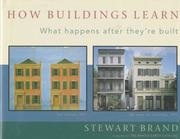
Buildings as processes that change after they are built, and how to design for it.
Recommended by: Stewart Brand, Caterina Fake, Daniel Burka and 3 others
Environmentalist case for nuclear power, dense cities and genetic engineering
“on why even environmentalists should be pro building, pro cities, pro nuclear, and pro genetic engineering” — Marc Andreessen
Source: @pmarca, companion thread to 'It's Time to Build'
Recommended by: Marc Andreessen, Jack Dorsey and 2 others
Brand's book is the founding document of institutional long-term thinking. It proposes a 10,000-year clock as a forcing function for civilizational patience, and along the way develops the concept of pace layers — the idea that different structures (fashion, commerce, governance, culture, nature) change at radically different speeds, and that confusing these speeds is the root of most short-termism.
Recommended by: Bret Victor, Phil Libin, Stewart Brand
Recommended by: Patrick Collison
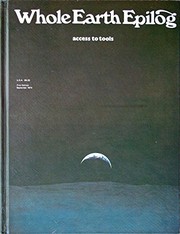
Recommended by: Patrick Collison
 How Buildings Learn | Buildings as processes that change after they are built, and how to design for it. | 1994 | Stewart Brand, Caterina Fake, Daniel Burka and 3 others | |
 Whole Earth Discipline | Environmentalist case for nuclear power, dense cities and genetic engineering | 2009 | T3 | Marc Andreessen, Jack Dorsey, Patrick Collison and 1 others |
 The Clock of the Long Now | Brand's book is the founding document of institutional long-term thinking. It proposes a 10,000-year clock as a forcing function for civilizational patience, and along the way develops the concept of pace layers — the idea that different structures (fashion, commerce, governance, culture, nature) change at radically different speeds, and that confusing these speeds is the root of most short-termism. | 1999 | T3 | Bret Victor, Phil Libin, Stewart Brand |
 The Next Whole Earth Catalog | – | 1980 | Patrick Collison | |
 Whole Earth Epilog: Access to Tools | – | 1974 | Patrick Collison |
More 20
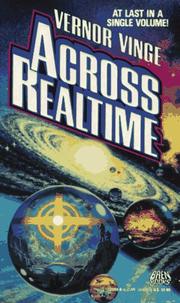


A novel of a future world where people are bred in hatcheries into contented castes.
Source: Stewart Brand's Selected Books for the Manual for Civilization — Long Now
Also recommended by: Matt Mullenweg, Sahil Lavingia, Sam Altman and 1 other
A space opera of a war between the Culture, a machine-run utopia, and its enemies.
Source: Stewart Brand's Selected Books for the Manual for Civilization — Long Now
Also recommended by: Demis Hassabis, Elon Musk, Jeff Bezos
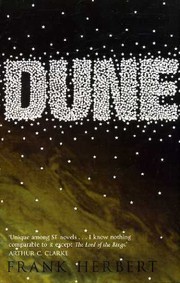
A novel of a feudal space empire fighting over a desert planet and its spice.
Source: Stewart Brand's Selected Books for the Manual for Civilization — Long Now
Also recommended by: Patrick Collison, Andrew Chen, Elon Musk and 7 others
Source: Stewart Brand's Selected Books for the Manual for Civilization — Long Now
Also recommended by: Elon Musk, Jeff Bezos
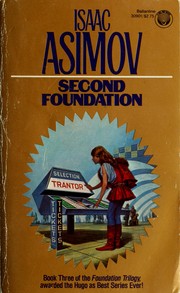
A novel: a mathematician foresees an empire's fall and plans to shorten the dark age.
Also recommended by: Balaji S. Srinivasan, Adam Gazzaley and 10 others
Source: Stewart Brand's Selected Books for the Manual for Civilization — Long Now
Also recommended by: Elon Musk, Jeff Bezos
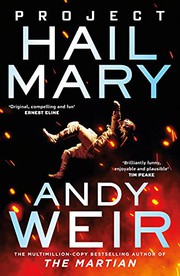
A novel of an amnesiac astronaut sent to stop a microbe that is dimming the sun.
Also recommended by: Bill Gates, Austen Allred, Brian Armstrong and 3 others
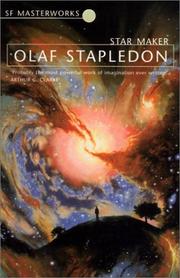
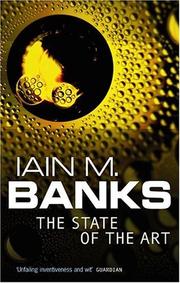
Source: Stewart Brand's Selected Books for the Manual for Civilization — Long Now
Also recommended by: Elon Musk, Jeff Bezos

The complete works, gathered in one book.
Source: Stewart Brand's Selected Books for the Manual for Civilization — Long Now
Also recommended by: Ricardo Semler
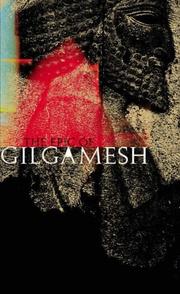
Source: Stewart Brand's Selected Books for the Manual for Civilization — Long Now
Also recommended by: Ryan Holiday, Eric Weinstein
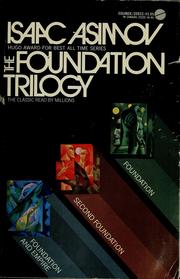
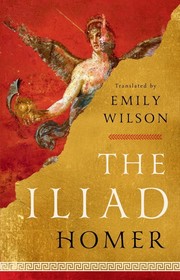
Source: Stewart Brand's Selected Books for the Manual for Civilization — Long Now
Also recommended by: Nat Eliason, Elon Musk, Paul Graham
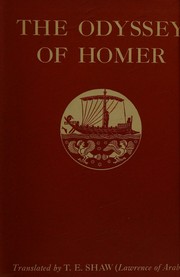
The Greek epic of Odysseus's ten-year journey home from Troy to Ithaca.
Source: Stewart Brand's Selected Books for the Manual for Civilization — Long Now
Also recommended by: Nat Eliason, Patrick Collison, Ryan Holiday and 2 others
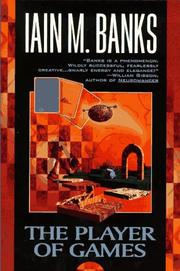
Source: Stewart Brand's Selected Books for the Manual for Civilization — Long Now
Also recommended by: Elon Musk, Jeff Bezos, Mark Zuckerberg
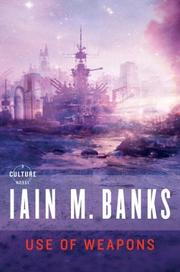
Source: Stewart Brand's Selected Books for the Manual for Civilization — Long Now
Also recommended by: Elon Musk, Jeff Bezos

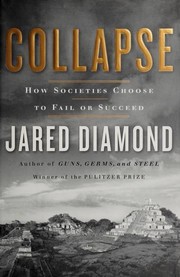
Why past societies from Easter Island to the Maya collapsed, and what that teaches.
Source: Stewart Brand's Selected Books for the Manual for Civilization — Long Now
Also recommended by: Mohnish Pabrai, Bill Gates
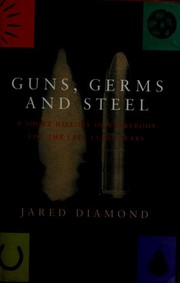
Diamond's central question — why did some civilizations come to dominate others over 10,000 years? — is precisely the kind of question that requires long-term thinking to even ask. The answer, rooted in geography and biology rather than culture or intelligence, is a model for how to reason about slow causes and fast effects.
Also recommended by: Charlie Munger, Christopher Bloomstran and 13 others
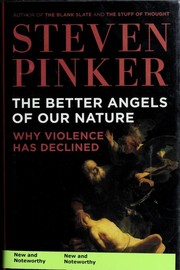
Evidence that violence of nearly every kind has declined over history, and why.
Source: Stewart Brand's Selected Books for the Manual for Civilization — Long Now
Also recommended by: Bill Gates, Mohnish Pabrai, Morgan Housel and 5 others
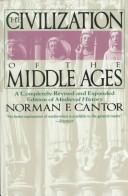
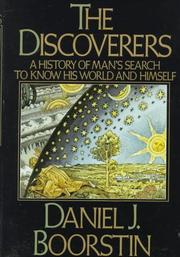
A history of discovery: time and the clock, the earth and seas, nature and society.
Source: Stewart Brand's Selected Books for the Manual for Civilization — Long Now
Also recommended by: Jim Collins
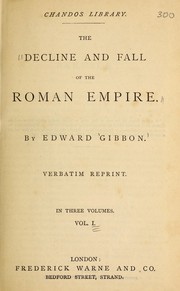
A narrative history of how the Roman Empire declined and fell.
Source: Stewart Brand's Selected Books for the Manual for Civilization — Long Now
Also recommended by: Ray Dalio
Source: Stewart Brand's Selected Books for the Manual for Civilization — Long Now
Also recommended by: Mohnish Pabrai


How scientists came to know what they know, from cosmology and geology to biology.
Source: Stewart Brand's Selected Books for the Manual for Civilization — Long Now
Also recommended by: Balaji S. Srinivasan, Jim Collins and 4 others
The relative size of things in the universe, each step adding another zero.
Why organisms, cities and companies follow power laws set by their supply networks.
Also recommended by: Nat Eliason, Bill Miller, Marc Benioff and 1 other
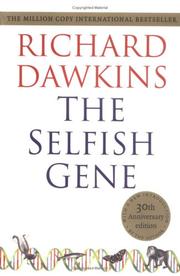
Selection acts on genes; bodies are vehicles that genes build to copy themselves.
Also recommended by: Balaji S. Srinivasan, Charlie Munger and 9 others
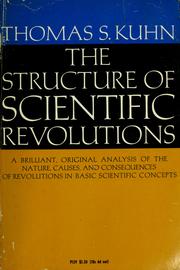
Science moves through long stretches of normal work broken by paradigm shifts.
Also recommended by: Nat Eliason, Charlie Munger, Mark Zuckerberg and 4 others
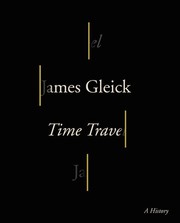
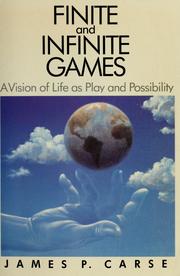
Finite games are played to win; infinite games are played to keep playing.
Source: Stewart Brand's Selected Books for the Manual for Civilization — Long Now
Also recommended by: Nat Eliason, Daniel Gross, Derek Sivers and 7 others
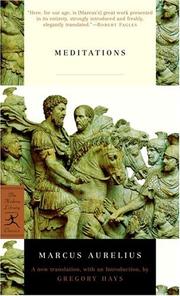
A Roman emperor's private notes reminding himself to live by Stoic principles.
Source: Stewart Brand's Selected Books for the Manual for Civilization — Long Now
Also recommended by: Mohnish Pabrai, Nat Eliason, Naval Ravikant and 16 others

Eighty-one short chapters on the Tao, the founding text of Taoism.
Also recommended by: Nat Eliason, David Perell, Jack Dorsey and 5 others
Brand's book is the founding document of institutional long-term thinking. It proposes a 10,000-year clock as a forcing function for civilizational patience, and along the way develops the concept of pace layers — the idea that different structures (fashion, commerce, governance, culture, nature) change at radically different speeds, and that confusing these speeds is the root of most short-termism.
Also recommended by: Bret Victor, Phil Libin
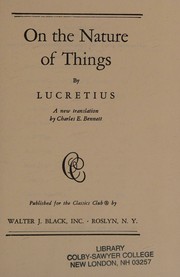
A poem arguing that all is atoms and void, the soul dies, and religion breeds fear.
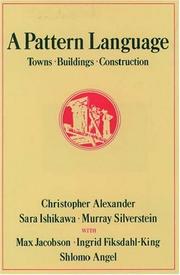
253 patterns for building, from the layout of towns down to a window seat.
Source: Stewart Brand's Selected Books for the Manual for Civilization — Long Now
Also recommended by: Naval Ravikant, Patrick Collison, Sam Altman
Buildings as processes that change after they are built, and how to design for it.
Source: Stewart Brand's Selected Books for the Manual for Civilization — Long Now
Also recommended by: Caterina Fake, Daniel Burka, Jason Fried and 2 others

Source: Stewart Brand's Selected Books for the Manual for Civilization — Long Now
Also recommended by: Matt Mullenweg, Tim Ferriss
The species the world is about to lose, and how conservation can pay economically.
Source: Stewart Brand's Selected Books for the Manual for Civilization — Long Now
Also recommended by: Mohnish Pabrai
Environmentalist case for nuclear power, dense cities and genetic engineering
Also recommended by: Marc Andreessen, Jack Dorsey and 1 other
Also recommended by: Marc Andreessen, Mark Zuckerberg and 1 other
How humanity and technology together keep widening the opportunities open to people.
Source: Stewart Brand's Selected Books for the Manual for Civilization — Long Now
Also recommended by: Patrick Collison, Nir Eyal
Scenario planning: building strategic vision for business and life amid uncertainty.
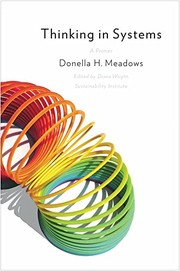
Meadows wrote this before systems thinking became a popular phrase, and it remains the clearest account of why short-term interventions in complex systems so often backfire. The chapter on leverage points is the conceptual core of what long-term thinking actually requires from decision-makers.
Also recommended by: Patrick O'Shaughnessy, Daniel Burka and 2 others
Source: Stewart Brand's Selected Books for the Manual for Civilization — Long Now
Also recommended by: Patrick Collison

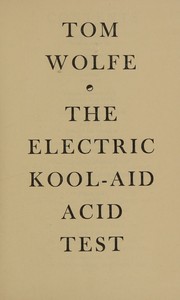
Following Ken Kesey and the Merry Pranksters through the 1960s counterculture.
Also recommended by: Tim O’Reilly
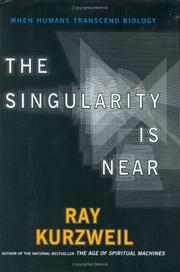
Kurzweil's optimistic counterpoint to the safety literature. His law of accelerating returns and the vision of intelligence explosion as fundamentally benign is the premise that alignment researchers are most directly arguing against. Reading it gives the other side of the debate its strongest formulation.
Source: Stewart Brand's Selected Books for the Manual for Civilization — Long Now
Also recommended by: Brian Armstrong, Patrick Collison and 5 others

How communities manage shared resources without either the state or the market.
Source: Stewart Brand's Selected Books for the Manual for Civilization — Long Now
Also recommended by: Patrick Collison
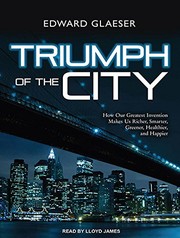
How dense cities make people more productive, inventive and green.
Source: Stewart Brand's Selected Books for the Manual for Civilization — Long Now
Also recommended by: Marc Andreessen, Mohnish Pabrai, Tony Hsieh
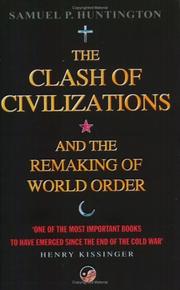
After the Cold War, conflict will follow cultural and religious fault lines.
Source: Stewart Brand's Selected Books for the Manual for Civilization — Long Now
Also recommended by: Mohnish Pabrai, Patrick Collison and 2 others
Machiavelli's handbook on political strategy remains disturbing because it separates effectiveness from morality — a distinction every strategic thinker eventually has to confront. His analysis of how new rulers consolidate power is still the sharpest treatment of legitimacy under conditions of uncertainty.
Source: Stewart Brand's Selected Books for the Manual for Civilization — Long Now
Also recommended by: Ryan Holiday, Fred Wilson, Garry Tan and 1 other
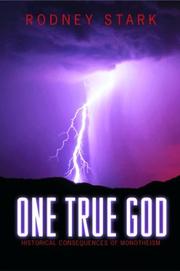
How belief in one god shaped Western history, from religious wars to commandments.

A memoir told through portraits of the people the author knew, from Vienna on.
Also recommended by: Mohnish Pabrai
Also recommended by: Naval Ravikant
Women's roles and choices, with detailed treatment of women's health and hygiene.
Carson's 1962 account of pesticide contamination is the founding text of environmental science writing. It matters here not only as history but as methodology: a demonstration that making an invisible industrial threat visible and specific can, in fact, change policy. Every climate communicator is still working in her shadow.
Kahneman's synthesis of behavioral economics is the cognitive science underpinning every negotiation tactic. Anchoring, loss aversion, framing effects, and the planning fallacy — understanding why these biases operate, not just that they exist, makes you harder to exploit and more honest about your own irrationality.
Source: Stewart Brand's Selected Books for the Manual for Civilization — Long Now
Also recommended by: Andrew Wilkinson, Charles de Vaulx and 31 others
Three generations of hackers, from MIT's AI Lab to the Homebrew club and game makers.
Also recommended by: Austen Allred, Ev Williams, Marc Andreessen and 2 others
| Making the world better | Medium | 2018-04-05 |
| Two ways to save humanity | Medium | 2018-02-14 |
| Cognitive Planet | Medium | 2017-11-05 |
| Life nearby | Medium | 2017-09-07 |
| How to finesse complexity | Medium | 2017-08-22 |
| Time travel is time research | Medium | 2017-07-04 |
| Why cities live forever | Medium | 2017-06-22 |
| Death’s honesty | Medium | 2017-05-25 |
| Doing Good Better | Medium | 2017-03-27 |
| Toward agile government | Medium | 2017-02-14 |