
Patrick Collison
Co-founded Stripe with his brother John in 2010; won Ireland's Young Scientist exhibition at 16 and co-founded the nonprofit Arc Institute in 2021. Worth an estimated $17.5 billion in August 2026.
 Stripe
12 articles · 783 books they recommend
More 69
Source: Bookshelf — patrickcollison.com
Source: Bookshelf — patrickcollison.com

Source: Bookshelf — patrickcollison.com

Source: Bookshelf — patrickcollison.com


Source: Bookshelf — patrickcollison.com

Source: Bookshelf — patrickcollison.com
Also recommended by: Mohnish Pabrai

Source: Bookshelf — patrickcollison.com
Source: Bookshelf — patrickcollison.com

Source: Bookshelf — patrickcollison.com


Source: Bookshelf — patrickcollison.com
Source: Bookshelf — patrickcollison.com

Source: Bookshelf — patrickcollison.com


Source: Bookshelf — patrickcollison.com

Source: Bookshelf — patrickcollison.com

Source: Bookshelf — patrickcollison.com


Source: Bookshelf — patrickcollison.com
Also recommended by: Keith Rabois

Source: Bookshelf — patrickcollison.com
Also recommended by: Paul Graham
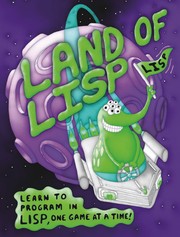
Source: Bookshelf — patrickcollison.com
Source: Bookshelf — patrickcollison.com

Source: Bookshelf — patrickcollison.com

Source: Bookshelf — patrickcollison.com
Also recommended by: Marc Andreessen
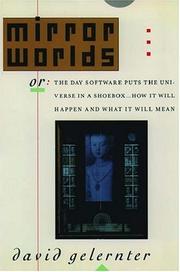
A forecast of vast software models that mirror the real world and change society.
Source: Bookshelf — patrickcollison.com

The chief engineer on designing, building, testing and flying the lunar module.
Source: Bookshelf — patrickcollison.com

Tips and tools for securing Linux, Windows, BSD and Mac servers and networks.
Source: Bookshelf — patrickcollison.com

The official guide to the Nmap scanner, from port-scanning basics to pen testing.
Source: Bookshelf — patrickcollison.com
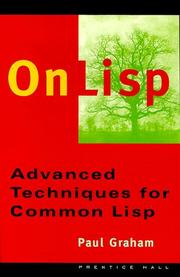
Out of print; Graham distributes it free as a PDF
Source: Bookshelf — patrickcollison.com
Also recommended by: Paul Graham

Operating system principles, from processes to file systems, shown in the MINIX code.
Source: Bookshelf — patrickcollison.com
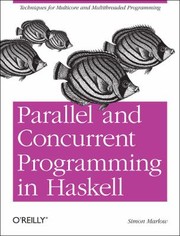
Mechanisms for writing parallel and concurrent programs in Haskell.
Source: Bookshelf — patrickcollison.com
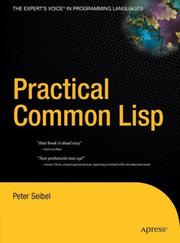
Practical Lisp programming, from language features to projects like an mp3 server.
Source: Bookshelf — patrickcollison.com

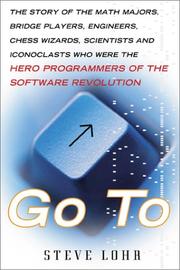
Interviews with leading programmers on the forces and traits behind their work.
Source: Bookshelf — patrickcollison.com
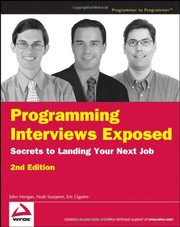
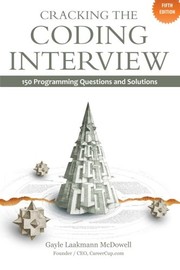
How to prepare for programming job interviews: languages, patterns and algorithms.
Source: Bookshelf — patrickcollison.com
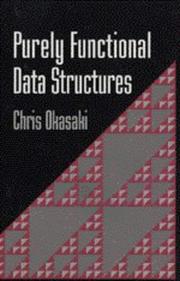
Techniques for designing data structures in functional languages, with examples.
Source: Bookshelf — patrickcollison.com

Quantum algorithms, teleportation, cryptography and error correction, from basics.
Source: Bookshelf — patrickcollison.com
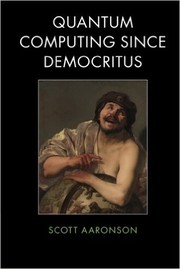
Source: Bookshelf — patrickcollison.com
Also recommended by: Emmett Shear

Source: Bookshelf — patrickcollison.com
Also recommended by: Kevin Kelly

Source: Bookshelf — patrickcollison.com

Source: Bookshelf — patrickcollison.com
Also recommended by: Bret Victor

Source: Bookshelf — patrickcollison.com

Source: Bookshelf — patrickcollison.com

Source: Bookshelf — patrickcollison.com
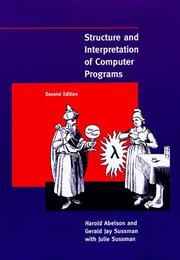
MIT's introductory computer science text, taught through Lisp and Scheme.
Source: Bookshelf — patrickcollison.com
Also recommended by: Paul Graham, Bret Victor, Max Levchin
Source: Bookshelf — patrickcollison.com
Source: Bookshelf — patrickcollison.com
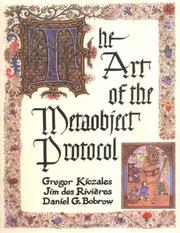
Source: Bookshelf — patrickcollison.com

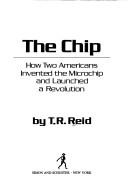
How Kilby and Noyce each invented the integrated circuit in 1958 and 1959.
Source: Bookshelf — patrickcollison.com

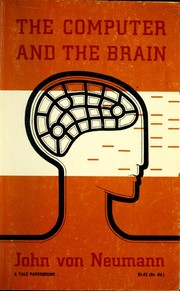

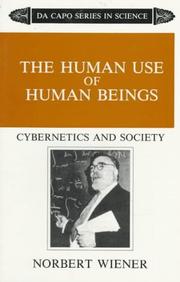

Source: Bookshelf — patrickcollison.com
Also recommended by: Bret Victor, Dustin Moskovitz
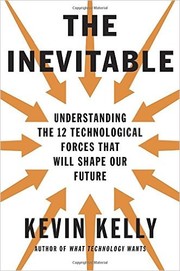
The technology trends that will reshape daily life over the next thirty years.
Source: Bookshelf — patrickcollison.com
Also recommended by: Nat Eliason, Alfred Lin, Brad Feld
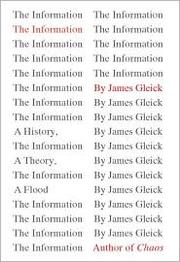
Also recommended by: Marc Andreessen, Mark Zuckerberg and 1 other
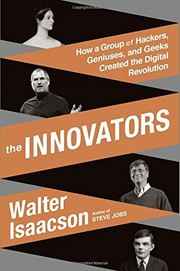
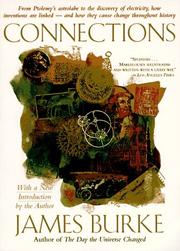
Computing as a run of collaborations, from Ada Lovelace and Babbage to Google.
Also recommended by: Mohnish Pabrai, Bill Gates, Chris Fussell and 1 other

How the internet changed politics and economies in Iran, Estonia, Korea and Senegal.
Source: Bookshelf — patrickcollison.com
Also recommended by: Balaji S. Srinivasan
Every US information industry moved from an open era to control by one firm.
Source: Bookshelf — patrickcollison.com
Also recommended by: Andrew Chen

Source: Bookshelf — patrickcollison.com

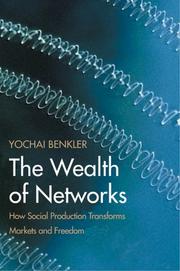
Source: Bookshelf — patrickcollison.com
Also recommended by: Mike Maples, Jr.

Source: Bookshelf — patrickcollison.com
Also recommended by: Bret Victor, Kevin Kelly

Also recommended by: Balaji S. Srinivasan
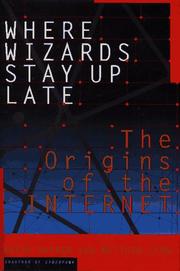
How Licklider and Pentagon-funded engineers built the network behind the internet.
Source: Bookshelf — patrickcollison.com
Also recommended by: Chris Dixon

Source: Bookshelf — patrickcollison.com

Source: Bookshelf — patrickcollison.com
Also recommended by: Marc Andreessen, Nat Eliason


Source: Bookshelf — patrickcollison.com
Source: Bookshelf — patrickcollison.com


Source: Bookshelf — patrickcollison.com

Source: Bookshelf — patrickcollison.com

Source: Bookshelf — patrickcollison.com
Also recommended by: Brian Koppelman

Source: Bookshelf — patrickcollison.com



Source: Bookshelf — patrickcollison.com

Source: Bookshelf — patrickcollison.com

Source: Bookshelf — patrickcollison.com

Source: Bookshelf — patrickcollison.com
Source: Bookshelf — patrickcollison.com
Source: Bookshelf — patrickcollison.com
Source: Bookshelf — patrickcollison.com

A philosophy student marries a math prodigy and weighs the mind against the body.
Source: Bookshelf — patrickcollison.com

Source: Bookshelf — patrickcollison.com
Also recommended by: Diana Kimball
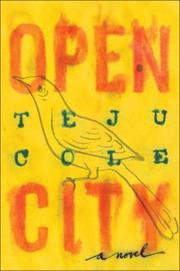
A young Nigerian doctor walks Manhattan, thinking over his relationships.
Source: Bookshelf — patrickcollison.com
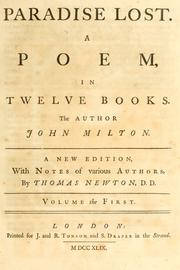
An epic poem retelling Genesis: Satan's revolt and the fall of Adam and Eve.
Source: Bookshelf — patrickcollison.com

The murder of a Japanese family in Los Angeles on the brink of World War II.
Source: Bookshelf — patrickcollison.com
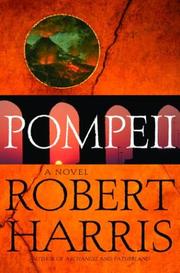
The eruption of Vesuvius in AD 79, seen by the engineer running the local aqueduct.
Source: Bookshelf — patrickcollison.com

A cartoonist's graphic memoir of two months working in North Korea's capital.
Source: Bookshelf — patrickcollison.com
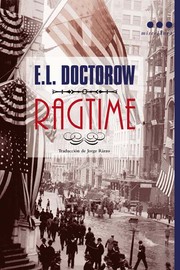

A tech entrepreneur is caught in a global cybercrime war sparked by his online game.
Source: Bookshelf — patrickcollison.com
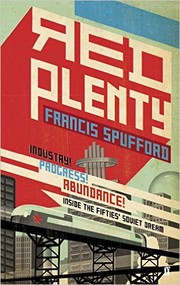
The late 1950s, when the Soviet planned economy seemed briefly to deliver abundance.
Source: Bookshelf — patrickcollison.com
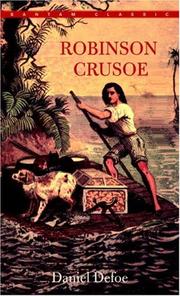

Source: Bookshelf — patrickcollison.com
Also recommended by: Delian Asparouhov



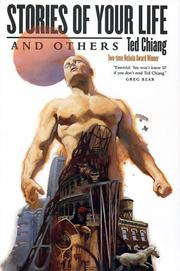
Eight science-fiction stories, each working out one premise with rigour.
Source: Bookshelf — patrickcollison.com
Also recommended by: Tim Ferriss, Delian Asparouhov and 2 others

Source: Bookshelf — patrickcollison.com
Also recommended by: Derek Sivers, Matt Mullenweg
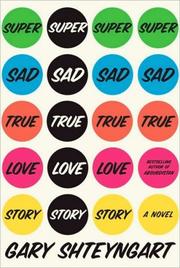
Source: Bookshelf — patrickcollison.com
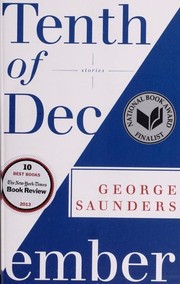
Source: Bookshelf — patrickcollison.com
Also recommended by: Bob Iger, Diana Kimball, Radhika Jones

Source: Bookshelf — patrickcollison.com

Source: Bookshelf — patrickcollison.com
Source: Bookshelf — patrickcollison.com

Source: Bookshelf — patrickcollison.com


Source: Bookshelf — patrickcollison.com

Source: Bookshelf — patrickcollison.com

Source: Bookshelf — patrickcollison.com
Also recommended by: Mike Maples, Jr., Sahil Lavingia
Source: Bookshelf — patrickcollison.com
Also recommended by: Nat Eliason

Source: Bookshelf — patrickcollison.com

Source: Bookshelf — patrickcollison.com


Source: Bookshelf — patrickcollison.com

Source: Bookshelf — patrickcollison.com

Source: Bookshelf — patrickcollison.com

Source: Bookshelf — patrickcollison.com
Source: Bookshelf — patrickcollison.com

The Greek epic of Odysseus's ten-year journey home from Troy to Ithaca.
Source: Bookshelf — patrickcollison.com
Also recommended by: Nat Eliason, Ryan Holiday, Stewart Brand and 2 others
Source: Bookshelf — patrickcollison.com

Source: Bookshelf — patrickcollison.com
Also recommended by: Oprah Winfrey, Ryan Holiday

Source: Bookshelf — patrickcollison.com
Source: Bookshelf — patrickcollison.com
Also recommended by: Sophie Bakalar

Source: Bookshelf — patrickcollison.com

Source: Bookshelf — patrickcollison.com

Source: Bookshelf — patrickcollison.com


Source: Bookshelf — patrickcollison.com

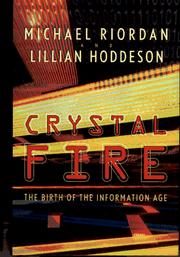
How the Bell Labs team of Shockley, Bardeen and Brattain invented the transistor.
Source: Bookshelf — patrickcollison.com


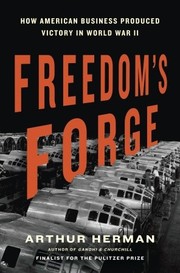
How Knudsen and Kaiser led America's industrial build-up for the Second World War.
Also recommended by: Christopher Bloomstran
Source: Bookshelf — patrickcollison.com
Source: Bookshelf — patrickcollison.com

Source: Bookshelf — patrickcollison.com

Source: Bookshelf — patrickcollison.com

Source: Bookshelf — patrickcollison.com



Source: Bookshelf — patrickcollison.com
Also recommended by: Richard Branson

Source: Bookshelf — patrickcollison.com
Source: Bookshelf — patrickcollison.com

How the stirrup and the plough reorganised medieval society and economy
Source: Bookshelf — patrickcollison.com
Also recommended by: Paul Graham

Cicero's speeches defending accused murderers, from Sextus Roscius to King Deiotarus.
Source: Bookshelf — patrickcollison.com
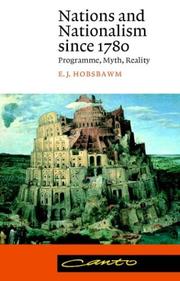
An enquiry into nationalism since 1780: its programme, its myths and its reality.
Source: Bookshelf — patrickcollison.com

Four centuries of New Yorkers' diaries, from Henry Hudson to Mark Twain and on.
Source: Bookshelf — patrickcollison.com
Nixon's political career from Congress to the White House and the strategies he used.
Source: Bookshelf — patrickcollison.com

The Pacific Ocean's geology and history, and its role in the modern world.
Source: Bookshelf — patrickcollison.com

How shared fictions such as money, nations and gods let humans cooperate at scale.
Source: Bookshelf — patrickcollison.com
Also recommended by: Andrew Wilkinson, Bill Gates, Mohnish Pabrai and 37 others




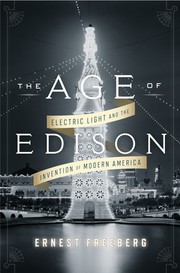
How Edison's electric light changed American life and marked a new age.
Source: Bookshelf — patrickcollison.com
Also recommended by: Alfred Lin


Source: Bookshelf — patrickcollison.com

Source: Bookshelf — patrickcollison.com
Source: Bookshelf — patrickcollison.com
Also recommended by: Ben Horowitz
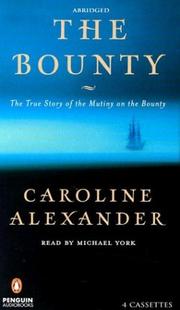

How cities developed, from Egypt and Mesopotamia through Greece and Rome to today.
Source: Bookshelf — patrickcollison.com
Also recommended by: Keith Rabois
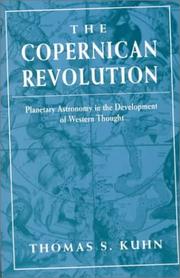
How the Copernican revolution unfolded, as a turning point in scientific thought.
Source: Bookshelf — patrickcollison.com
Also recommended by: Paul Graham
Source: Bookshelf — patrickcollison.com
Source: Bookshelf — patrickcollison.com

How the bomb was built, from the discovery of atomic energy to Hiroshima.
Also recommended by: Chris Dixon, Elon Musk

Source: Bookshelf — patrickcollison.com
Source: Bookshelf — patrickcollison.com

Source: Bookshelf — patrickcollison.com
Source: Bookshelf — patrickcollison.com
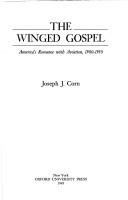
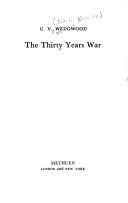
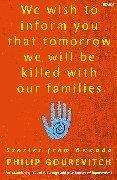

Source: Bookshelf — patrickcollison.com


Source: Bookshelf — patrickcollison.com
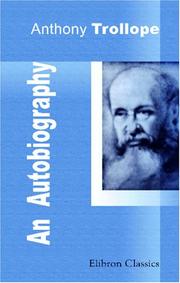

Source: Bookshelf — patrickcollison.com
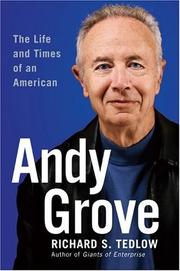
Full-scale biography by a Harvard business historian.
Source: Bookshelf — patrickcollison.com
Also recommended by: Keith Rabois




Source: Bookshelf — patrickcollison.com


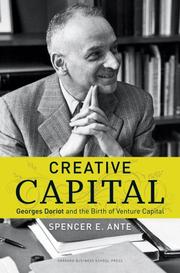
Georges Doriot, who showed that investing in small, risky firms could pay.
Source: Bookshelf — patrickcollison.com
Source: Bookshelf — patrickcollison.com
Also recommended by: Larry Ellison


Source: Bookshelf — patrickcollison.com

Source: Bookshelf — patrickcollison.com


Montaigne's life and essays, read as answers to the question of how to live.
Source: Bookshelf — patrickcollison.com
Also recommended by: Andrew Wilkinson, Marc Andreessen and 1 other

Source: Bookshelf — patrickcollison.com

Source: Bookshelf — patrickcollison.com
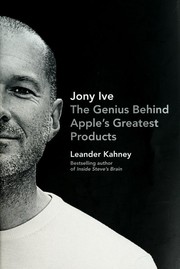

Source: Bookshelf — patrickcollison.com

Patagonia's founder on running a business against conventional growth logic
Source: Bookshelf — patrickcollison.com
Also recommended by: Nat Eliason, David Cancel, Jackie Vullinghs and 2 others

Source: Bookshelf — patrickcollison.com

Source: Bookshelf — patrickcollison.com


A rugby team's plane crashes in the Andes; a survivor treks out after 72 days.
Source: Bookshelf — patrickcollison.com

Scholars, diplomats and journalists recall first encounters with Communist China.
Source: Bookshelf — patrickcollison.com

Source: Bookshelf — patrickcollison.com

A pilot's memoir of a life spent flying, and the places and people along the way.
Source: Bookshelf — patrickcollison.com
More scary and often funny true stories from Royal Air Force crews and friends.
Source: Bookshelf — patrickcollison.com

A computer pioneer's autobiography: his life in computing and fight for civilisation.
Source: Bookshelf — patrickcollison.com

Source: Bookshelf — patrickcollison.com

Source: Bookshelf — patrickcollison.com

Inside Lockheed's secret projects unit, from the U-2 to the stealth fighter.
Source: Bookshelf — patrickcollison.com
Also recommended by: Sam Altman

A Jewish boy survives the war and Soviet rule in Hungary and escapes to America.
Source: Bookshelf — patrickcollison.com
Also recommended by: Ben Horowitz, Keith Rabois


Source: Bookshelf — patrickcollison.com


Source: Bookshelf — patrickcollison.com

Source: Bookshelf — patrickcollison.com

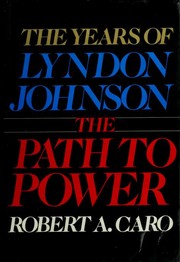
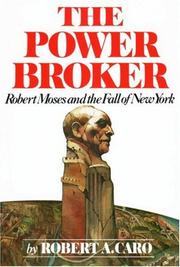
How an unelected official amassed power and used it to rebuild New York.
Also recommended by: Balaji S. Srinivasan, Jim Collins and 7 others
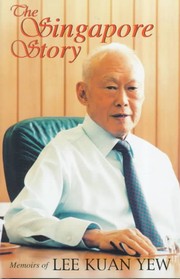

Source: Bookshelf — patrickcollison.com


Source: Bookshelf — patrickcollison.com

Source: Bookshelf — patrickcollison.com

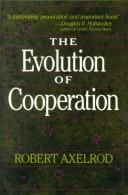
Computer tournaments of the prisoner's dilemma show why tit-for-tat wins.
Source: Bookshelf — patrickcollison.com
Also recommended by: Naval Ravikant
Source: Bookshelf — patrickcollison.com

Source: Bookshelf — patrickcollison.com
Also recommended by: Nat Eliason

Source: Bookshelf — patrickcollison.com
Also recommended by: Elon Musk
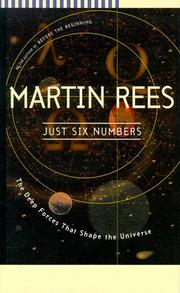


The foundations and methods of modern particle physics, through the Standard Model.
Source: Bookshelf — patrickcollison.com
An introduction to quantum field theory for beginners and self-learners.
Source: Bookshelf — patrickcollison.com

Quantum field theory for students who have finished a course in quantum mechanics.
Source: Bookshelf — patrickcollison.com

Quantum mechanics, its formalism and practice, through nearly 700 worked problems.
Source: Bookshelf — patrickcollison.com

Quantum theory applied to atoms, molecules, solids, nuclei and particles.
Source: Bookshelf — patrickcollison.com

Source: Bookshelf — patrickcollison.com

Source: Bookshelf — patrickcollison.com
Source: Bookshelf — patrickcollison.com
Why glass is clear and paperclips bend: the science of everyday materials.
Source: Bookshelf — patrickcollison.com
Also recommended by: Bill Gates

Source: Bookshelf — patrickcollison.com
Also recommended by: Bret Victor, Keith Rabois

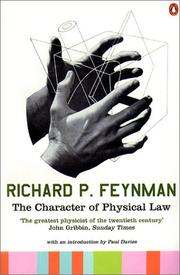
Source: Bookshelf — patrickcollison.com
An argument that consciousness is not algorithmic and rests on quantum mechanics.
Source: Bookshelf — patrickcollison.com

Reality through four strands: many-worlds physics, computation, evolution, Popper.
Source: Bookshelf — patrickcollison.com
Also recommended by: Naval Ravikant, Chris Anderson and 1 other

Source: Bookshelf — patrickcollison.com
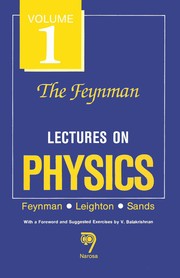
Source: Bookshelf — patrickcollison.com
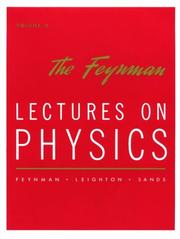
Source: Bookshelf — patrickcollison.com

The knowledge survivors would need to rebuild technological society after a collapse.
Source: Bookshelf — patrickcollison.com
Also recommended by: Balaji S. Srinivasan

Language as a human instinct, and what science knows of grammar and learning.
Source: Bookshelf — patrickcollison.com
Also recommended by: Charlie Munger, Mohnish Pabrai
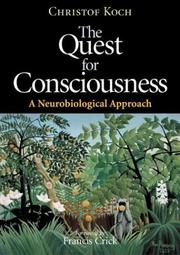

Source: Bookshelf — patrickcollison.com
Source: Bookshelf — patrickcollison.com

Source: Bookshelf — patrickcollison.com

Science moves through long stretches of normal work broken by paradigm shifts.
Also recommended by: Nat Eliason, Charlie Munger, Mark Zuckerberg and 4 others
Source: Bookshelf — patrickcollison.com
Also recommended by: Eric Weinstein

Source: Bookshelf — patrickcollison.com
Also recommended by: Sahil Lavingia
Source: Bookshelf — patrickcollison.com
Also recommended by: Eric Weinstein


Source: Bookshelf — patrickcollison.com

Source: Bookshelf — patrickcollison.com
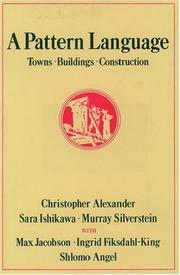
253 patterns for building, from the layout of towns down to a window seat.
Source: Bookshelf — patrickcollison.com
Also recommended by: Naval Ravikant, Sam Altman, Stewart Brand


Source: Bookshelf — patrickcollison.com


Source: Bookshelf — patrickcollison.com

Source: Bookshelf — patrickcollison.com
Source: Bookshelf — patrickcollison.com
Source: Bookshelf — patrickcollison.com
Source: Bookshelf — patrickcollison.com
Also recommended by: Ran Segall

Buildings as processes that change after they are built, and how to design for it.
Also recommended by: Stewart Brand, Caterina Fake, Daniel Burka and 2 others

Source: Bookshelf — patrickcollison.com
Source: Bookshelf — patrickcollison.com
Also recommended by: Patrick O'Shaughnessy

Source: Bookshelf — patrickcollison.com
The process of design: how to invent things with new physical order and form.
Source: Bookshelf — patrickcollison.com

The idea of ugliness through history, as shown in art, literature and architecture.
Source: Bookshelf — patrickcollison.com


Photographs that visualise data, from Wi-Fi fields to many moments in one image.
Source: Bookshelf — patrickcollison.com

Architects' manifestos and programs, 1903 to 1963, that shaped modern architecture.
Source: Bookshelf — patrickcollison.com

Source: Bookshelf — patrickcollison.com

Source: Bookshelf — patrickcollison.com
Also recommended by: Ran Segall, Adam Robinson
Source: Bookshelf — patrickcollison.com
Also recommended by: David Kadavy, Jeremiah Shoaf


Source: Bookshelf — patrickcollison.com
Also recommended by: David Kadavy, Shane Parrish

Source: Bookshelf — patrickcollison.com
Also recommended by: Bret Victor, Daniel Burka, Ev Williams

Source: Bookshelf — patrickcollison.com
Also recommended by: Bret Victor, Jeff Atwood


Source: Bookshelf — patrickcollison.com
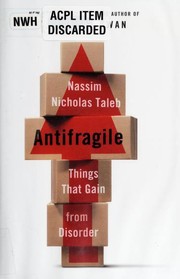
Incerto volume 4
Source: Bookshelf — patrickcollison.com
Also recommended by: Mohnish Pabrai, Nat Eliason, Seth Klarman and 23 others

Knowledge grows by bold guesses that we then try to refute, not by proof.
Source: Bookshelf — patrickcollison.com

Source: Bookshelf — patrickcollison.com

Source: Bookshelf — patrickcollison.com

Source: Bookshelf — patrickcollison.com
Source: Bookshelf — patrickcollison.com

Source: Bookshelf — patrickcollison.com
Also recommended by: Nat Eliason, Ed Cooke

Source: Bookshelf — patrickcollison.com

Essays on every kind of subject that, above all, examine human nature honestly.
Source: Bookshelf — patrickcollison.com
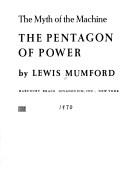
The forces that have shaped technology since prehistory and now shape modern people.
Source: Bookshelf — patrickcollison.com
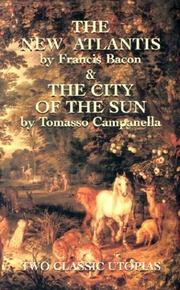
Bacon's utopia of organised research; science as an institution
Source: Bookshelf — patrickcollison.com
Also recommended by: Peter Thiel

Ways to end humanity's conflicts with nature, with other people and within the self.
Source: Bookshelf — patrickcollison.com

Life is not short; people waste most of it, and how to use it well.
Source: Bookshelf — patrickcollison.com
Also recommended by: Ryan Holiday, Eric Jorgenson, Maria Popova and 1 other
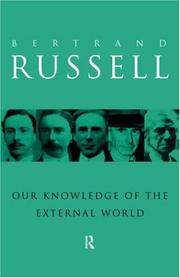
Examples showing what the logical-analytic method in philosophy can and cannot do.
Source: Bookshelf — patrickcollison.com

Plato brought into today's debates on religion, morality, politics and science.
Source: Bookshelf — patrickcollison.com
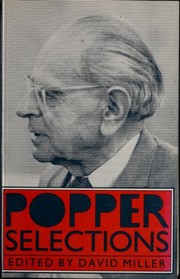
Thirty selections from Popper's writings, chosen to show the range of his ideas.
Source: Bookshelf — patrickcollison.com
Source: Bookshelf — patrickcollison.com

What justice is, answered by building an ideal city in dialogue.
Source: Bookshelf — patrickcollison.com
Also recommended by: Mark Zuckerberg, Peter Thiel, Sam Altman and 2 others

Source: Bookshelf — patrickcollison.com
An attack on Western beliefs, from Plato to Marxism, about humanity's place.
Source: Bookshelf — patrickcollison.com
Also recommended by: Antonio García Martínez
Knowledge can grow without limit through good explanations that are hard to vary.
Source: Bookshelf — patrickcollison.com
Also recommended by: Nat Eliason, Naval Ravikant, Albert Wenger and 4 others

Source: Bookshelf — patrickcollison.com

Source: Bookshelf — patrickcollison.com
Source: Bookshelf — patrickcollison.com
The mind-body problem from Descartes to today, and a case for neutral monism.
Also recommended by: Mario Gabriele

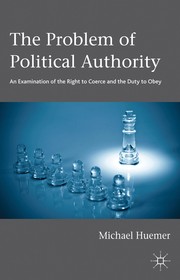
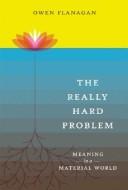
Source: Bookshelf — patrickcollison.com


Source: Bookshelf — patrickcollison.com


Source: Bookshelf — patrickcollison.com


Source: Bookshelf — patrickcollison.com

Source: Bookshelf — patrickcollison.com

Source: Bookshelf — patrickcollison.com
Ocean flying for small-plane pilots: navigation, weather, equipment and regulations.
Source: Bookshelf — patrickcollison.com
Source: Bookshelf — patrickcollison.com
Also recommended by: Brian Armstrong

Study outlines and FAA questions for passing the private pilot knowledge test.
Source: Bookshelf — patrickcollison.com

How to ride a motorcycle well on city streets and country roads and handle hazards.
Source: Bookshelf — patrickcollison.com

Source: Bookshelf — patrickcollison.com
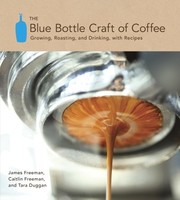
How to choose, brew and enjoy artisan coffee at home, with 40 recipes.
Source: Bookshelf — patrickcollison.com


Source: Bookshelf — patrickcollison.com

Source: Bookshelf — patrickcollison.com


Source: Bookshelf — patrickcollison.com

Source: Bookshelf — patrickcollison.com
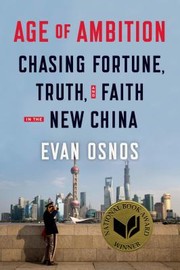
Source: Bookshelf — patrickcollison.com
Also recommended by: Nick Crocker

How television turned public discourse from argument into entertainment.
Source: Bookshelf — patrickcollison.com
Also recommended by: Nat Eliason, Keith Rabois, Matt Mullenweg and 2 others

Source: Bookshelf — patrickcollison.com
Source: Bookshelf — patrickcollison.com
Also recommended by: Frank Blake
Source: Bookshelf — patrickcollison.com
Source: Bookshelf — patrickcollison.com
Also recommended by: Ev Williams

Source: Bookshelf — patrickcollison.com
Also recommended by: Diana Kimball
Source: Bookshelf — patrickcollison.com

Source: Bookshelf — patrickcollison.com

Essays on carnival hokum, magical thinking and Washington's cult of expertise.
Source: Bookshelf — patrickcollison.com
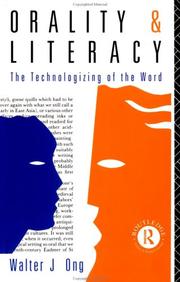
How the move from oral cultures to writing changed thought, personality and society.
Source: Bookshelf — patrickcollison.com

Ten essays on China's economic and political change and what it means for America.
Source: Bookshelf — patrickcollison.com

How a culture hands its judgement to machines, statistics and technical experts.
Source: Bookshelf — patrickcollison.com
Also recommended by: Tristan Harris

Four breaks with the postwar world, from a global economy to knowledge as capital.
Source: Bookshelf — patrickcollison.com

Source: Bookshelf — patrickcollison.com
Source: Bookshelf — patrickcollison.com


Source: Bookshelf — patrickcollison.com

Source: Bookshelf — patrickcollison.com
Source: Bookshelf — patrickcollison.com
Also recommended by: Paul Graham, Sam Altman


Source: Bookshelf — patrickcollison.com
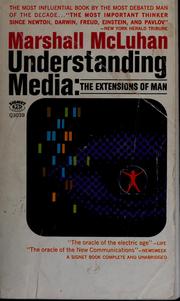
Source: Bookshelf — patrickcollison.com
Also recommended by: David Perell

Source: Bookshelf — patrickcollison.com

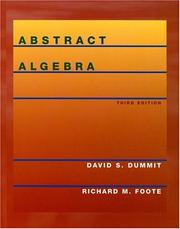
Source: Bookshelf — patrickcollison.com

Source: Bookshelf — patrickcollison.com

Source: Bookshelf — patrickcollison.com
Also recommended by: Eric Weinstein

Source: Bookshelf — patrickcollison.com

Source: Bookshelf — patrickcollison.com


Source: Bookshelf — patrickcollison.com

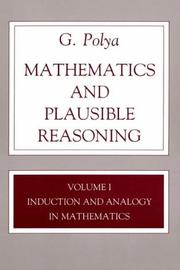
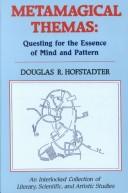
Source: Bookshelf — patrickcollison.com
Euclid's first six books, with diagrams and proofs drawn in bright coloured shapes.
Source: Bookshelf — patrickcollison.com

Source: Bookshelf — patrickcollison.com

How randomness shapes our lives, the history of probability, and why we misread it.
Source: Bookshelf — patrickcollison.com
Source: Bookshelf — patrickcollison.com

Techniques for mathematical modelling, aimed at simple, efficient computer code.
Source: Bookshelf — patrickcollison.com
Also recommended by: Bret Victor

Source: Bookshelf — patrickcollison.com

Expert entries on applied maths: concepts, modelling, simulation and applications.
Source: Bookshelf — patrickcollison.com
Also recommended by: Naval Ravikant
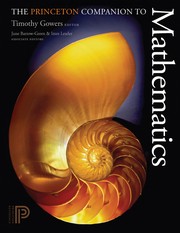
Nearly 200 entries by leading mathematicians on modern maths and its core ideas.
Source: Bookshelf — patrickcollison.com
Also recommended by: Balaji S. Srinivasan

Source: Bookshelf — patrickcollison.com
Source: Bookshelf — patrickcollison.com


Source: Bookshelf — patrickcollison.com
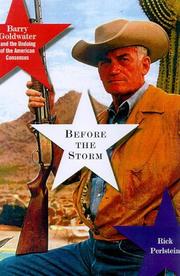
Source: Bookshelf — patrickcollison.com


Source: Bookshelf — patrickcollison.com

Source: Bookshelf — patrickcollison.com

Source: Bookshelf — patrickcollison.com

Source: Bookshelf — patrickcollison.com

Whistleblower's account of the Anglo Leasing procurement scandals; essential country risk reading.
Source: Bookshelf — patrickcollison.com
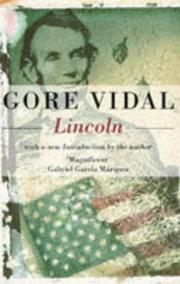
An analysis of political hostage-taking by terrorists in the modern world.
Source: Bookshelf — patrickcollison.com

Chinese people who push for justice and freedom under an authoritarian state.
Source: Bookshelf — patrickcollison.com
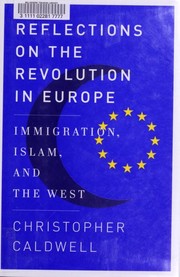
How mass immigration and Islam changed Europe without forming a melting pot.
Source: Bookshelf — patrickcollison.com

Source: Bookshelf — patrickcollison.com
Source: Bookshelf — patrickcollison.com
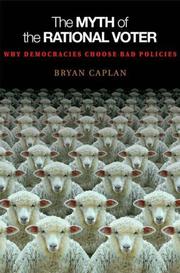
Voters hold systematic biases about economics, so democracies choose bad policies.
Source: Bookshelf — patrickcollison.com
Also recommended by: Marc Andreessen

1997 forecast of digital money weakening the nation state
Source: Bookshelf — patrickcollison.com
Also recommended by: Balaji S. Srinivasan, Nat Eliason and 10 others


Source: Bookshelf — patrickcollison.com
Also recommended by: Ezra Klein

How credit cards, money market funds and discount brokers reached ordinary Americans.
Source: Bookshelf — patrickcollison.com
Also recommended by: Mohnish Pabrai, Warren Buffett
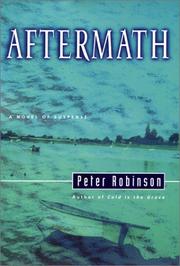
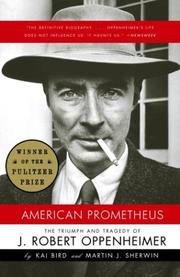


Source: Bookshelf — patrickcollison.com


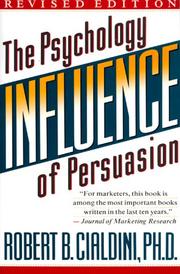
Six principles of compliance, from reciprocity to scarcity, and how sellers use them.
Source: Bookshelf — patrickcollison.com
Also recommended by: Andrew Wilkinson, Charlie Munger and 28 others
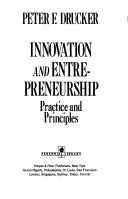
Innovation as a learnable discipline, with seven sources of opportunity to search.
Source: Bookshelf — patrickcollison.com
Also recommended by: Matt Mullenweg, Patrick O'Shaughnessy
Source: Bookshelf — patrickcollison.com

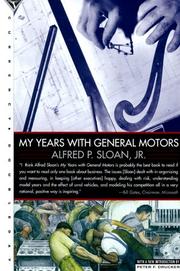
The decentralised structure and financial controls that ran General Motors.
Source: Bookshelf — patrickcollison.com
Also recommended by: Mohnish Pabrai, Ben Horowitz


How the Yale endowment invests, and how institutions can build portfolios like it.
Source: Bookshelf — patrickcollison.com
Also recommended by: Howard Marks, Marc Andreessen and 1 other


1968 warning that American corporations would come to dominate Europe
Source: Bookshelf — patrickcollison.com
Also recommended by: Peter Thiel
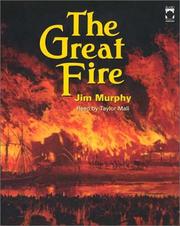
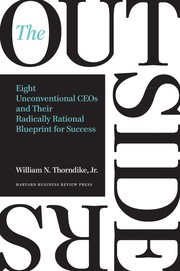
Eight CEOs who beat the market by allocating capital, not by running operations.
Source: Bookshelf — patrickcollison.com
Also recommended by: Andrew Wilkinson, Dan Loeb, Francois Rochon and 11 others

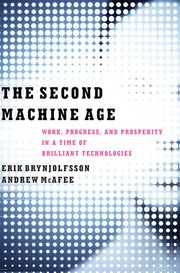
Brynjolfsson and McAfee provide the economic context: AI as a general-purpose technology that decouples productivity from employment. The alignment problem doesn't exist in a vacuum — it plays out in economies where AI is already restructuring labor markets in ways that are hard to reverse.
Source: Bookshelf — patrickcollison.com
Also recommended by: Mohnish Pabrai, Alexey Moiseenkov and 3 others
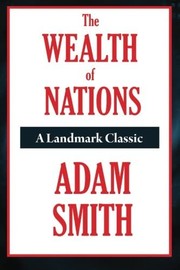
How the division of labour and free markets make a nation rich.
Source: Bookshelf — patrickcollison.com
Also recommended by: Naval Ravikant, Charlie Munger, Elon Musk and 5 others
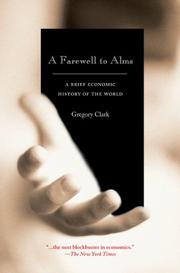
Source: Bookshelf — patrickcollison.com

Source: Bookshelf — patrickcollison.com
Also recommended by: Raoul Pal
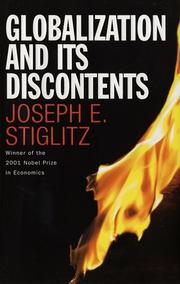
An attack on the IMF's one-size-fits-all policies in the crises of the 1990s.
Source: Bookshelf — patrickcollison.com
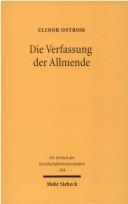
How communities manage shared resources without either the state or the market.
Source: Bookshelf — patrickcollison.com
Also recommended by: Stewart Brand
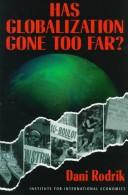
The 1997 warning that the political backlash was coming.
Source: Bookshelf — patrickcollison.com

Source: Bookshelf — patrickcollison.com
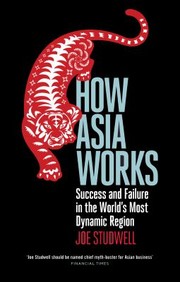
Why some Asian nations grew rich: land reform, export-led industry, directed credit.
Also recommended by: Bill Gates, Mohnish Pabrai
The economics of shipping: the market cycle, freight rates and vessel costs.
Source: Bookshelf — patrickcollison.com
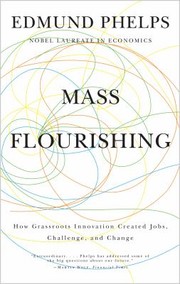
Source: Bookshelf — patrickcollison.com

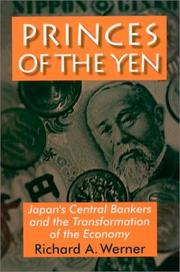
A contested but influential reading of the Bank of Japan's credit guidance.
Source: Bookshelf — patrickcollison.com


Why societies should put sustainable long-run growth almost above all else.
Also recommended by: Jackie Vullinghs
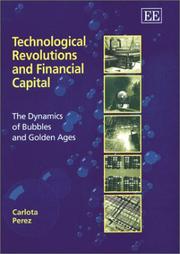
Five technological revolutions since 1771, and why each brings a financial bubble.
Source: Bookshelf — patrickcollison.com
Also recommended by: Michael Mauboussin

Short essays on unemployment, globalization, growth and financial speculation.
Source: Bookshelf — patrickcollison.com
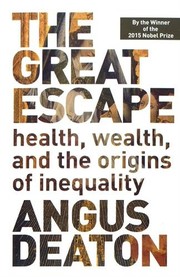
Source: Bookshelf — patrickcollison.com
Also recommended by: Bill Gates
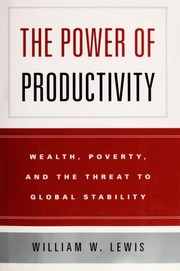
Sector-level explanation of why productivity differs so much between countries
Source: Bookshelf — patrickcollison.com
Also recommended by: Marc Andreessen
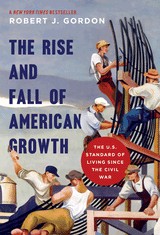
Why the inventions of 1870 to 1970 raised living standards as nothing since has.
Source: Bookshelf — patrickcollison.com
Also recommended by: Bill Gates, Christopher Bloomstran and 1 other

Ten rules for judging whether a country's economy will rise or fall.
Source: Bookshelf — patrickcollison.com

Source: Bookshelf — patrickcollison.com

Source: Bookshelf — patrickcollison.com

Source: Bookshelf — patrickcollison.com

Source: Bookshelf — patrickcollison.com


Source: Bookshelf — patrickcollison.com

Numbered rules of English usage and composition, with examples, under 100 pages.
Source: Bookshelf — patrickcollison.com
Also recommended by: Nat Eliason, Ann Handley, Kara Swisher and 2 others
Source: Bookshelf — patrickcollison.com
Also recommended by: Audrey Gelman, Balaji S. Srinivasan

Source: Bookshelf — patrickcollison.com

Source: Bookshelf — patrickcollison.com
Source: Bookshelf — patrickcollison.com


Source: Bookshelf — patrickcollison.com

Source: Bookshelf — patrickcollison.com
Also recommended by: Bill Gates

Source: Bookshelf — patrickcollison.com
Also recommended by: Bill Gates

Source: Bookshelf — patrickcollison.com
An introduction to the structure and function of the nervous system for students.
Source: Bookshelf — patrickcollison.com

How plague, cholera, malaria and smallpox shaped history.
Source: Bookshelf — patrickcollison.com
Also recommended by: Paul Graham
Dawkins narrates the whole of evolutionary history as a pilgrimage backward in time, meeting ancestors at each branching point. The cumulative effect is a felt sense of deep time that no abstract statement about 'billions of years' can produce. Reading this first recalibrates everything that follows.
Source: Bookshelf — patrickcollison.com


Source: Bookshelf — patrickcollison.com

Source: Bookshelf — patrickcollison.com
Also recommended by: Bill Gates, Chamath Palihapitiya
Source: Bookshelf — patrickcollison.com

Shackleton's men survive after the ice crushes their ship Endurance in Antarctica.
Also recommended by: Andrew Wilkinson, Morgan Housel, Nat Eliason and 6 others
Source: Bookshelf — patrickcollison.com

Source: Bookshelf — patrickcollison.com


Source: Bookshelf — patrickcollison.com

Source: Bookshelf — patrickcollison.com

Source: Bookshelf — patrickcollison.com


Source: Bookshelf — patrickcollison.com
Also recommended by: Naval Ravikant
Source: Bookshelf — patrickcollison.com
Source: Bookshelf — patrickcollison.com
Source: Bookshelf — patrickcollison.com

Source: Bookshelf — patrickcollison.com
Also recommended by: Ev Williams, Keith Rabois
Source: Bookshelf — patrickcollison.com
Also recommended by: Paul Graham


Source: Bookshelf — patrickcollison.com

Why machines smarter than humans pose a control problem to solve before they arrive.
Source: Bookshelf — patrickcollison.com
Also recommended by: Brad Feld, Brett Adcock, David Kadavy and 5 others

Japan's drive to build fifth-generation AI computers, and its stakes for America.
Source: Bookshelf — patrickcollison.com

Kurzweil's optimistic counterpoint to the safety literature. His law of accelerating returns and the vision of intelligence explosion as fundamentally benign is the premise that alignment researchers are most directly arguing against. Reading it gives the other side of the debate its strongest formulation.
Source: Bookshelf — patrickcollison.com
Also recommended by: Brian Armstrong, Daniel Petre, Jensen Huang and 4 others
Source: Bookshelf — patrickcollison.com


Alibaba from Jack Ma's Hangzhou apartment to its 2014 New York listing.
Source: Bookshelf — patrickcollison.com
How Xerox PARC built the first personal computer and laser printer, and lost them.
Source: Bookshelf — patrickcollison.com
Also recommended by: Austen Allred, Sam Altman
Source: Bookshelf — patrickcollison.com
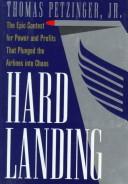
US airlines after 1978 deregulation through Crandall, Lorenzo and Kelleher.
Source: Bookshelf — patrickcollison.com
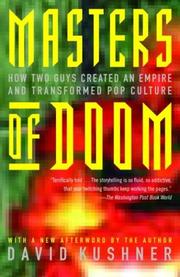
How John Carmack and John Romero made Doom and Quake and changed video games.
Also recommended by: Alexis Ohanian
Source: Bookshelf — patrickcollison.com

Apple's growth from a garage workshop to a company with over $1 billion in sales.
Source: Bookshelf — patrickcollison.com
Also recommended by: Keith Rabois
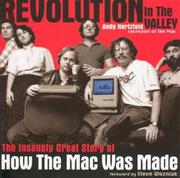
Also recommended by: Keith Rabois

Source: Bookshelf — patrickcollison.com
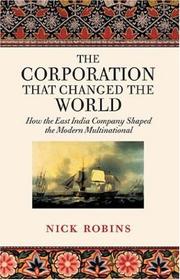
The East India Company, from spice trader to ruler of India: the first multinational.
Source: Bookshelf — patrickcollison.com
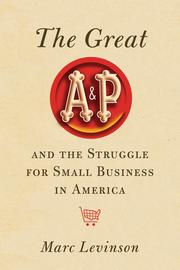
How A&P became the world's largest retailer and the political fight it set off.
Source: Bookshelf — patrickcollison.com

Also recommended by: Mohnish Pabrai, Naval Ravikant

Source: Bookshelf — patrickcollison.com
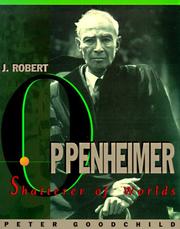

Profiles of 15 leading computer scientists, eight of them Turing Award winners.
Source: Bookshelf — patrickcollison.com

A first-hand account of the race against Linus Pauling to find DNA's structure.
Also recommended by: Paul Graham, Peter Attia
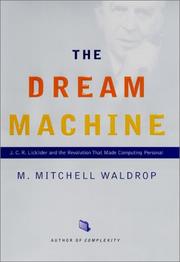
J.C.R. Licklider's vision of computers that serve individuals, and how it came true.
Source: Bookshelf — patrickcollison.com
Also recommended by: Marc Andreessen
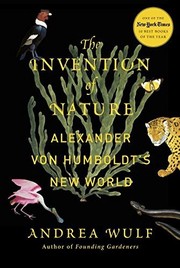
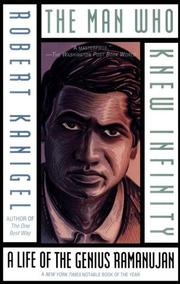
Also recommended by: Paul Graham, Sophie Bakalar

Twelve New Yorker stories of business, from the Edsel's failure to the 1962 crash.
Source: Bookshelf — patrickcollison.com
Also recommended by: Bill Gates, Mohnish Pabrai, Warren Buffett

Source: Bookshelf — patrickcollison.com
Also recommended by: Drew Houston, Simon Sinek

Hire by defining the results a role must deliver, not the skills on a CV.
Source: Bookshelf — patrickcollison.com

How to spot a strategic inflection point, when a tenfold force changes a business.
Source: Bookshelf — patrickcollison.com
Also recommended by: Charlie Munger, Mohnish Pabrai, Andrew Chen and 9 others
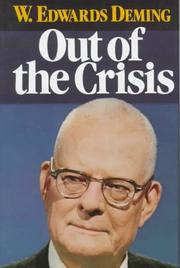
Fourteen points for managing quality by improving the system and driving out fear.
Source: Bookshelf — patrickcollison.com
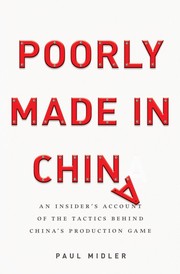
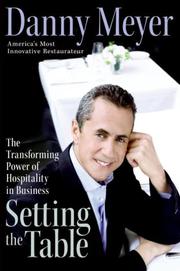
Enlightened hospitality: put employees first, then guests, community and investors.
Source: Bookshelf — patrickcollison.com
Also recommended by: Fred Wilson, Niki Scevak and 2 others
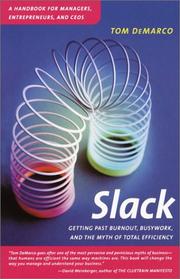
Source: Bookshelf — patrickcollison.com
Also recommended by: Ev Williams
Source: Bookshelf — patrickcollison.com

Source: Bookshelf — patrickcollison.com

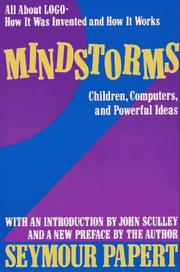
Source: Bookshelf — patrickcollison.com
Also recommended by: Diana Kimball
Source: Bookshelf — patrickcollison.com

Source: Bookshelf — patrickcollison.com

Source: Bookshelf — patrickcollison.com

Source: Bookshelf — patrickcollison.com
Creative genius explained as a Darwinian process of variation and selection.
Source: Bookshelf — patrickcollison.com

Portraits of people living lives of extreme ethical commitment to helping strangers.
Source: Bookshelf — patrickcollison.com
Also recommended by: Nick Thompson
The Good Judgment Project; the practices that measurably improve forecasts.
Source: Bookshelf — patrickcollison.com
Also recommended by: Rational Capital Investment Fund and 8 others
Source: Bookshelf — patrickcollison.com

Source: Bookshelf — patrickcollison.com
Also recommended by: Keith Rabois, Austen Allred
Essays on technology, diversity and culture from the Model View Culture magazine.
Source: Bookshelf — patrickcollison.com
Essays on technology, diversity and culture from a feminist technology magazine.
Source: Bookshelf — patrickcollison.com


A magazine issue on politics and culture, with essays on prisons and computers.
Source: Bookshelf — patrickcollison.com

Data on 10,000 founders: co-founders, hiring, investors, control and succession.
Source: Bookshelf — patrickcollison.com
Also recommended by: Leo Polovets
A venture adviser on startups and the trap of the deferred life plan.
Source: Bookshelf — patrickcollison.com
Also recommended by: Nat Eliason, Ev Williams, Fred Wilson and 2 others

Venture capital from Arthur Rock to SoftBank, and why a few big bets pay for all.
Also recommended by: Andrew Wilkinson, Anthony Pompliano and 3 others
A step-by-step guide to finding customers, a market and product-market fit.
Source: Bookshelf — patrickcollison.com
Also recommended by: Matej Latin, Sophie Bakalar

Venture financing term by term, for founders negotiating their first rounds.
Source: Bookshelf — patrickcollison.com
Also recommended by: Brad Feld, Gaby Goldberg, Michael Batko and 3 others

Source: Bookshelf — patrickcollison.com
Also recommended by: Caterina Fake, Naval Ravikant

A psychiatrist marries his wealthy patient, and the marriage destroys him.
Source: Bookshelf — patrickcollison.com
Also recommended by: Bob Iger

A novel of a rich man of unknown origin on Long Island and the woman he wants back.
Source: Bookshelf — patrickcollison.com
Also recommended by: Mohnish Pabrai, Anna Cheng, Bill Gates and 2 others

A novel in which the devil, as Professor Woland, brings chaos to Soviet Moscow.
Source: Bookshelf — patrickcollison.com
Also recommended by: Alexey Moiseenkov, Jack Dorsey, Max Levchin and 1 other

Source: Bookshelf — patrickcollison.com
Also recommended by: Mohnish Pabrai, Susan J. Fowler, Tyler Cowen

Source: Bookshelf — patrickcollison.com
Source: Bookshelf — patrickcollison.com

Source: Bookshelf — patrickcollison.com

Source: Bookshelf — patrickcollison.com
Environmentalist case for nuclear power, dense cities and genetic engineering
Source: Bookshelf — patrickcollison.com
Also recommended by: Marc Andreessen, Jack Dorsey, Stewart Brand

How to regain health and lose weight with a starch-and-fat diet and better nutrition.
Source: Bookshelf — patrickcollison.com

Source: Bookshelf — patrickcollison.com
Source: Bookshelf — patrickcollison.com
Also recommended by: Sahil Lavingia, Tim Ferriss
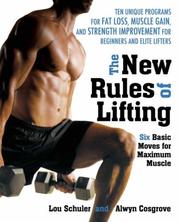
Source: Bookshelf — patrickcollison.com

Markets as a game of crowd psychology, seen through 1960s go-go Wall Street.
Source: Bookshelf — patrickcollison.com
Also recommended by: Barton Biggs, Howard Marks, Mohnish Pabrai and 4 others
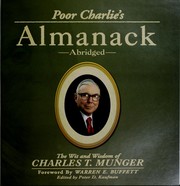
Speeches making the case for a latticework of mental models from many fields.
Source: Bookshelf — patrickcollison.com
Also recommended by: Andrew Wilkinson, Charlie Munger and 25 others

Fortune's articles by and about Buffett from 1966 to 2012, with commentary.
Source: Bookshelf — patrickcollison.com
Also recommended by: Bill Gates, Guy Spier, Mohnish Pabrai and 1 other
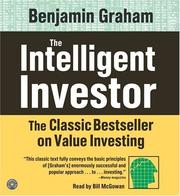
Treat stocks as parts of businesses and buy only with a margin of safety.
Source: Bookshelf — patrickcollison.com
Also recommended by: Benjamin Graham, Christopher Bloomstran and 26 others
Source: Bookshelf — patrickcollison.com

How natural selection, not a designer, produces the complexity of living things.
Source: Bookshelf — patrickcollison.com
Also recommended by: Jim Collins, Mohnish Pabrai, Charlie Munger

Source: Bookshelf — patrickcollison.com
Also recommended by: Mohnish Pabrai
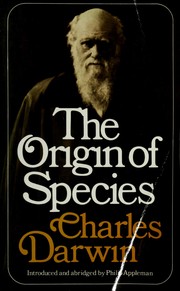
Species change over time as natural selection favours heritable variations.
Source: Bookshelf — patrickcollison.com
Also recommended by: Jim Collins, Mohnish Pabrai, Naval Ravikant and 4 others

Source: Bookshelf — patrickcollison.com
Also recommended by: Mohnish Pabrai

Short math and logic puzzles, from the mutilated chessboard to the fork in the road.
Source: Bookshelf — patrickcollison.com


Source: Bookshelf — patrickcollison.com
Also recommended by: Tucker Max

A novel of the young Einstein's dreams of different kinds of time, in 1905.
Source: Bookshelf — patrickcollison.com
Also recommended by: Eric Weinstein, Ev Williams and 1 other
A novel of Marco Polo describing imagined cities to the emperor Kublai Khan.
Source: Bookshelf — patrickcollison.com
Also recommended by: Mohnish Pabrai, Daniel Burka, Mario Gabriele

Source: Bookshelf — patrickcollison.com
Also recommended by: Sam Altman
A novel of a feudal space empire fighting over a desert planet and its spice.
Source: Bookshelf — patrickcollison.com
Also recommended by: Stewart Brand, Andrew Chen, Elon Musk and 7 others
Source: Bookshelf — patrickcollison.com
Also recommended by: Elon Musk

A dystopian novel set in Gilead, a patriarchal theocracy in near-future New England.
Source: Bookshelf — patrickcollison.com
Also recommended by: Samantha Wong

Source: Bookshelf — patrickcollison.com
Also recommended by: Naval Ravikant
Source: Bookshelf — patrickcollison.com
Also recommended by: Bret Victor, Jeff Atwood
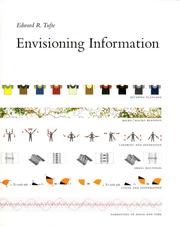
How to show complex information on flat paper or screens, with many examples.
Source: Bookshelf — patrickcollison.com
Also recommended by: Bret Victor, Jeff Atwood, Kevin Rose

Source: Bookshelf — patrickcollison.com
Also recommended by: Bret Victor, Daniel Burka, Jeff Atwood
A 20-year test of 28,000 expert forecasts: foxes with many models beat hedgehogs.
Source: Bookshelf — patrickcollison.com
Also recommended by: Marc Andreessen, Michael Mauboussin and 1 other
Rare, unforeseen, high-impact events drive history, explained only after the fact.
Source: Bookshelf — patrickcollison.com
Also recommended by: Howard Marks, Marc Andreessen, Nat Eliason and 17 others
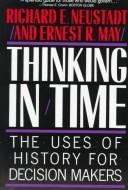
Source: Bookshelf — patrickcollison.com
Also recommended by: Stewart Brand
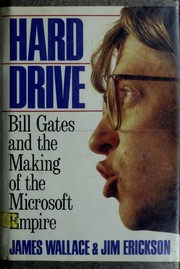
A critical history of Bill Gates and the early Microsoft, from Lakeside School on.
Source: Bookshelf — patrickcollison.com
Also recommended by: Mohnish Pabrai, Aaron Levie, Charlie Munger and 1 other
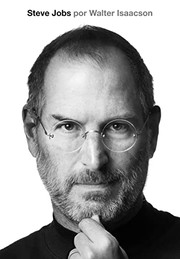
Steve Jobs's life and Apple's products, from forty interviews with him and many more.
Source: Bookshelf — patrickcollison.com
Also recommended by: Mohnish Pabrai, Andrew Wilkinson, Bill Gates and 15 others

Robert Noyce, Fairchild Semiconductor and the founding of Intel.
Source: Bookshelf — patrickcollison.com
Also recommended by: Jim Collins, Mohnish Pabrai, Warren Buffett
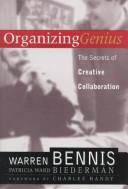
Why some groups of talented people achieve greatness and others never do.
Source: Bookshelf — patrickcollison.com
Also recommended by: Mohnish Pabrai

Insider account of restructuring JSOC for speed of decision.
Source: Bookshelf — patrickcollison.com
Also recommended by: Changpeng Zhao, Doug McMillon
Source: Bookshelf — patrickcollison.com
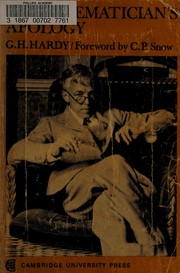
Source: Bookshelf — patrickcollison.com
Also recommended by: Paul Graham
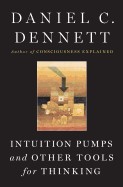
Thought experiments and other tools a philosopher uses to reason carefully.
Source: Bookshelf — patrickcollison.com
Also recommended by: Shane Parrish

Short essays on the scientific concepts most worth adopting
Source: Bookshelf — patrickcollison.com
Also recommended by: Morgan Housel
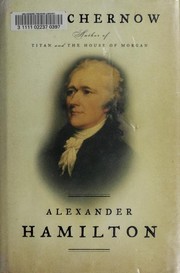
Hamilton's life from the West Indies to the Treasury and his duel with Aaron Burr.
Source: Bookshelf — patrickcollison.com
Also recommended by: Jim Collins, Antonio García Martínez and 1 other
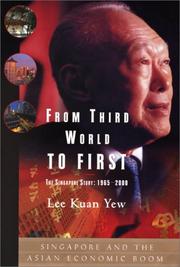
How Singapore's leaders chose policies, from courting multinationals onward.
Source: Bookshelf — patrickcollison.com
Also recommended by: Balaji S. Srinivasan, Mohnish Pabrai
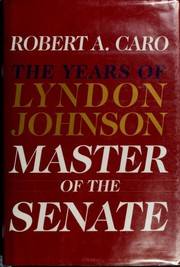
How Lyndon Johnson mastered the Senate's rules and became its majority leader.
Also recommended by: Jim Collins, Marc Andreessen
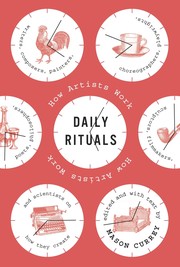
Mason Currey's portraits of how artists actually structure their days — Beethoven counting exactly sixty coffee beans, Glenn Gould's nocturnal sessions, Stravinsky's requirement for a daily constitutional before composing. More useful than it sounds: the book normalizes idiosyncratic work patterns and illustrates that there is no single formula for sustained creative output.
Source: Bookshelf — patrickcollison.com
Also recommended by: Nat Eliason, David Kadavy

How checklists stop experts in complex fields failing to apply what they know.
Source: Bookshelf — patrickcollison.com
Also recommended by: Michael Mauboussin, Mohnish Pabrai and 8 others
Source: Bookshelf — patrickcollison.com
Also recommended by: Nat Eliason, David Kadavy, Julie Zhuo

Source: Bookshelf — patrickcollison.com
Also recommended by: Mohnish Pabrai
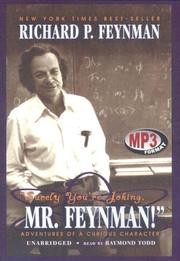
A physicist's stories, from fixing radios as a boy to Los Alamos and beyond.
Also recommended by: Brian Armstrong, Matt Mullenweg and 18 others

Boulton, Watt, Wedgwood, Erasmus Darwin and the Midlands friends who experimented.
Source: Bookshelf — patrickcollison.com
Also recommended by: Mohnish Pabrai

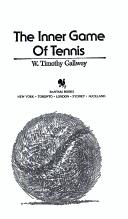
Performing under pressure by quieting the self-interference that spoils play.
Also recommended by: Bill Gates, Nat Eliason, Brad Feld

Source: Bookshelf — patrickcollison.com
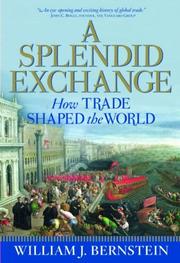
Long-distance trade from Mesopotamia and the spice routes to modern globalisation.
Source: Bookshelf — patrickcollison.com
Also recommended by: Mohnish Pabrai, Nick Szabo

Source: Bookshelf — patrickcollison.com
Also recommended by: Mohnish Pabrai
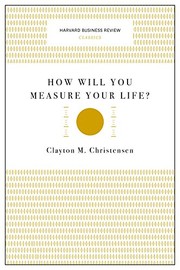
Business strategy theories applied to career, family and integrity.
Source: Bookshelf — patrickcollison.com
Also recommended by: Ali Abdaal, Mohnish Pabrai, Tony Hsieh and 5 others

Source: Bookshelf — patrickcollison.com
Also recommended by: Paul Graham

Source: Bookshelf — patrickcollison.com
Also recommended by: Ryan Holiday, Naval Ravikant
Source: Bookshelf — patrickcollison.com
Also recommended by: Ryan Holiday, Mark Zuckerberg and 1 other


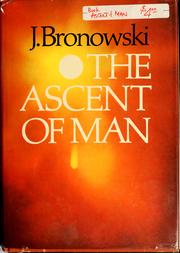
How science developed, and the discoveries that set humans apart from other species.
Source: Bookshelf — patrickcollison.com
Also recommended by: Patrick O'Shaughnessy

After the Cold War, conflict will follow cultural and religious fault lines.
Source: Bookshelf — patrickcollison.com
Also recommended by: Mohnish Pabrai, Stewart Brand, Jamie Dimon and 1 other

What makes city streets work, and how 1950s planning and slum clearance broke them.
Source: Bookshelf — patrickcollison.com
Also recommended by: Chris Dixon, Daniel Burka, Sam Altman
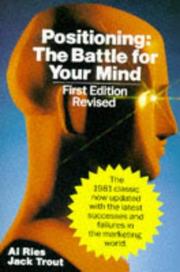
Marketing happens in the buyer's mind: find an open position there and own it.
Source: Bookshelf — patrickcollison.com
Also recommended by: Aaron Levie, David Cancel, Ev Williams and 3 others
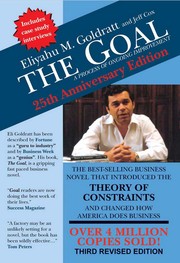
A plant manager learns that a system's output is set by its bottleneck.
Source: Bookshelf — patrickcollison.com
Also recommended by: Mohnish Pabrai, Nat Eliason, Jeff Bezos and 3 others

Knowledge workers must run their own careers by knowing their strengths and values.
Source: Bookshelf — patrickcollison.com
Also recommended by: Nat Eliason, Patrick O'Shaughnessy and 2 others
Source: Bookshelf — patrickcollison.com
Also recommended by: Nat Eliason, Kevin Rose, Steve Jobs
Source: Bookshelf — patrickcollison.com
Also recommended by: Richard Branson
Source: Bookshelf — patrickcollison.com

Debt came before money and barter, and its history is one of forgiveness and revolt.
Source: Bookshelf — patrickcollison.com
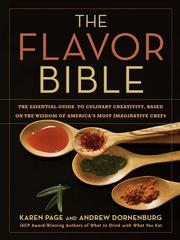
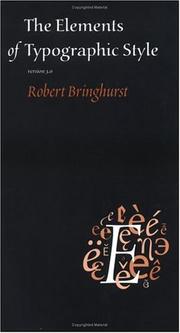
Source: Bookshelf — patrickcollison.com
Also recommended by: David Kadavy, Jeremiah Shoaf

Source: Bookshelf — patrickcollison.com
Also recommended by: Stanley McChrystal
A Data General team races to design a 32-bit minicomputer in about a year.
Source: Bookshelf — patrickcollison.com
Also recommended by: Mohnish Pabrai, Brad Feld, Fred Wilson and 2 others
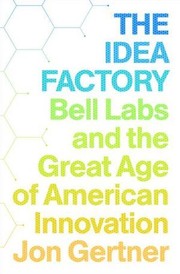
How Bell Labs turned research into the transistor, the laser and information theory.
Source: Bookshelf — patrickcollison.com
Also recommended by: Mohnish Pabrai, Mark Zuckerberg, Ron Conway

Synthesis of his mental-models framework, not a life.
Source: Bookshelf — patrickcollison.com
Also recommended by: Andrew Wilkinson, Christopher Bloomstran and 6 others
Source: Bookshelf — patrickcollison.com
Also recommended by: Bret Victor, Nassim Nicholas Taleb

Interviews with German generals of the Second World War and their military lessons.
Source: Bookshelf — patrickcollison.com
Also recommended by: Paul Graham
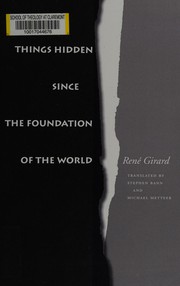
Mimetic rivalry, where rivals grow alike, and the violence it unleashes in societies.
Source: Bookshelf — patrickcollison.com
Also recommended by: Eric Weinstein, Peter Thiel

Source: Bookshelf — patrickcollison.com
Also recommended by: Eric Weinstein
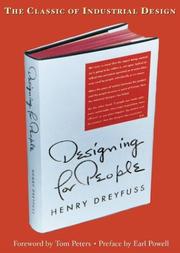
Source: Bookshelf — patrickcollison.com
Also recommended by: Bret Victor

Source: Bookshelf — patrickcollison.com
Also recommended by: Ed Cooke, Tyler Cowen

Source: Bookshelf — patrickcollison.com
Also recommended by: Marissa Mayer

Source: Bookshelf — patrickcollison.com
Also recommended by: Mohnish Pabrai, Jacqueline Novogratz

How biased samples, chosen averages and cut-off chart axes make numbers mislead.
Source: Bookshelf — patrickcollison.com
Also recommended by: Bill Gates, Mohnish Pabrai, Morgan Housel and 5 others
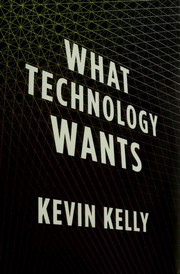
How humanity and technology together keep widening the opportunities open to people.
Source: Bookshelf — patrickcollison.com
Also recommended by: Stewart Brand, Nir Eyal
Source: Bookshelf — patrickcollison.com
Also recommended by: Brian Armstrong, Andrew Chen, Bret Victor
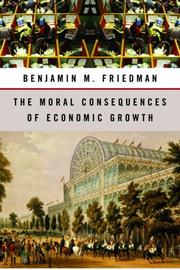
Source: Bookshelf — patrickcollison.com
Also recommended by: Mohnish Pabrai
| Advice | patrickcollison.com | |
| Culture | patrickcollison.com | |
| Dispatches | patrickcollison.com | |
| Fast | patrickcollison.com | |
| Growth | patrickcollison.com | |
| Labs | patrickcollison.com | |
| Pollution | patrickcollison.com | |
| Progress | patrickcollison.com | |
| Questions | patrickcollison.com | |
| Solar | patrickcollison.com | |
| SV history | patrickcollison.com | |
| Travel | patrickcollison.com |