
Matt Mullenweg
Web developer known as a co-founder of the free, open-source publishing software WordPress and as founder of Automattic.
 Automattic
 WordPress
300 articles · 93 books they recommend
More 22

A novel of a clerk who rewrites history under a totalitarian state that watches all.
Also recommended by: Richard Branson, David Heinemeier Hansson and 3 others

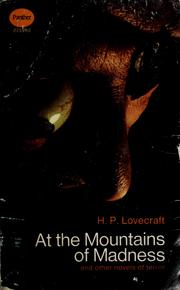

A novel of a future world where people are bred in hatcheries into contented castes.
Also recommended by: Stewart Brand, Sahil Lavingia, Sam Altman and 1 other


Nine science-fiction stories, each working through one idea with care.
Source: Books 2020-2023 — ma.tt
Also recommended by: Tim Ferriss, Andrew Chen, Jordan Hughes and 1 other

A novel: a mathematician foresees an empire's fall and plans to shorten the dark age.
Also recommended by: Balaji S. Srinivasan, Adam Gazzaley and 10 others

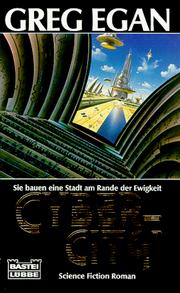
Source: Books 2020-2023 — ma.tt
Also recommended by: Naval Ravikant




A novel in which a scientist answers an alien warning and invites first contact.
Also recommended by: Nat Eliason, Sophie Bakalar and 8 others

Source: Books 2020-2023 — ma.tt

Source: Books 2020-2023 — ma.tt
Also recommended by: Bill Gates
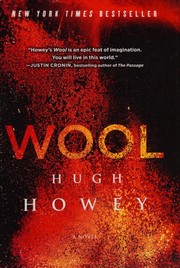
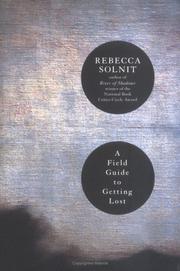
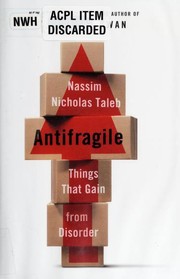
Incerto volume 4
Also recommended by: Mohnish Pabrai, Nat Eliason and 24 others

Source: Books 2020-2023 — ma.tt
Also recommended by: Andrew Wilkinson, Naval Ravikant

Also recommended by: Mohnish Pabrai
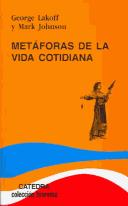
Metaphor as a basic mechanism of thought that shapes how people understand the world.
Also recommended by: Nat Eliason, Nick Szabo, Tristan Harris

A grieving man walks the Camino de Santiago after scattering his father's ashes.

Incerto volume 5
Also recommended by: Nat Eliason, Ana Fabrega, Ben Horowitz and 11 others
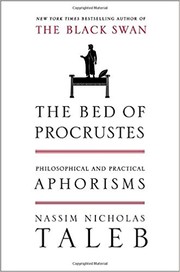
Aphorisms stating Taleb's ideas on randomness, knowledge and modern life.
Also recommended by: Nat Eliason, Ryan Holiday and 2 others


Operating manual for scaling a company from fifty to thousands
Source: Books 2020-2023 — ma.tt
Also recommended by: Balaji S. Srinivasan, Aaron Levie and 9 others
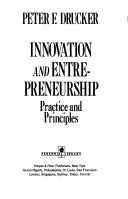
Innovation as a learnable discipline, with seven sources of opportunity to search.
Also recommended by: Patrick Collison, Patrick O'Shaughnessy

Also recommended by: Mohnish Pabrai, Ev Williams, Keith Rabois
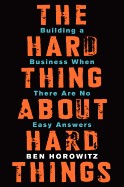
Subtitled 'Building a Business When There Are No Easy Answers'
Also recommended by: Andrew Wilkinson, Balaji S. Srinivasan and 33 others

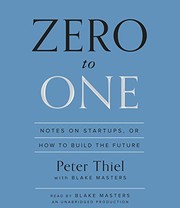
Why startups should build something new and own a small market before growing.
Also recommended by: Balaji S. Srinivasan, Eric Weinstein and 35 others
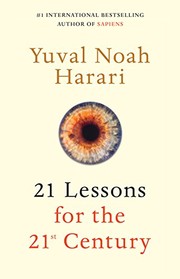
Twenty-one essays on today's challenges, from technology and politics to truth.
Also recommended by: Bill Gates, Alfred Lin, Anna Cheng and 3 others

How television turned public discourse from argument into entertainment.
Also recommended by: Nat Eliason, Keith Rabois, Patrick Collison and 2 others

Wealth, land and conservation in the American West.
Source: Books 2020-2023 — ma.tt
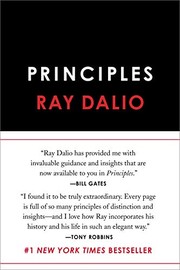
Decision rules from building Bridgewater: radical truth and radical transparency.
Also recommended by: Alfred Lin, Nat Eliason, Andrew Lokenauth and 27 others

Also recommended by: Nat Eliason, David Hellmann, Jason Fried and 2 others
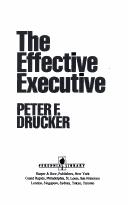
Effectiveness is learned practice: manage time, pick priorities, decide well.
Also recommended by: Ev Williams, Nat Eliason, David Cancel and 4 others

How judging firms by their results corrupts most business research and advice.
Also recommended by: Michael Mauboussin, Ev Williams
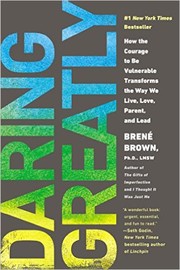
Research on shame and vulnerability, and why vulnerability comes before connection.
Also recommended by: Tony Hsieh, Brené Brown, Chase Jarvis and 3 others

Also recommended by: Tim Ferriss
Also recommended by: Arianna Huffington, Tony Hsieh

How trauma reshapes the body and brain, and the treatments that help survivors.
Source: Books 2020-2023 — ma.tt
Also recommended by: Brené Brown, Garry Tan, Mel Robbins and 1 other

Source: Books 2020-2023 — ma.tt
Also recommended by: Naval Ravikant, Peter Mallouk, Ran Segall and 1 other


Also recommended by: Kevin Rose, Nick Thompson
A jazz pianist's memoir of Tourette's, a music career and surviving a rare cancer.
Source: Books 2020-2023 — ma.tt
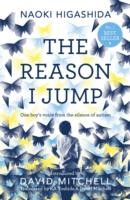
Source: Books 2020-2023 — ma.tt
Also recommended by: Mohnish Pabrai
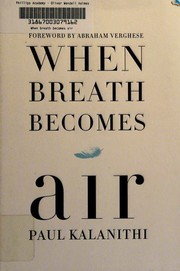
A neurosurgeon diagnosed with lung cancer at 36 asks what makes life worth living.
Also recommended by: Bill Gates, Mohnish Pabrai, Morgan Housel and 10 others
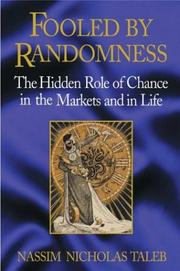
Why people mistake luck for skill, above all in markets.
Also recommended by: Barton Biggs, Michael Mauboussin and 10 others
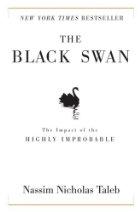
Rare, unforeseen, high-impact events drive history, explained only after the fact.
Also recommended by: Howard Marks, Marc Andreessen, Nat Eliason and 17 others

Also recommended by: Ana Fabrega, Chamath Palihapitiya, Jenny Chu and 1 other

Harari's concern — that humans may cede decision-making to opaque systems through preference rather than coercion — reframes the alignment problem as a cultural and political challenge, not only a technical one. Less rigorous than Bostrom or Russell, but more widely read, making it a useful lens for understanding public discourse.
Also recommended by: Andrew Wilkinson, Bill Gates, Nat Eliason and 6 others

How shared fictions such as money, nations and gods let humans cooperate at scale.
Also recommended by: Andrew Wilkinson, Bill Gates, Mohnish Pabrai and 37 others
A contemporary's account of the long war between Athens and Sparta.
Also recommended by: Ryan Holiday, Ray Dalio, Satya Nadella

A method for finding the few activities that matter and dropping the rest.
Source: Books 2020-2023 — ma.tt
Also recommended by: Nat Eliason, Ran Segall, Sophie Bakalar and 9 others

Short pieces of advice on living, goals, generosity, careers, family and money.
Source: Books 2020-2023 — ma.tt
Also recommended by: Andrew Wilkinson
Writing advice focused on the fears and habits that stop people writing.
Also recommended by: Balaji S. Srinivasan, Maria Popova and 7 others


A manual for non-fiction: clear writing comes from clear thinking.
Also recommended by: Nat Eliason, Derek Sivers, George Hatzis and 1 other


The telecom capex bubble, with Ebbers and WorldCom at its centre.
Source: Books 2020-2023 — ma.tt
Amazon's first two decades, from an online bookshop to selling nearly everything.
Also recommended by: Andrew Wilkinson, Mohnish Pabrai and 6 others

Source: Books 2020-2023 — ma.tt
Also recommended by: Austin Rief, Keith Rabois, Reed Hastings

Culture is how people behave when the leader is absent, and must be designed.
Source: Books 2020-2023 — ma.tt
Also recommended by: Andrew Chen, Anu Hariharan, Marc Andreessen and 1 other

Four steps to speak without blame: observations, feelings, needs and requests.
Also recommended by: Andrew Wilkinson, Dustin Moskovitz and 2 others

Why some words persuade and others fail, from a political pollster.
Also recommended by: Nat Eliason, Tim Ferriss, Tristan Harris


Source: Books 2020-2023 — ma.tt
Also recommended by: Naval Ravikant
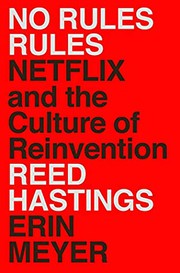
How Netflix built talent density and candour so it could remove controls.
Source: Books 2020-2023 — ma.tt
Also recommended by: Alex Lieberman, Ben Horowitz, Guy Spier and 1 other

Second-level thinking, risk and market cycles, drawn from Oaktree's client memos.
Source: Books 2020-2023 — ma.tt
Also recommended by: Mohnish Pabrai, Nat Eliason and 3 others

Source: Books 2020-2023 — ma.tt
Also recommended by: Tim Ferriss, Stewart Brand

How Bill Campbell coached the leaders of Google, Apple and Intuit.
Source: Books 2020-2023 — ma.tt
Also recommended by: Bryant Chou, Patrick Bet-David, Ruth Porat and 3 others
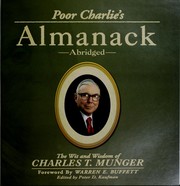
Speeches making the case for a latticework of mental models from many fields.
Also recommended by: Andrew Wilkinson, Charlie Munger and 25 others

Source: Books 2020-2023 — ma.tt
Also recommended by: Bryan Johnson


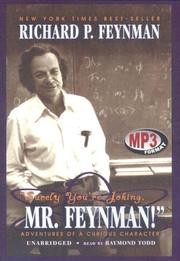
A physicist's stories, from fixing radios as a boy to Los Alamos and beyond.
Source: Books 2020-2023 — ma.tt
Also recommended by: Brian Armstrong, Mohnish Pabrai, Bill Gates and 17 others

| Anthropic Employment | Matt Mullenweg | 2026-10-17 |
| Florence Sunset | Matt Mullenweg | 2026-10-16 |
| Pushing Standards | Matt Mullenweg | 2026-10-15 |
| RIP Eric Binnion | Matt Mullenweg | 2026-10-13 |
| Neal Stephenson Live! | Matt Mullenweg | 2026-10-13 |
| Board Agent | Matt Mullenweg | 2026-10-13 |
| Beeper MCP | Matt Mullenweg | 2026-10-05 |
| Bruce Schneier on Systems | Matt Mullenweg | 2026-09-25 |
| OmFest: A Celebration of Curiosity, Connection, and the Future | Matt Mullenweg | 2026-09-16 |
| Mirene | Matt Mullenweg | 2026-09-16 |
| Major Life Announcement | Matt Mullenweg | 2026-09-11 |
| Scanning Plugins | Matt Mullenweg | 2026-09-10 |
| BM Snaps | Matt Mullenweg | 2026-09-02 |
| Homework from WordCamp | Matt Mullenweg | 2026-08-20 |
| Surprise DM | Matt Mullenweg | 2026-08-18 |
| Student Plan | Matt Mullenweg | 2026-08-18 |
| Me.sh on Android | Matt Mullenweg | 2026-08-13 |
| Beeper Merge | Matt Mullenweg | 2026-08-11 |
| OmFest Registration | Matt Mullenweg | 2026-08-10 |
| Super-organized | Matt Mullenweg | 2026-08-09 |
| Toni on Verge | Matt Mullenweg | 2026-08-07 |
| Our Core Division | Matt Mullenweg | 2026-08-06 |
| AutoMattBot | Matt Mullenweg | 2026-08-05 |
| Michel the GOAT | Matt Mullenweg | 2026-08-04 |
| Gabriel Dawe | Matt Mullenweg | 2026-08-03 |
| Tesla Spyware | Matt Mullenweg | 2026-07-31 |
| Possible Futures of Happiness | Matt Mullenweg | 2026-07-30 |
| Jose-Miguel x Ryo Fukui | Matt Mullenweg | 2026-07-28 |
| How ISO Works | Matt Mullenweg | 2026-07-25 |
| AI Slop | Matt Mullenweg | 2026-07-22 |
| Important Security Update | Matt Mullenweg | 2026-07-17 |
| Code for the People | Matt Mullenweg | 2026-07-08 |
| USA 250 | Matt Mullenweg | 2026-07-04 |
| Om Links | Matt Mullenweg | 2026-06-27 |
| All Roads Lead to Om | Matt Mullenweg | 2026-06-25 |
| No Bubble | Matt Mullenweg | 2026-06-23 |
| Hill For A Stepper | Matt Mullenweg | 2026-06-21 |
| Death by PowerPoint | Matt Mullenweg | 2026-06-20 |
| Best Trash | Matt Mullenweg | 2026-06-20 |
| Midjourney Medical | Matt Mullenweg | 2026-06-19 |
| Audio Wars | Matt Mullenweg | 2026-06-16 |
| Assorted Links | Matt Mullenweg | 2026-06-15 |
| WCEU | Matt Mullenweg | 2026-06-05 |
| Bee Champion | Matt Mullenweg | 2026-06-01 |
| Maybe | Matt Mullenweg | 2026-05-30 |
| RIP Sonny Rollins | Matt Mullenweg | 2026-05-26 |
| TheOpenSource | Matt Mullenweg | 2026-04-06 |
| Easter Thoughts | Matt Mullenweg | 2026-04-05 |
| Turn Every Page | Matt Mullenweg | 2026-04-04 |
| Pedro Franceschi | Matt Mullenweg | 2026-04-03 |
| EmDash Feedback | Matt Mullenweg | 2026-04-02 |
| Taxonomist | Matt Mullenweg | 2026-04-01 |
| JAŸ-Z Returns | Matt Mullenweg | 2026-03-29 |
| Community Antibodies | Matt Mullenweg | 2026-03-28 |
| Stockfish | Matt Mullenweg | 2026-03-28 |
| Ari & X | Matt Mullenweg | 2026-03-25 |
| Beautiful Hack | Matt Mullenweg | 2026-03-24 |
| WP.com MCP | Matt Mullenweg | 2026-03-23 |
| Miriam’s Sweet Site | Matt Mullenweg | 2026-03-22 |
| Bay Lights are Back! | Matt Mullenweg | 2026-03-20 |
| Introducing Me.sh | Matt Mullenweg | 2026-03-20 |
| Song Creation | Matt Mullenweg | 2026-03-14 |
| New Headphones | Matt Mullenweg | 2026-03-13 |
| Selling Your Company | Matt Mullenweg | 2026-03-13 |
| Tumblr Unblocked | Matt Mullenweg | 2026-03-12 |
| Popping Bottles | Matt Mullenweg | 2026-03-12 |
| WordPress Everywhere | Matt Mullenweg | 2026-03-11 |
| Gone (Almost) Phishin’ | Matt Mullenweg | 2026-03-09 |
| Declaration of the Independence | Matt Mullenweg | 2026-03-07 |
| Bar Gyu x Wapuu | Matt Mullenweg | 2026-03-05 |
| Emacs | Matt Mullenweg | 2026-03-03 |
| Sunday Links | Matt Mullenweg | 2026-03-01 |
| Enablement | Matt Mullenweg | 2026-02-26 |
| Great Writing | Matt Mullenweg | 2026-02-25 |
| Claude & Sonos | Matt Mullenweg | 2026-02-22 |
| WordPress, AI, plugins, future of software engineering | Matt Mullenweg | 2026-02-20 |
| WP & AI Updates | Matt Mullenweg | 2026-02-18 |
| Boris Cherny | Matt Mullenweg | 2026-02-17 |
| High Agency | Matt Mullenweg | 2026-02-15 |
| Misaligned PRs | Matt Mullenweg | 2026-02-13 |
| Something Big | Matt Mullenweg | 2026-02-11 |
| AI Disruption | Matt Mullenweg | 2026-02-10 |
| Leadership at the Peak | Matt Mullenweg | 2026-02-09 |
| What a Week | Matt Mullenweg | 2026-01-27 |
| Cancer Founder Mode | Matt Mullenweg | 2026-01-20 |
| AI Psychosis | Matt Mullenweg | 2026-01-19 |
| Bob Weir | Matt Mullenweg | 2026-01-18 |
| Bacon Egg Cheese | Matt Mullenweg | 2026-01-17 |
| A Better Writer | Matt Mullenweg | 2026-01-16 |
| Do the Woo | Matt Mullenweg | 2026-01-14 |
| Remembering Jesus Ornelas | Matt Mullenweg | 2026-01-13 |
| Shorter Speech | Matt Mullenweg | 2026-01-12 |
| Matt 4.2 | Matt Mullenweg | 2026-01-11 |
| Classical Accordian | Matt Mullenweg | 2026-01-10 |
| Mad Ones | Matt Mullenweg | 2026-01-09 |
| Small Hit | Matt Mullenweg | 2026-01-08 |
| Beeper & Day One | Matt Mullenweg | 2026-01-07 |
| Find My Update | Matt Mullenweg | 2026-01-06 |
| Find My Upgrade | Matt Mullenweg | 2026-01-04 |
| Jackson Kiddard | Matt Mullenweg | 2026-01-03 |
| Two Links | Matt Mullenweg | 2026-01-02 |
| Happy New Year | Matt Mullenweg | 2026-01-01 |
| Riley Walz | Matt Mullenweg | 2025-12-23 |
| Wolfram Automattica | Matt Mullenweg | 2025-12-18 |
| The Thinking Game | Matt Mullenweg | 2025-12-17 |
| Beware Unearned Wisdom | Matt Mullenweg | 2025-12-16 |
| Cloudflare CMS Stats | Matt Mullenweg | 2025-12-15 |
| Nex Playground | Matt Mullenweg | 2025-12-14 |
| Apple iWeb | Matt Mullenweg | 2025-12-13 |
| Winter Fun | Matt Mullenweg | 2025-12-12 |
| Aldeas | Matt Mullenweg | 2025-12-11 |
| Year-end | Matt Mullenweg | 2025-12-10 |
| Dries OSS | Matt Mullenweg | 2025-12-09 |
| DHH & Open Source | Matt Mullenweg | 2025-12-08 |
| Happy Birthday Kinsey | Matt Mullenweg | 2025-12-07 |
| Self-driving | Matt Mullenweg | 2025-12-06 |
| AI Native | Matt Mullenweg | 2025-12-05 |
| Unifi 5G | Matt Mullenweg | 2025-12-04 |
| State of the Word | Matt Mullenweg | 2025-12-02 |
| SoTW Eve | Matt Mullenweg | 2025-12-01 |
| Thanksgiving Sunday | Matt Mullenweg | 2025-11-30 |
| Werner Predictions | Matt Mullenweg | 2025-11-29 |
| SF WordPress Party | Matt Mullenweg | 2025-11-28 |
| Thanksgiving | Matt Mullenweg | 2025-11-27 |
| Austin Meshtastic | Matt Mullenweg | 2025-11-26 |
| 3D Printing Wowza | Matt Mullenweg | 2025-11-25 |
| Jeff Dean AI Club talk | Matt Mullenweg | 2025-11-24 |
| Flying From SFO | Matt Mullenweg | 2025-11-23 |
| Vogelstein on AI | Matt Mullenweg | 2025-11-22 |
| Friday Links | Matt Mullenweg | 2025-11-21 |
| In Memoriam | Matt Mullenweg | 2025-11-20 |
| Gemini & FSD | Matt Mullenweg | 2025-11-19 |
| Rothko Chapel Garden | Matt Mullenweg | 2025-11-16 |
| Kanye’s Back | Matt Mullenweg | 2025-11-14 |
| Buffett Thanksgiving | Matt Mullenweg | 2025-11-11 |
| Bending Spoons | Matt Mullenweg | 2025-11-10 |
| Meshtastic | Matt Mullenweg | 2025-11-09 |
| Ben on Bubbles | Matt Mullenweg | 2025-11-08 |
| Kaycee Nicole | Matt Mullenweg | 2025-11-07 |
| Conversation with John Borthwick | Matt Mullenweg | 2025-11-06 |
| Post-talk Recs | Matt Mullenweg | 2025-11-05 |
| Andrej on Dwarkesh | Matt Mullenweg | 2025-11-04 |
| Jetpack Saves | Matt Mullenweg | 2025-11-03 |
| Chop Wood, Carry Water | Matt Mullenweg | 2025-11-02 |
| Creed Update | Matt Mullenweg | 2025-11-01 |
| Wayback Machine Joint | Matt Mullenweg | 2025-10-31 |
| 50k Bounty | Matt Mullenweg | 2025-10-30 |
| Haiku | Matt Mullenweg | 2025-10-29 |
| Grokipedia | Matt Mullenweg | 2025-10-28 |
| AI NYC Event | Matt Mullenweg | 2025-10-27 |
| Time Zones | Matt Mullenweg | 2025-10-26 |
| November Atlantic | Matt Mullenweg | 2025-10-25 |
| Automattic 20 & Counter-claims | Matt Mullenweg | 2025-10-24 |
| Under the Weather | Matt Mullenweg | 2025-10-23 |
| New Woo | Matt Mullenweg | 2025-10-22 |
| To Cut A Pineapple | Matt Mullenweg | 2025-10-21 |
| Simplify | Matt Mullenweg | 2025-10-20 |
| Make No Little Plans | Matt Mullenweg | 2025-10-19 |
| Albumin | Matt Mullenweg | 2025-10-18 |
| WordCamp Canada Talk | Matt Mullenweg | 2025-10-17 |
| On Money Stuff | Matt Mullenweg | 2025-10-16 |
| The Curse of the Muse | Matt Mullenweg | 2025-10-15 |
| D’Angelo & Diane | Matt Mullenweg | 2025-10-14 |
| Nanochat & MCP | Matt Mullenweg | 2025-10-13 |
| Last Ball | Matt Mullenweg | 2025-10-12 |
| In Canada | Matt Mullenweg | 2025-10-11 |
| Twitter Hacked | Matt Mullenweg | 2025-10-10 |
| Jeremy Kranz and Sentinel | Matt Mullenweg | 2025-10-10 |
| Kathy Sierra | Matt Mullenweg | 2025-10-09 |
| Battery Scan | Matt Mullenweg | 2025-10-08 |
| Tim & Pablos | Matt Mullenweg | 2025-10-07 |
| Beeper Updates | Matt Mullenweg | 2025-10-06 |
| Telegram and Weird Al | Matt Mullenweg | 2025-10-05 |
| Greenwashing | Matt Mullenweg | 2025-10-04 |
| Linkrot | Matt Mullenweg | 2025-10-03 |
| Blocktober | Matt Mullenweg | 2025-10-02 |
| Fight For Open | Matt Mullenweg | 2025-10-01 |
| What’s Your Time? | Matt Mullenweg | 2025-09-30 |
| Om 59 | Matt Mullenweg | 2025-09-29 |
| Craft vs Slop | Matt Mullenweg | 2025-09-28 |
| Saturday Shares | Matt Mullenweg | 2025-09-27 |
| Five Publications I’d Love on WordPress | Matt Mullenweg | 2025-09-26 |
| Harry Mack | Matt Mullenweg | 2025-09-25 |
| Telex Remixes | Matt Mullenweg | 2025-09-24 |
| Ruby Drama | Matt Mullenweg | 2025-09-23 |
| Post-Earthquake Tea Grit | Matt Mullenweg | 2025-09-22 |
| Work With Music | Matt Mullenweg | 2025-09-21 |
| Books on Grieving | Matt Mullenweg | 2025-09-20 |
| MCP Everywhere | Matt Mullenweg | 2025-09-19 |
| Every 6 Minutes | Matt Mullenweg | 2025-09-17 |
| United Starlink | Matt Mullenweg | 2025-09-16 |
| Retention | Matt Mullenweg | 2025-09-15 |
| Weekend YouTubes | Matt Mullenweg | 2025-09-14 |
| Old Business Cards | Matt Mullenweg | 2025-09-13 |
| Legal Win | Matt Mullenweg | 2025-09-12 |
| Really Simple Licensing | Matt Mullenweg | 2025-09-11 |
| Account for Externalities | Matt Mullenweg | 2025-09-11 |
| PostHog | Matt Mullenweg | 2025-09-11 |
| On WP Product Talk | Matt Mullenweg | 2025-09-10 |
| Techmeme 20 | Matt Mullenweg | 2025-09-09 |
| Assorted Links | Matt Mullenweg | 2025-09-08 |
| Maker Taker | Matt Mullenweg | 2025-09-07 |
| Breaking Ribs | Matt Mullenweg | 2025-09-06 |
| Happy Birthday Anil | Matt Mullenweg | 2025-09-05 |
| Simon Says | Matt Mullenweg | 2025-09-04 |
| God & Devil Debate HI | Matt Mullenweg | 2025-09-03 |
| Are you a WordPresser? | Matt Mullenweg | 2025-09-02 |
| Fact Checkers | Matt Mullenweg | 2025-09-01 |
| Summer WordPress Update | Matt Mullenweg | 2025-08-30 |
| Think Different | Matt Mullenweg | 2025-08-28 |
| The Future of WordPress and AI at WCUS | Matt Mullenweg | 2025-08-25 |
| Coyote Card Game | Matt Mullenweg | 2025-08-20 |
| MCP NYC Hackathon | Matt Mullenweg | 2025-08-19 |
| WP.com Simplification | Matt Mullenweg | 2025-08-13 |
| Haitian Times on Newspack | Matt Mullenweg | 2025-08-12 |
| Beeper and Automattic 20 | Matt Mullenweg | 2025-07-30 |
| Back on The Verge | Matt Mullenweg | 2025-06-30 |
| Alpha School Insider | Matt Mullenweg | 2025-06-26 |
| Automattic Twenty | Matt Mullenweg | 2025-06-20 |
| Alfred-like Shortcuts in Spotlight | Matt Mullenweg | 2025-06-18 |
| Play With Clay | Matt Mullenweg | 2025-06-12 |
| The Five Layers of Sharing Thoughts and Ideas | Matt Mullenweg | 2025-05-27 |
| Jony Ive & Patrick Collison | Matt Mullenweg | 2025-05-15 |
| Upcoming Talks | Matt Mullenweg | 2025-05-13 |
| Remember Gravatar? | Matt Mullenweg | 2025-05-06 |
| Berkshire Hathaway Meeting | Matt Mullenweg | 2025-05-02 |
| Reflecting | Matt Mullenweg | 2025-04-23 |
| Greatest Hits | Matt Mullenweg | 2025-04-19 |
| 6.8 | Matt Mullenweg | 2025-04-17 |
| AI Site Builder | Matt Mullenweg | 2025-04-09 |
| Automattic Operating System | Matt Mullenweg | 2025-03-21 |
| Radiohead | Matt Mullenweg | 2025-03-19 |
| Dalio & Benioff in Singapore | Matt Mullenweg | 2025-03-15 |
| Real WordPress Security | Matt Mullenweg | 2025-03-08 |
| On Lenny’s Podcast | Matt Mullenweg | 2025-03-04 |
| WordCamp Asia and Maha Kumbh Mela | Matt Mullenweg | 2025-02-21 |
| Sun and shadows | Matt Mullenweg | 2025-02-17 |
| Scale | Matt Mullenweg | 2025-02-13 |
| Hash tables | Matt Mullenweg | 2025-02-12 |
| Ed Catmull on Change | Matt Mullenweg | 2025-02-09 |
| On Logan Bartlett Show | Matt Mullenweg | 2025-02-07 |
| My First Million | Matt Mullenweg | 2025-02-01 |
| Boom & Deepseek | Matt Mullenweg | 2025-01-28 |
| What’s in My Bag, 2025 | Matt Mullenweg | 2025-01-20 |
| Matt 4.1 | Matt Mullenweg | 2025-01-11 |
| Status Quo | Matt Mullenweg | 2025-01-10 |
| Studio Sync | Matt Mullenweg | 2025-01-08 |
| Inc Hit Piece | Matt Mullenweg | 2024-12-19 |
| Falling Snow | Matt Mullenweg | 2024-12-18 |
| State of the Word Tokyo | Matt Mullenweg | 2024-12-15 |
| UH Magazine, Revisiting My Alma Mater | Matt Mullenweg | 2024-12-15 |
| DrupalCon Singapore | Matt Mullenweg | 2024-12-09 |
| WPAI | Matt Mullenweg | 2024-12-09 |
| Bezos at Dealbook | Matt Mullenweg | 2024-12-07 |
| Age-gating | Matt Mullenweg | 2024-11-29 |
| Carmack & Rogan | Matt Mullenweg | 2024-11-26 |
| Welcoming Harper | Matt Mullenweg | 2024-11-21 |
| Observer Article | Matt Mullenweg | 2024-11-18 |
| RIP Quincy Jones | Matt Mullenweg | 2024-11-11 |
| I Voted! | Matt Mullenweg | 2024-11-05 |
| Michael Palmisano on Collier | Matt Mullenweg | 2024-11-03 |
| Disrupt Interview | Matt Mullenweg | 2024-11-01 |
| GPL Clarification | Matt Mullenweg | 2024-11-01 |
| Kindness and Techcrunch Disrupt | Matt Mullenweg | 2024-10-28 |
| My Freedom of Speech | Matt Mullenweg | 2024-10-20 |
| Cloudflare Stories | Matt Mullenweg | 2024-10-19 |
| Response to DHH | Matt Mullenweg | 2024-10-14 |
| Everyone’s An Owner | Matt Mullenweg | 2024-10-12 |
| Rhino Dehorning | Matt Mullenweg | 2024-10-07 |
| CNBC on WP Engine | Matt Mullenweg | 2024-10-05 |
| Automattic Alignment | Matt Mullenweg | 2024-10-03 |
| On with Theo / T3.gg | Matt Mullenweg | 2024-09-29 |
| Where is Lee Wittlinger? | Matt Mullenweg | 2024-09-28 |
| Multidots Support | Matt Mullenweg | 2024-09-27 |
| On ThePrimeagen | Matt Mullenweg | 2024-09-26 |
| WPE & Trademarks | Matt Mullenweg | 2024-09-26 |
| Charitable Contributions | Matt Mullenweg | 2024-09-25 |
| On WP Engine | Matt Mullenweg | 2024-09-21 |
| Are Investors Bad? | Matt Mullenweg | 2024-09-20 |
| WordCamp US & Ecosystem Thinking | Matt Mullenweg | 2024-09-17 |
| Inside Out 2 | Matt Mullenweg | 2024-09-11 |
| Timex Datalink | Matt Mullenweg | 2024-09-07 |
| Happy Birthday Stephen! | Matt Mullenweg | 2024-08-30 |
| Burning Man So Far | Matt Mullenweg | 2024-08-29 |
| People Wanted | Matt Mullenweg | 2024-08-28 |
| Best Cities | Matt Mullenweg | 2024-08-23 |
| Anbernic, Sol, and Daylight | Matt Mullenweg | 2024-08-20 |
| Jeff Jarvis | Matt Mullenweg | 2024-08-19 |
| Happy Birthday, Charleen | Matt Mullenweg | 2024-07-21 |
| Jim Simons RIP | Matt Mullenweg | 2024-07-20 |
| 6.6 | Matt Mullenweg | 2024-07-16 |
| WordCamp Europe | Matt Mullenweg | 2024-06-14 |
| Apple Intelligence | Matt Mullenweg | 2024-06-10 |
| Gravatar is Back | Matt Mullenweg | 2024-06-09 |
| Cowen Life Lessons | Matt Mullenweg | 2024-06-08 |
| Melt Your Butter | Matt Mullenweg | 2024-06-03 |
| WP21 | Matt Mullenweg | 2024-05-27 |
| Sabbatical Wrap | Matt Mullenweg | 2024-05-15 |
| Karaoke Hacks | Matt Mullenweg | 2024-05-14 |
| Bay Lights Are Returning! | Matt Mullenweg | 2024-05-09 |