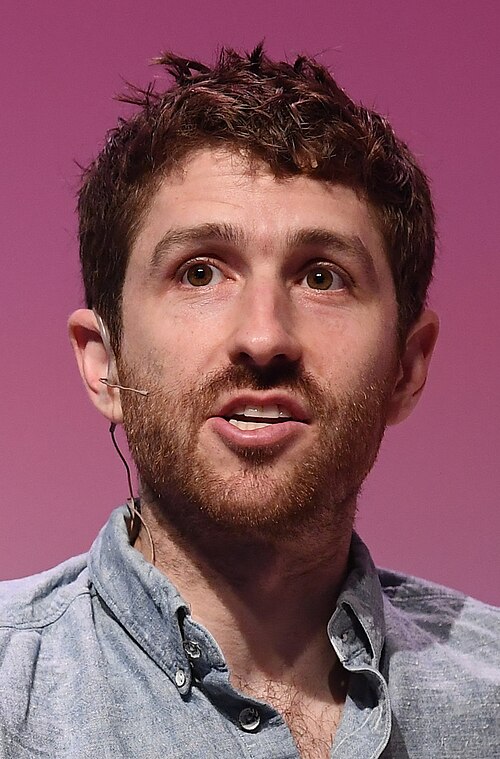
Tristan Harris
Technology ethicist who appeared in the Netflix documentary The Social Dilemma, explaining how social media design breeds addiction to raise profit and steers users' views and emotions.
 Center for Humane Technology
4 articles · 20 books they recommend · 37 appearances
More 5
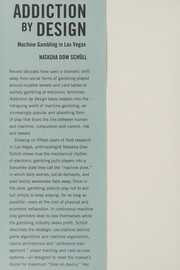
How slot machines are designed to keep gamblers playing longer.
Also recommended by: Nir Eyal
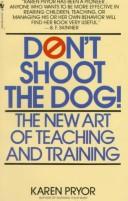
Behavioural training methods for animals and people, explained with examples.
Also recommended by: Naval Ravikant, Nir Eyal, Tim Ferriss
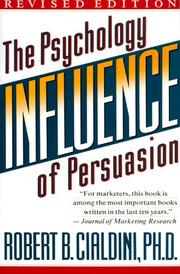
Six principles of compliance, from reciprocity to scarcity, and how sellers use them.
Also recommended by: Andrew Wilkinson, Charlie Munger and 28 others
Experiments showing that people depart from rational choice in repeatable ways.
Also recommended by: Mohnish Pabrai, Alfred Lin, Anna Cheng and 5 others
Also recommended by: Ali Abdaal, Jackie Vullinghs, Tyler Cowen
Self-control as a physical capacity, and how to build it, from a Stanford course.
Also recommended by: Mohnish Pabrai, Nat Eliason, Jane McGonigal and 1 other
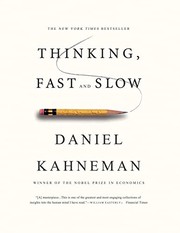
Kahneman's synthesis of behavioral economics is the cognitive science underpinning every negotiation tactic. Anchoring, loss aversion, framing effects, and the planning fallacy — understanding why these biases operate, not just that they exist, makes you harder to exploit and more honest about your own irrationality.
Also recommended by: Andrew Wilkinson, Charles de Vaulx and 31 others
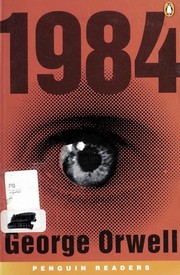
A novel of a clerk who rewrites history under a totalitarian state that watches all.
Also recommended by: Richard Branson, David Heinemeier Hansson and 3 others
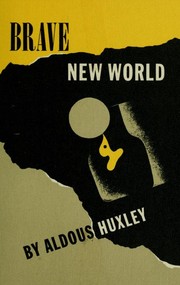
A novel of a future world where people are bred in hatcheries into contented castes.
Also recommended by: Stewart Brand, Matt Mullenweg and 2 others
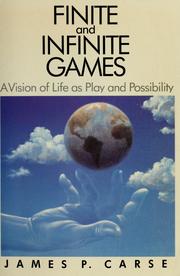
Finite games are played to win; infinite games are played to keep playing.
Also recommended by: Nat Eliason, Daniel Gross, Derek Sivers and 7 others
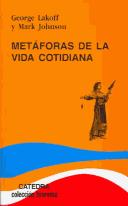
Metaphor as a basic mechanism of thought that shapes how people understand the world.
Also recommended by: Nat Eliason, Matt Mullenweg, Nick Szabo
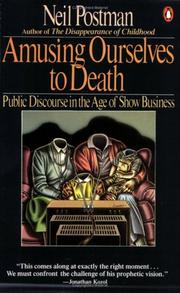
How television turned public discourse from argument into entertainment.
Also recommended by: Nat Eliason, Keith Rabois, Matt Mullenweg and 2 others
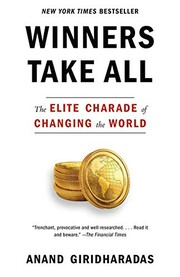
How the global elite's efforts to change the world keep the status quo in place.
Also recommended by: Alexis Ohanian, Vinod Khosla
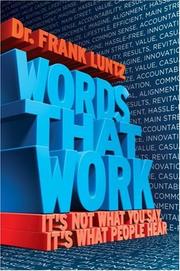
Why some words persuade and others fail, from a political pollster.
Also recommended by: Nat Eliason, Matt Mullenweg, Tim Ferriss
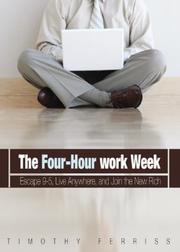
Tim Ferriss's book belongs on a personal-finance list not for its investment advice but for its income argument: the fastest way to reach financial independence may be redesigning how and where you work rather than cutting spending to the bone. The 'new rich' framework is deliberately provocative, and the specific tactics age poorly, but the income-side case remains underweighted in most FIRE writing.
Also recommended by: Andrew Wilkinson, Ev Williams and 19 others

Twenty-two rules of marketing, such as being first is better than being better.
Also recommended by: Brian Armstrong, Mohnish Pabrai, Nat Eliason and 2 others
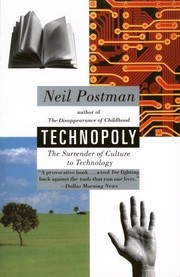
How a culture hands its judgement to machines, statistics and technical experts.
Also recommended by: Patrick Collison
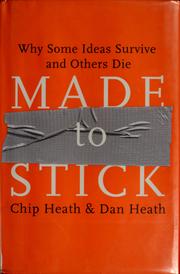
Six traits of memorable ideas, from simple and unexpected to emotional stories.
Also recommended by: Andrew Wilkinson, Mohnish Pabrai and 9 others
| It’s Time to Redesign the Attention Economy (Part I) | Medium | 2017-04-09 |
| How Technology is Hijacking Your Mind — from a Former Insider | Medium | 2016-05-18 |
| Tech Companies Are Designing Your Life — Here’s Why You Should Care | Medium | 2016-03-07 |
| How to Unhijack Your Mind from Your Phone | Medium | 2016-01-27 |
| Tristan Harris: Tech Is ‘Downgrading Humans.’ It’s Time to Fight Back Paywall | WIRED | 2019 |
| The Binge Breaker Paywall | The Atlantic | 2016 |