Ali Abdaal
Doctor turned entrepreneur and YouTuber who wrote the New York Times bestseller Feel-Good Productivity.
72 articles · 45 books they recommend
More 10
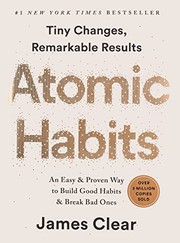
Build habits by making them obvious, attractive, easy and satisfying.

Get commitments out of your head into a trusted system, and decide next actions.
Also recommended by: Andrew Wilkinson, Tony Hsieh and 5 others
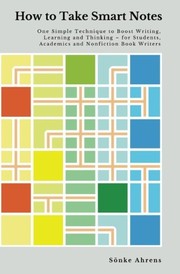
Also recommended by: Nat Eliason

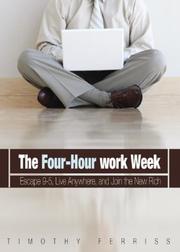
Tim Ferriss's book belongs on a personal-finance list not for its investment advice but for its income argument: the fastest way to reach financial independence may be redesigning how and where you work rather than cutting spending to the bone. The 'new rich' framework is deliberately provocative, and the specific tactics age poorly, but the income-side case remains underweighted in most FIRE writing.
Also recommended by: Andrew Wilkinson, Ev Williams and 19 others
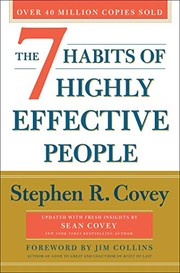
Seven habits, from being proactive to win-win, that build personal effectiveness.
Also recommended by: Andrew Wilkinson, Jim Collins and 9 others
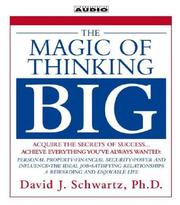
The size of your thinking sets the size of your results, and how to think bigger.


Alfred Adler's psychology taught through five nights of dialogue.

Hanson and Simler make the most provocative claim in this list: that self-deception is not a flaw but an adaptive strategy — we hide our real motives from ourselves so we can more convincingly hide them from others. If true, the entire bias-correction project has a ceiling. This book belongs at the end so it reframes everything before it.
Also recommended by: Nat Eliason, Emmett Shear, Julian Shapiro and 2 others

Also recommended by: Jackie Vullinghs, Tristan Harris and 1 other
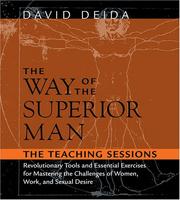
Also recommended by: Iman Gadzhi, Nat Eliason, Naval Ravikant

Lessons from building CD Baby from a side project to an $85 million business.
Also recommended by: Nat Eliason, Paul Jarvis, Sahil Lavingia and 1 other
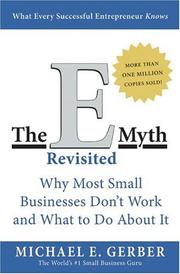
Small firms fail when technicians run them; build systems that run the business.
Also recommended by: Alex Lieberman, Andrew Wilkinson and 6 others
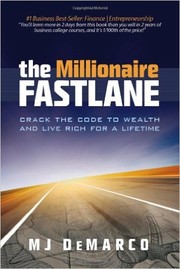
Why jobs, 401(k)s and frugality are a slow lane, and business ownership a fast one.
Also recommended by: Nat Eliason
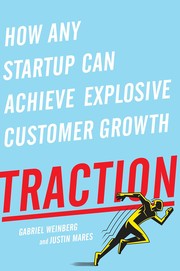
Also recommended by: Nat Eliason, Alex Lieberman, Alexis Ohanian and 6 others

A fable of two rival firms showing why organisational health beats clever strategy.
Also recommended by: Mohnish Pabrai, Brian Armstrong

An operating manual for founders scaling from a few people to a few hundred.
Also recommended by: Nat Eliason, Alexis Ohanian and 4 others
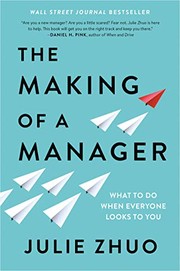
What a new manager needs to know about leading people, meetings, hiring and feedback.

Also recommended by: Tim Ferriss, Brian Armstrong

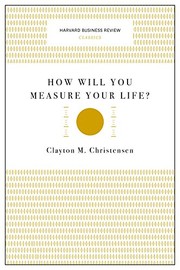
Business strategy theories applied to career, family and integrity.

Also recommended by: Nat Eliason

MacAskill's longtermist argument, grounded in effective altruism, is the most rigorous philosophical case for prioritizing future people. His core claim — that if the future contains vast numbers of people, influencing its trajectory matters more than almost anything we might do for the present — is informed by Derek Parfit's work on personal identity and is the most demanding version of the long-term thinking argument.
Also recommended by: Andrew Wilkinson
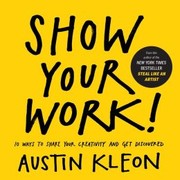
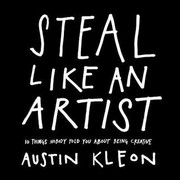
Ten short lessons on creative work: nothing is original, so copy well.
Also recommended by: Mohnish Pabrai, Alex and Books, Chase Jarvis and 1 other

Pressfield's book on resistance applies with particular force to musicians, where the gap between technical facility and creative output is often enormous. The concept of 'turning pro' — treating creative work as a practice with professional discipline regardless of whether it pays — is the mental shift that separates hobbyists from people who actually finish records.
Also recommended by: Mohnish Pabrai, Nat Eliason, Alex and Books and 10 others
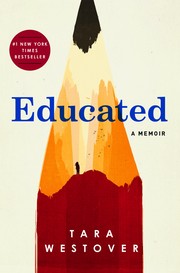
Also recommended by: Bill Gates, Barack Obama, Michelle Obama and 3 others
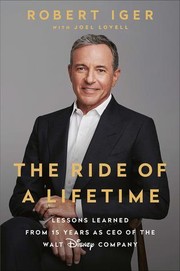
Running Disney and buying Pixar, Marvel, Lucasfilm and Fox to add creative talent.
Also recommended by: Bill Gates, Alexis Ohanian, Anu Hariharan and 7 others
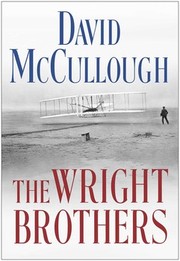
From a Dayton bicycle shop to the first powered flights and the 1908 demonstrations.
Twenty short essays on why behaviour matters more than knowledge with money.
Also recommended by: Andrew Wilkinson, Nat Eliason, Ana Fabrega and 9 others
A nine-step programme that counts spending in hours of life energy.

Also recommended by: Melinda Gates, Reese Witherspoon and 1 other


How to find and tell personal stories, and how telling them well helps careers.

How shared fictions such as money, nations and gods let humans cooperate at scale.
Also recommended by: Andrew Wilkinson, Bill Gates, Mohnish Pabrai and 37 others
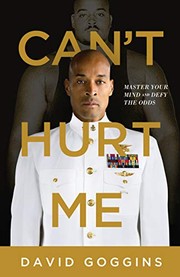
From abused child and 300-pound exterminator to Navy SEAL, and how to get tough.
Also recommended by: Nat Eliason, Alex and Books and 7 others
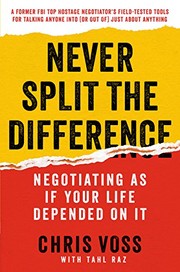
FBI hostage-negotiation tactics: labelling, mirroring and calibrated questions.
Also recommended by: Alfred Lin, Nat Eliason and 5 others
Also recommended by: Naval Ravikant