
Ev Williams
Founded Blogger and Medium and co-founded Twitter, which he ran as CEO from 2008 to 2010; co-founded the venture firm Obvious Ventures in 2014.
Obvious Ventures Medium
 Twitter
 Blogger
10 articles · 130 books they recommend · 22 appearances
More 19

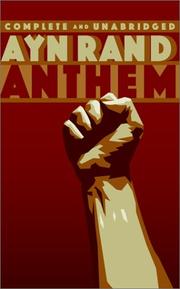
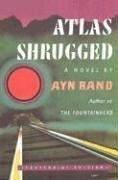
A novel in which industrialists vanish from an economy run by government directives.
Also recommended by: Brian Armstrong, Mohnish Pabrai, Nat Eliason and 17 others
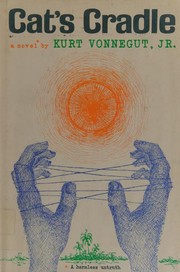
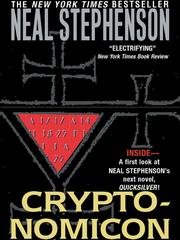
A novel of wartime codebreakers and their descendants building a data haven.
Also recommended by: Marc Andreessen, Peter Thiel, Tim Ferriss

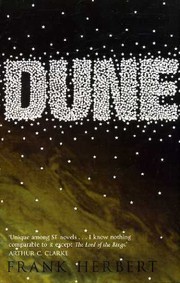
A novel of a feudal space empire fighting over a desert planet and its spice.
Also recommended by: Patrick Collison, Stewart Brand, Andrew Chen and 7 others
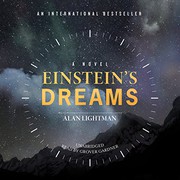
A novel of the young Einstein's dreams of different kinds of time, in 1905.
Also recommended by: Patrick Collison, Eric Weinstein and 1 other

A novel of a gifted boy trained in an orbiting school for war against aliens.
Also recommended by: Alex Lieberman, Eric Jorgenson and 4 others


A novel of an insomniac who starts a secret fighting club with a wild extremist.
Source: Ev Williams — Must-Read Books and More (The Tim Ferriss Show #800)
Also recommended by: Nat Eliason, Ryan Holiday, Tucker Max
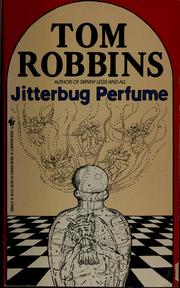

Source: Ev Williams — Must-Read Books and More (The Tim Ferriss Show #800)
Also recommended by: Rana el Kaliouby
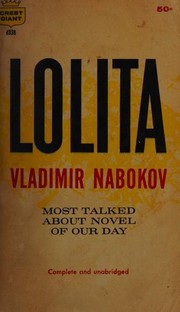
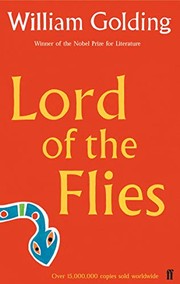
A novel of schoolboys stranded on an island whose self-rule collapses into violence.
Also recommended by: Mohnish Pabrai, Alexey Moiseenkov, Elon Musk and 1 other
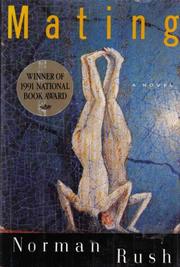

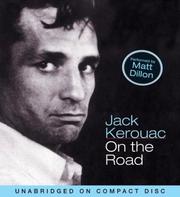
Young writer friends wander from coast to coast in search of whatever they find.
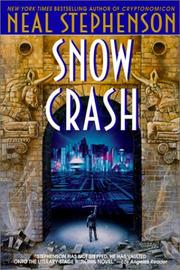
A novel of a hacker in a corporate-run America and its virtual world, the Metaverse.
Also recommended by: Nat Eliason, Naval Ravikant, Alexis Ohanian and 11 others
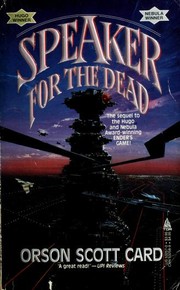

Two Jewish cousins, a refugee from Nazi Prague and a Brooklyn writer, make comics.
Also recommended by: Fred Wilson
A satire of ambition, race, class and greed around a 1980s New York bond trader.
Also recommended by: Mohnish Pabrai
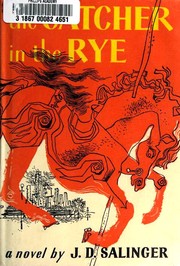
A novel of a sixteen-year-old's days alone in New York after his school expels him.
Also recommended by: Mohnish Pabrai, Ryan Holiday, Bill Gates and 1 other
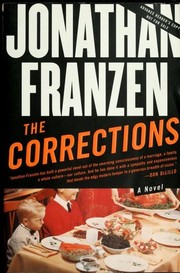
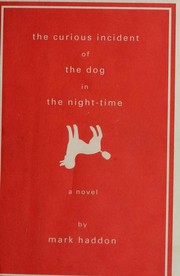
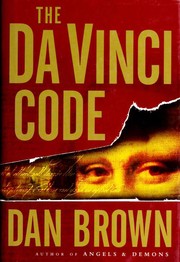
Also recommended by: Mohnish Pabrai, Donald Trump
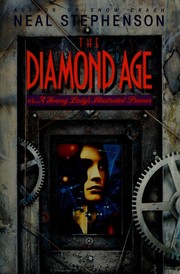
A novel of a nanotech future and a stolen copy of an interactive teaching book.
Also recommended by: Andrew Chen, Bill Gurley, Naval Ravikant and 1 other
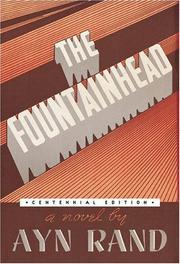
A novel of an architect who will build only by his own judgment, whatever it costs.
Also recommended by: Mohnish Pabrai, Iman Gadzhi, Kevin Kelly and 4 others
A novel of a rich man of unknown origin on Long Island and the woman he wants back.
Also recommended by: Mohnish Pabrai, Patrick Collison, Anna Cheng and 2 others

A novel of an astronaut left alone on Mars who must survive until rescue.
Also recommended by: Nat Eliason, Adam Ho, Bill Gates and 3 others


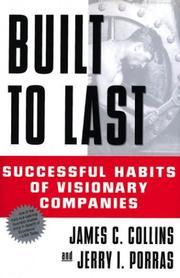
What eighteen long-lived companies did differently from close rivals in their fields.
Also recommended by: Mohnish Pabrai, Drew Houston, Jack Ma and 2 others
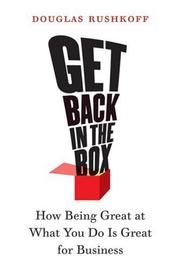
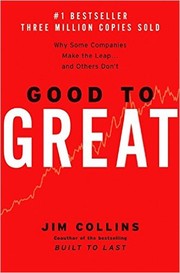
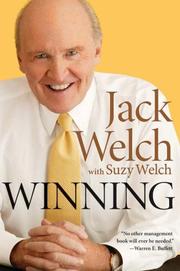
What eleven companies did to turn fifteen ordinary years into fifteen great ones.
Also recommended by: Brian Armstrong, Mohnish Pabrai, Nat Eliason and 15 others
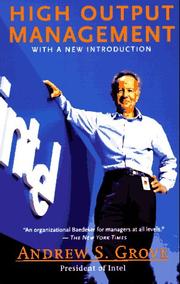
Management as production: a manager's output is the output of the team they lead.
Also recommended by: Nat Eliason, Tim Ferriss, Andrew Chen and 23 others
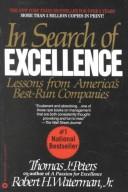
Eight practices shared by well-run companies.
Also recommended by: Mohnish Pabrai
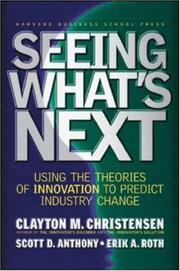
Disruption theory used to forecast how industries will change.
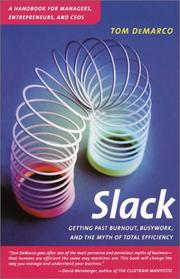
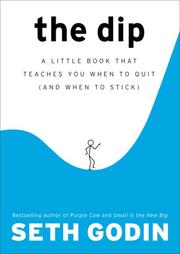
When to push through a hard stretch and when to quit a dead end.
Also recommended by: Brian Armstrong, Nat Eliason, Nick Huber
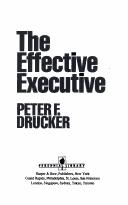
Effectiveness is learned practice: manage time, pick priorities, decide well.
Source: Ev Williams — Must-Read Books and More (The Tim Ferriss Show #800)
Also recommended by: Nat Eliason, David Cancel, Drew Houston and 4 others
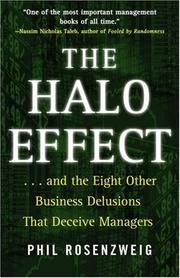
How judging firms by their results corrupts most business research and advice.
Also recommended by: Michael Mauboussin, Matt Mullenweg
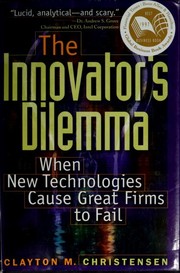
Why well-run firms lose to cheaper, worse products that enter at the market's bottom.
Also recommended by: Jim Collins, Mohnish Pabrai, Aaron Levie and 26 others

Without shelf limits, sales of many niche products add up to rival the hits.
Also recommended by: Jim Collins, Jack Ma, Reed Hastings
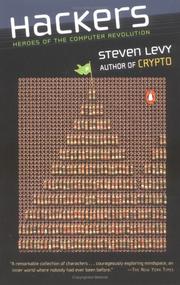
Three generations of hackers, from MIT's AI Lab to the Homebrew club and game makers.
Also recommended by: Austen Allred, Marc Andreessen, Paul Graham and 2 others
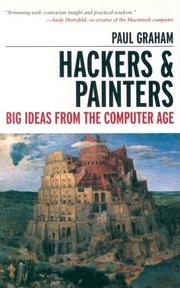
Subtitled 'Big Ideas from the Computer Age'; collects early essays
Also recommended by: Brian Armstrong, Keith Rabois, Nir Eyal and 2 others
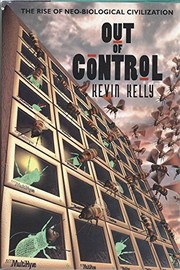
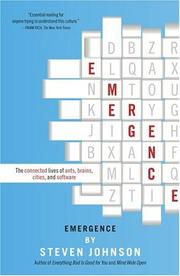
How machines and economies grow so complex that they behave like living systems.
Also recommended by: Cynthia Johnson, Steve Jurvetson

How snap judgments work, when to trust them and when they mislead.
Also recommended by: Mohnish Pabrai, Packy McCormick
Life in Nazi concentration camps, and logotherapy: finding meaning to survive.
Also recommended by: Frank Martin, Mohnish Pabrai, Nat Eliason and 23 others
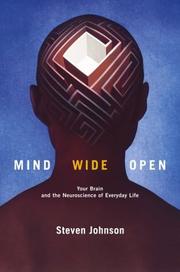
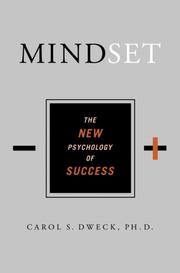
People who think ability grows with effort learn more than those who think it fixed.
Also recommended by: Bill Gates, Mohnish Pabrai, Alex and Books and 12 others
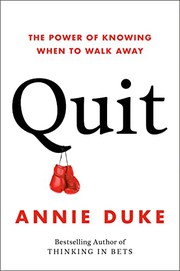
Why people stick too long with failing projects and careers, and how to quit well.
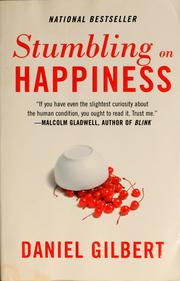
Daniel Gilbert's accessible account of affective forecasting — our poor ability to predict what will make us happy. His research on immune neglect and focalism is less cited than Kahneman's work but equally well-evidenced.
Also recommended by: Andrew Wilkinson, Mohnish Pabrai and 2 others
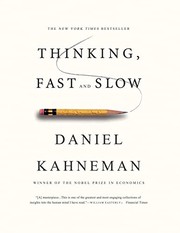
Kahneman's synthesis of behavioral economics is the cognitive science underpinning every negotiation tactic. Anchoring, loss aversion, framing effects, and the planning fallacy — understanding why these biases operate, not just that they exist, makes you harder to exploit and more honest about your own irrationality.
Also recommended by: Andrew Wilkinson, Charles de Vaulx and 31 others
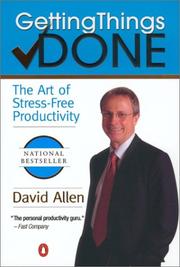
Get commitments out of your head into a trusted system, and decide next actions.
Also recommended by: Andrew Wilkinson, Tony Hsieh, Ali Abdaal and 4 others
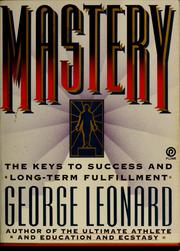
The plateau and long practice; mastery as a delayed reward
Also recommended by: Patrick O'Shaughnessy, Tim Ferriss
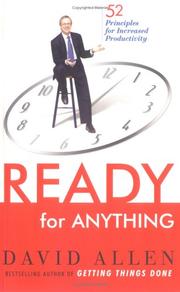
52 principles for getting things done with less stress: mindset, priorities, action.
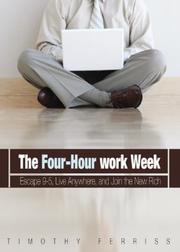
Tim Ferriss's book belongs on a personal-finance list not for its investment advice but for its income argument: the fastest way to reach financial independence may be redesigning how and where you work rather than cutting spending to the bone. The 'new rich' framework is deliberately provocative, and the specific tactics age poorly, but the income-side case remains underweighted in most FIRE writing.
Source: Ev Williams — Must-Read Books and More (The Tim Ferriss Show #800)
Also recommended by: Andrew Wilkinson, Mohnish Pabrai and 19 others
Also recommended by: Oprah Winfrey, Sam Altman

Bill Gates from Harvard and Microsoft BASIC to the IBM deal that made Microsoft.
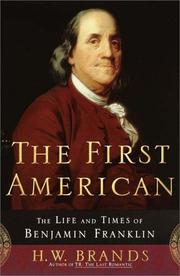
A life of Benjamin Franklin, the foremost American of his day.
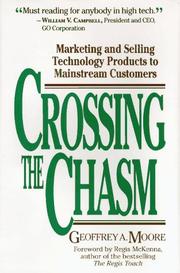
Why tech products stall between early adopters and the mainstream, and how to cross.
Also recommended by: Andrew Wilkinson, Mohnish Pabrai and 12 others
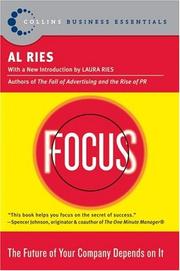
Companies lose their position by broadening; narrowing the focus wins it back.
Also recommended by: Mohnish Pabrai, Arianna Huffington and 2 others
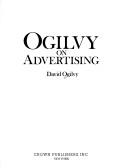
Rules for advertising that sells, drawn from direct-response testing.
Also recommended by: Mohnish Pabrai, David Cancel, Noah Kagan
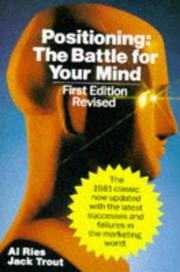
Marketing happens in the buyer's mind: find an open position there and own it.
Also recommended by: Patrick Collison, Aaron Levie, David Cancel and 3 others
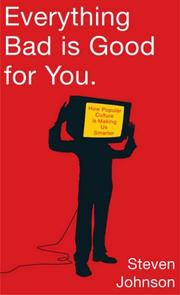
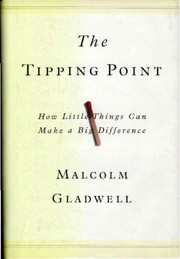
How ideas and behaviour spread like epidemics, and the three factors that tip them.
Also recommended by: Mohnish Pabrai, Tony Hsieh, Kevin Rose and 1 other
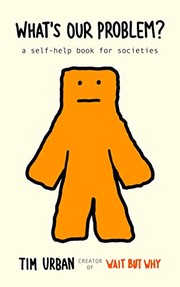
Source: Ev Williams — Must-Read Books and More (The Tim Ferriss Show #800)
Also recommended by: Elon Musk, Julian Shapiro
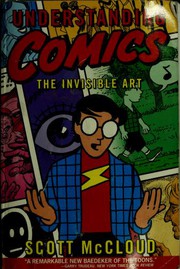
Also recommended by: Patrick Collison, Bret Victor, Daniel Burka

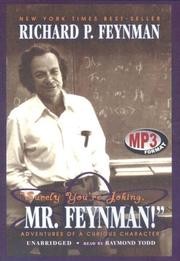
A physicist's stories, from fixing radios as a boy to Los Alamos and beyond.
Also recommended by: Brian Armstrong, Matt Mullenweg and 18 others
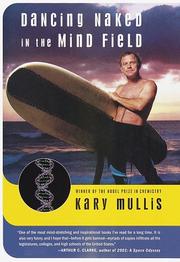
Also recommended by: Peter Attia
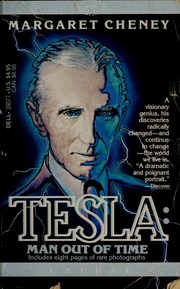
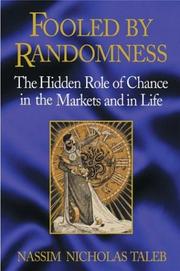
Why people mistake luck for skill, above all in markets.
Also recommended by: Barton Biggs, Michael Mauboussin and 10 others
When groups judge better than experts, and the four conditions that make it work.
Also recommended by: Michael Mauboussin, Mohnish Pabrai and 2 others
Judge decisions by their reasoning, not their outcomes, and think in odds.
Source: Ev Williams — Must-Read Books and More (The Tim Ferriss Show #800)
Also recommended by: Ana Fabrega, Jason Fried, Julian Shapiro and 4 others
Incentives and data applied to cheating teachers, sumo wrestlers and other puzzles.
Also recommended by: Mohnish Pabrai, Andrew Lokenauth and 5 others
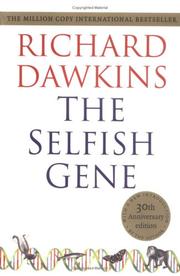
Selection acts on genes; bodies are vehicles that genes build to copy themselves.
Also recommended by: Balaji S. Srinivasan, Charlie Munger and 9 others
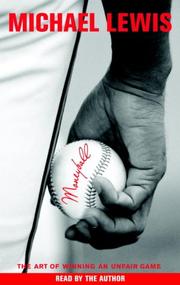
How the Oakland A's won on a small payroll by buying players the market undervalued.
Also recommended by: Joel Greenblatt, Mohnish Pabrai and 2 others
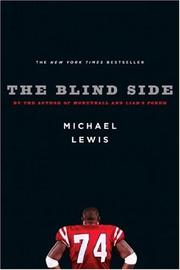
A boy from a poor, broken home discovers football and rises to the NFL.
Also recommended by: Patrick Collison, Keith Rabois
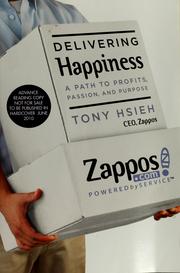
From LinkExchange to Zappos, and the case for building a company on its culture.
Also recommended by: Mohnish Pabrai, Ran Segall, Tim Ferriss and 1 other
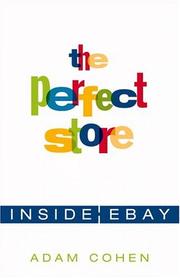
eBay: the cleanest early case of a pure marketplace take rate.
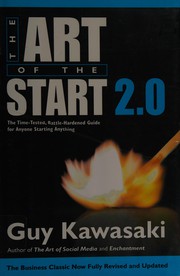
Also recommended by: Mohnish Pabrai, Keith Rabois, Matt Mullenweg
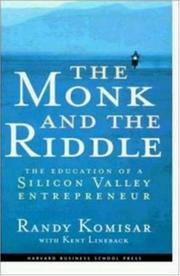
A venture adviser on startups and the trap of the deferred life plan.
Also recommended by: Nat Eliason, Patrick Collison, Fred Wilson and 2 others
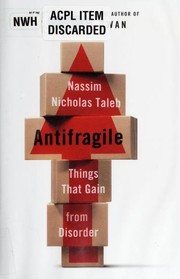
Incerto volume 4
Also recommended by: Mohnish Pabrai, Nat Eliason and 24 others
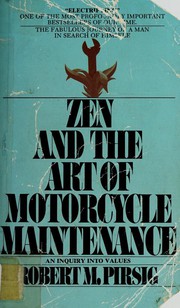
A father and son's motorcycle trip framing an inquiry into what Quality means.
Source: Ev Williams — Must-Read Books and More (The Tim Ferriss Show #800)
Also recommended by: Brad Feld, Mohnish Pabrai, Nick Sleep and 7 others
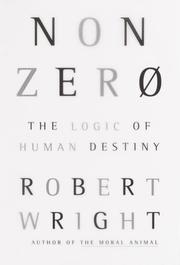
History read as an expanding series of non-zero-sum games
Also recommended by: Mohnish Pabrai, Nick Thompson, Reid Hoffman
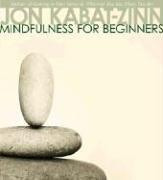
Short reflections and practices for starting mindfulness, read at random or daily.

| Making “Social” Social Again | Medium | 2024-12-12 |
| Do not disturb | Medium | 2023-12-09 |
| How you can help the Amazon Rainforest–today | Medium | 2023-06-05 |
| Cat Playing Piano, in the style of | Medium | 2022-10-19 |
| New Decade, New Ideas | Medium | 2022-07-12 |
| 12 taglines for Odeo | Medium | 2021-12-14 |
| We’ve acquired Knowable to bring audio to Medium | Medium | 2021-11-16 |
| Medium Acquires Projector, a Collaborative, Multimedia Design Platform | Medium | 2021-11-09 |
| Simple or Easy? | Medium | 2021-09-22 |
| An ode to teenage angst | Medium | 2021-09-16 |
| Ev Williams Was Lonely. He Doesn't Want You to Be. Paywall | The New York Times | 2024 |
| And for His Next Act, Ev Williams Will Fix the Internet Paywall | The New York Times | 2018 |
| 'The Internet Is Broken': @ev Is Trying to Salvage It Paywall | The New York Times | 2017 |
| Medium and Twitter founder: 'We put junk food in front of them and they eat it' | The Guardian | 2016 |