
Drew Houston
Co-founded the online storage service Dropbox and held 24.4% of its voting power before the 2018 IPO; on the board of Meta Platforms since 2020.
 Dropbox
1 article · 26 books they recommend · 30 appearances
More 5

How to create new market space instead of fighting rivals over existing demand.
Also recommended by: Mohnish Pabrai, Nat Eliason, Aaron Levie and 4 others

What eighteen long-lived companies did differently from close rivals in their fields.
Also recommended by: Mohnish Pabrai, Ev Williams, Jack Ma and 2 others
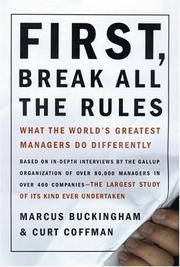
Also recommended by: Patrick Collison, Simon Sinek
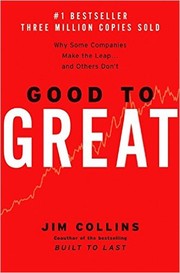
What eleven companies did to turn fifteen ordinary years into fifteen great ones.
Also recommended by: Brian Armstrong, Mohnish Pabrai, Nat Eliason and 15 others

Management as production: a manager's output is the output of the team they lead.
Also recommended by: Nat Eliason, Tim Ferriss, Andrew Chen and 23 others
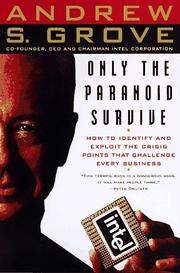
How to spot a strategic inflection point, when a tenfold force changes a business.
Also recommended by: Charlie Munger, Mohnish Pabrai and 10 others

Strategy as five linked choices, including where to play and how to win.
Also recommended by: Justin Kan, Meg Whitman
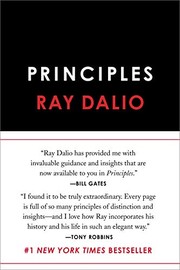
Decision rules from building Bridgewater: radical truth and radical transparency.
Also recommended by: Alfred Lin, Nat Eliason, Andrew Lokenauth and 27 others

Effectiveness is learned practice: manage time, pick priorities, decide well.
Also recommended by: Ev Williams, Nat Eliason, David Cancel and 4 others

Why well-run firms lose to cheaper, worse products that enter at the market's bottom.
Also recommended by: Jim Collins, Mohnish Pabrai, Aaron Levie and 26 others
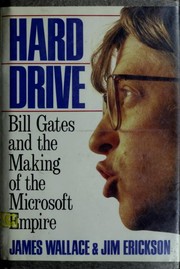
A critical history of Bill Gates and the early Microsoft, from Lakeside School on.
Also recommended by: Mohnish Pabrai, Patrick Collison and 2 others

Google's technical and business decisions from Stanford research to 2011.
Also recommended by: Mohnish Pabrai, Charlie Munger and 2 others
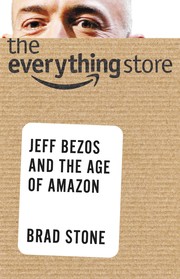
Amazon's first two decades, from an online bookshop to selling nearly everything.
Also recommended by: Andrew Wilkinson, Mohnish Pabrai and 6 others

Facebook from its Harvard origin to 2010, with wide access to Zuckerberg.
Also recommended by: Dustin Moskovitz
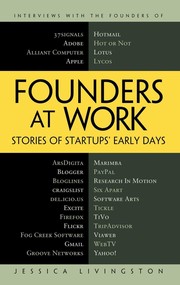
Also recommended by: Ryan Holiday, Alexis Ohanian, Andrew Chen and 5 others
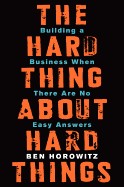
Subtitled 'Building a Business When There Are No Easy Answers'
Also recommended by: Andrew Wilkinson, Balaji S. Srinivasan and 33 others
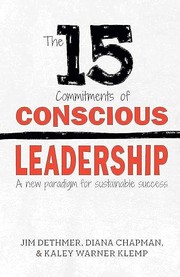
Fifteen commitments for leading from curiosity instead of defensiveness.
Also recommended by: Alex Lieberman, Austin Rief, Brian Armstrong and 2 others
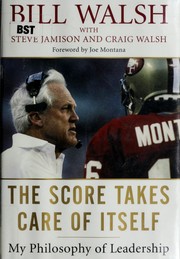
How a coach took the 49ers from 2 and 14 to three Super Bowls with set standards.
Also recommended by: Nat Eliason, Ryan Holiday, David Cancel and 7 others
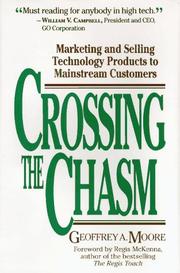
Why tech products stall between early adopters and the mainstream, and how to cross.
Also recommended by: Andrew Wilkinson, Mohnish Pabrai and 12 others

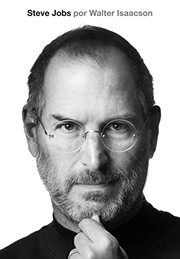
Steve Jobs's life and Apple's products, from forty interviews with him and many more.
Also recommended by: Mohnish Pabrai, Patrick Collison and 16 others
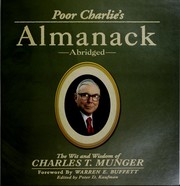
Speeches making the case for a latticework of mental models from many fields.
Also recommended by: Andrew Wilkinson, Charlie Munger and 25 others

Principled negotiation: bargain over interests, not positions, and trade less.
Also recommended by: Charlie Munger, Nat Eliason, Nate O'Brien and 2 others

A father and son's motorcycle trip framing an inquiry into what Quality means.
Also recommended by: Brad Feld, Mohnish Pabrai, Nick Sleep and 7 others

Also recommended by: Julian Shapiro
| Finding your tennis ball (2013 MIT Commencement address) | Medium | 2017-02-17 |
| Dropbox Chief to Join Elite Ranks of Idea-to-I.P.O. Founders Paywall | The New York Times | 2018 |
| Drew Houston of Dropbox: Figure Out the Things You Don't Know Paywall | The New York Times | 2016 |
| Dropbox: The Inside Story Of Tech's Hottest Startup Paywall | Forbes | 2011 |