Nat Eliason
Wrote Crypto Confidential and the novel Husk; earlier founded Growth Machine, a content marketing agency for Fortune 500 and Y Combinator-backed companies.
300 articles · 284 books they recommend · 45 appearances
More 43
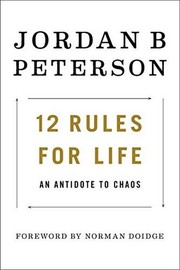
Twelve rules for living, each drawn from clinical practice, biology and myth.
Source: Book Notes & Reviews — nateliason.com
Also recommended by: Alex and Books, Ana Fabrega and 7 others

Incerto volume 4
Source: Book Notes & Reviews — nateliason.com
Also recommended by: Mohnish Pabrai, Patrick Collison and 24 others
Source: Book Notes & Reviews — nateliason.com
Also recommended by: Tim Ferriss, Tony Robbins

Source: Book Notes & Reviews — nateliason.com
Also recommended by: Julie Stevanja
Source: Book Notes & Reviews — nateliason.com
Also recommended by: Andrew Wilkinson, David Cancel, Jan Losert and 3 others

Source: Book Notes & Reviews — nateliason.com
Also recommended by: Naval Ravikant, Ryan Holiday and 1 other
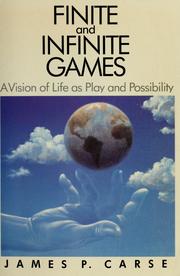
Finite games are played to win; infinite games are played to keep playing.
Source: Book Notes & Reviews — nateliason.com
Also recommended by: Daniel Gross, Derek Sivers, Graham Duncan and 7 others

Also recommended by: Ali Abdaal
Source: Book Notes & Reviews — nateliason.com
Also recommended by: Patrick Collison, Ed Cooke

Letters on how to live, a course in Stoic philosophy written to a friend.
Source: Book Notes & Reviews — nateliason.com
Also recommended by: Mohnish Pabrai, Ryan Holiday, David Kadavy and 2 others

Source: Book Notes & Reviews — nateliason.com
Also recommended by: Naval Ravikant, Garry Tan, Mike Maples, Jr.
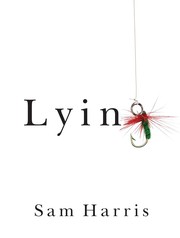
A short case against all lying, white lies included.
Source: Book Notes & Reviews — nateliason.com
Also recommended by: Naval Ravikant, Vinod Khosla and 3 others

Source: Book Notes & Reviews — nateliason.com
Also recommended by: Ed Cooke
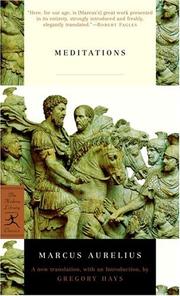
A Roman emperor's private notes reminding himself to live by Stoic principles.
Source: Book Notes & Reviews — nateliason.com
Also recommended by: Mohnish Pabrai, Naval Ravikant, Ryan Holiday and 16 others
Source: Book Notes & Reviews — nateliason.com
Also recommended by: Ryan Holiday

Source: Book Notes & Reviews — nateliason.com
Also recommended by: Patrick O'Shaughnessy
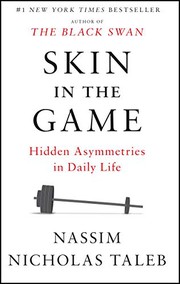
Incerto volume 5
Source: Book Notes & Reviews — nateliason.com
Also recommended by: Ana Fabrega, Ben Horowitz, Changpeng Zhao and 11 others
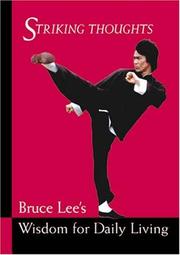
825 aphorisms on 72 topics, from spirituality to personal liberation and family.
Source: Book Notes & Reviews — nateliason.com
Also recommended by: Naval Ravikant

Eighty-one short chapters on the Tao, the founding text of Taoism.
Source: Book Notes & Reviews — nateliason.com
Also recommended by: David Perell, Jack Dorsey, Jack Ma and 5 others

Aphorisms stating Taleb's ideas on randomness, knowledge and modern life.
Source: Book Notes & Reviews — nateliason.com
Also recommended by: Ryan Holiday, Matt Mullenweg and 2 others
Source: Book Notes & Reviews — nateliason.com
Also recommended by: Ryan Holiday, Naval Ravikant, Tim Ferriss

How people and cultures react to death, and what that reaction does to them.
Source: Book Notes & Reviews — nateliason.com
Also recommended by: Eric Weinstein
The one pattern of the hero's journey that runs through myths across cultures.
Source: Book Notes & Reviews — nateliason.com
Also recommended by: Patrick O'Shaughnessy, Ray Dalio and 1 other
Source: Book Notes & Reviews — nateliason.com
Also recommended by: Naval Ravikant
Source: Book Notes & Reviews — nateliason.com
Also recommended by: Julie Zhuo
Source: Book Notes & Reviews — nateliason.com
Also recommended by: Andrew Wilkinson, Naval Ravikant
Build habits by making them obvious, attractive, easy and satisfying.
Source: Book Notes & Reviews — nateliason.com
Also recommended by: Ali Abdaal, Balaji S. Srinivasan and 20 others

Change behaviour by changing what you link with pain and pleasure.
Source: Book Notes & Reviews — nateliason.com
Also recommended by: Guy Spier, Brian Koppelman, Derek Sivers and 1 other
Mason Currey's portraits of how artists actually structure their days — Beethoven counting exactly sixty coffee beans, Glenn Gould's nocturnal sessions, Stravinsky's requirement for a daily constitutional before composing. More useful than it sounds: the book normalizes idiosyncratic work patterns and illustrates that there is no single formula for sustained creative output.
Source: Book Notes & Reviews — nateliason.com
Also recommended by: Patrick Collison, David Kadavy
Why distraction-free concentration is rare and valuable, and how to train for it.
Source: Book Notes & Reviews — nateliason.com
Also recommended by: Nir Eyal, Abi Tyas Tunggal, Cal Newport and 5 others
Source: Book Notes & Reviews — nateliason.com
Also recommended by: Alex Lieberman, Cal Newport
A method for finding the few activities that matter and dropping the rest.
Source: Book Notes & Reviews — nateliason.com
Also recommended by: Matt Mullenweg, Ran Segall, Sophie Bakalar and 9 others

Source: Book Notes & Reviews — nateliason.com
Also recommended by: Ali Abdaal
Knowledge workers must run their own careers by knowing their strengths and values.
Source: Book Notes & Reviews — nateliason.com
Also recommended by: Patrick Collison, Patrick O'Shaughnessy and 2 others
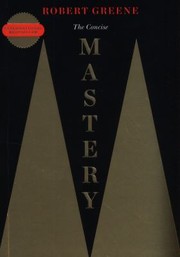
How masters from Leonardo to Faraday found a life's task and served apprenticeships.
Source: Book Notes & Reviews — nateliason.com
Also recommended by: Ryan Holiday, Anthony Pompliano, Iman Gadzhi and 4 others
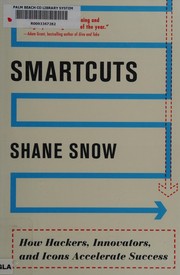
Nine principles of lateral thinking that innovators use to reach goals faster.
Source: Book Notes & Reviews — nateliason.com
Also recommended by: Noah Kagan
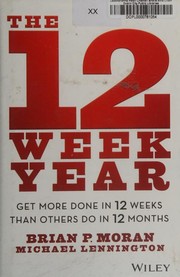
Plan and work as if a year were twelve weeks long, to keep focus on urgent tasks.
Source: Book Notes & Reviews — nateliason.com
Also recommended by: Sarah Pritula
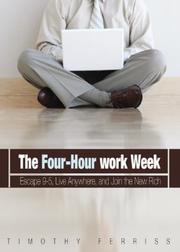
Tim Ferriss's book belongs on a personal-finance list not for its investment advice but for its income argument: the fastest way to reach financial independence may be redesigning how and where you work rather than cutting spending to the bone. The 'new rich' framework is deliberately provocative, and the specific tactics age poorly, but the income-side case remains underweighted in most FIRE writing.
Source: Book Notes & Reviews — nateliason.com
Also recommended by: Andrew Wilkinson, Ev Williams and 19 others
How to learn a new skill fast: break it down, practise well, remove barriers.
Source: Book Notes & Reviews — nateliason.com
Also recommended by: Justin Kan
The size of your thinking sets the size of your results, and how to think bigger.
Source: Book Notes & Reviews — nateliason.com
Also recommended by: Ali Abdaal, Mohnish Pabrai and 2 others
The habit loop of cue, routine and reward, and how to change a habit by its routine.
Source: Book Notes & Reviews — nateliason.com
Also recommended by: Mohnish Pabrai, Naval Ravikant, Nir Eyal and 5 others
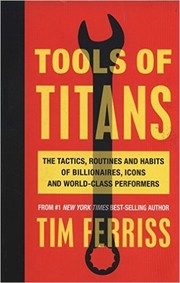
Routines, tools and advice from over 200 podcast guests on health, wealth and wisdom.
Source: Book Notes & Reviews — nateliason.com
Also recommended by: Keith Rabois, Kevin Rose, Mr. Money Mustache and 3 others

Source: Book Notes & Reviews — nateliason.com
Also recommended by: Marc Andreessen, Patrick Collison
A novel setting Anna's ruinous affair against Levin's search for how to live.
Source: Book Notes & Reviews — nateliason.com
Also recommended by: Austen Allred, Laura R Walker, Sam Altman and 2 others

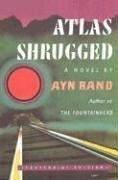
A novel in which industrialists vanish from an economy run by government directives.
Source: Book Notes & Reviews — nateliason.com
Also recommended by: Brian Armstrong, Mohnish Pabrai, Ran Segall and 17 others

Source: Book Notes & Reviews — nateliason.com
Also recommended by: Mohnish Pabrai, Ev Williams

Source: Book Notes & Reviews — nateliason.com
Also recommended by: Bill Gates, Sahil Lavingia

Source: Book Notes & Reviews — nateliason.com
Also recommended by: Andrew Wilkinson, Mohnish Pabrai

A novel of an insomniac who starts a secret fighting club with a wild extremist.
Source: Book Notes & Reviews — nateliason.com
Also recommended by: Ev Williams, Ryan Holiday, Tucker Max

A novel of an American with Spanish guerrillas sent to blow up a bridge.
Source: Book Notes & Reviews — nateliason.com
Also recommended by: Mohnish Pabrai, David Kadavy, Guy Proops
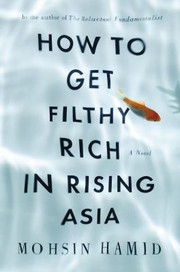
A novel of a poor farmer's son who moves to the city and gets rich bottling water.
Source: Book Notes & Reviews — nateliason.com
Also recommended by: Chris Sacca, David Cancel, Tim Ferriss
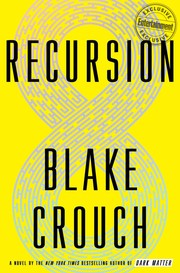
Source: Book Notes & Reviews — nateliason.com
Also recommended by: Jordan Hughes, Ran Segall
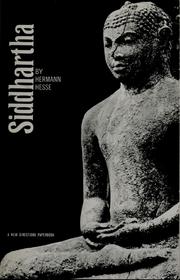
A novel of a Brahmin's son in ancient India who seeks understanding his own way.
Also recommended by: Mohnish Pabrai, Naval Ravikant and 5 others
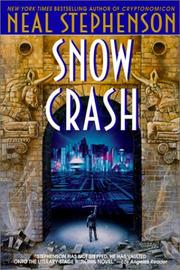
A novel of a hacker in a corporate-run America and its virtual world, the Metaverse.
Source: Book Notes & Reviews — nateliason.com
Also recommended by: Naval Ravikant, Alexis Ohanian and 12 others
Source: Book Notes & Reviews — nateliason.com
Also recommended by: Mohnish Pabrai, Daniel Ek, Iman Gadzhi and 8 others
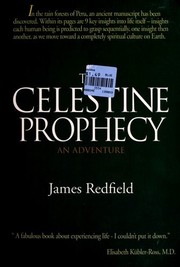
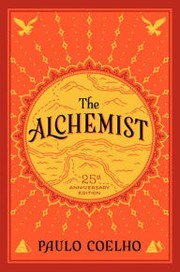
A novel of an adventure in pursuit of a spiritual mystery and its predictions.
Source: Book Notes & Reviews — nateliason.com
Also recommended by: Mohnish Pabrai
Source: Book Notes & Reviews — nateliason.com
Also recommended by: Patrick Collison

Source: Book Notes & Reviews — nateliason.com
Also recommended by: Stewart Brand, Elon Musk, Paul Graham

A novel of a Lithuanian immigrant family ruined in Chicago's meatpacking yards.
Source: Book Notes & Reviews — nateliason.com
Also recommended by: Benedict Evans

A novel of an astronaut left alone on Mars who must survive until rescue.
Source: Book Notes & Reviews — nateliason.com
Also recommended by: Adam Ho, Bill Gates, Delian Asparouhov and 3 others

The Greek epic of Odysseus's ten-year journey home from Troy to Ithaca.
Source: Book Notes & Reviews — nateliason.com
Also recommended by: Patrick Collison, Ryan Holiday and 3 others
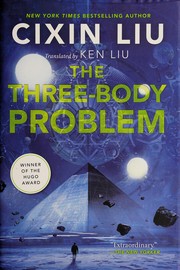
A novel in which a scientist answers an alien warning and invites first contact.
Source: Book Notes & Reviews — nateliason.com
Also recommended by: Sophie Bakalar, Abi Tyas Tunggal and 8 others
Source: Book Notes & Reviews — nateliason.com
Also recommended by: Ryan Holiday

Life in Nazi concentration camps, and logotherapy: finding meaning to survive.
Source: Book Notes & Reviews — nateliason.com
Also recommended by: Frank Martin, Mohnish Pabrai, Ryan Holiday and 23 others
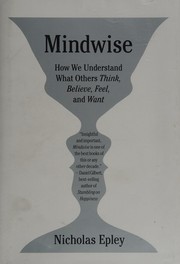
How people read others' thoughts and feelings, and how misreading them causes rifts.
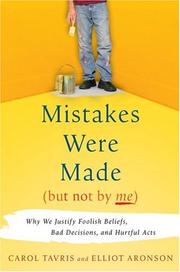
Tavris and Aronson focus on what happens after a bias fires: the self-justification, narrative revision, and escalating commitment that follow. Cognitive dissonance, they argue, is not a personality flaw but a universal mechanism, and understanding it explains police misconduct, political tribalism, and therapy failures in a single framework.
Source: Book Notes & Reviews — nateliason.com
Also recommended by: Mohnish Pabrai, Andrew Wilkinson and 1 other

Attracting women through honest self-development instead of pickup tactics.
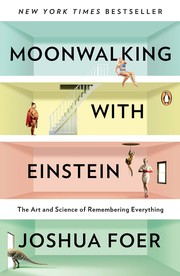
A journalist learns memory techniques and wins the US Memory Championship.
Source: Book Notes & Reviews — nateliason.com
Also recommended by: Bill Gates, Mohnish Pabrai, Nir Eyal and 3 others

How experts in music, chess, medicine and sport excel through deliberate practice.

Cognitive science and learning theory applied to thinking and learning better.
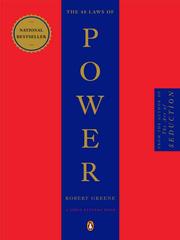
Forty-eight rules for gaining and keeping power, each shown by historical episodes.
Source: Book Notes & Reviews — nateliason.com
Also recommended by: Ryan Holiday, Iman Gadzhi, Library Mindset and 2 others
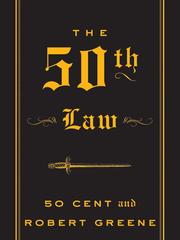
Lessons on fearlessness drawn from the life of the rapper 50 Cent.
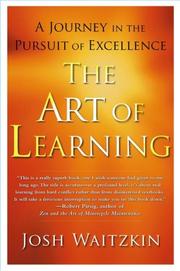
What a chess prodigy turned tai chi champion learned about learning itself.
Source: Book Notes & Reviews — nateliason.com
Also recommended by: Abi Tyas Tunggal, Guy Proops, Mark Hart and 1 other
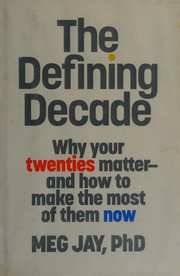
Why the twenties matter, against the hype that trivialises that decade of life.
Source: Book Notes & Reviews — nateliason.com
Also recommended by: John Doerr
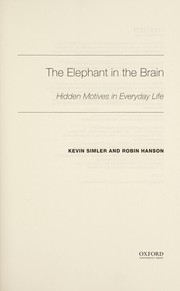
Hanson and Simler make the most provocative claim in this list: that self-deception is not a flaw but an adaptive strategy — we hide our real motives from ourselves so we can more convincingly hide them from others. If true, the entire bias-correction project has a ceiling. This book belongs at the end so it reframes everything before it.
Source: Book Notes & Reviews — nateliason.com
Also recommended by: Ali Abdaal, Emmett Shear, Julian Shapiro and 2 others
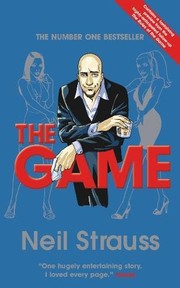
Inside a community of men perfecting seduction techniques, and one man's doubts.
Also recommended by: Ryan Holiday
Field-tested tips for improving skills in sport, music, art, maths and business.
Source: Book Notes & Reviews — nateliason.com
Also recommended by: David Cancel
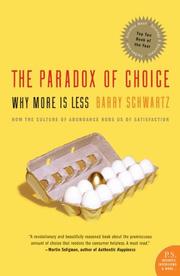
Beyond a point, more options make people less likely to choose and less satisfied.
Source: Book Notes & Reviews — nateliason.com
Also recommended by: Nick Sleep, Nassim Nicholas Taleb
How talent is grown, not born, through a brain mechanism training can tap.
Source: Book Notes & Reviews — nateliason.com
Also recommended by: Mohnish Pabrai, David Cancel, Jason Fried and 1 other
Also recommended by: Ali Abdaal, Iman Gadzhi, Naval Ravikant
Self-control as a physical capacity, and how to build it, from a Stanford course.
Source: Book Notes & Reviews — nateliason.com
Also recommended by: Mohnish Pabrai, Jane McGonigal, Nir Eyal and 1 other

Source: Book Notes & Reviews — nateliason.com
Also recommended by: Mohnish Pabrai, Maria Popova, Shane Parrish

How to create new market space instead of fighting rivals over existing demand.
Source: Book Notes & Reviews — nateliason.com
Also recommended by: Mohnish Pabrai, Aaron Levie and 5 others
What eleven companies did to turn fifteen ordinary years into fifteen great ones.
Source: Book Notes & Reviews — nateliason.com
Also recommended by: Brian Armstrong, Mohnish Pabrai, Alfred Lin and 15 others
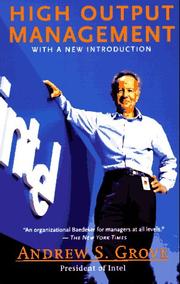
Management as production: a manager's output is the output of the team they lead.
Source: Book Notes & Reviews — nateliason.com
Also recommended by: Tim Ferriss, Andrew Chen and 24 others
Value pricing for solo and boutique consultancies.
Source: Book Notes & Reviews — nateliason.com
Also recommended by: Noah Kagan
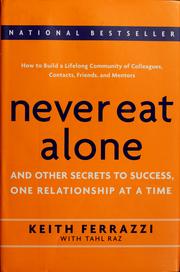
Source: Book Notes & Reviews — nateliason.com
Also recommended by: Ramit Sethi, Simon Sinek and 1 other
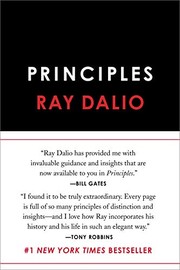
Decision rules from building Bridgewater: radical truth and radical transparency.
Source: Book Notes & Reviews — nateliason.com
Also recommended by: Alfred Lin, Andrew Lokenauth and 28 others
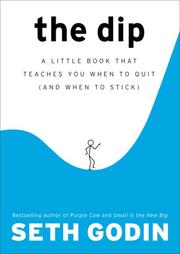
When to push through a hard stretch and when to quit a dead end.
Source: Book Notes & Reviews — nateliason.com
Also recommended by: Brian Armstrong, Ev Williams, Nick Huber
Effectiveness is learned practice: manage time, pick priorities, decide well.
Source: Book Notes & Reviews — nateliason.com
Also recommended by: Ev Williams, David Cancel, Drew Houston and 4 others
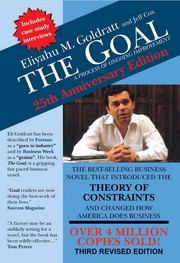
A plant manager learns that a system's output is set by its bottleneck.
Source: Book Notes & Reviews — nateliason.com
Also recommended by: Mohnish Pabrai, Patrick Collison, Jeff Bezos and 3 others
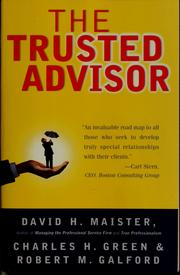
The trust equation: credibility, reliability and intimacy over self-orientation.
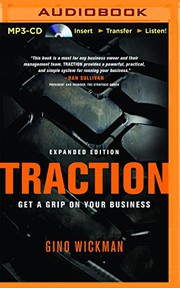

A method for hiring the right people, built on interviews with wealthy executives.
Source: Book Notes & Reviews — nateliason.com
Also recommended by: Alexis Ohanian, Noah Kagan

Lessons from building CD Baby from a side project to an $85 million business.
Source: Book Notes & Reviews — nateliason.com
Also recommended by: Ali Abdaal, Paul Jarvis, Sahil Lavingia and 1 other
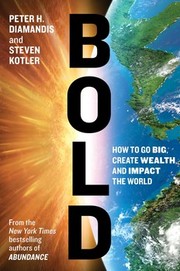
How to use prize competitions, crowdfunding and communities to go big.
Source: Book Notes & Reviews — nateliason.com
Also recommended by: James Altucher, Tom Bilyeu
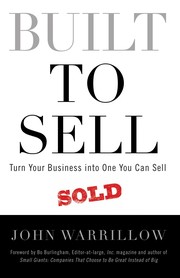
Source: Book Notes & Reviews — nateliason.com
Also recommended by: Mohnish Pabrai, Nick Huber
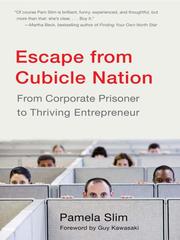
Patagonia's founder on running a business against conventional growth logic
Source: Book Notes & Reviews — nateliason.com
Also recommended by: Patrick Collison, David Cancel and 3 others
Source: Book Notes & Reviews — nateliason.com
Also recommended by: Matej Latin, Tony Hsieh
Subtitled 'Building a Business When There Are No Easy Answers'
Source: Book Notes & Reviews — nateliason.com
Also recommended by: Andrew Wilkinson, Balaji S. Srinivasan and 33 others
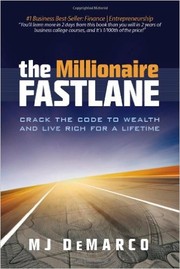
Why jobs, 401(k)s and frugality are a slow lane, and business ownership a fast one.
Source: Book Notes & Reviews — nateliason.com
Also recommended by: Ali Abdaal
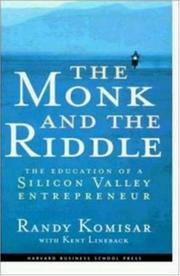
A venture adviser on startups and the trap of the deferred life plan.
Source: Book Notes & Reviews — nateliason.com
Also recommended by: Patrick Collison, Ev Williams, Fred Wilson and 2 others
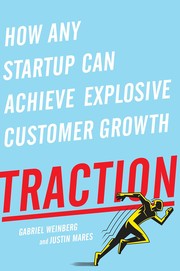
Source: Book Notes & Reviews — nateliason.com
Also recommended by: Alex Lieberman, Alexis Ohanian, Ali Abdaal and 6 others
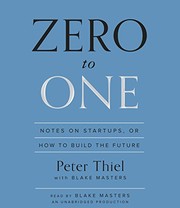
Why startups should build something new and own a small market before growing.
Source: Book Notes & Reviews — nateliason.com
Also recommended by: Balaji S. Srinivasan, Eric Weinstein and 35 others

Source: Book Notes & Reviews — nateliason.com
Also recommended by: Tony Hsieh, Changpeng Zhao and 1 other
Source: Book Notes & Reviews — nateliason.com
Also recommended by: Mohnish Pabrai, Andrew Chen
Source: Book Notes & Reviews — nateliason.com
Also recommended by: Andrew Chen, Andy Budd
Source: Book Notes & Reviews — nateliason.com
Also recommended by: Ran Segall
How to position software so it clearly wins for a chosen market.

Twenty-two rules of marketing, such as being first is better than being better.
Source: Book Notes & Reviews — nateliason.com
Also recommended by: Brian Armstrong, Mohnish Pabrai and 3 others
Letters from prison to a teenage son on direct-mail copywriting and living well.
Source: Book Notes & Reviews — nateliason.com
Also recommended by: David Perell

Source: Book Notes & Reviews — nateliason.com
Also recommended by: David Cancel, Noah Kagan
Source: Book Notes & Reviews — nateliason.com
Also recommended by: Mohnish Pabrai
A news anchor's panic attack on air leads him to meditation, and what it did for him.
Source: Book Notes & Reviews — nateliason.com
Also recommended by: Arianna Huffington, Peter Attia, Tim Ferriss and 1 other
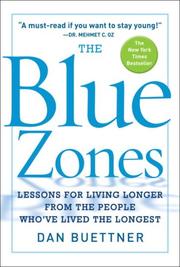
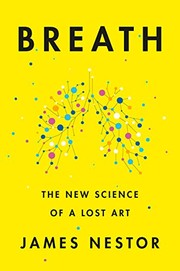
Source: Book Notes & Reviews — nateliason.com
Also recommended by: Austen Allred
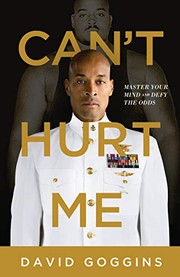
From abused child and 300-pound exterminator to Navy SEAL, and how to get tough.
Source: Book Notes & Reviews — nateliason.com
Also recommended by: Alex and Books, Ali Abdaal and 7 others
Source: Book Notes & Reviews — nateliason.com
Also recommended by: Garry Tan, Tim Ferriss

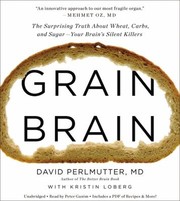
How one day of healthy choices, drawn from studies and old practices, builds a life.

Source: Book Notes & Reviews — nateliason.com
Also recommended by: Mohnish Pabrai, Richard Branson and 1 other
Source: Book Notes & Reviews — nateliason.com
Also recommended by: Vinod Khosla
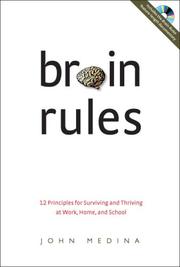
What brain science says about learning, sleep, stress, memory and multitasking.
Source: Book Notes & Reviews — nateliason.com
Also recommended by: Mohnish Pabrai, Bill Gates, James Altucher
Source: Book Notes & Reviews — nateliason.com
Also recommended by: Patrick Collison
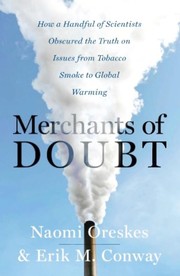
How a few scientists with ties to industry ran campaigns to deny settled science.
Source: Book Notes & Reviews — nateliason.com
Also recommended by: Elon Musk
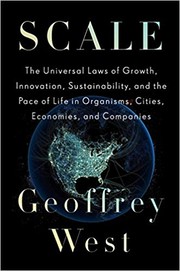
Why organisms, cities and companies follow power laws set by their supply networks.
Source: Book Notes & Reviews — nateliason.com
Also recommended by: Bill Miller, Marc Benioff, Stewart Brand and 1 other
Knowledge can grow without limit through good explanations that are hard to vary.
Source: Book Notes & Reviews — nateliason.com
Also recommended by: Naval Ravikant, Albert Wenger and 5 others
Science moves through long stretches of normal work broken by paradigm shifts.
Source: Book Notes & Reviews — nateliason.com
Also recommended by: Charlie Munger, Mark Zuckerberg and 5 others
Six traits of memorable ideas, from simple and unexpected to emotional stories.
Source: Book Notes & Reviews — nateliason.com
Also recommended by: Andrew Wilkinson, Mohnish Pabrai, Tony Hsieh and 8 others
Source: Book Notes & Reviews — nateliason.com
Also recommended by: Morgan Housel
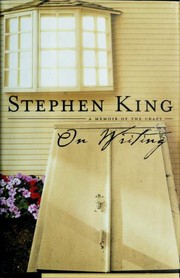
King's memoir of craft applies as directly to screenwriting as to fiction. His argument that story comes before plot — that you discover what a story is about by following characters rather than outlining — sits in productive tension with the structural approaches of McKee and Snyder.
Source: Book Notes & Reviews — nateliason.com
Also recommended by: Jason Calacanis, Paul Graham, Sam Parr
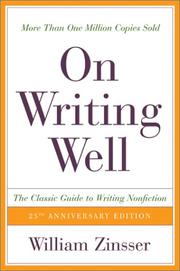
A manual for non-fiction: clear writing comes from clear thinking.
Source: Book Notes & Reviews — nateliason.com
Also recommended by: Derek Sivers, George Hatzis, Matt Mullenweg and 1 other

Numbered rules of English usage and composition, with examples, under 100 pages.
Source: Book Notes & Reviews — nateliason.com
Also recommended by: Patrick Collison, Ann Handley, Kara Swisher and 2 others
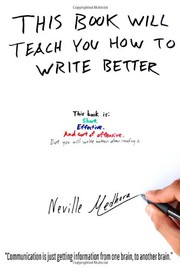

Jacob Lund Fisker's book is the most rigorous and demanding text on this list. A physicist by training, he builds a systems-theory framework for early retirement that requires roughly a 25% savings rate as a floor. It is less a personal-finance manual than a critique of consumer society, and it will unsettle readers who found the Bogleheads comfortable.
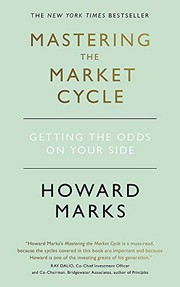
Cycles can't be timed, but knowing where you stand in one lets you adjust risk.
Source: Book Notes & Reviews — nateliason.com
Also recommended by: Michael Bloomberg
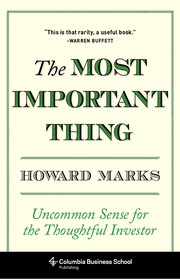
Second-level thinking, risk and market cycles, drawn from Oaktree's client memos.
Source: Book Notes & Reviews — nateliason.com
Also recommended by: Matt Mullenweg, Mohnish Pabrai and 3 others
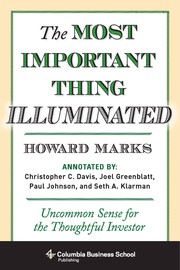
Second-level thinking on risk and cycles, with notes by Klarman and Greenblatt.
Also recommended by: Andrew Wilkinson, Mohnish Pabrai and 2 others
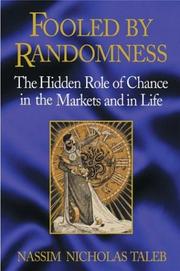
Why people mistake luck for skill, above all in markets.
Also recommended by: Barton Biggs, Michael Mauboussin and 10 others
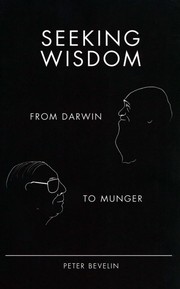
Builds out Munger's latticework idea from primary sources.
Source: Book Notes & Reviews — nateliason.com
Also recommended by: Andrew Wilkinson, Warren Buffett and 7 others
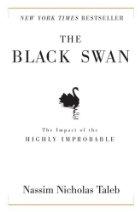
Rare, unforeseen, high-impact events drive history, explained only after the fact.
Source: Book Notes & Reviews — nateliason.com
Also recommended by: Howard Marks, Marc Andreessen and 18 others
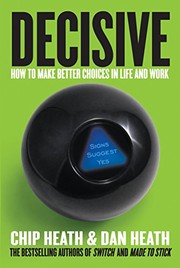
Four traps that ruin decisions, such as narrow framing, and a process to beat each.
Source: Book Notes & Reviews — nateliason.com
Also recommended by: Andrew Wilkinson, Mohnish Pabrai, Tony Hsieh and 2 others
Source: Book Notes & Reviews — nateliason.com
Also recommended by: Mohnish Pabrai
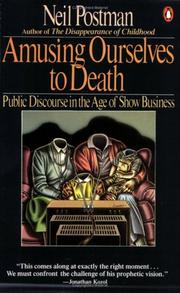
How television turned public discourse from argument into entertainment.
Source: Book Notes & Reviews — nateliason.com
Also recommended by: Keith Rabois, Matt Mullenweg and 3 others
Source: Book Notes & Reviews — nateliason.com
Also recommended by: Andrew Wilkinson, Jack Dorsey

How finding love, dating and relationships have changed from earlier generations.
The Dilbert creator's many failures and what they taught him about success.
Source: Book Notes & Reviews — nateliason.com
Also recommended by: Mohnish Pabrai, Patrick O'Shaughnessy and 1 other

Samuel Zemurray rose from selling ripe bananas to taking over United Fruit.
Source: Book Notes & Reviews — nateliason.com
Also recommended by: Ryan Holiday, Andrew Wilkinson and 3 others
How an unelected official amassed power and used it to rebuild New York.
Source: Book Notes & Reviews — nateliason.com
Also recommended by: Balaji S. Srinivasan, Jim Collins and 7 others
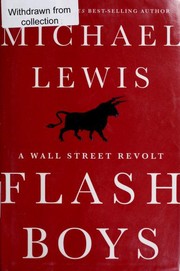
How a trader uncovered high-frequency front-running and built the IEX exchange.
Source: Book Notes & Reviews — nateliason.com
Also recommended by: Mohnish Pabrai
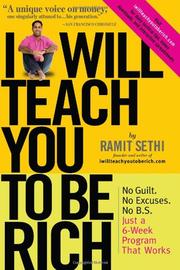
A six-week programme to automate banking, credit, saving and investing.
Source: Book Notes & Reviews — nateliason.com
Also recommended by: Mohnish Pabrai, Andrew Lokenauth and 2 others
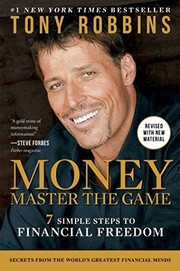
Interviews with 50 investors, from Dalio to Bogle, turned into money advice.
Source: Book Notes & Reviews — nateliason.com
Also recommended by: Andrew Wilkinson, Ray Dalio, Ryan Peterson
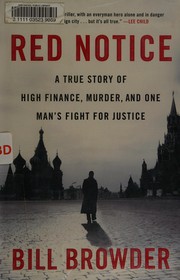
An investor in Russia is expelled, his firms seized, and his lawyer Magnitsky dies.
Source: Book Notes & Reviews — nateliason.com
Also recommended by: Christopher Bloomstran, Mohnish Pabrai and 5 others
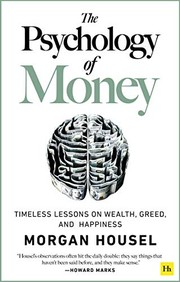
Twenty short essays on why behaviour matters more than knowledge with money.
Source: Book Notes & Reviews — nateliason.com
Also recommended by: Andrew Wilkinson, Ali Abdaal, Ana Fabrega and 9 others


Harari's concern — that humans may cede decision-making to opaque systems through preference rather than coercion — reframes the alignment problem as a cultural and political challenge, not only a technical one. Less rigorous than Bostrom or Russell, but more widely read, making it a useful lens for understanding public discourse.
Source: Book Notes & Reviews — nateliason.com
Also recommended by: Andrew Wilkinson, Bill Gates and 7 others
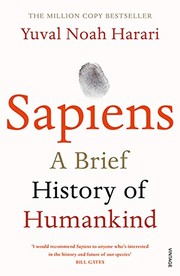
How shared fictions such as money, nations and gods let humans cooperate at scale.
Source: Book Notes & Reviews — nateliason.com
Also recommended by: Andrew Wilkinson, Bill Gates, Mohnish Pabrai and 37 others
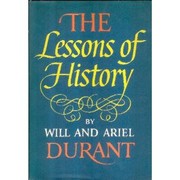
Recurring patterns drawn from world history: biology, morals, religion, economics.
Source: Book Notes & Reviews — nateliason.com
Also recommended by: Andrew Wilkinson, Balaji S. Srinivasan and 11 others

A military historian's reflections on what history teaches and why we ignore it.
Source: Book Notes & Reviews — nateliason.com
Also recommended by: Morgan Housel, Shane Parrish
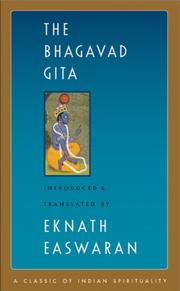
Source: Book Notes & Reviews — nateliason.com
Also recommended by: Naval Ravikant
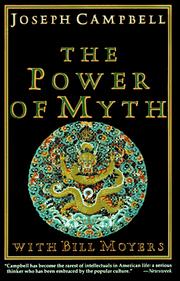
Campbell on the recurring stories cultures tell themselves
Source: Book Notes & Reviews — nateliason.com
Also recommended by: Jim Collins, David Perell, Eric Weinstein and 2 others
Source: Book Notes & Reviews — nateliason.com
Also recommended by: Naval Ravikant, Susan Cain, Tim Ferriss
Source: Book Notes & Reviews — nateliason.com
Also recommended by: Patrick Collison, Kevin Rose, Steve Jobs


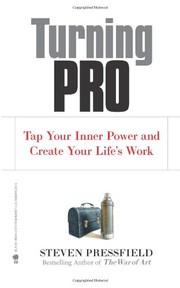
Pressfield's book on resistance applies with particular force to musicians, where the gap between technical facility and creative output is often enormous. The concept of 'turning pro' — treating creative work as a practice with professional discipline regardless of whether it pays — is the mental shift that separates hobbyists from people who actually finish records.
Source: Book Notes & Reviews — nateliason.com
Also recommended by: Mohnish Pabrai, Alex and Books, Ali Abdaal and 10 others
Source: Book Notes & Reviews — nateliason.com
Also recommended by: Balaji S. Srinivasan
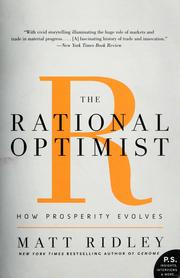
Prosperity grows as trade and specialisation let ideas meet and combine.
Source: Book Notes & Reviews — nateliason.com
Also recommended by: Andrew Wilkinson, Bill Gates, Frank Martin and 9 others
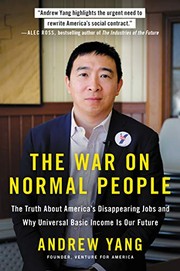
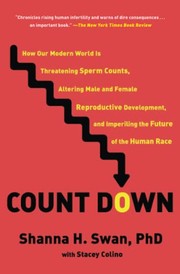

Source: Book Notes & Reviews — nateliason.com
Also recommended by: Mohnish Pabrai
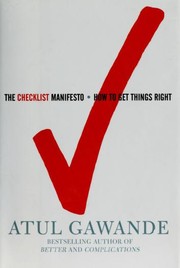
How checklists stop experts in complex fields failing to apply what they know.
Source: Book Notes & Reviews — nateliason.com
Also recommended by: Michael Mauboussin, Mohnish Pabrai and 8 others

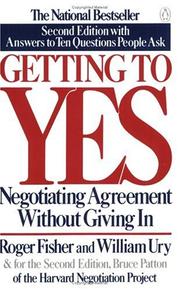
Principled negotiation: bargain over interests, not positions, and trade less.
Source: Book Notes & Reviews — nateliason.com
Also recommended by: Charlie Munger, Drew Houston, Nate O'Brien and 2 others
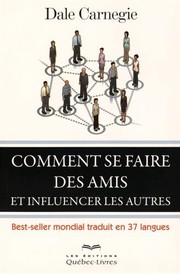
Techniques for handling people, being liked and winning others to your view.
Also recommended by: Mohnish Pabrai, Alex and Books and 12 others
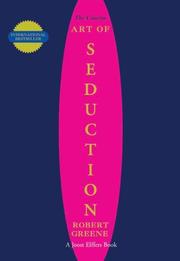
Seducer types, victim types and a step-by-step process of attraction from history.
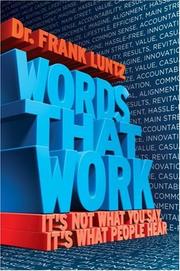
Why some words persuade and others fail, from a political pollster.
Source: Book Notes & Reviews — nateliason.com
Also recommended by: Matt Mullenweg, Tim Ferriss, Tristan Harris
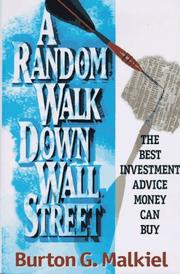
Stock prices follow a random walk, so a low-cost index fund beats stock picking.
Source: Book Notes & Reviews — nateliason.com
Also recommended by: Mohnish Pabrai
Navy SEAL leadership doctrine adapted to running teams and firms
Source: Book Notes & Reviews — nateliason.com
Also recommended by: Alfred Lin, Austin Rief, Brant Cooper and 8 others
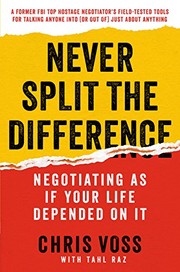
FBI hostage-negotiation tactics: labelling, mirroring and calibrated questions.
Source: Book Notes & Reviews — nateliason.com
Also recommended by: Alfred Lin, Rational Capital Investment Fund and 5 others
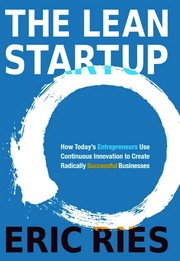
Build, measure, learn: test what customers want with small experiments.
Source: Book Notes & Reviews — nateliason.com
Also recommended by: Sheryl Sandberg, Andrew Chen, Andy Budd and 16 others
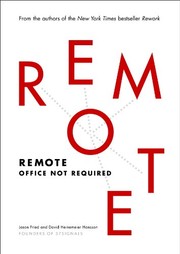
Source: Book Notes & Reviews — nateliason.com
Also recommended by: David Hellmann, Jason Fried, Matt Mullenweg and 2 others
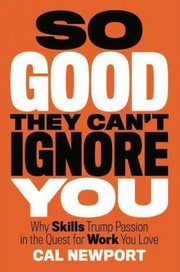
Career capital before passion; building rare and valuable skills
Source: Book Notes & Reviews — nateliason.com
Also recommended by: Alexis Ohanian, Jordan Hughes, Kevin Kelly and 1 other
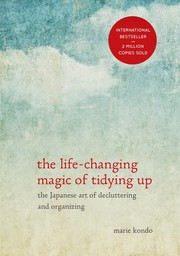
Source: Book Notes & Reviews — nateliason.com
Also recommended by: Patrick Collison, David Kadavy, Julie Zhuo

Source: Book Notes & Reviews — nateliason.com
Also recommended by: Ben Silbermann

Learning to cook as a route to learning any skill, with chefs' recipes and tricks.
Source: Book Notes & Reviews — nateliason.com
Also recommended by: Tim Ferriss

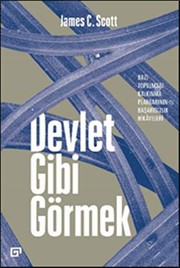
Why large state plans fail when they override local, practical knowledge.
Source: Book Notes & Reviews — nateliason.com
Also recommended by: Balaji S. Srinivasan
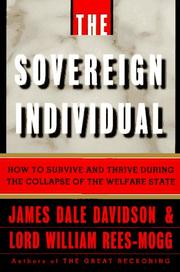
1997 forecast of digital money weakening the nation state
Source: Book Notes & Reviews — nateliason.com
Also recommended by: Balaji S. Srinivasan, Patrick Collison and 10 others
Performing under pressure by quieting the self-interference that spoils play.
Source: Book Notes & Reviews — nateliason.com
Also recommended by: Bill Gates, Brad Feld, Patrick Collison
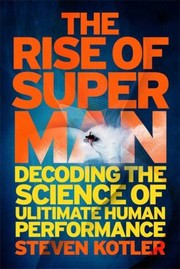
How extreme-sports athletes use flow states to push performance further.
Source: Book Notes & Reviews — nateliason.com
Also recommended by: Adam Fisher, Chase Jarvis, Jim Kwik and 1 other
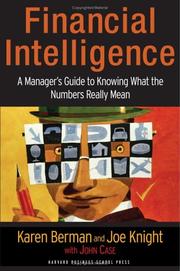
How non-financial managers can read income statements, balance sheets and cash flow.
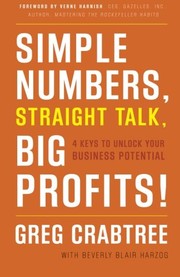
Owner-operator economics: labour efficiency and the four keys.
A physicist's stories, from fixing radios as a boy to Los Alamos and beyond.
Also recommended by: Brian Armstrong, Matt Mullenweg and 18 others
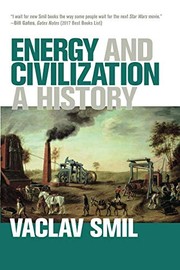
History told through energy, from muscle and fire to coal, oil and electricity.
Source: Book Notes & Reviews — nateliason.com
Also recommended by: Balaji S. Srinivasan, Bill Gates

An operating manual for founders scaling from a few people to a few hundred.
Source: Book Notes & Reviews — nateliason.com
Also recommended by: Alexis Ohanian, Ali Abdaal and 4 others
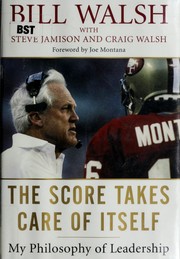
How a coach took the 49ers from 2 and 14 to three Super Bowls with set standards.
Source: Book Notes & Reviews — nateliason.com
Also recommended by: Ryan Holiday, David Cancel, Drew Houston and 7 others
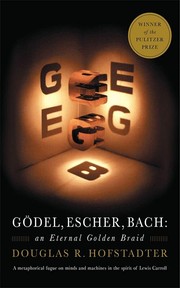
How a mind could arise from parts, traced through Godel, Escher and Bach.
Source: Book Notes & Reviews — nateliason.com
Also recommended by: Naval Ravikant, Demis Hassabis, Kevin Kelly and 2 others
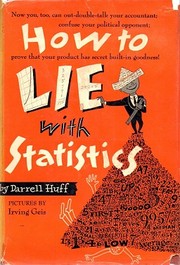
How biased samples, chosen averages and cut-off chart axes make numbers mislead.
Source: Book Notes & Reviews — nateliason.com
Also recommended by: Bill Gates, Mohnish Pabrai, Morgan Housel and 5 others
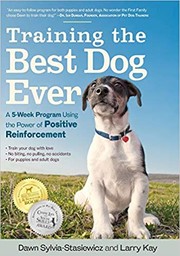
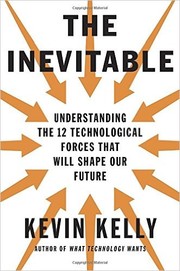
The technology trends that will reshape daily life over the next thirty years.
Source: Book Notes & Reviews — nateliason.com
Also recommended by: Patrick Collison, Alfred Lin, Brad Feld
Source: Book Notes & Reviews — nateliason.com
Also recommended by: Iman Gadzhi

Shackleton's men survive after the ice crushes their ship Endurance in Antarctica.
Source: Book Notes & Reviews — nateliason.com
Also recommended by: Andrew Wilkinson, Morgan Housel and 7 others

Source: Book Notes & Reviews — nateliason.com
Also recommended by: Tim Ferriss
Source: Book Notes & Reviews — nateliason.com
Also recommended by: Ran Segall
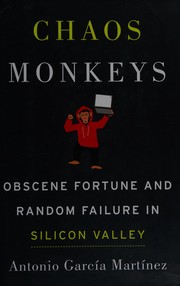
Insider account of Facebook's ads business by a product manager.
Source: Book Notes & Reviews — nateliason.com
Also recommended by: Mohnish Pabrai, Alfred Lin and 3 others
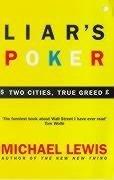
Life on Salomon Brothers' bond trading floor in the 1980s mortgage-bond boom.
Source: Book Notes & Reviews — nateliason.com
Also recommended by: Michael Burry, Mohnish Pabrai and 3 others
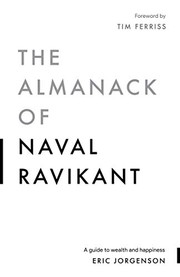
Naval Ravikant's ideas on building wealth and being happy, gathered from his talks.
Source: Book Notes & Reviews — nateliason.com
Also recommended by: Balaji S. Srinivasan, Alex and Books and 8 others
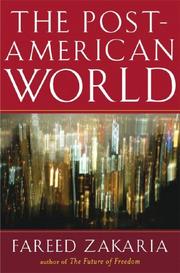
Source: Book Notes & Reviews — nateliason.com
Also recommended by: Mohnish Pabrai, Bill Gates
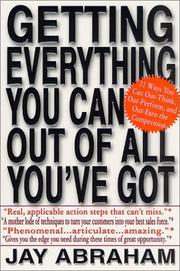
A marketing adviser's ideas for growing a business or a career.
Source: Book Notes & Reviews — nateliason.com
Also recommended by: Andrew Wilkinson, Ramit Sethi, Tony Robbins
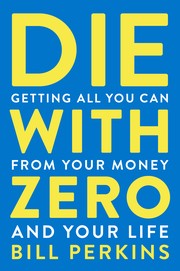
Source: Book Notes & Reviews — nateliason.com
Also recommended by: Ali Abdaal, James Altucher
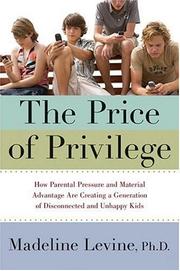
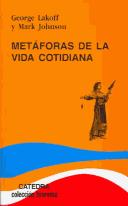
Metaphor as a basic mechanism of thought that shapes how people understand the world.
Source: Book Notes & Reviews — nateliason.com
Also recommended by: Matt Mullenweg, Nick Szabo, Tristan Harris

A printer's rise in colonial America and his chart for practising thirteen virtues.
Source: Book Notes & Reviews — nateliason.com
Also recommended by: Charlie Munger, Mohnish Pabrai, Elon Musk and 3 others
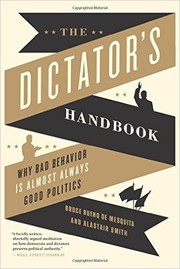
Source: Book Notes & Reviews — nateliason.com
Also recommended by: Andrew Chen

Cash discipline for small businesses; a system, not an accounting theory.
Source: Book Notes & Reviews — nateliason.com
Also recommended by: John D Saunders, Ran Segall
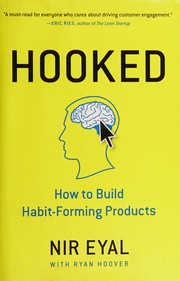
A four-step model for habit-forming products: trigger, action, reward, investment.
Source: Book Notes & Reviews — nateliason.com
Also recommended by: Alexis Ohanian, Andrew Chen, David Cancel and 5 others