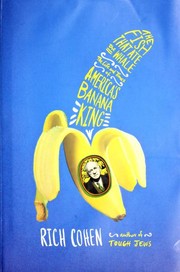
The Fish That Ate the Whale
Samuel Zemurray and United Fruit; the banana trade as empire
Summary
Cohen tells the story of Samuel Zemurray, a Russian Jewish immigrant who arrived in Alabama with nothing, started by buying ripes, meaning bananas too close to spoiling for the major importers to ship, and built a business that eventually took over United Fruit, the company that had spent decades trying to destroy him.
The early business is a study in finding value that larger competitors discard. Zemurray bought ripes at low prices, arranged with railroads to sell them along the route before they spoiled, and telegraphed ahead to grocers to have buyers waiting. The margins came from speed and from information that his size allowed him to act on.
He then bought land in Honduras, and when the Honduran government's debt arrangement with American banks threatened his position, he financed a coup, hiring mercenaries and installing a former president. Cohen documents this directly, including the role of the American government and the origin of the term banana republic. The takeover of United Fruit is the book's set piece. Zemurray sold his company to United Fruit for stock, watched the share price collapse under poor management, quietly accumulated proxies from other shareholders, and took control of the board in a single meeting.
Cohen writes admiringly and the tone romanticises Zemurray. The book covers the 1954 Guatemalan coup, in which United Fruit's interests and the CIA's intervention overlapped, but treats it with less weight than its consequences deserve. The labour conditions on the plantations receive limited attention. The material on operating advantages against a larger competitor is genuinely instructive, and the political history should be read alongside other sources.
Key takeaways 8
- Zemurray built his business on inventory that larger competitors discarded, which required speed and local information rather than capital.
- Being present at the operation, in the fields and on the docks, gave him information that competitors managing from headquarters did not have.
- A smaller competitor beats a larger one by acting faster on decisions the larger firm must route through committees.
- He financed a coup in Honduras to protect his land position, which is the direct origin of the arrangement the term banana republic describes.
- Selling a business for stock in a badly managed acquirer created the opportunity to take control of that acquirer when its price collapsed.
- Accumulating proxies quietly from dispersed shareholders allowed a takeover of the board without a public contest.
- Vertical integration into land, railways and shipping was necessary because a perishable product cannot tolerate dependence on third parties.
- United Fruit's political entanglements, including the 1954 Guatemalan coup, are part of this business history and are treated too lightly by the author.
Who should read it
Founders competing against larger incumbents who want a case built on speed and local information, read with awareness of what the political history involved.
Who recommended it 6 · 2 direct
Similar books 6
Chosen by shared topics, the entries that hold them, and the people who recommended both.
Founder's account of building Firestone; business sense from the tyre trade
Recommended by: Andrew Wilkinson, Charlie Munger and 1 other

Recommended by: Mohnish Pabrai

A milkshake-machine salesman finds the McDonald brothers and builds the franchise.
Recommended by: Mohnish Pabrai

Narrative of the American West's mining and railroad fortunes
Recommended by: Charlie Munger

Running the Washington Post through the Pentagon Papers, Watergate and a strike.
“Highly Recommended.” — Mohnish Pabrai
Source: Mohnish's Bookshelf — Books on Entrepreneurship, Management and Leadership, entry 178
Recommended by: Bill Gates, Mohnish Pabrai, Diana Kimball and 3 others

Joseph P. Kennedy's life in banking, film, the stock market and politics.
Recommended by: Mohnish Pabrai, Morgan Housel
Where it sits in the reference 2
Topics