
Business and Corporate History
How firms, industries and managerial capitalism were actually built.
Start here
- Business AdventuresJohn Brooks, 1969
- The CompanyJohn Micklethwait, Adrian Wooldridge, 2003
- The Visible HandAlfred D. Chandler Jr., 1977

A printer's rise in colonial America and his chart for practising thirteen virtues.
Recommended by: Charlie Munger, Mohnish Pabrai, Nat Eliason and 4 others

Ownership of big US firms had split from control, which passed to managers.
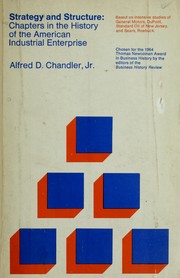
How DuPont, GM, Standard Oil and Sears built the multidivisional firm.

Twelve New Yorker stories of business, from the Edsel's failure to the 1962 crash.
“Business Adventures remains the best business book I've ever read.” — Bill Gates
Source: Gates Notes review of Business Adventures
Recommended by: Bill Gates, Mohnish Pabrai, Patrick Collison and 1 other

How salaried managers replaced markets in coordinating US business, 1840 to 1920.
Recommended by: Paul Graham
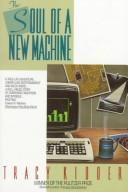
A Data General team races to design a 32-bit minicomputer in about a year.
“Must-read for anyone in a product development or a startup environment.” — Mohnish Pabrai
Source: Mohnish's Bookshelf — Books on Sales & Marketing, entry 73
Recommended by: Mohnish Pabrai, Patrick Collison, Brad Feld and 3 others
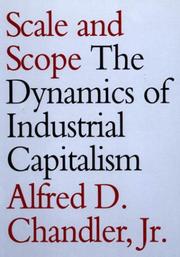
Why big industrial firms in the US, Britain and Germany rose or lagged, 1880 to 1940.
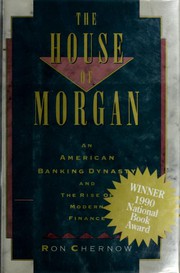
The Morgan banks from 1830s London to J.P. Morgan and Morgan Stanley in the 1980s.
Recommended by: Mohnish Pabrai, Paul Graham
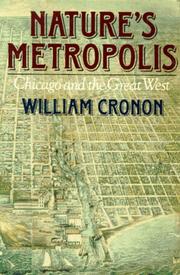
How Chicago and its western hinterland grew together as city and frontier.
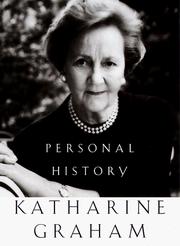
Running the Washington Post through the Pentagon Papers, Watergate and a strike.
“Highly Recommended.” — Mohnish Pabrai
Source: Mohnish's Bookshelf — Books on Entrepreneurship, Management and Leadership, entry 178
Recommended by: Bill Gates, Mohnish Pabrai, Diana Kimball and 3 others

How shared fictions such as money, nations and gods let humans cooperate at scale.
“…books I've recommended, highlighted to death, or forced on friends.” — Andrew Wilkinson
Source: Andrew Wilkinson's Bookshelf, neverenough.com
Recommended by: Andrew Wilkinson, Bill Gates, Mohnish Pabrai and 38 others
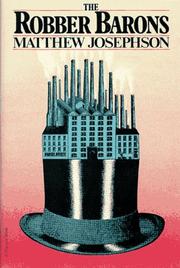
How Vanderbilt, Gould, Rockefeller, Morgan and others built 19th-century fortunes.
Recommended by: Larry Ellison
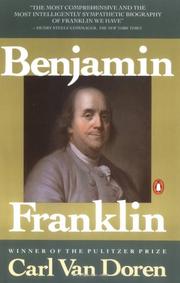
The standard mid-century Franklin biography; Munger's model of a working life
Recommended by: Charlie Munger

How American life changed between 1900 and 1950.
Recommended by: Morgan Housel, Paul Graham
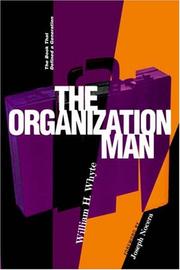
What the corporation did to the people inside it, written at its peak.
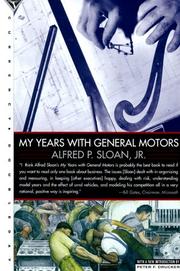
The decentralised structure and financial controls that ran General Motors.
Recommended by: Mohnish Pabrai, Patrick Collison and 1 other
A century of US regulation through four figures, from Charles Francis Adams to Kahn.
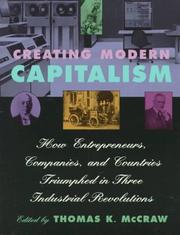
How Britain, Germany, Japan and the US each built their own form of capitalism.
Recommended by: Mohnish Pabrai
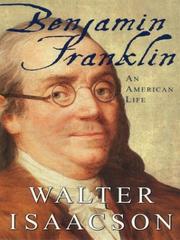
Franklin's life as printer, scientist, diplomat and founder.
“…books I've recommended, highlighted to death, or forced on friends.” — Andrew Wilkinson
Source: Andrew Wilkinson's Bookshelf, neverenough.com
Recommended by: Alfred Lin, Andrew Wilkinson, Mohnish Pabrai and 7 others

A short history of the joint stock company, from trading charters to multinationals.
Recommended by: Paul Graham

Carnegie, Rockefeller, Gould and Morgan and the economy they built
“on how four great builders of the 19th century built the world we live in today” — Marc Andreessen
Source: @pmarca, companion thread to 'It's Time to Build'
Recommended by: Marc Andreessen
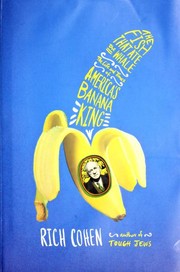
Samuel Zemurray rose from selling ripe bananas to taking over United Fruit.
Recommended by: Nat Eliason, Ryan Holiday, Andrew Wilkinson and 3 others

Joseph P. Kennedy's life in banking, film, the stock market and politics.
Recommended by: Mohnish Pabrai, Morgan Housel
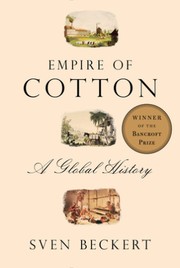
A global history of cotton used to trace how capitalism developed.
Why the first merger wave happened and why most of it disappointed.
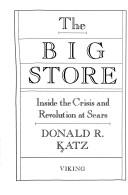
Sears in the mid-1980s, trying to reinvent itself after losing its lead in retail.

How electricity spread through everyday American life and commerce.

Memoir of a hedged-equity pioneer's seven decades on Wall Street
“I sometimes reread older books like 'So Far, So Good - the First 94 Years,' written by Roy Neuberger in 1997. It always fascinates me how things are basically the same on Wall Street. Sound…” — Francois Rochon
Source: Rochon on rereading Neuberger and finding Wall Street unchanged
Recommended by: Francois Rochon, Jim Rogers

Seymour Cray and the supercomputer business he built and lost
Recommended by: Sam Altman
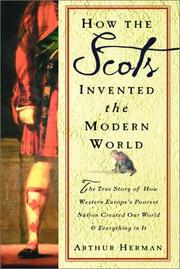
Scottish Enlightenment as the source of modern commercial and economic thinking
Recommended by: Charlie Munger, Mohnish Pabrai
Founder's account of building Firestone; business sense from the tyre trade
Recommended by: Andrew Wilkinson, Charlie Munger and 1 other
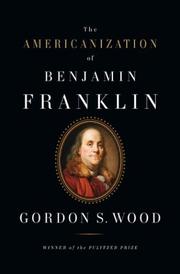
Franklin's reinvention from imperial gentleman into American businessman
“if you haven't read much about Ben Franklin, that's what I would suggest” — Joel Greenblatt
Source: Masters in Business transcript: Joel Greenblatt (2020)
Recommended by: Joel Greenblatt
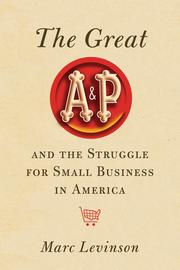
How A&P became the world's largest retailer and the political fight it set off.
Recommended by: Patrick Collison

Narrative of the American West's mining and railroad fortunes
Recommended by: Charlie Munger

Entrepreneur's memoir of building and selling successive companies
Recommended by: Mohnish Pabrai
 Ron Chernowwrote 1 book here
 Frederick Lewis Allenwrote 1 book here
 Walter Isaacsonwrote 1 book here
 Benjamin Franklinwrote 1 book here
 Mohnish Pabrairecommends 13 books here
 Paul Grahamrecommends 7 books here
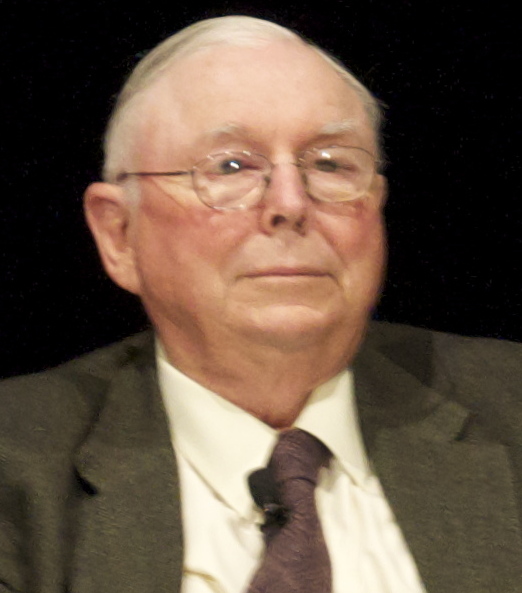 Charlie Mungerrecommends 5 books here
 Patrick Collisonrecommends 5 books here
 Warren Buffettrecommends 3 books here
 Bill Gatesrecommends 3 books here
 Marc Andreessenrecommends 2 books here
 Ray Daliorecommends 2 books here
 Alfred Linrecommends 2 books here
Show all 65
 Brett Adcockrecommends 2 books here
 Elon Muskrecommends 2 books here
 Ben Horowitzrecommends 1 book here
 Brad Feldrecommends 1 book here
 Jim Rogersrecommends 1 book here
 Reid Hoffmanrecommends 1 book here
 Ryan Holidayrecommends 1 book here
 Changpeng Zhaorecommends 1 book here
 Daniel Ekrecommends 1 book here
 Demis Hassabisrecommends 1 book here
 Fred Wilsonrecommends 1 book here
 James Cameronrecommends 1 book here
 Jamie Dimonrecommends 1 book here
 Julie Zhuorecommends 1 book here
 Keith Raboisrecommends 1 book here
 Larry Ellisonrecommends 1 book here
 Mark Zuckerbergrecommends 1 book here
 Matt Mullenwegrecommends 1 book here
 Melinda Gatesrecommends 1 book here
 Naval Ravikantrecommends 1 book here
 Nir Eyalrecommends 1 book here
 Peter Attiarecommends 1 book here
 Richard Bransonrecommends 1 book here
 Sam Altmanrecommends 1 book here
 Satya Nadellarecommends 1 book here
 Scott Belskyrecommends 1 book here
 Scott Farquharrecommends 1 book here
 Tim Ferrissrecommends 1 book here
 Trevor Ncuberecommends 1 book here
 Vinod Khoslarecommends 1 book here
 Zoë Foster Blakerecommends 1 book here